LIVE DISPATCH
• 16 Years in the Making: What India's Javelin Deal Really Signals • The New Defence Architecture: Deconstructing the India-Belgium Geostrategic Win • Who Gets to Say “We Are the Ocean”? Hau’ofa, the Blue Pacific, and the politics of representation • Beyond Oil: Saudi Arabia's Civil Nuclear Deal with the United States • The Fifth Plenum Resolution and the Distribution of Power in the CPC • The Myth of Mankind's Inheritance: China, the US, and the Battle for the Clarion-Clipperton Zone • Energy Security and European Strategic Autonomy: Has the EU’s Shift Away from Russian Fossil Fuels Strengthened Its Strategic Autonomy? • China's Surveillance Architecture in the Bay of Bengal and Its Strategic Implications • Old Threat, New Currents: Piracy, Narco-Trafficking, and India's Response in the Western Indian Ocean • A Reformer for an Institution in Decline: What does the Next Secretary-General Inherits? • Beyond Rare Earths: Sulphuric Acid and the Hidden Vulnerabilities of Critical Mineral Supply Chains • Silent Depths, Loud Signals: Nuclear Deterrence Infrastructure and the Crisis-Stability Costs of India’s Indo-Pacific Maritime Partnerships • Microplastic Pollution and Marine Environmental Security in the Indo-Pacific: An Indonesian Perspective • Securing India's Digital Frontiers: Cybersecurity Challenges and Strategic Responses in the Age of Hybrid Warfare • Structural Parallels in American Coercive Diplomacy: The US-Cuban and US-Iranian Conflicts • Prism of Dragon’s Maritime Assertiveness: Regional Implications and India’s Strategic Options • Cybersecurity and European Strategic Autonomy: Can Europe Reduce Its Dependence on Foreign Digital Infrastructure? • The Architecture of Cooperation: Navigating East Asia's Geopolitical Landscape • India’s Maritime Ties with Tanzania: Challenges and Opportunities in the Indian Ocean Region • From Civil Nuclear Power to Nuclear Hedging: Saudi Arabia, Iran and the Emerging Nuclear Security Dilemma in the Middle East • Beyond Trade: Japan’s New Quest for Economic Security • The Invisible Front: China-Pakistan Grey-Zone Operations • The Pacific: Strategic Competition and the Return of Power Politics • India's Agentic AI Strategy Needs Authority Budgets before Autonomy Scales • Arctic Geopolitics: From Frozen Frontier to Global Contest • From Physical Borders to Intelligent Borders: The Evolution of India's Border Security Architecture • Bridging the Fifth-Generation Gap: India's Su-57E Dilemma, AMCA, and Strategic Autonomy • AI Driven Cyberwarfare and National Security • Regulation as Power? The EU, US and China in the Geopolitics of Artificial Intelligence • The Continuing U.S. Regime-Change Toolkit: Color Revolutions, Political Influence, and Vietnam • Digital Pathways to Extremism: An Investigative Study of ISIS and Al-Qaeda's Use of Digital Platforms in India • Strategic Autonomy in the Age of Weaponised Interdependence: India’s Geopolitical Dilemma • China’s Grey-Zone Strategy in the Indian Ocean: Implications for India’s Maritime Security • Europe’s Digital Dependence: Can the EU Achieve Strategic Autonomy? • Cuba’s Economic Crisis and Strategic Relevance: A Peripheral State in Renewed Great Power Competition • Loss and Damage Finance: From COP28 Pledges to Policy Architecture • Beyond Consultation: BIMSTEC's Emerging Role in Regional Intelligence and Security Cooperation • Between the Desert and the Savannah: Conflict and the Political Economy of Instability in the Sahel • The Politics of Ali Khamenei's Funeral • Operation Sindoor and the Changing Dynamics of India–Pakistan Security • 16 Years in the Making: What India's Javelin Deal Really Signals • The New Defence Architecture: Deconstructing the India-Belgium Geostrategic Win • Who Gets to Say “We Are the Ocean”? Hau’ofa, the Blue Pacific, and the politics of representation • Beyond Oil: Saudi Arabia's Civil Nuclear Deal with the United States • The Fifth Plenum Resolution and the Distribution of Power in the CPC • The Myth of Mankind's Inheritance: China, the US, and the Battle for the Clarion-Clipperton Zone • Energy Security and European Strategic Autonomy: Has the EU’s Shift Away from Russian Fossil Fuels Strengthened Its Strategic Autonomy? • China's Surveillance Architecture in the Bay of Bengal and Its Strategic Implications • Old Threat, New Currents: Piracy, Narco-Trafficking, and India's Response in the Western Indian Ocean • A Reformer for an Institution in Decline: What does the Next Secretary-General Inherits? • Beyond Rare Earths: Sulphuric Acid and the Hidden Vulnerabilities of Critical Mineral Supply Chains • Silent Depths, Loud Signals: Nuclear Deterrence Infrastructure and the Crisis-Stability Costs of India’s Indo-Pacific Maritime Partnerships • Microplastic Pollution and Marine Environmental Security in the Indo-Pacific: An Indonesian Perspective • Securing India's Digital Frontiers: Cybersecurity Challenges and Strategic Responses in the Age of Hybrid Warfare • Structural Parallels in American Coercive Diplomacy: The US-Cuban and US-Iranian Conflicts • Prism of Dragon’s Maritime Assertiveness: Regional Implications and India’s Strategic Options • Cybersecurity and European Strategic Autonomy: Can Europe Reduce Its Dependence on Foreign Digital Infrastructure? • The Architecture of Cooperation: Navigating East Asia's Geopolitical Landscape • India’s Maritime Ties with Tanzania: Challenges and Opportunities in the Indian Ocean Region • From Civil Nuclear Power to Nuclear Hedging: Saudi Arabia, Iran and the Emerging Nuclear Security Dilemma in the Middle East • Beyond Trade: Japan’s New Quest for Economic Security • The Invisible Front: China-Pakistan Grey-Zone Operations • The Pacific: Strategic Competition and the Return of Power Politics • India's Agentic AI Strategy Needs Authority Budgets before Autonomy Scales • Arctic Geopolitics: From Frozen Frontier to Global Contest • From Physical Borders to Intelligent Borders: The Evolution of India's Border Security Architecture • Bridging the Fifth-Generation Gap: India's Su-57E Dilemma, AMCA, and Strategic Autonomy • AI Driven Cyberwarfare and National Security • Regulation as Power? The EU, US and China in the Geopolitics of Artificial Intelligence • The Continuing U.S. Regime-Change Toolkit: Color Revolutions, Political Influence, and Vietnam • Digital Pathways to Extremism: An Investigative Study of ISIS and Al-Qaeda's Use of Digital Platforms in India • Strategic Autonomy in the Age of Weaponised Interdependence: India’s Geopolitical Dilemma • China’s Grey-Zone Strategy in the Indian Ocean: Implications for India’s Maritime Security • Europe’s Digital Dependence: Can the EU Achieve Strategic Autonomy? • Cuba’s Economic Crisis and Strategic Relevance: A Peripheral State in Renewed Great Power Competition • Loss and Damage Finance: From COP28 Pledges to Policy Architecture • Beyond Consultation: BIMSTEC's Emerging Role in Regional Intelligence and Security Cooperation • Between the Desert and the Savannah: Conflict and the Political Economy of Instability in the Sahel • The Politics of Ali Khamenei's Funeral • Operation Sindoor and the Changing Dynamics of India–Pakistan Security

Search CeSCube Intelligence Archives

Search Results for “Saudi Arabia Iran Relations”

59 total results found
Iran China strategic pact
Security
Abhijeet Nehra • Apr 10, 2021

Iran China strategic pact

On Saturday, 27th March 2021 China and Iran signed a key agreement which is being reported as a ‘strategic cooperation pact’. As part of the deal, Beijing has agreed to invest over $400 billion in fields such as banking, telecommunications,...

1,890 views
Growing Islamic Radicalism in Central Asia
World
Mahima Chouhan • Mar 27, 2021

Growing Islamic Radicalism in Central Asia

Ever since the break-up of the Soviet Union in 1991, the region of Central Asia has emerged as an intriguing field of politics, religion and security. The establishment of these newly formed republics was not only challenged by the Soviet U...

2,453 views
Al-Qaeda in Arabian Peninsula- Status update
Terrorism
Jyot Shikhar Singh • Mar 7, 2021

Al-Qaeda in Arabian Peninsula- Status update

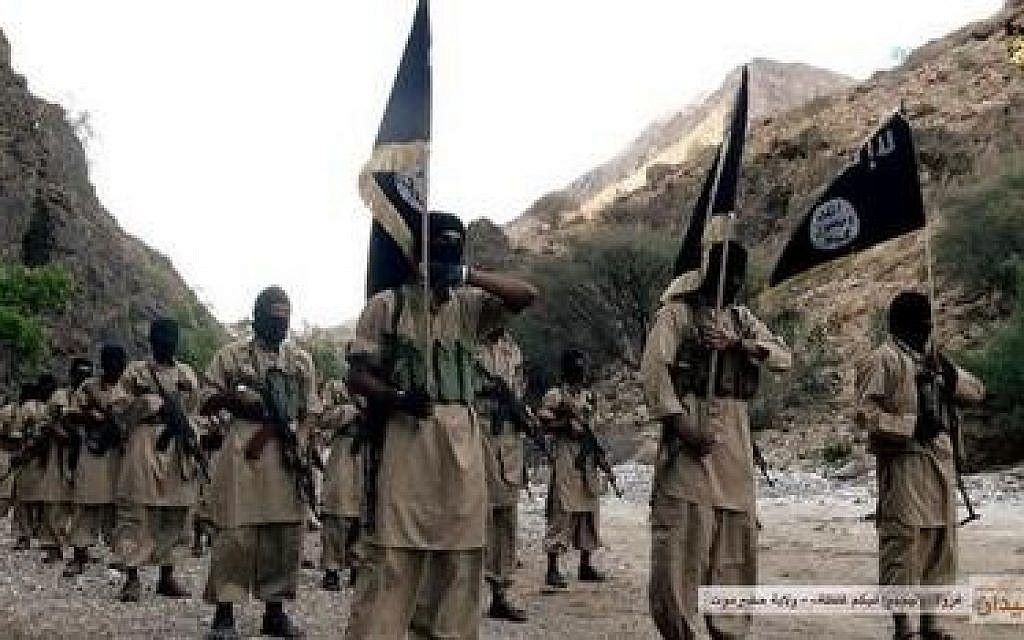
The issue of terrorism has affected every continent in some form or another. Islamic terrorism in the form of terrorist organizations like Al-Qaeda, Taliban and ISIS have terrorized different part of the world and have incurred a huge amoun...

3,211 views
Reading into strategic fine print of Abraham Accords
Politics
Mohit Vashisth • Sep 29, 2020

Reading into strategic fine print of Abraham Accords

In September 15, 2020, Israel has signed Abraham Accords with the UAE and Bahrain which aims at normalising the relations between the three nations. These include security and scientific cooperation, direct flights, commercial activities, t...

1,968 views
Displaying 49 - 59 of 59 results.

Discover more

Geopolitical Focus Areas