From Civil Nuclear Power to Nuclear Hedging: Saudi Arabia, Iran and the Emerging Nuclear Security Dilemma in the Middle East
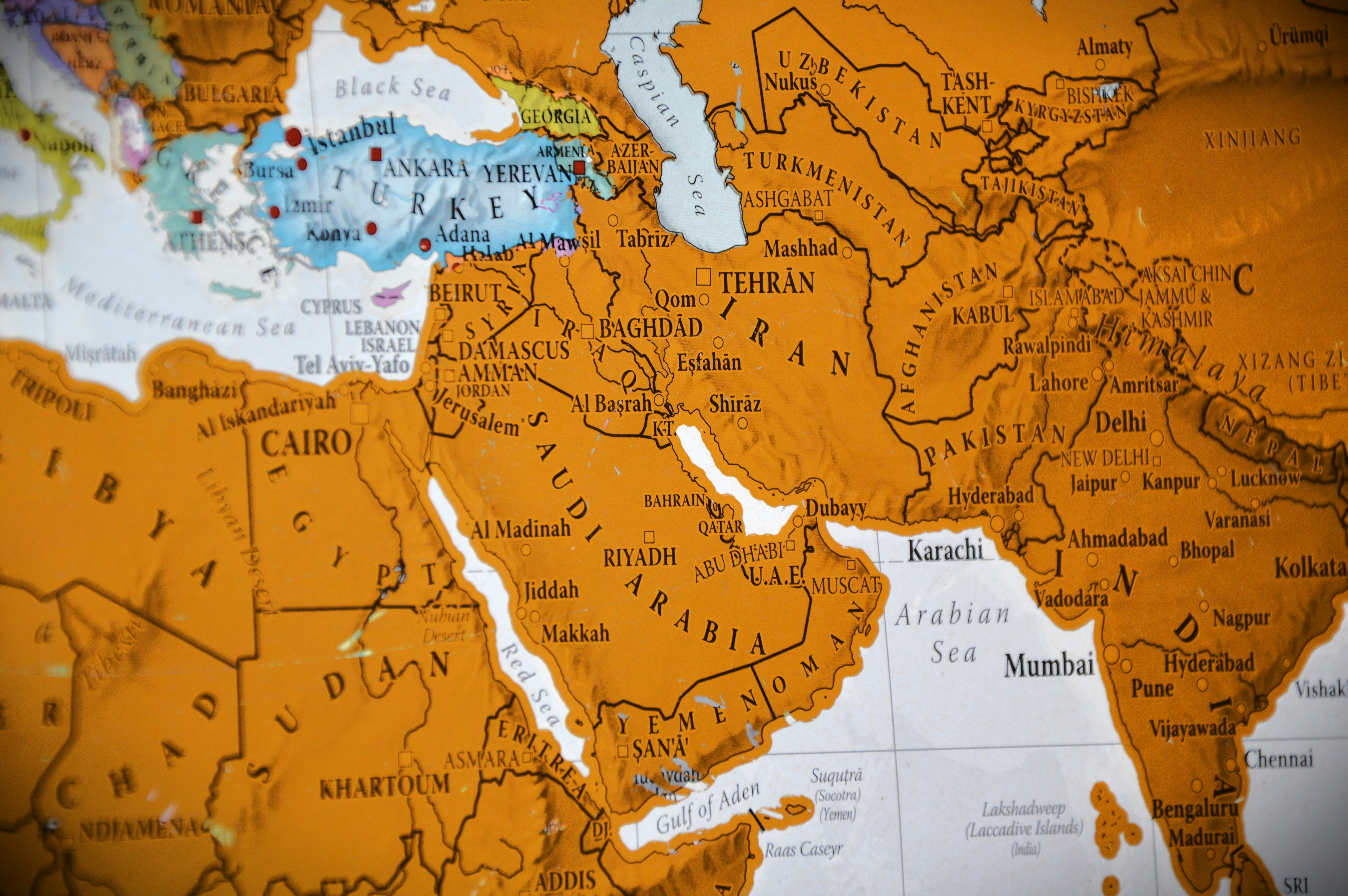
The Middle East is stepping into one of the most uncertain phases in nuclear politics. The region's nuclear security environment is impacted by various central realities in contemporary terms. Saudi Arabia's increasing nuclear ambitions, Israel's undeclared nuclear capability, and Iran's progressing nuclear advancements add strategic dimensions to the volatile scenario unfolding in the Middle East region. Tracing the recent activities and engagements of Saudi Arabia, it indicates clearly that the development of nuclear technologies is seen as another pathway for its economic diversification. However, its repeated emphasis on domestic nuclear capabilities and its relationship with the United States in terms of dialogues and agreements have raised the question of whether Riyadh is heading towards the strategy of nuclear hedging.
Nuclear hedging is a concept in the proliferation behavior of states where the state is formally committed not to develop nuclear weapons, but is deliberately conscious of developing the capability to produce and develop the weapons. This is an even more dangerous case found between nations, which poses a major threat to the global non-proliferation regime. This idea is so strange due to the uncertainty of intentions behind the behavior. Focusing on the Middle East as a region, every nation out there is highly bound by its national security and national interests as a whole.
Saudi Arabia's Nuclear Ambitions:
Saudi Arabia is a cornerstone Middle East nation when it comes to discussions on nuclear ambitions and advancements. The nuclear ambitions of the nation are backed by energy diversification and security concerns. The nation's push to reduce its dependence on oil has shifted focus to areas like nuclear energy, seen as a long-term investment. This idea extends beyond domestic needs because of the dynamic strategic context in the Middle East. A sign of reaffirmation on this thought was witnessed from the words of Crown Prince Mohammad bin Salman in the year 2018, “Without a doubt, if Iran developed a nuclear bomb, we would follow suit as soon as possible.”the statement also reflects us the regional balance of power. The recent engagement between the United States and Saudi Arabia has gained global attention. The U.S-Saudi nuclear agreement signed in July 2026 was narrated by the U.S energy secretary, Chris Wright, as “shared commitment to strengthening U.S.-Saudi commercial relations, delivering prosperity at home and security to our allies abroad”. Many concerns and clarifications still revolve around this agreement, too, among global actors. On a broader scale, Saudi nuclear ambitions are determined in relation to the other neighbouring nations like Iran and Israel in the picture. Educationalists have also connected the nuclear vision with the idea of nuclear hedging and deterrence, which adds complexity to the context.
Iran's Nuclear Programme:
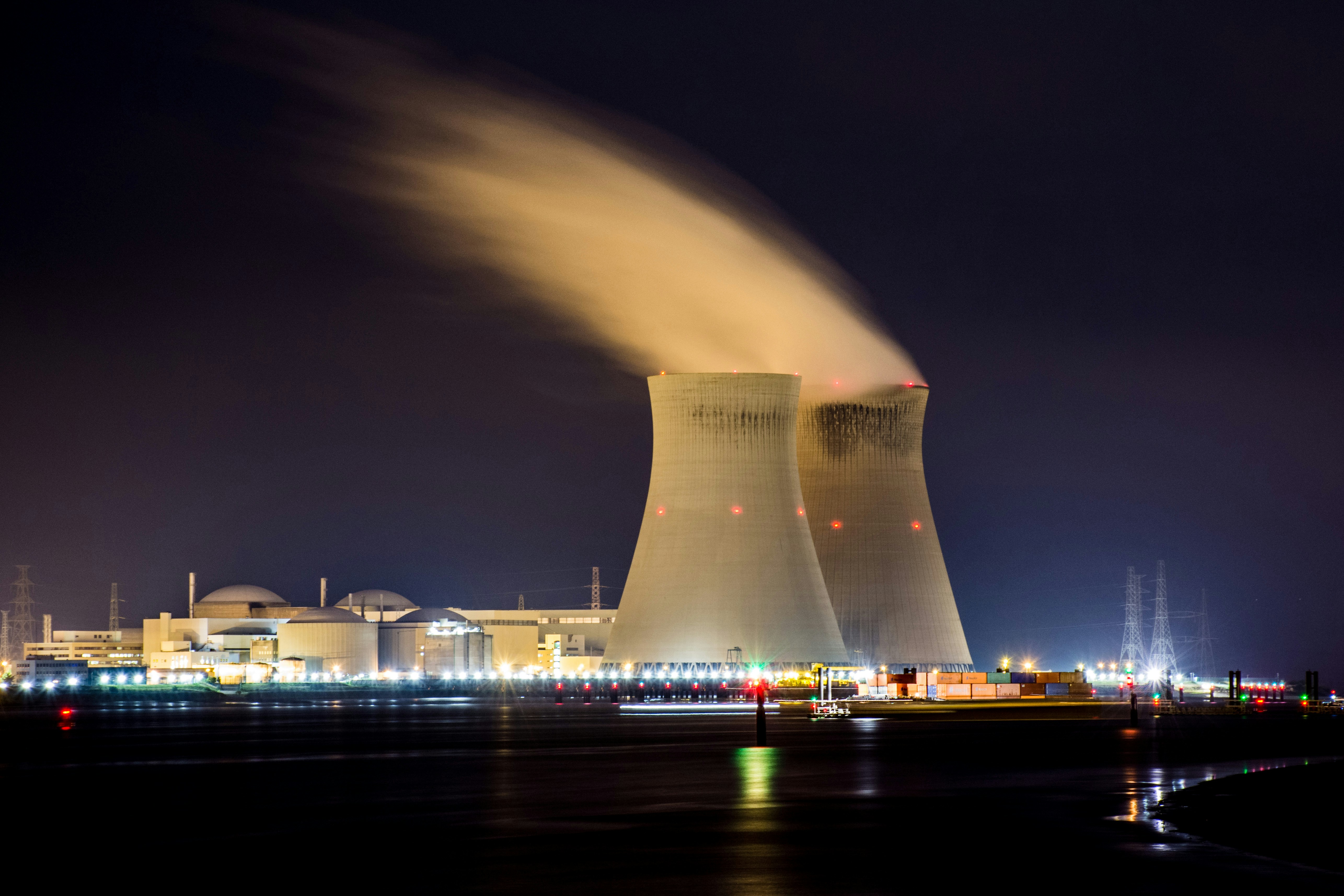
Iran is a major concern to many nations due to its dominance in the nuclear programme. Though it claims that its nuclear activities are intended for peaceful purposes, international concerns have been heightened due to its extent of uranium enrichment and disputes with the IAEA. Iran's nuclear programme includes many major events and initiatives. Bushehr, a state of Iran, is one of the most crucial sites in terms of Iran as a nuclear power.
In November 2019, Bushehr constructed its second largest nuclear power reactor, which is a Russian-designed unit, and planning is underway for the third site. The nation also focuses on uranium enrichment, which in recent years has been limited due to its alignment with the Joint Comprehensive Plan of Action (JCPOA). As per this international agreement, Iran limited itself to the production of heavy weapons and technologies, but this was not the case when the US withdrew from the agreement in 2018. It was after this that the nation again involved itself in uranium enrichment, which created the need for other nations to stay cautious, considering their national security. Iran's nuclear programme is not just an energy concern, but also it brings in the regional deterrence and strategic competencies into the picture.
Israel's Nuclear Posture:
Israel is one of the finest countries in the Middle Eastern region, holding a nuclear arsenal which is neither accepted nor rejected deliberately by the nation. It maintains an image of nuclear ambiguity by also not being a member of the Nuclear Non-Proliferation Treaty. It was observed by many scholars that Israel is pursuing a doctrine that is based on a counterforce-oriented strategy. It has increased its focus on submarine-based nuclear forces in recent periods of time concerning its security. Most estimates posit that Israel possesses about 90 plutonium-based nuclear warheads and has produced enough plutonium for 100-200 weapons. In the published report of Project Daniel, it states that Israel’s nuclear forces should serve “deterrence ex ante, not revenge ex post.” In simple terms, the basic idea of the nation is to survive rather than be a threat to other nations. The lack of clarity behind an Israeli nuclear weapons program is a major hindrance to establishing a weapon of mass destruction-free situation in the Middle East.
Gulf Cooperation Council and Security:
The Gulf Cooperation Council [GCC] is an economic and political union of Middle Eastern countries. The GCC's security background is characterised by regional rivalries, strategic concerns, and a highly conflict-prone environment. The emergence of the concept of nuclear hedging, in particular, has been an essential factor to consider. Some nations are uncertain in their regional balance of power, which leads them to the development of nuclear energy viewed as a long-term security investment for the nation. GCC nations have constantly been raising concerns and voices on the volatile situation of the region. For instance, in the case of Iran, the Gulf Cooperation Council (GCC) governments view it as a great threat to their regional independence and their political stability. On a formal note, the council views nuclear technologies as a regional security dilemma since its attached to the growth of missiles, drones, maritime protection, and world peace.
Conclusion:
The growing interests and involvement of the Middle East in terms of nuclear technologies cannot be taken as a sign of energy and economic growth. The intention of developing peaceful weapons only for security purpose not necessarily result in conflicts because the widening of the nuclear infrastructure and aspects is viewed as the condition of nuclear latency. This refers to the scenario where the nation upholds the technological and strategic knowledge concerning nuclear weapons, which might be used in future instances and support the selection of a nuclear military option. The repercussion of this phenomenon goes beyond the border of one nation, raising the question of regional deterrence in a zone with multiple layers of military power. Therefore, the transition from civil nuclear power to nuclear hedging should not be observed as an inevitable phase and should instead seek ways to construct regional confidence-building and a safer future for the Middle East.
References:
1.Bowen, Wyn, and Matthew Moran. "Living with nuclear hedging: The implications of Iran's nuclear strategy." International Affairs 91, no. 4 (2015): 687-707.
2.Seybert, Adam. "Nuclear politics in the Mediterranean: Prospects and pitfalls of nuclear weapons programs in Middle Eastern states." (2019): 384-391.
3.Center for Arms Control and Non-Proliferation. (2025, June 17). Israel - Center for Arms Control and Non-Proliferation. https://share.google/RbyCKweFwBGIJIp5K
4.SECTION 1: Background and Status of Iran’s nuclear program | Arms Control Association. (n.d.). https://share.google/tr3CqlqU365OkGMIO
5.Pant, H. V. (2026, July 28). The geopolitics of the US-Saudi nuclear Pact. orfonline.org. https://share.google/TmZRjnaAR7t4g2xSB
6.Council, M. E. P., & Council, M. E. P. (2026, September 4). The future of the US-Saudi Nuclear Pact - Middle East Policy Council. Middle East Policy Council. https://share.google/cgYW9mfWpJ9EM9CyM
(The views expressed are those of the author and do not represent the views of CESCUBE)
Photo by Emin Huric on Unsplash

Sowbarnika Shasikumar is a final-year undergraduate pursuing a Bachelor of Arts in political science, passionate about public policy, governance, and international relations, with research interests. Through academic projects, internships, and leadership roles, she strives to combine analytical thinking with practical experience and aspire to build a career in public service.