
Latest News
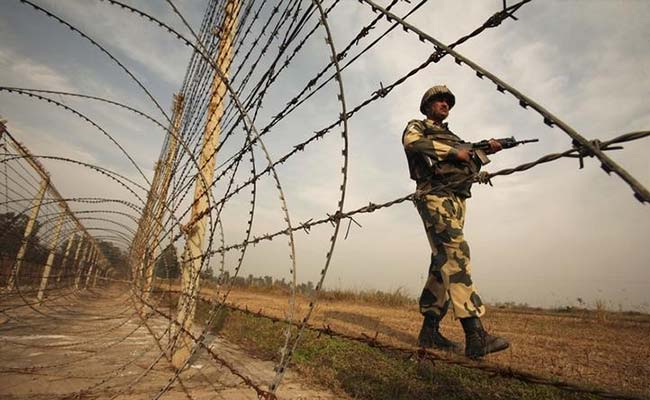
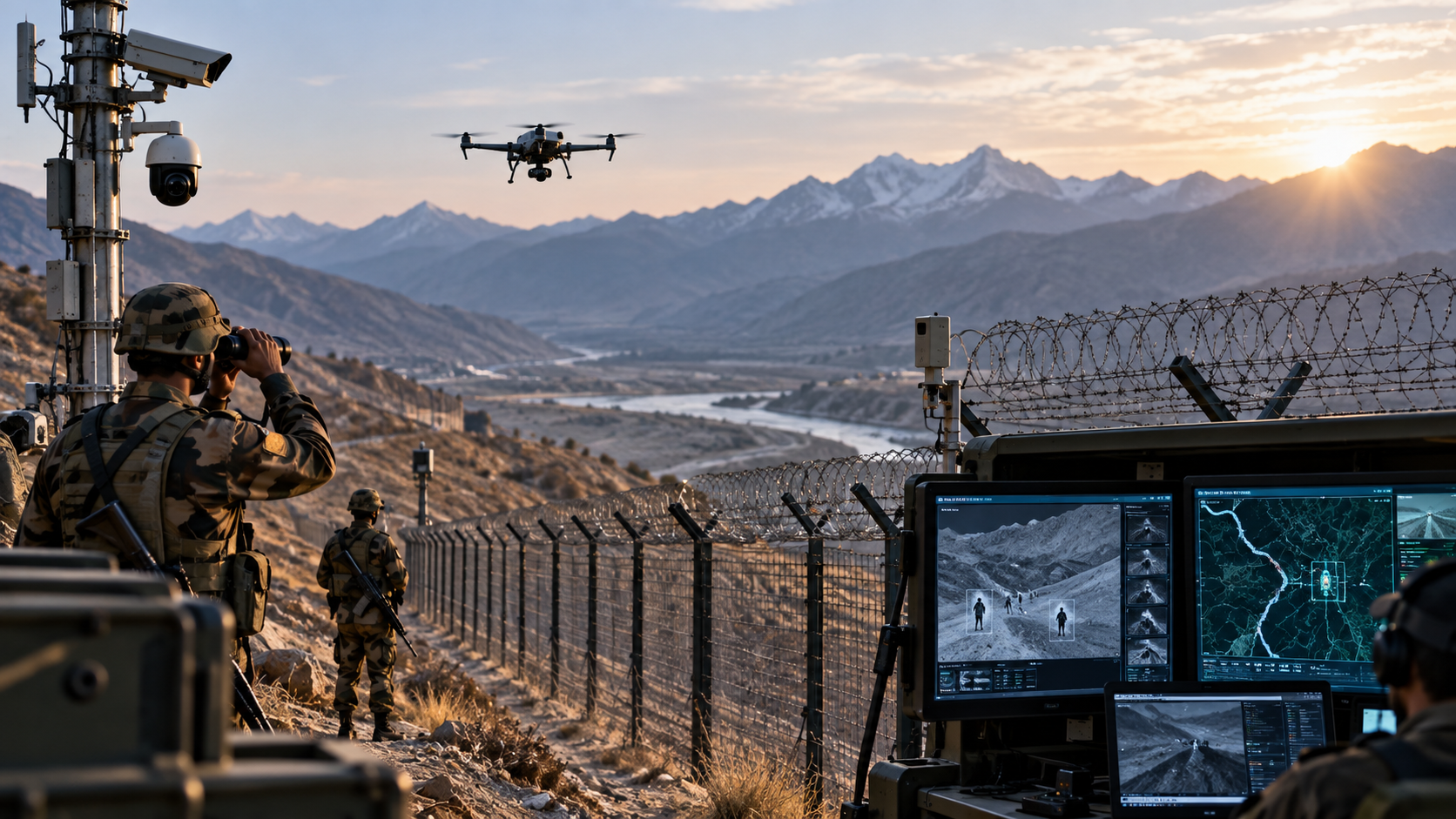
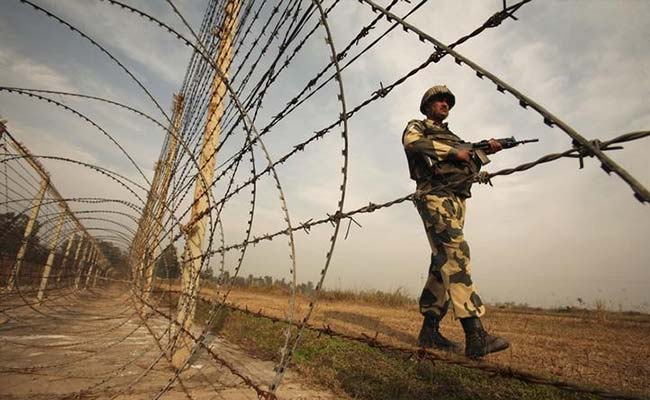

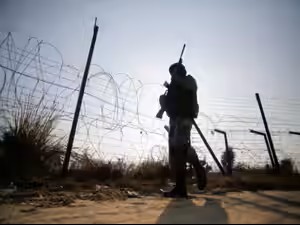
India's border fencing policy along the Bangladesh frontier represents one of the most extensive border management initiatives in South Asia, combining physical infrastructure, surveillance technologies, intelligence coordination, and institutional reforms to address challenges related to illegal mi...

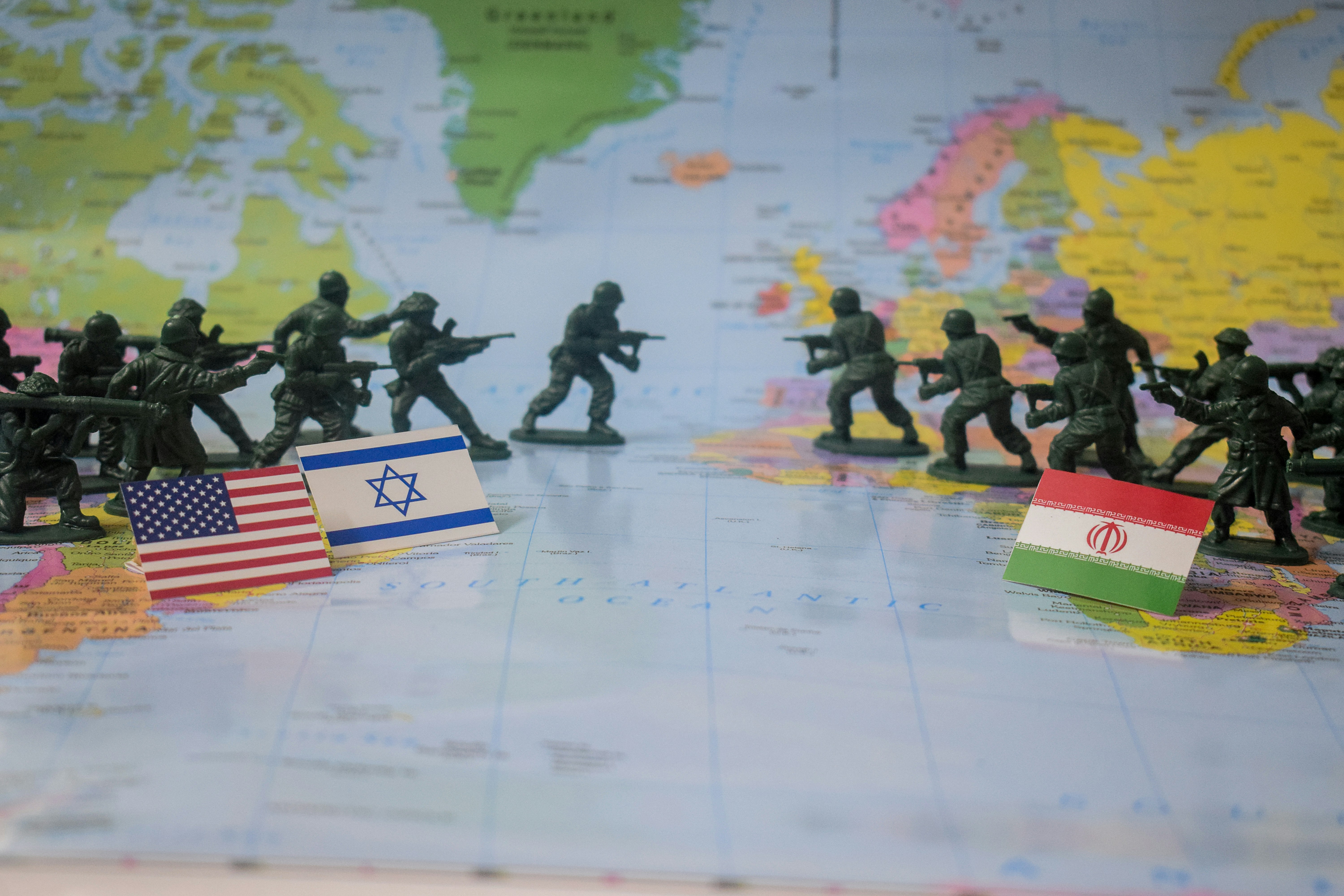
The Bush Doctrine, formulated in the wake of the tragic 9/11 attacks in the US might officially be an inactive approach to contemporary US foreign policy, but it introduced a stark shift in the intent and use of force. It was understood and accepted that a military retaliation would be the apt mecha...
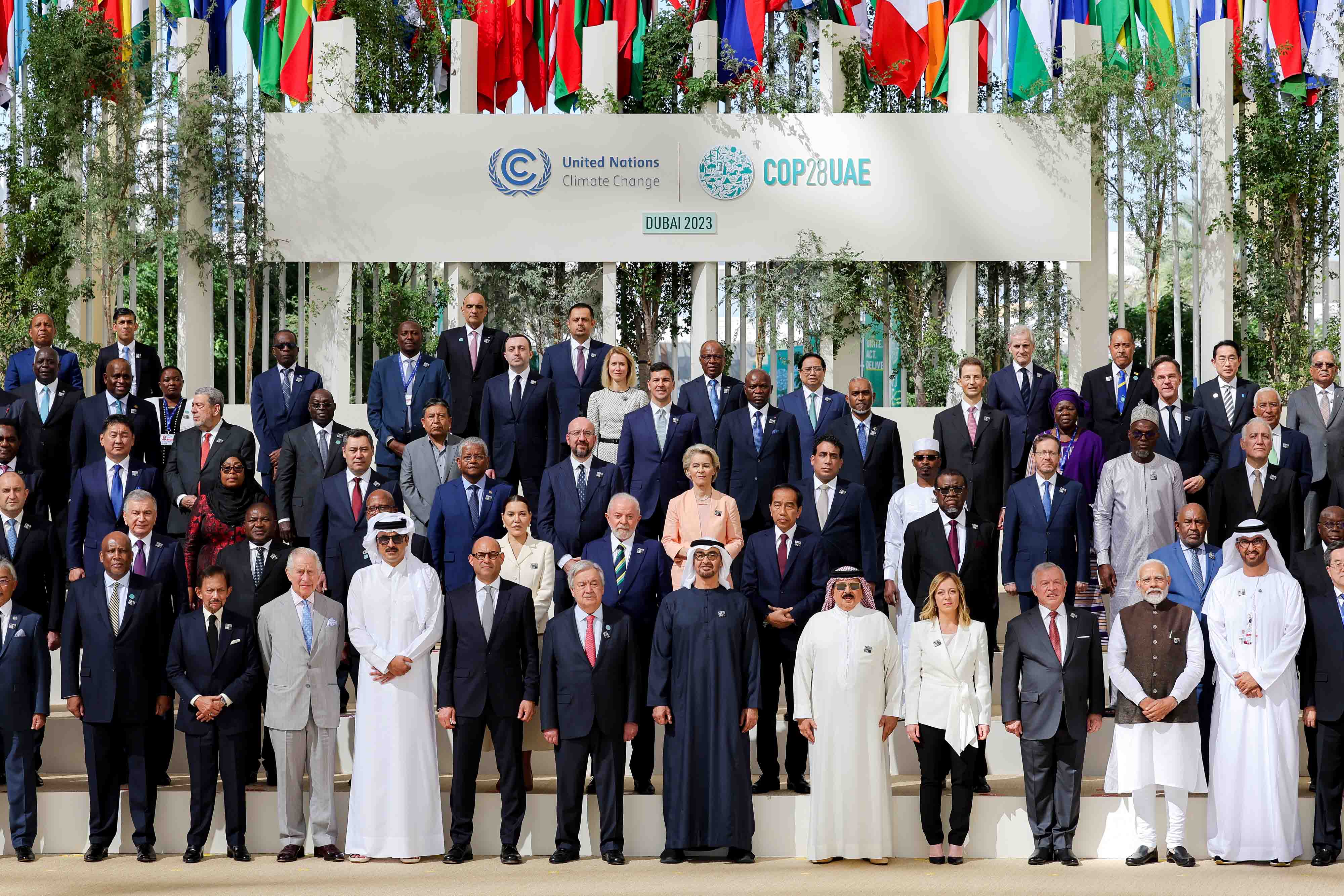
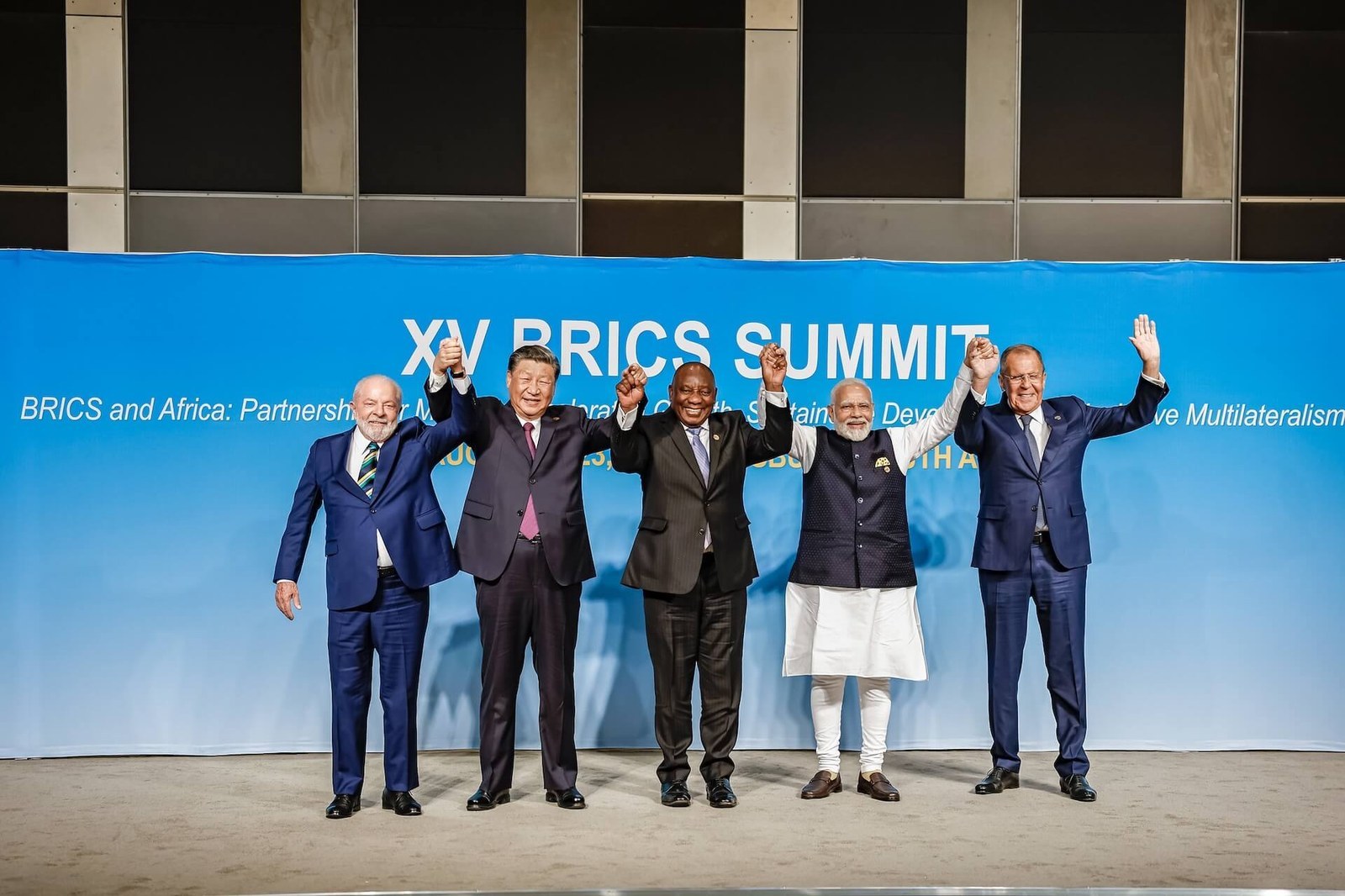
India’s assumption of the BRICS 2026 chairmanship comes at a critical geopolitical moment marked by intensifying U.S.–China rivalry, expanding BRICS+ membership, and growing demands for a more multipolar international order. While the platform offers India an opportunity to strengthen its leader...
Proxy warfare has long been viewed as an attractive strategic instrument, allowing states to pursue political and military objectives while maintaining plausible deniability and avoiding the costs of direct confrontation. Yet the very autonomy that makes proxy groups operationally effective often un...
The contemporary international system is widely described as moving toward multipolarity, driven by the rise of China, Russia’s strategic assertiveness, and the growing influence of middle powers. Yet beneath these visible shifts, the institutional foundations of global power from military allianc...
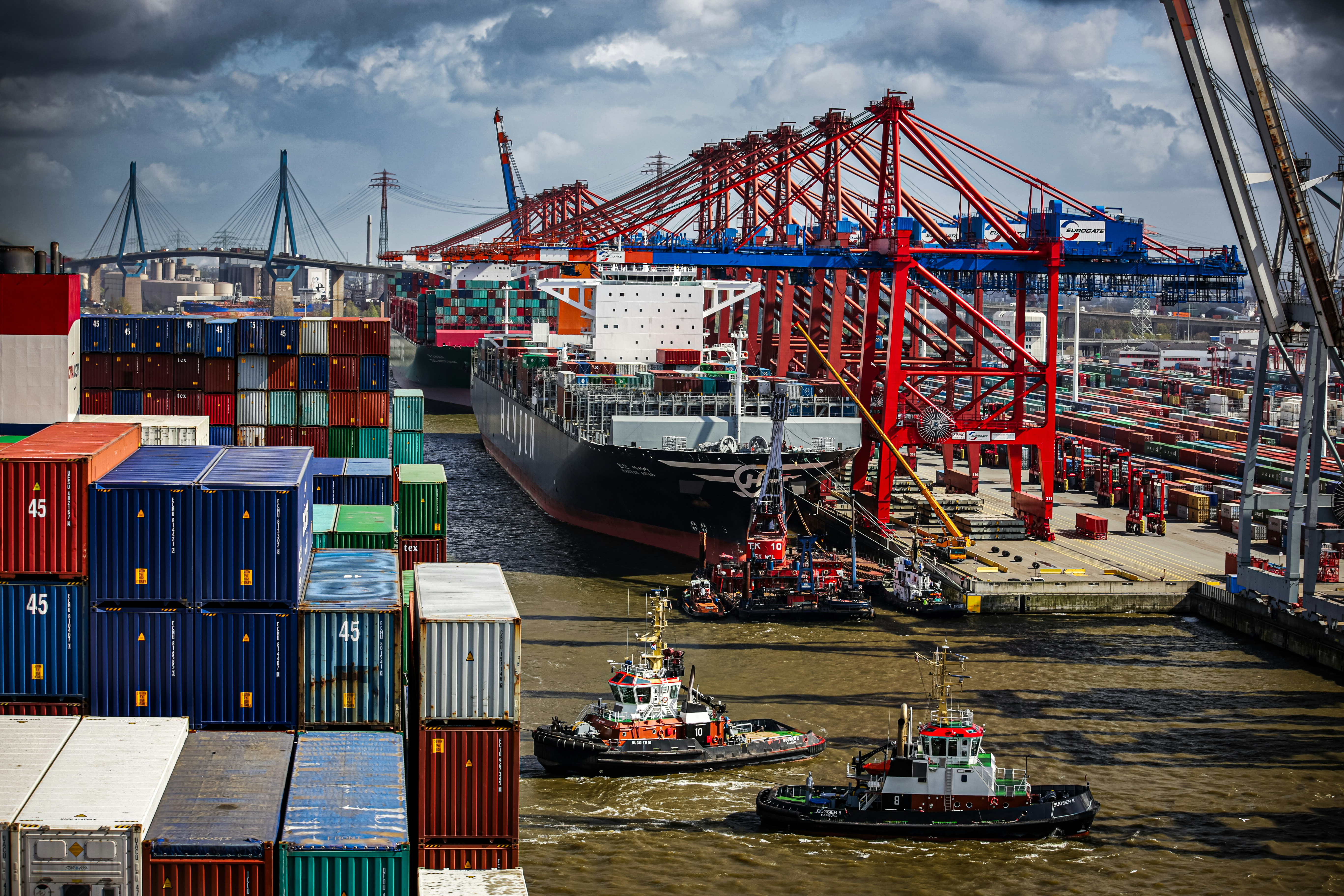
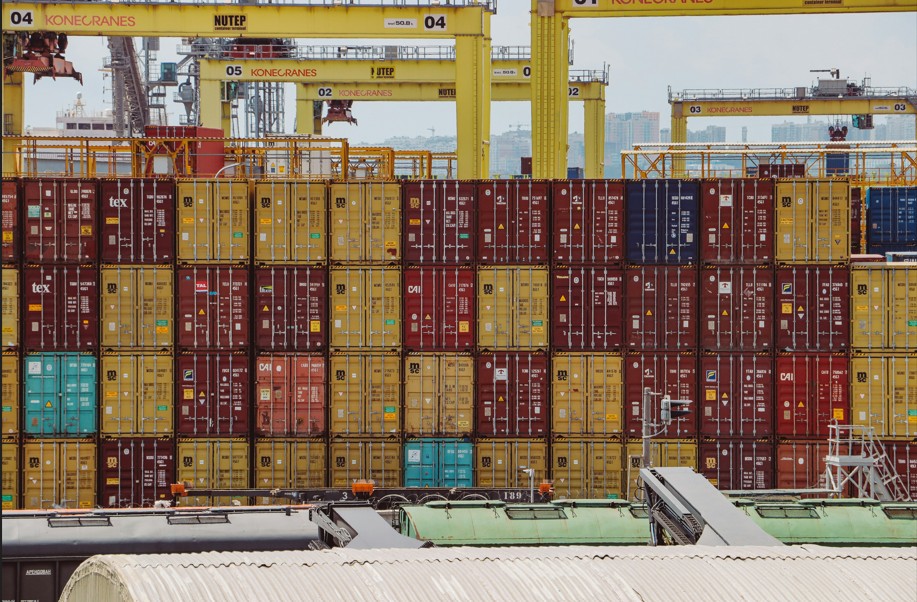
The Xinjiang Uyghur Autonomous Region occupies a central position within contemporary global supply chains, particularly in sectors such as cotton, textiles, and polysilicon production. As international scrutiny over alleged human rights violations and forced labour practices in the region has inten...