Eyes in the Sky: Transforming Battlefield Awareness through UAV based ISR
Modern warfare development now depends on advanced technology systems which provide better situational awareness and improved decision-making capabilities. Unmanned Aerial Vehicles, which people commonly call drones, have become essential tools for Intelligence Surveillance and Reconnaissance operations. UAV-enabled ISR systems provide a new approach to reconnaissance which delivers continuous monitoring and immediate intelligence data while minimizing operational hazards. The current transformation process requires both technological advancements and strategic changes which will affect military operations, warfare doctrines, and command structures throughout the armed forces.
Conceptualising ISR in the Age of UAVs
The military decision-making process receives support through ISR operations which involve coordinated work to acquire, process, and distribute information. The military used manned aircraft and satellites together with ground reconnaissance for ISR systems which faced limitations because of their high costs and operational dangers and their need for specific time periods. The use of UAVs solves these problems through their ability to deliver continuous intelligence operations which require different flying capabilities at an economical cost. The defense studies literature shows that UAV-based ISR systems create a complete system which combines sensors with communication systems and data analysis tools to improve visibility on the battlefield (DSIAC 2018).
The integration of UAVs into ISR has also expanded the scope of intelligence collection, incorporating signals intelligence (SIGINT), imagery intelligence (IMINT), and electronic intelligence (ELINT) within a single platform. Commanders can achieve a complete operational view through this multi-domain capability which provides them with near real-time operational information.
Technological Foundations of UAVs- ISR Systems
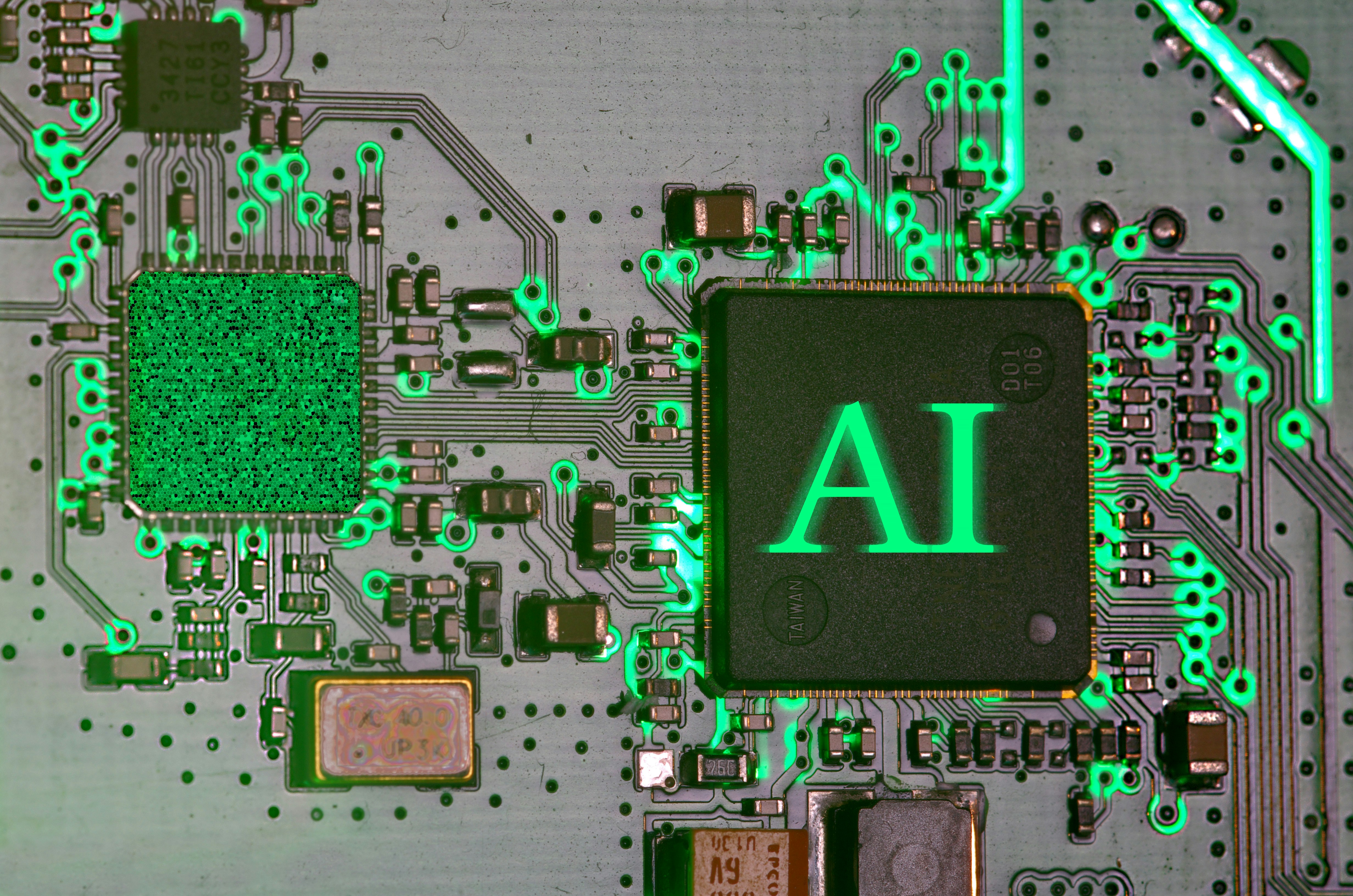
The superiority of UAV-based ISR systems operates through its advanced technological capabilities. Modern UAVs use high-resolution electro-optical and infrared cameras together with synthetic aperture radar (SAR) and advanced communication systems. The technologies establish surveillance capabilities which function in various environmental conditions that include low visibility and adverse weather conditions. Artificial Intelligence (AI) has further amplified the capabilities of UAVs. AI-driven algorithms support unmanned aerial vehicles in three areas which include autonomous navigation and target recognition and predictive analytics. Machine learning models can process vast amounts of sensor data to identify patterns and anomalies which creates a substantial decrease of cognitive burden that human operators must handle (Kim 2022). AI integration enables swarm intelligence because multiple UAVs can operate together to cover extensive areas without human direction. The intelligence gathering process receives quick intelligence sharing through technological progress in data transmission systems which use secure satellite links and cloud-based processing. Real-time data flow supports operations which require immediate action during counter-terrorism operations and tactical military engagements.
Transformation Of Battlefield Awareness
UAV-based ISR changes how military forces perceive battlefields through its three main operational enhancements which provide better surveillance and more accurate target detection and faster mission execution. The UAVs capacity to sustain surveillance operations through extended time periods enables persistent aerial surveillance of designated target regions. The two systems differ because UAVs can operate for multiple hours or days while manned aircraft depend on pilot endurance and operational costs for their flight duration. The sustained presence of troops permits them to track enemy activities which include their movement patterns and supply operations and their changes in normal behaviour to establish a real-time understanding of combat situations.
Through advanced sensors and analytics systems which deliver accurate target identification and tracking systems the technology achieves precision. The combination of high-resolution imagery with AI-based recognition systems decreases the chances of misidentification which results in better operational performance and reduced collateral damage.
The system achieves faster intelligence distribution through its capability which transmits intelligence data during active combat situations. Commanders can make informed decisions rapidly, adapting to evolving battlefield conditions. The network-centric warfare approach demonstrates its strength through ISR data integration into command-and-control systems which enables synchronized operations between different military units.
Role Of UAVs-ISR In Asymmetric Warfare
The use of UAV-based Intelligence Surveillance and Reconnaissance ISR systems in warfare has given non-state groups access to military equipment which previously belonged to state armed forces. Armed groups and insurgents and terrorist organizations use commercial drones for real-time surveillance and reconnaissance and battlefield coordination. The platforms enable them to track troop movements and detect weaknesses and execute attacks with improved accuracy. According to global security assessments (UNOCT 2024) UAVs function as intelligence collection devices for urban and conflict zones because conventional surveillance systems cannot operate effectively in those areas.
The current growth of this system raises major protection problems. Drones provide affordable equipment which anyone can access and modify which makes it easy for people to conduct advanced ISR missions. Non-state actors can turn regular UAVs into powerful intelligence devices by adding basic imaging systems or communication equipment. States now experience greater possibilities for unexpected assaults and protection system monitoring and international intelligence detection.
Governments develop counter-UAV systems which use radar detection methods and radio-frequency jamming systems and directed-energy weapons to prevent these threats. The development of electronic warfare tools together with regulatory structures now serves as vital protection measures against UAV misuse in asymmetric warfare situations.
Economic And Strategic Implications
The economic and strategic importance of UAV-based Intelligence Surveillance and Reconnaissance systems has grown significantly throughout the past few years. The worldwide market for ISR aircraft and drones is expected to achieve a value of $65.45 billion by 2035 because defense budgets are increasing and technological progress is happening at a fast pace and the need for immediate intelligence systems is growing (Market Research Future 2025). The growth of this industry demonstrates that unmanned aerial vehicles serve as essential budget-friendly assets which help nations achieve better military results without needing additional soldiers and higher danger levels. Unmanned aerial vehicles present military forces with better value than traditional ISR systems because they enable multiple missions through reduced expenses and expanded operational capabilities.
UAV-ISR systems provide strategic advantages which enhance deterrence because they lower informational gaps while improving situational awareness. The military uses real-time intelligence which enables planners to predict threats while tracking enemy movements and preparing defensive measures that decrease combat scenario uncertainty. UAV-based ISR systems enable precise military operations through their ability to identify targets and reduce unintentional damage to non-combatants. This practice supports international humanitarian law which demands military forces to protect civilians through controlled force application. The military effectiveness of UAV-ISR systems improves through their operational makeup while they maintain the modern military operations authentic and responsible for their actions.
Challenges And Limitations
The operational advantages of UAV-based Intelligence, Surveillance, and Reconnaissance (ISR) systems get limited by both their structural design and their technological shortcomings. The main issue with these systems emerges from their vulnerability to both electronic warfare attacks and cyber security threats. Adversaries can use their communication dependencies against them by jamming GPS signals or disrupting data links or conducting cyber intrusions which allow them to take control of UAV operations and thus destroy mission reliability and battlefield integrity. The system's weaknesses turn into critical problems when electromagnetic environments become contested, because control over systems and data transmission experience severe limitations.
The system faces another major problem because the operating environment creates data saturation problems. Modern UAV sensors produce massive amounts of immediate information, which human operators cannot analyze because it exceeds their understanding abilities. The system requires advanced artificial intelligence and data processing systems to handle data, which need to be filtered and categorized, before the system can provide useful intelligence data. The system depends on automated technology, which brings about algorithmic bias problems and interpretation errors.
UAV deployment faces additional challenges because of legal and ethical issues. Persistent surveillance activities create issues because they violate privacy rights and raise doubts about the validity of targeted operations which international humanitarian and human rights law protects. Operational restrictions, which emerge from payload capacity limits and endurance trade-offs and stable communication network requirements, create challenges that reduce UAV operational capabilities. The weather problems and restricted airspace areas create difficulties that prevent ISR operations from maintaining their effectiveness throughout different operational environments.
Future Trajectories
The future of UAV-based Intelligence Surveillance and Reconnaissance ISR systems will depend on upcoming artificial intelligence and autonomy and miniaturization technological breakthroughs. UAVs will transition from remote piloting systems to complete autonomous systems which can navigate and identify targets and make decisions without human assistance. The operational performance will improve through autonomous systems which decrease the need for human involvement and enable rapid responses during challenging operations.
Multiple unmanned aerial vehicles work together through swarm technology to execute various missions which include large-area surveillance and area denial and distributed reconnaissance operations. The AI-driven algorithms which power these swarms enable them to adapt to battlefield conditions which improves their operational resilience and mission coverage.
UAV-ISR systems will achieve complete protection against data interception and signal jamming and cyber intrusions through their integration with quantum communication systems and advanced cybersecurity technologies. Secure communication systems will protect ISR data through their ability to maintain data integrity and reliability during high-threat situations.
The development of counter-UAV systems which include directed-energy weapons and electronic warfare tools and AI detection systems will create new dynamics between offensive military operations and defensive operations. The upcoming ISR operations will experience changes through these innovations which expand operational range and operational capacity and operational complexity.
Conclusion
UAVs have fundamentally transformed ISR operations, which now require different methods to achieve battlefield awareness. The system provides continuous monitoring with exact details which allows users to make quick decisions. The advantages of UAV-based ISR operations for military purposes show their strategic value to military operations despite existing security and ethical challenges. As technology continues to evolve, UAVs will remain central to the future of warfare, which will affect both tactical operations and military strategic plans.
Reference
1. Chapter 10: UAS Intelligence, Surveillance and Reconnaissance (ISR) – Unmanned Aircraft Systems in the Cyber Domain https://share.google/n7j5APYw59Rfx7ykF
2. Intelligence, Surveillance, and Reconnaissance (ISR) Aircraft and Drones Market to Reach $65.45 Billion by 2035 https://share.google/LMA3PR3BmzMMNfing
3. Military surveillance drones operations: all you need to know https://share.google/3sk5H21vgXXg6qsYe
4.UNMANNED-AERIAL-SYSTEMS-UAS-FOR-INTELLIGENCE-SURVEILLANCE-AND-RECONNAISSANCE-ISR.pdf https://dsiac.dtic.mil/wp-content/uploads/2018/05/UNMANNED-AERIAL-SYSTEMS-UAS-FOR-INTELLIGENCE-SURVEILLANCE-AND-RECONNAISSANCE-ISR.pdf
5. (PDF) A Study on the Advancement of Intelligent Military Drones: Focusing on Reconnaissance Operations https://share.google/dLWTc6eFG0JYgkS9N
6. Artificial Intelligence Applied to Drone Control: A State of the Art https://share.google/sUMAocluGHSXc9F5x
7. Intelligence, Surveillance, and Reconnaissance (ISR) Aircraft and Drones Market - A Global and Regional Analysis: Focus on Application, Platform, Component, Support Service, and Country - Analysis and Forecast, 2025-2035 https://share.google/4DFIxfdTIQW6tU2tB
8. jds-16-4_Kritika-Roy_17.pdf https://share.google/qEgNyz33nOXcoewd4
9. IJSET_V13_issue2_520.pdf https://share.google/YfOyZHeXSuxu8QYbp
10. ISR Drones Explained: The Power Behind Military Awareness https://share.google/Hv9mB022iF6yIoHnW
11. Drones for Surveillance to Strikes: Assessing the Impact through the Lens of Russia–Ukraine War - MP-IDSA https://share.google/rk2KvZF5So1c6SKzY.
12. Global Report on the use of Unmanned Aircraft Systems by Non-State Armed Groups for Terrorism-related Purposes | Office of Counter-Terrorism https://share.google/TTsY3td4FbDZq9om4
13.SME_AR_28336_DRONE_2024_2025_A_4454643_03092025193419.pdf https://share.google/Qy4tU6CKJAKo84AbL
14. NPC22to24Mar2025.pdf https://share.google/cfKemXcg0EFKpSn1Y
15. FINAL-TPCR-2025_0.pdf https://share.google/VeA18TVsM0q1AV50z
16. (PDF) APPLICATION OF DRONES WITH ARTIFICIAL INTELLIGENCE FOR MILITARY PURPOSES https://share.google/7ZRu7ikXWNm7j2T9u
17. jds-17-4-Ashminder-Singh-Bahal.pdf https://share.google/E646CYw8fG3xeIesC.
18. Detection And Tracking of Drones Using Artificial Intelligence Techniques - A Survey https://share.google/mvfkrLkyIvdBtCBrX.
(The views expressed are those of the author and do not represent the views of CESCUBE)
Photo by Mohammed Ibrahim on Unsplash

Soumyadip Mondal is an international relations scholar whose research focuses on South Asian geopolitics, strategic studies, and foreign policy. He publishes analytical work on regional security and conducts rigorous research on conflict, constitutional change, and multilateral engagement through affiliations with leading academic institutes and think tanks.