The Quiet Shield: India’s Air Defence Maturity in an Age of Saturated Skies
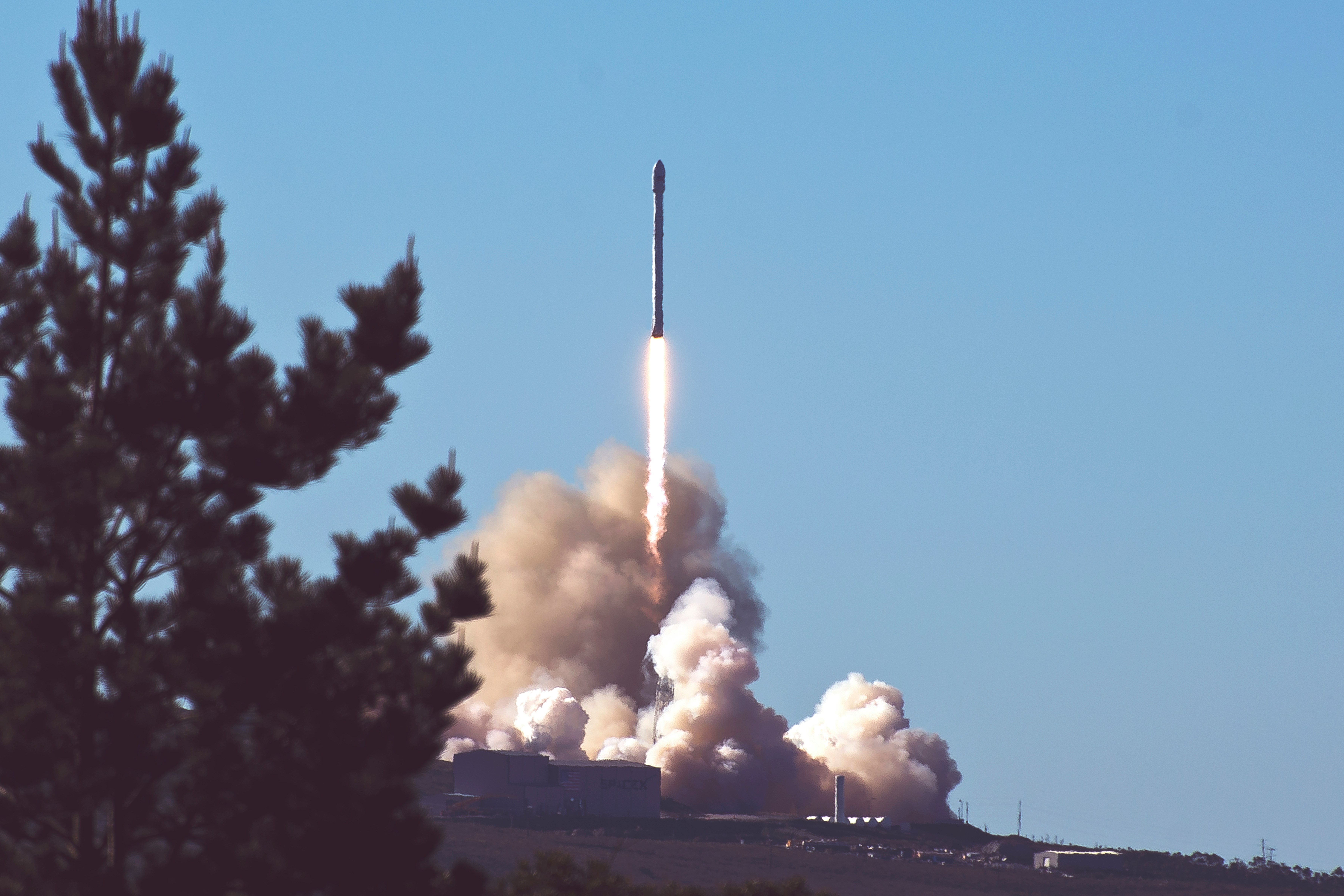
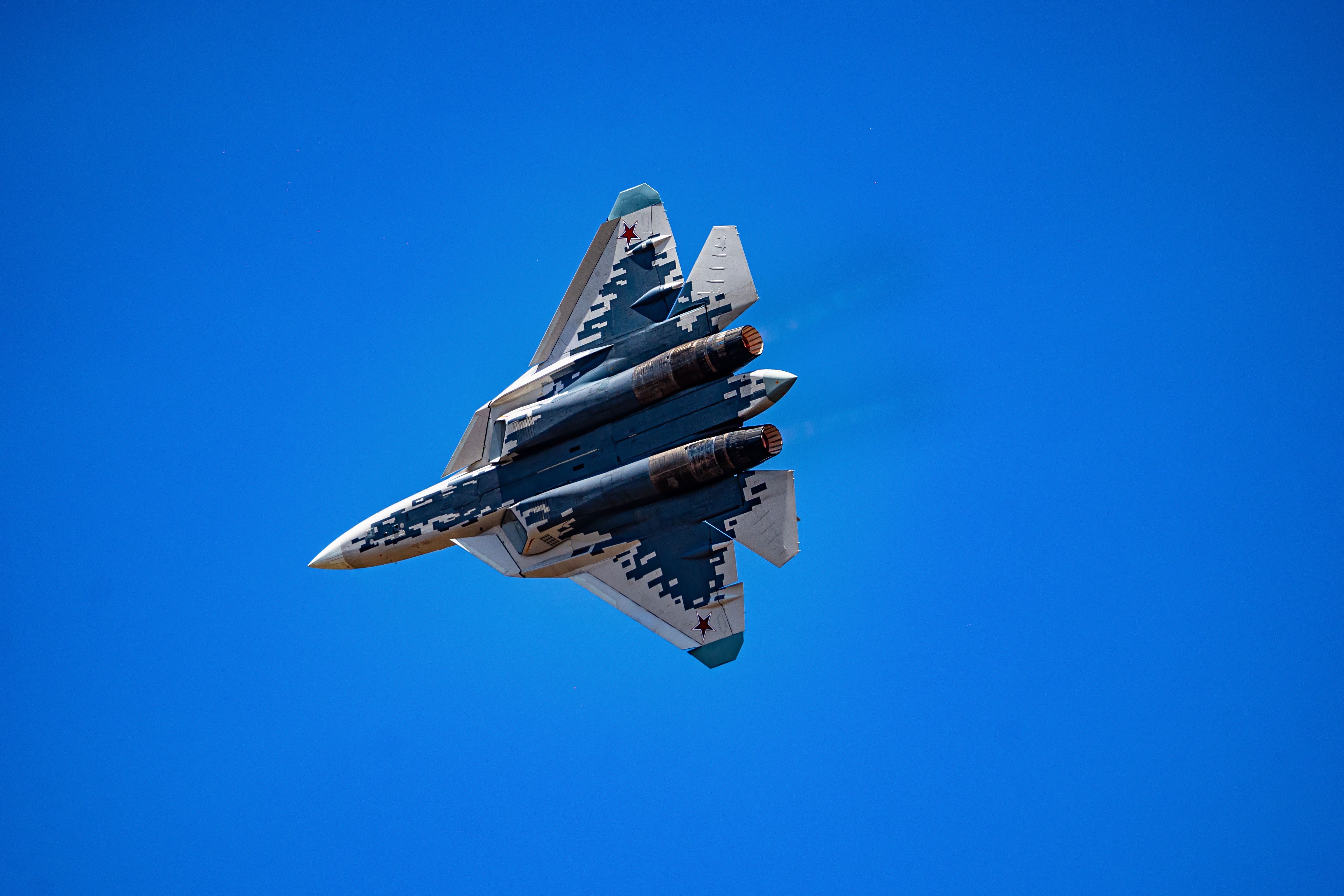
In the changing nature of modern-day war, airspace is no longer restricted to fighter jets or missile landings. The skies are now crowded like never before, changing the definition of an "aerial battlespace"- dramatically. In addition to those previously stated, aerial battles have now also been transformed by an ever-growing number of cheap and effective drones, loitering munitions, and networked missile systems. The current conflict between US and Iran shows that the skies, in terms of warfare will be controlled by technological capabilities alone. The ultimate outcome for each country will rely on their ability to integrate, adapt, and process chaos faster than their adversary can create it.
Long before the skies of West Asia were filled with swarms of drones and exchanged missiles- India faced a very similar scenario in May 2025, during Operation Sindoor. Following that success was not just a tactical victory but an indication of India’s doctrinal maturation as evidenced by the air defence capabilities developed through a combination of a well framed and networked warfare doctrine; providing a sharp contrast between US challenges in the Iran area of operations.
The story here is not one of superiority, but a case study of how India has optimised its air defence capabilities against hybrid threats as demonstrated throughout the evolving and continuing nature of war and military capabilities worldwide.
The Changing Nature of Air Defence: From Platforms to Systems
For many years, traditional air defence approaches focused on specific platforms- advanced interceptors or missile systems- as the mainstay of an effective air defence system. A model which has been followed by the United States for decades with both its Patriot and THAAD systems deployed throughout multiple theatres of war. However, today’s volatile landscape has demonstrated the limitations of these traditional models, even though drone proliferation and saturation tactics have changed the economics of air defence engagement and have created structural vulnerabilities in air defence systems.
With traditional modes of air defence engagement facing significant limitations with conventional aircrafts and unmanned vehicles- India’s experience from Operation Sindoor, provides insights into how to adjust air defence strategies in an evolving battlespace. During Operation Sindoor, India employed a multi-layered air defence architecture, using long-range, medium-and short-range air defence systems in an integrated grid where multiple air defence systems engaged threats at varied points of their trajectories, allowing them to spread the class of threats out and also allowing them to increase overall probability of interception.
Operation Sindoor: A Battlefield of Networks
Operation Sindoor was a watershed moment in the evolution of India's military. The operation had a high-intensity aerial exchange with substantial use of drones, missiles, precision strikes etc. The success of India's defence was based not only on its use of missiles but also on the networks that the missiles were integrated into.
The Integrated Air Command and Control System (IACCS) formed the core of India's air defence network; it collated data from ground-based radars, airborne sensors and civilian radar systems and created an operational picture for various command and control centres to exploit. Moreover, it accelerated the ability to detect, identify and engage a threat while reducing the response time required.
In addition to IACCS, Akashteer was the indigenous AI-enabled air defence control system developed by India. This system was developed with the intent of automating the task of detecting, tracking and engaging aerial threats, and consequently developing an operational real-time shared air picture across all of the operational units.
Akashteer's reported success during the operation included intercepting and negating incoming drones and missiles with a speed and efficiency that was indicative of the power of automated networked warfare. The importance of this integration should not be underestimated. The establishment of a unified air defence network linking the Army, Air Force and Navy enabled India to deliver "jointness" at scale, combining disparate legacy systems into a unified defensive living entity.
Layered Defence in Practice
India’s air defence during Operation Sindoor operated across multiple layers:
- Long-range systems such as the S-400 provided early engagement capability.
- Medium-range systems, including the indigenous Akash missile, formed the backbone of area defence.
- Short-range and counter-drone systems addressed low-altitude and swarm threats.
This multi-tiered architecture ensured redundancy and resilience. Even if a threat penetrated one layer, it would encounter another. The result was not merely interception, but depth in defence.
The Akash missile system, for instance, demonstrated “stellar performance” in neutralising aerial threats during the operation. Meanwhile, the integration of these systems through IACCS and Akashteer enhanced responsiveness and coordination.
In contrast, the US approach in the Iran theatre often relies on high-value systems deployed in dispersed configurations. While technologically advanced, such deployments can struggle against saturation attacks that exploit gaps in coverage or overwhelm individual systems.
The Network as the Decisive Weapon
The most important lesson that was understood post Operation Sindoor was that, the interceptor is not the decisive weapon in modern air defence, the network is.
India’s network-based strategy made the following possible:
- Sensor-to-sensor fusion of real time data
- Automated threat prioritisation
- Decentralised implementation along with centralised control
The IACCS offered a standard air situation picture, enabling commanders at different levels to respond promptly and precisely. Akashteer further improved on this by facilitating AI-based decision-making and automation.
A stark contrast of the situation is being witnessed in the US-Iran context where the number and variety of incoming threats, makes it difficult to detect and respond to the attack. Latency, which is measured in seconds, can make or break in such a landscape.
India has aimed at minimising this latency by integration- a conceptual departure that is in line with the requirements of contemporary war.
Economics of Interception: Sustainability in Conflict
Air defence is not merely a technical element- it is an economic one.
The US presence in the Middle East highlights the unsustainable nature of using expensive interceptors against low-cost threats. Each engagements carry a financial cost that, over time, can erode operational sustainability.
India’s model, by contrast, emphasizes cost-effective scalability. By combining indigenous systems such as Akash with imported platforms like the S-400, India has created a hybrid architecture that balances capability with affordability.
Moreover, the use of automation and AI reduces the need for resource-intensive human intervention, further enhancing efficiency. This approach reflects a broader strategic philosophy: preparing not just for victory in a single engagement, but for endurance in a prolonged conflict.
Sensor Fusion and Situational Awareness
Another critical dimension of India’s air defence success lies in sensor integration.
Through systems like IACCS, India incorporates data through:
• Ground-based radars
• Airborne early warning systems.
• Civilian radar networks
• Satellite inputs
This forms astratified sensor grid, which improves early warning and tracking.
In modern warfare, the ability to “see” the battlespace is as important as the ability to engage it. Early detection increases engagement windows, enhances interception success rates and reduces the risk of surprise.
The complexity of the geographical region, and the airspace congestion of the Iran theatre highlights the significance of this type of integrated sensor networks. The developments in India in this area, indicate a shift towards information dominance as one of the cornerstones of air defence.
Doctrine and Adaptation: The Indian Approach
Perhaps the greatest difference between India’s performance in Operation Sindoor and the one in the Iran theatre of the US is the difference of doctrine.
The air defence policy of India is a result of years of adjustment to a certain threat setting where:
• Cross-border terrorism
• Drone incursions
• Limited, high intensity conflicts
This has led to the formulation of a doctrine that is focused on:
• Deterrence by denial
• Service-oriented integration.
• Scalability and flexibility.
Operation Sindoor exemplified this approach. Conducted over a relatively short duration, it achieved its objectives without escalating into full-scale war, demonstrating control as much as capability.
In contrast, the US operates across multiple theatres with diverse threat profiles. While this global posture provides strategic reach, it also complicates doctrinal coherence, particularly in rapidly evolving conflict environments.
Battle-Tested Systems vs Theoretical Superiority
One of the major advantages of India’s air defence structure is that it has been tested in battle under real-life circumstances. Operation Sindoor provided a live environment to test systems like the Akash, Akashteer, and IACCS against a combination of drones, missiles, and electronic warfare challenges.
In contrast, although there are systems which may be high-tech and sophisticated, the level of operational stress put on these systems during recent wars has not been as high as those tested during Operation Sindoor.
The benefit of testing is not limited to validation; it also includes iteration. Every engagement creates data that will help improve the systems- therefore, with time, data from numerous engagements will create an almost continuous cycle of feedback which improves their effectiveness.
Lessons for the Future of Air Defence
Several important conclusions can be drawn from comparing India's success in Operation Sindoor with the challenges that the USA is facing in the Iran theatre:
- Integration is key: Different systems need to function as an integrated network.
- Canopying provides resilience: Having multiple layered defences improves resilience.
- Cost is significant: To justify defence requires economic/financial effectiveness.
- Mechanisation is essential: AI and real-time movement improve speed.
- Doctrine must change: Must adapt strategy to meet new kinds of threats.
These examples of existing military thought are representative of a larger change; military thinking has now shifted to be adaptable rather than dependent on a position of superiority.
Conclusion: The Measure of Power in a Saturated Sky
In an age where the sky is saturated not by squadrons but by swarms, the meaning of air superiority is being redefined, and Operation Sindoor has shown that air defence is no longer just about having the most advanced missile system or best radar. It also includes how effectively these elements are integrated, how quickly decisions are made, and how efficiently resources are utilized when carrying out combat operations.
India's air defence capabilities will serve as an indicator of what will be needed in warfare in the years to come- when networks overtake nodes in warfare, both human and artificial intelligence will dictate success on the battlefield.
India’s experience, in lieu of the ongoing US-Iran conflict provides a critical insight into how the US is dealing with the complexities of Iran. The interactions that occur at a level below the actual firing of weapons- the quiet operation of sensors and signals- represent the real battlespace of modern warfare. The nation that is able to see, act, and make the right strategic decision in the shortest amount of time will have a tactical edge.
(The views expressed are those of the author and do not represent the views of CESCUBE)
Photo by Tim Mossholder on Unsplash

Aavriti Chauhan is a political science and journalism graduate who is presently completing her Master’s in Political Science, with a concentrated interest in defence strategy, national security, and international relations. Shaped by her upbringing in an infantry family, she brings practical insight and a grounded understanding of military culture to her analysis. Her work examines India’s strategic challenges, military affairs, and the broader shifts defining the global security environment.