The Arctic’s Rising Strategic Value: Europe, NATO, and New Northern Sea Routes
The Arctic, commonly understood as the region north of the Arctic Circle (66° 34? N), has long existed in global imagination as a distant, frozen, and largely inaccessible space. For most of modern history, it was not a centre of economic or political activity but rather a geographic barrier isolated, inhospitable, and strategically relevant only in limited military terms. During the Cold War, its importance was tied primarily to the defence strategies of the North Atlantic Treaty Organization (NATO), particularly in safeguarding sea lines of communication and monitoring Soviet naval movements. Today, however, this perception is changing rapidly. The Arctic is no longer just a frozen frontier; it is becoming an active and contested space in global politics. The primary reason for this transformation is climate change. As rising global temperatures accelerate the melting of Arctic Sea ice, areas that were once permanently frozen are now becoming seasonally navigable. This shift is not just environmental, it is geopolitical.
An increasingly ice-free Arctic is opening new maritime routes between Europe and Asia, providing access to vast reserves of oil, natural gas, and critical minerals, and intensifying strategic competition among major powers such as the United States, Russia, and China. At the same time, it is forcing Europe and NATO to rethink their security strategies in a region that is becoming more accessible but also more unstable. This article argues that the Arctic’s rising strategic value cannot be understood through a single lens. Instead, it must be analysed as the intersection of four interconnected processes: climate change, the emergence of new shipping routes, the growing importance of natural resources and minerals, and shifting security dynamics. Importantly, it also highlights a deeper contradiction: the same climate crisis that threatens global stability is simultaneously enabling new forms of economic expansion and geopolitical competition.
Climate Change and the Transformation of the Arctic
To understand why the Arctic is becoming strategically important, it is essential to begin with climate change. The Arctic is warming at a rate significantly faster than the global average, a phenomenon often referred to as “Arctic amplification.” This has led to a dramatic decline in both the extent and thickness of sea ice over the past few decades.
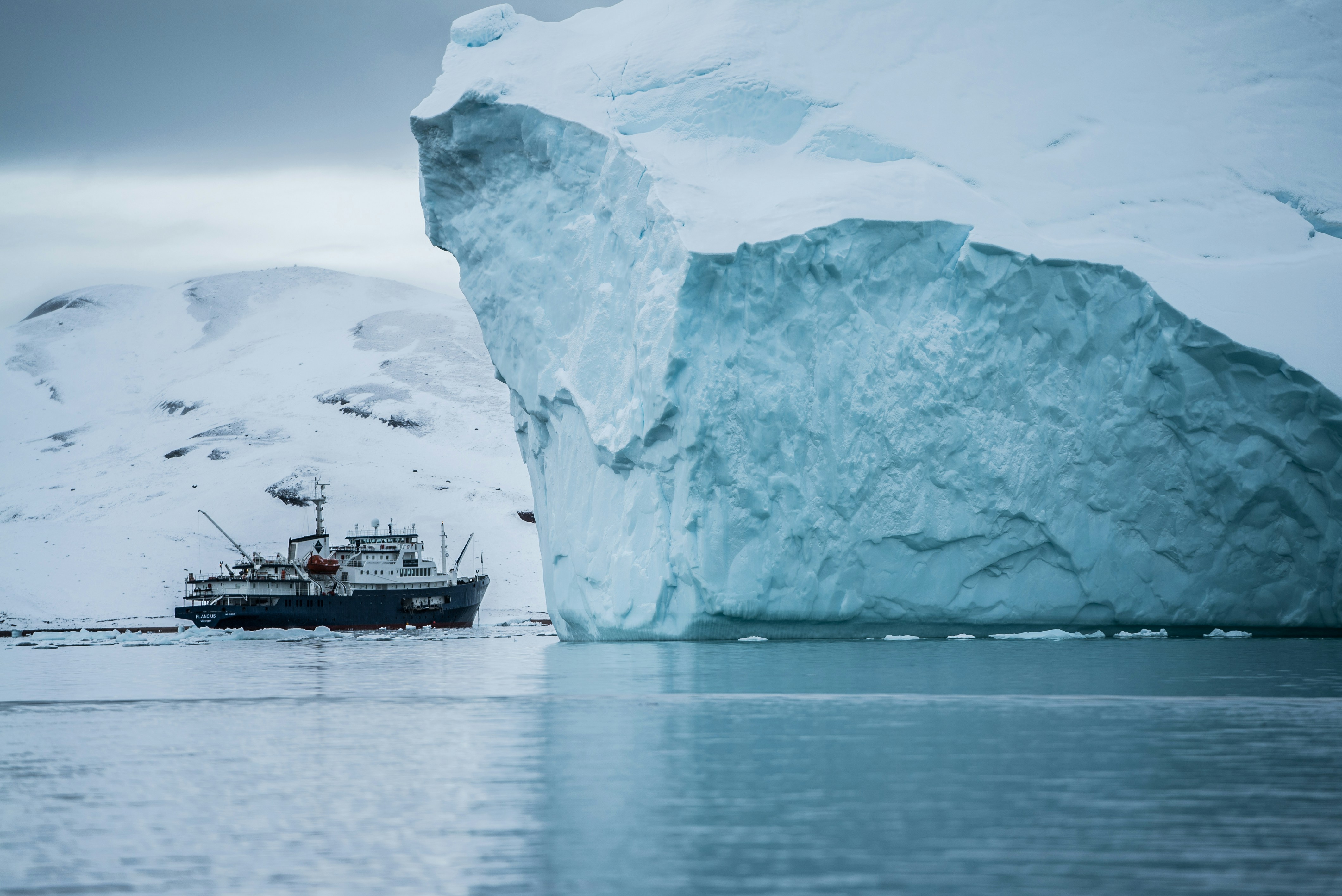
Since the 1980s, satellite data has consistently shown a downward trend in Arctic sea ice, with some of the lowest levels recorded in recent years. Scientific projections suggest that the Arctic Ocean could experience nearly ice-free summers before the middle of the 21st century.¹ While “ice-free” does not mean the complete absence of ice, it indicates conditions where large areas become navigable for ships. For someone unfamiliar with the region, this change is significant because sea ice has historically functioned as a natural barrier. It limited human activity, making large-scale shipping, resource extraction, and military operations extremely difficult. In this sense, the Arctic was “protected” by its own geography. As this barrier weakens, the Arctic is being gradually integrated into global systems economic, political, and strategic. Ships can travel through areas that were once inaccessible, industries can explore previously unreachable resources, and states can project power into new spaces.
However, this transformation is not neutral. It reflects a broader paradox. The same processes that are causing environmental damage on a global scale are also creating new opportunities for economic exploitation. In other words, climate change is not only a crisisit is also being treated as an opportunity. This raises important questions about sustainability, responsibility, and the unequal distribution of both risks and benefits.
Emerging Shipping Routes and the Reconfiguration of Global Trade
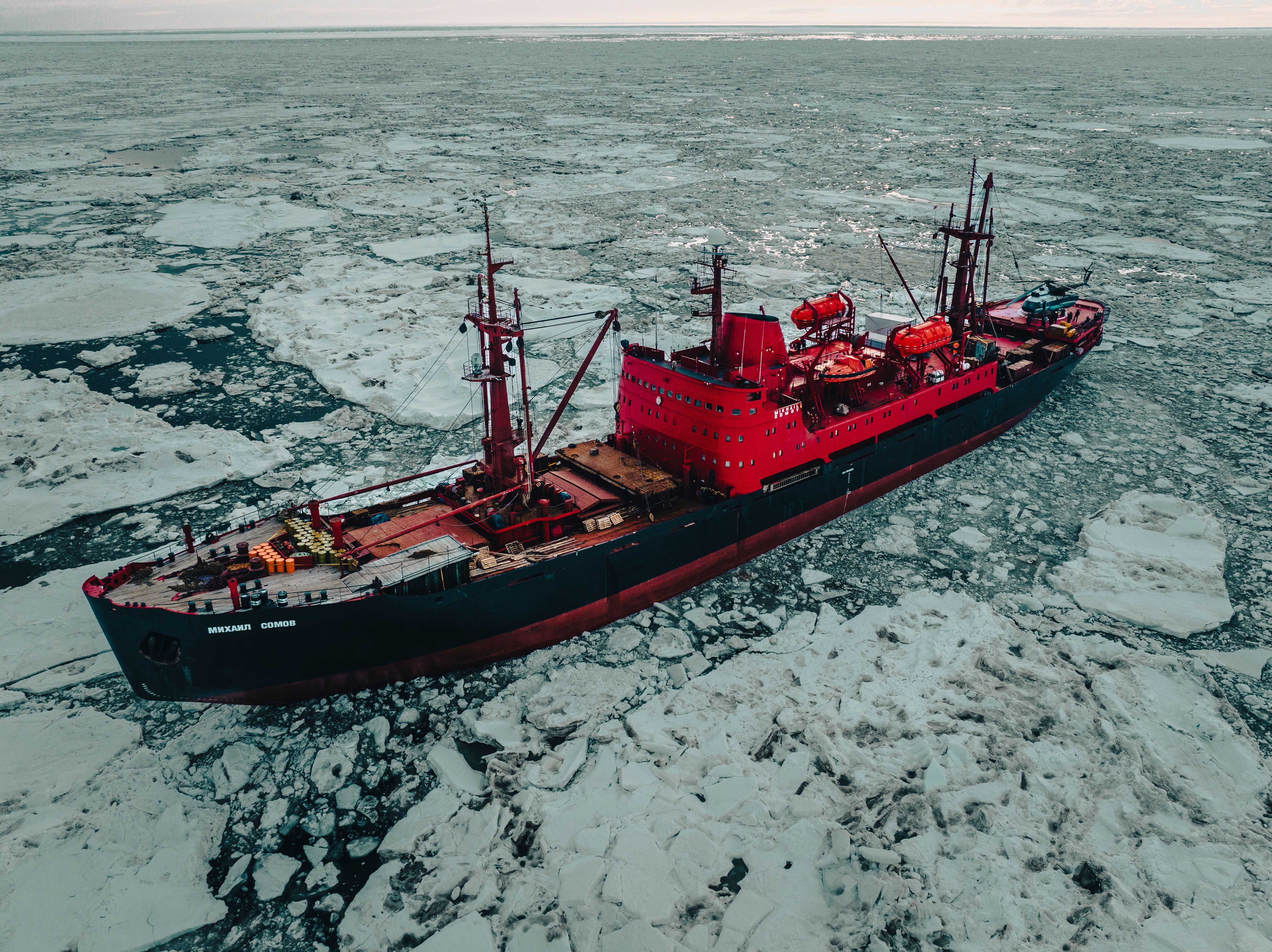
One of the most immediate consequences of melting Arctic ice is the emergence of new maritime shipping routes. These routes have the potential to significantly alter global trade patterns by reducing the distance between major economic regions. The most prominent of these is the Northern Sea Route (NSR), which runs along Russia’s Arctic coastline. For decades, this route was largely unusable due to thick ice coverage. Today, however, it is becoming increasingly viable during the summer months and, in some cases, for longer periods.
To understand its importance, it helps to compare it with existing routes. Traditionally, ships travelling between Europe and Asia pass through the Suez Canal, a major global chokepoint. The Arctic route can reduce travel distance by up to 40 percent, which translates into lower fuel costs, shorter delivery times, and potentially reduced emissions. This is not just a technical improvement, it has strategic implications. Shorter routes can reshape global supply chains, alter the importance of existing maritime chokepoints, and create new dependencies. For example, reliance on routes like the Strait of Malacca may decrease, which has implications for countries that depend on controlling or securing these areas. At the same time, the Arctic offers multiple routes. The Northwest Passage through Canada is less developed and more unpredictable, while a future Trans-Arctic Route could cut directly across the Arctic Ocean. Although the latter is not yet fully viable, its potential further highlights how dramatically global geography is changing.
However, increased shipping activity also brings risks. The Arctic environment is extremely fragile, and accidents such as oil spills would be difficult to manage due to the region’s remoteness and harsh conditions. Moreover, increased traffic contributes to environmental degradation, creating a cycle where climate change enables activity that may, in turn, worsen environmental harm.
Natural Resources, Critical Minerals, and the Politics of Extraction
Beyond shipping, the Arctic’s strategic importance is closely tied to its natural resources. The region is believed to contain a significant share of the world’s undiscovered oil and natural gas reserves. For countries like Russia, these resources are central to economic and geopolitical strategy.
Large-scale projects, particularly in areas like the Yamal Peninsula, have already begun to exploit these reserves. These developments are not just about energy they are about long-term economic positioning and global influence. In addition to hydrocarbons, the Arctic is rich in critical minerals such as nickel, copper, and rare earth elements. These materials are essential for modern technologies, including renewable energy systems, electric vehicles, and digital infrastructure. As the global economy shifts toward green energy, demand for these minerals is increasing rapidly. This creates another layer of complexity. On one hand, these resources are necessary for transitioning away from fossil fuels. On the other hand, extracting them from fragile ecosystems raises serious environmental and ethical concerns.
One of the most overlooked aspects of this discussion is the impact on indigenous communities. For many Arctic populations, the environment is not just a resource base but a way of life. Industrial expansion can disrupt traditional livelihoods, alter ecosystems, and marginalise communities that already have limited political representation. Thus, the Arctic is not just a site of resource abundance it is also a site of contestation over who benefits from these resources and at what cost.
Security Dynamics: NATO, Russia, and China
As economic and environmental changes reshape the Arctic, they are also transforming its security landscape. The region is increasingly viewed as a space of strategic competition among major powers. For NATO, the Arctic is regaining importance after a period of relative neglect following the end of the Cold War. The region is critical for monitoring military activity, protecting northern territories, and ensuring freedom of navigation. This has led to renewed military exercises, increased surveillance, and greater coordination among member states.
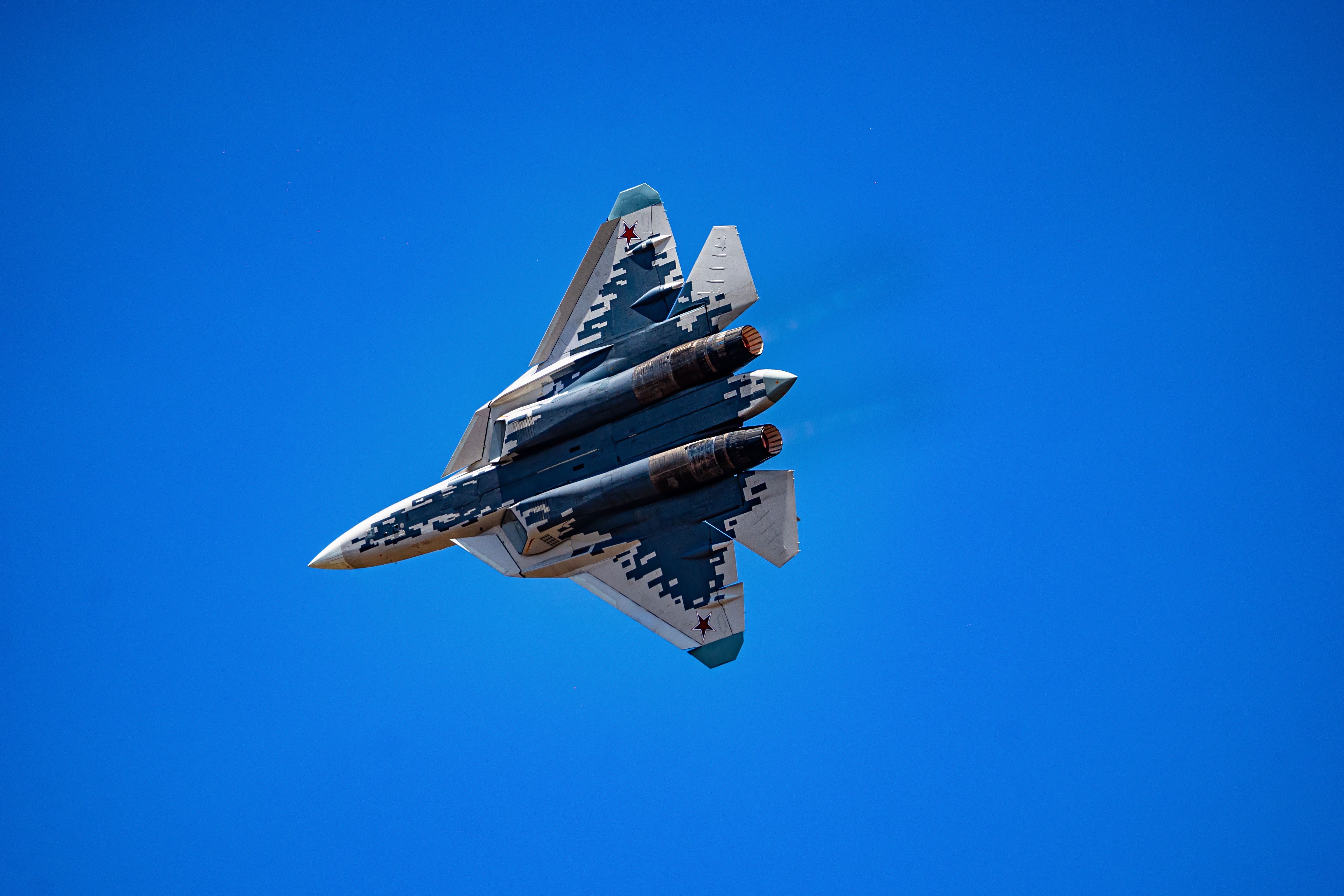
Russia, meanwhile, has taken a leading role in the Arctic. It has expanded its military presence, modernised infrastructure, and asserted control over key areas, particularly along the Northern Sea Route. From Russia’s perspective, the Arctic is not just a frontier, it is central to national security and economic development. China’s involvement adds another dimension. Although it is not an Arctic state, China has described itself as a “near-Arctic state” and has shown growing interest in the region. Its “Polar Silk Road” initiative aims to integrate Arctic routes into broader global trade networks. The increasing presence of these actors raises concerns about militarisation. The Arctic has historically been a relatively cooperative region, governed by frameworks such as the Arctic Council. However, as competition intensifies, there is a risk that cooperation may give way to rivalry. This shift is significant because it reflects a broader pattern in international politics, where emerging opportunities are quickly securitised. Instead of being treated as a shared space requiring collective management, the Arctic is increasingly being framed in terms of control, access, and strategic advantage.
Implications for Europe
For Europe, the Arctic presents both opportunities and dilemmas. On one hand, new shipping routes and access to resources could strengthen economic and strategic positioning. Countries such as Germany, which rely heavily on global trade, stand to benefit from shorter routes to Asia. On the other hand, these developments challenge Europe’s identity as a leader in climate governance. Supporting Arctic development while advocating for environmental protection creates a tension that is difficult to resolve. There are also geopolitical concerns. Changes in Arctic governance, including the growing influence of non-European powers, raise questions about Europe’s role in the region. Additionally, territories such as Greenland are gaining strategic importance, making them potential sites of external influence and competition. Ultimately, Europe must navigate a complex landscape where economic interests, environmental commitments, and security concerns are deeply intertwined.
Conclusion
The Arctic’s transformation is one of the clearest examples of how climate change is reshaping global politics. What was once a remote and inaccessible region is becoming a central arena of economic activity and strategic competition. Yet, this transformation is not simply about new opportunities. It also highlights the contradictions of the current global order. The same forces driving environmental degradation are enabling new forms of extraction and militarisation, often without adequately addressing their long-term consequences. For Europe and NATO, the challenge is not only to adapt to these changes but to do so in a way that balances strategic interests with environmental responsibility and equitable governance. Whether the Arctic becomes a model of cooperation or a site of intensified conflict will depend on how these competing priorities are managed in the years ahead.
Endnotes:
1. Blunden, M. (2012). Geopolitics and the northern sea route. International affairs, 88(1), 115-129.
2. Gricius, G., & Glesby, N. NATO and the Arctic in the 2020s. Arctic Yearbook 2025.
3. Pincus, R. (2020). Towards a new Arctic: Changing strategic geography in the GIUK Gap. the RUSI Journal, 165(3), 50-58.
4. Depledge, D. (2021). NATO and the Arctic: the need for a new approach. The RUSI Journal, 165(5-6), 80-90.
5. Rebecca Pincus, "Towards a New Arctic: Changing Strategic Geography in the GIUK Gap," 2020.
Photo by Hubert Neufeld on Unsplash
(The views expressed are those of the author and do not represent the views of CESCUBE)

Jiyaa is a second-year student at Christ University pursuing a BA in Liberal Arts with a specialization in Political Science and Global Governance. She is passionate about international relations, global policy, and social justice, and is particularly interested in how international institutions address complex global challenges. She has participated in academic exchange programs, including a summer program at the American University in Cairo (AUC), where she explored global perspectives on development and policy. She has also worked with the Rajiv Gandhi Foundation, engaging in policy discussions, storytelling, and community-focused initiatives. Through these experiences, she aims to build a career in international relations and public policy.