
Silicon Sovereignty: How Semiconductors Are Redrawing Global Power Hierarchies
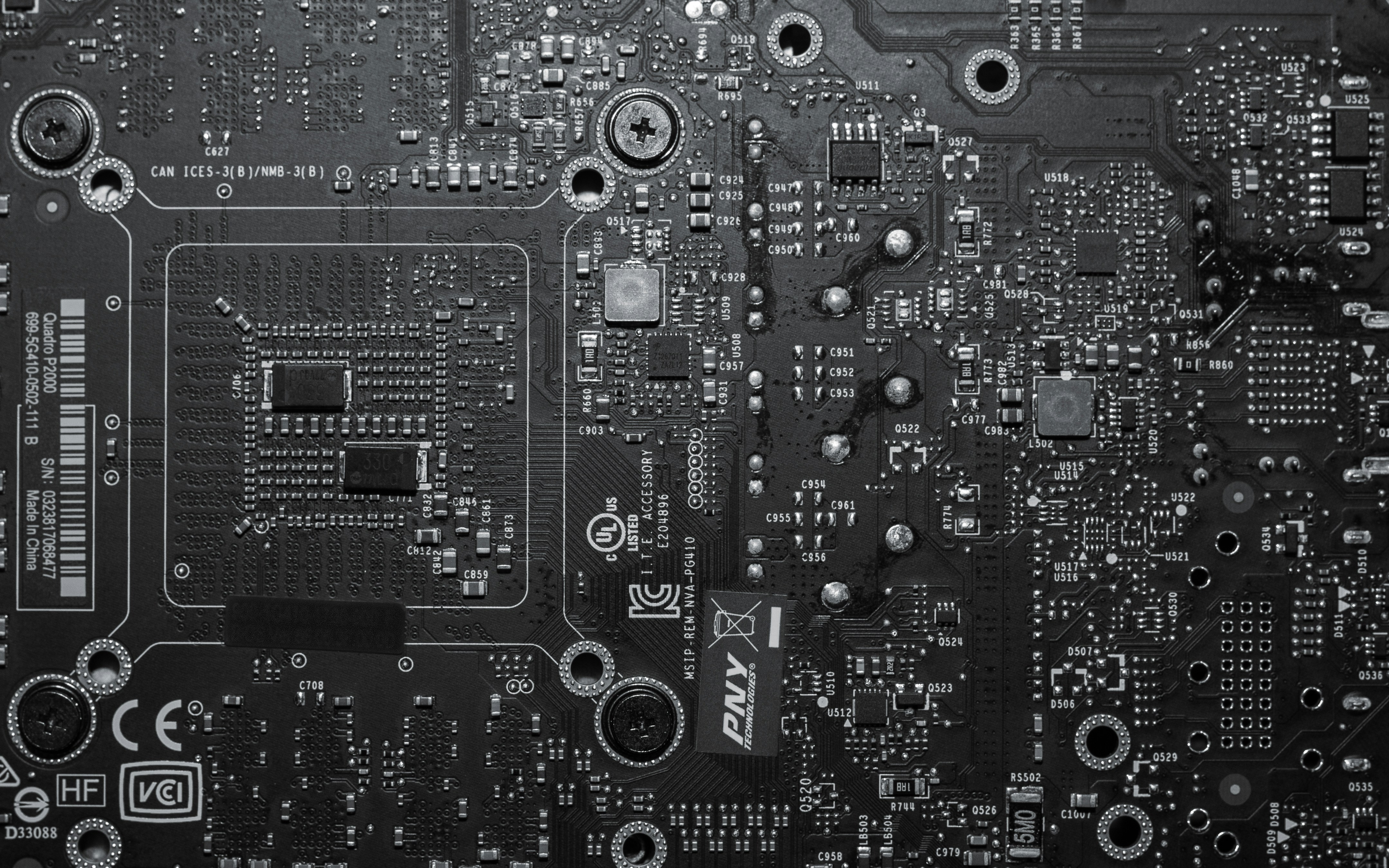
Semiconductors have emerged as one of the most strategically significant technologies of the twenty-first century, underpinning everything from artificial intelligence and advanced military systems to telecommunications, electric vehicles, and critical digital infrastructure. As states increasingly compete for technological leadership, semiconductors are no longer viewed merely as economic commodities but as instruments of geopolitical power, national security, and industrial competitiveness. The growing concentration of semiconductor production and manufacturing capabilities within a handful of countries has created new strategic dependencies and vulnerabilities, transforming global chip supply chains into key arenas of international competition.
This article explores how semiconductors are reshaping contemporary power hierarchies through what has increasingly been described as "silicon geopolitics." It examines the strategic importance of semiconductor supply chains, the intensifying technological rivalry between the United States and China, the rise of technology nationalism, and the growing relevance of middle powers such as Taiwan, South Korea, and the Netherlands within the global semiconductor ecosystem. The article also assesses India's emerging semiconductor ambitions and argues that in the digital age, sovereignty and strategic influence will increasingly be determined not only by military capabilities or natural resources, but by control over critical technologies, semiconductor ecosystems, and resilient supply chains.
Introduction
Semiconductors have emerged as one of the most significant strategic resources of the twenty-first century. Once viewed merely as components powering consumer electronics, chips today sustain artificial intelligence (AI), military systems, telecommunications, electric vehicles (EVs), financial networks, satellites, and critical digital infrastructure. The growing dependence of states on semiconductors has transformed them from economic commodities into instruments of geopolitical power. In the contemporary international system, control over semiconductor production, design, and supply chains increasingly determines technological leadership, economic resilience, and national security (Miller, 2022). The global chip shortage during the COVID-19 pandemic exposed the vulnerabilities of highly concentrated semiconductor supply chains. Major industries, particularly automotive manufacturing, experienced severe production disruptions due to limited chip availability. At the same time, intensifying strategic rivalry between the United States and China elevated semiconductors to the center of global power competition. What was once considered a highly specialized industrial sector has become a defining arena of geopolitical contestation (Semiconductor Industry Association, 2023). This article argues that semiconductors are reshaping global power hierarchies by redefining economic security, military capability, industrial competitiveness, and geopolitical influence. The emergence of “silicon geopolitics” demonstrates that future global leadership will depend not only on military strength or natural resources but also on technological sovereignty, resilient supply chains, and control over advanced semiconductor ecosystems.
Semiconductors as Strategic Assets
Semiconductors for the foundation of modern digital civilization. Virtually every advanced technological system relies on integrated circuits and microchips for processing, communication, automation, and computation. Smartphones, cloud computing, data centers, AI systems, fighter aircraft, missile guidance systems, satellites, and electric vehicles all depend on semiconductor technologies (Brown & Linden, 2020). Unlike conventional industrial goods, semiconductors occupy a unique strategic position because they combine economic, technological, and military significance. Advanced chips are essential for maintaining superiority in emerging fields such as AI, quantum computing, cyber warfare, autonomous weapons, and advanced telecommunications. As a result, semiconductor capability is increasingly viewed as an indispensable element of national power (Miller, 2022). The semiconductor industry is also characterized by exceptionally high barriers to entry. Advanced fabrication facilities require investments of tens of billions of dollars, sophisticated research ecosystems, highly skilled labor, intellectual property, and specialized manufacturing equipment. Therefore, only a handful of states and firms dominate various segments of the semiconductor supply chain. This concentration has created strategic chokepoints that can be exploited by states to exert geopolitical influence and economic coercion (World Economic Forum, 2023).
From Oil Geopolitics to Silicon Geopolitics
Historically, global power hierarchies were shaped by access to natural resources such as coal and oil. Industrial powers secured energy resources to sustain economic growth, military expansion, and geopolitical influence. However, the digital revolution is gradually shifting the basis of power from resource-rich states to technology-capable states. The concept of “silicon geopolitics” refers to the strategic competition surrounding semiconductor production, innovation, and supply chains. In the twenty-first century, states with advanced semiconductor capabilities increasingly enjoy disproportionate geopolitical influence regardless of their territorial size or population (Miller, 2022). Taiwan represents perhaps the most significant example of this transformation. Through the Taiwan Semiconductor Manufacturing Company (TSMC), the island produces the majority of the world’s most advanced semiconductors. This technological dominance has elevated Taiwan’s strategic significance far beyond its geographic size.
Similarly, the Netherlands occupies a critical position through ASML, the only company capable of manufacturing extreme ultraviolet (EUV) lithography machines necessary for producing cutting-edge chips. South Korea, through Samsung Electronics and SK Hynix, dominates global memory chip production and remains central to the global technology ecosystem (WEF, 2023). The semiconductor industry shows that geopolitical influence increasingly derives from control over critical technological ecosystems and strategic nodes within global value chains rather than merely from conventional military power or resources abundance.
Strategic Chokepoints in Semiconductor Supply Chains
The semiconductor supply chain is among the most globalized and complex industrial systems in existence. Different stages of production are concentrated in specific states, creating dependencies and vulnerabilities across the international economy. The U.S. holds an upperhand in Chip design as it is dominated by American firms such as Nvidia, AMD, Qualcomm, and Apple. Advanced manufacturing is concentrated primarily in Taiwan and South Korea. Semiconductor equipment production is controlled by a small number of firms, including ASML in the Netherlands, Applied Materials in the U.S., and Tokyo Electron in Japan. Meanwhile, packaging, testing, and assembly operations are concentrated across East and Southeast Asia. These concentrations create strategic chokepoints. Disruptions caused by conflict, sanctions, natural disasters, or political instability can resonate throughout the global economy. The Taiwan Strait has therefore emerged as one of the most geopolitically sensitive regions in the world because of Taiwan’s central role in advanced chip manufacturing (Miller, 2022). The COVID-19 pandemic exposed these vulnerabilities dramatically. Shortages of semiconductors disrupted automobile production, consumer electronic manufacturing, and industrial supply chains worldwide. The crisis highlighted the reality that even technologically advanced economies remain highly dependent on a small number of semiconductor producers (SIA, 2023).
The U.S.-China Semiconductor Rivalry
The strategic competition between the U.S. and China has transformed semiconductors into the primary battleground of technological rivalry. The U.S. increasingly views China’s technological rise as a challenge to its economic leadership, military superiority, and global influence, particularly in areas such as AI, telecommunications, and advanced manufacturing (Zenglein & Holzmann, 2019). To maintain its technological edge, Washington has implemented extensive export controls restricting China’s access to advanced semiconductor technology. These measures limit Chinese access to high-performance AI chips, semiconductor manufacturing equipment, and advanced lithography technologies. The U.S. has also coordinated with allies such as the Netherlands and Japan to tighten restrictions on semiconductor exports to China (Miller, 2022). China, in response, has increased efforts toward technological self-reliance through initiatives such as “Made in China 2025”. The Chinese government has invested hundreds of billions of dollars in domestic semiconductor manufacturing, research, and industrial development. While China has made considerable progress, it continues to face challenges in acquiring advanced fabrication technologies and high-end semiconductor equipment (Zenglein & Holzmann, 2019). The U.S.-China semiconductor rivalry shows how technological competition increasingly shapes international relations. Control over advanced chips is now directly associated with economic competitiveness, military modernization, and geopolitical influence.
Economic Security and National Security
The Semiconductor revolution has blurred the distinction between economic security and national security. Modern economies depend heavily on semiconductors for critical infrastructure, telecommunications networks, healthcare technologies, financial systems, transportation, and energy management (WEF, 2023). Military systems are particularly dependent on advanced semiconductors. Fighter aircraft, missile defense systems, drones, satellites, radar systems, and cyber warfare platforms require sophisticated chips for precision targeting, data processing, communication, and automation. Fifth-generation fighter aircraft such as the F-35 integrate advanced semiconductor systems to manage sensors, weapons platforms, and real-time battlefield information (Brown &Linden, 2020). Similarly, the development of autonomous weapons systems, AI-enabled warfare, and cyber capabilities depends on access to high-performance processors. States that lack access to advanced semiconductor technologies risk falling behind in military modernization and future warfare capabilities (Miller, 2022). Therefore, governments increasingly view semiconductor policy as a core component of national security planning rather than merely industrial policy.
Rise of Tech Nationalism and Industrial Policy
The growing strategic significance of semiconductors has contributed to the rise of “tech nationalism”, whereby states actively intervene in technology sectors to secure strategic advantages and reduce vulnerabilities. The U.S. enacted the CHIPS and Science Act in 2022, allocating approximately $52.7 billion to support domestic semiconductor manufacturing and research. The legislation seeks to reduce dependence on overseas production and strengthen U.S. technological competitiveness. Similarly, the European Union launched the European Chips Act to expand semiconductor manufacturing within Europe. Further, Japan, South Korea, and India have introduced similar initiatives aimed at developing domestic semiconductor ecosystems and attracting investment in fabrication facilities, research centers, and supply chain infrastructure. These policies reflect a broader recognition that semiconductor capability is essential for economic resilience, technological leadership, and strategic sovereignty. However, increasing protectionism and export controls also risk fragmenting the global semiconductor ecosystem, increasing production costs and accelerating technological bifurcation between competing geopolitical blocs (WEF, 2023).
Electric Vehicles and the Semiconductor Revolution
The global transition from internal combustion engine vehicles to electric vehicles has significantly increased demand for semiconductors. EVs are substantially more dependent on electronics than conventional automobiles, making semiconductor availability central to the future of transportation. Electric vehicles rely on semiconductors for battery management systems, power electronics, motor control, sensors, connectivity, infotainment systems, and advanced driver assistance systems (ADAS). Advanced materials such as silicon carbide (SiC) and gallium nitride (GaN) are increasingly used because they improve energy efficiency and reduce power loss (Brown & Linden, 2020). In many ways, modern electric vehicles can be described as “computers on wheels”. As transportation becomes increasingly digitalized, semiconductor capabilities will become a major determinant of industrial competitiveness and technological leadership. China currently dominates global EV production and battery supply chains while simultaneously investing heavily in semiconductor self-sufficiency. The U.S. and European states are also expanding domestic semiconductor manufacturing to secure their future positions in the EV industry (Zenglein & Holzmann, 2019). The intersection of semiconductors, EVs, and critical minerals has therefore created a new form of resource geopolitics that will form industrial competition in the years ahead.
Strategic Autonomy in the Age of Technological Interdependence
Conventional understandings of strategic autonomy have largely focused on military capability, defence preparedness, and freedom of action in foreign policy. However, contemporary geopolitical realities show that strategic autonomy extends far beyond defence relations. In an increasingly interconnected world, national sovereignty is shaped by technological dependencies, critical mineral supply chains, digital infrastructure, and access to advanced manufacturing capabilities. States that remain dependent on foreign suppliers for semiconductors, telecommunications technologies, rare earth minerals, batteries, or critical digital infrastructure face significant vulnerabilities that can constrain strategic decision-making. The semiconductor sector particularly, shows this transformation clearly. Dependence on foreign chip manufacturers, fabrication equipment, or software can expose states to sanctions, export controls, supply disruptions, and geopolitical pressure. The U.S. restrictions on China’s access to advanced semiconductors reveals how technological dependencies can influence national development pathways and strategic choices. Simultaneously, the transition toward electric vehicles, renewable energy technologies, AI, and advanced computing has increased the significance of critical minerals such as lithium, cobalt, nickel, graphite, and rare earth elements. Access to these resources has become a major component of national resilience and industrial competitiveness. Consequently, strategic autonomy in the twenty-first century can no longer be acknowledged solely through military self-reliance. It must also cover technological sovereignty, semiconductor capability, secure access to critical minerals, resilient supply chains, and domestic innovation ecosystems. States that successfully reduce vulnerabilities across these sectors will possess greater freedom to pursue independent foreign and security policies in an increasingly competitive and anarchic international system (Waltz, 1979).
Role of Middle Powers
One of the most significant consequences of silicon geopolitics is the rise of middle powers possessing specialized technological capabilities. Taiwan, South Korea, and the Netherlands exercise influence disproportionate to their geographical size because of their positions within the semiconductor ecosystem (Miller, 2022). Taiwan’s dominance in advanced chip fabrication has made it crucial to the global technology industry. South Korea’s leadership in memory chips strengthens its position within international technology markets. Meanwhile, the Netherlands’ monopoly over EUV (Extreme Ultraviolet) lithography technology through ASML gives it extraordinary strategic relevance. ASML is currently the only company in the world that designs and manufactures these EUV lithography systems. These cases reveal that technological specialization can provide states with a strategic edge. In the digital era, strategic importance increasingly derives from control over critical technologies rather than territorial expansion or conventional military strength alone.
India’s Semiconductor Opportunity
India has recognized the strategic significance of semiconductors and launched initiatives aimed at developing domestic capabilities through the India Semiconductor Mission and production-linked incentive schemes. These policies seek to attract investment in fabrication, assembly, testing, packaging, and semiconductor design. Although India currently lacks advanced fabrication capabilities, it possesses significant advantages in software engineering, chip design, and a large pool of skilled technical professionals. Global efforts to diversify semiconductor supply chains away from excessive dependence on China and Taiwan also create opportunities for India to emerge as an important participant in the global semiconductor ecosystem. India’s rapidly expanding EV market further increases the strategic significance of semiconductor development. As India accelerates its digital transformation and energy transition, domestic semiconductor capabilities will become increasingly important for economic growth, technological competitiveness, and national security. However, substantial challenges remain. High capital costs, infrastructure constraints, technological barriers, and intense international competition will require sustained long-term investments in research, education, innovation, and industrial capacity building.
Conclusion
Semiconductors have become the foundation of contemporary geopolitical power towards a large extent. They are no longer merely economic commodities but strategic assets central to military capability, digital infrastructure, AI, advanced manufacturing, and industrial competitiveness. The rise of silicon geopolitics reflects a broader transformation in the international system in which technological capability increasingly determines national power. The semiconductor industry’s concentrated supply chains, strategic chokepoints, and technological barriers have intensified geopolitical competition, particularly between the U.S. and China. At the same time, the transition toward EVs, AI, renewable energy systems, and advanced military technologies is increasing global dependence on semiconductors. In response, states are pursuing semiconductor sovereignty through industrial policy, subsidies, supply chain diversification, and technological innovation. Middle powers possessing critical semiconductor capabilities are gaining an unparalleled geopolitical edge, while emerging economies such as India seek to adapt and position themselves within evolving global value chains. Ultimately, the future international order may be shaped not merely by who controls oil reserves or military assets, but by who controls the technologies, semiconductor ecosystems, critical minerals, and supply chains that power the digital economy. In the twenty-first century, sovereignty will increasingly be measured in silicon.
References
1.Brown, C., & Linden, G. (2020). Chips and Change: How Crisis Reshapes the Semiconductor Industry. MIT Press.
MIT Press Book Page – Chips and Change (MIT Press)
2.Miller, C. (2022). Chip War: The Fight for the World's Most Critical Technology. Scribner.
3.Semiconductor Industry Association. (2023). 2023 State of the U.S. Semiconductor Industry.
2023 State of the U.S. Semiconductor Industry (Semiconductor Industry Association)
4. United States Congress. (2022). CHIPS and Science Act of 2022.
CHIPS and Science Act (Congress.gov)
5. World Economic Forum. (2023). The Global Semiconductor Value Chain: Risks and Opportunities in an Uncertain World.
WEF Report – Global Semiconductor Value Chain
6.Zenglein, M. J., & Holzmann, A. (2019). Evolving Made in China 2025: China's Industrial Policy in the Quest for Global Tech Leadership. MERICS.
MERICS Report – Evolving Made in China 2025 (merics.org)
7.Waltz, K. N. (1979). Theory of International Politics. McGraw-Hill.
(The views expressed are those of the author and do not represent the views of CESCUBE)
Photo by Albert Stoynov on Unsplash

Mukund Menon is a postgraduate in International Studies from Christ (Deemed to be University), Bengaluru, and holds a triple-major undergraduate degree in English, Political Science, and History from the same institution. His academic interests centre on International Relations, geopolitics, strategic studies, and history. He is passionate about research and academic writing, with a particular focus on contemporary global affairs, foreign policy, and emerging geopolitical dynamics. He served as a Research Intern at the SAARC Secretariat, Kathmandu, in 2025, where he engaged with issues related to regional cooperation and South Asian affairs. Through his scholarly pursuits and writings, he aims to contribute analytical perspectives to discussions surrounding international politics and the evolving global order.