The Negative Impact of US–Iran War on the Pacific Region
The consequences of major conflicts are rarely confined to the regions in which they occur. While the US–Iran conflict is centred in the Middle East, its effects have already begun to reverberate across distant regions through disrupted supply chains, volatile energy markets, rising transportation costs, and growing economic uncertainty. For the Pacific Island Developing Nations (PIDNs), whose economies depend heavily on imported fuel, tourism, international trade, and external development assistance, these shocks pose significant economic and social challenges.
This article examines how the US–Iran conflict could affect the Pacific region despite the vast geographical distance separating the two. It analyses the implications of rising energy prices, inflationary pressures, disruptions to maritime trade, healthcare vulnerabilities, tourism losses, and shifting donor priorities. The article argues that in an increasingly interconnected world, distant wars can produce profound local consequences, particularly for small and vulnerable economies. As geopolitical tensions reshape global markets and strategic calculations, the Pacific Islands face the challenge of strengthening resilience while navigating an increasingly uncertain international environment.
The United States-led war against Iran that began on the 28 February 2026, has emerged to be as one of the most, arguably, devastating geostrategic and geopolitical crises of the 21sth century. The “unprovoked” and “illegal” war wedged on another United Nations-member country has disrupted global supply chain, affected global energy markets, challenged international shipping lines and brought panic and uncertainty in the already fragile global economy.
Despite the recent 14-point Memorandum of Understanding (MOU) signed between the United States (US) and Iran to permanently end the war, lift the US naval blockade and reopen the Strait of Hormuz, the durability of the agreement remains uncertain. The possibility of a renewed conflict cannot be ruled out, especially in light of Israel’s apparent dissatisfaction with the terms and conditions of the MOU.
If the war resumes this time between Iran and Israel, the global economy could move closer to a recession, with consequences potentially more severe and long-lasting than those experienced during the 2008 global financial crisis. The disruption of energy supplies, instability in global financial markets and interruptions to international trade routes would likely generate significant economic shocks across both developed and developing economies.
Furthermore, in today’s interconnected and interdependent globalised world (Keohane and Nye, 2012), distant wars and financial crises no longer remain limited to one specific geographical location. Instead, the socio-economic and financial ramifications are felt globally. The rapid pace of globalisation and subsequent interconnectedness witnessed since the late 20th century and throughout the early 21st century have significantly transformed economic, political and social relationships across the world. The world has essentially become a ‘global village’ where wars in one part of the world can rapidly and negatively impact economies, bilateral trade and commerce, energy markets, peace and stability worldwide regardless of geographical distance (Leask, 2026). Even regions spatially remote from a war zone will feel the indirect consequences substantially. Thus, global peace means global prosperity, while wars and conflicts mean global insecurity, poverty, famine and disasters (Davis and Negroponte, 2012).
According to a recent report by the United Nations World Food Programme (UNWFP), the agency projects that more than 45 million people in at-risk countries could fall into acute food insecurity if the US war against Iran continued for long and the fossil fuel prices remained high (WFP, 2026). In the same report, the UN body has warned that the war could trigger a severe food crisis in vulnerable countries and put millions of people at risk of hunger due to the far-reaching humanitarian implications of a prolonged warfare. In aid dependent and cash-starved countries such as Somalia and Afghanistan 6.5 million and 17.4 million people respectively are expected to face severe hunger in 2026. It is also argued that “an additional 2.5 million people in Somalia and a similar number in Afghanistan could be unable to afford a basic food basket” (Mohamed, 2026).
For the Pacific Islands Developing Nations (PIDNs), the US–Iran war is not a distant conflict. Its effects are already being felt through higher energy costs, trade disruptions, inflationary pressures and increased geopolitical uncertainty. Although the PIDNs is geographically far from the conflict zone, the region’s dependence on imported fossil fuel, tourism and foreign aid makes it vulnerable to global shocks arising from the current war. The “net oil and gas imports are generally between 5–15% of GDP among Pacific Island countries” (Rajah, 2026). Only Papua New Guinea and Timor-Leste are energy exporters amongst lower income countries.
Furthermore, the most immediate impact of the war on the PIDNs is the sudden increase in fossil fuel and natural gas prices, which will impact low-income families immediately. The Pacific region is also vulnerable to global oil shocks because of its “lack of domestic oil production and very limited storage capacity” (Howes and Chowdhury, 2026). Not to mention that the region meets 80% of its energy requirements through oil (UN, 2022). The war will also reverse decades of development gains in the PIDNs, which would consequently increase the number of people living below the poverty line.
The US-Iran war has not only contributed to higher energy prices but also disruption in global supply chain, which has led to rising food and transportation costs. It is argued that “rerouting tankers and container ships raises freight and insurance costs and lengthens delivery times” (Adrian, et.al., 2026). Given the region’s heavy dependence on imported livelihoods, these shocks disproportionately affect vulnerable populations. Households with limited incomes are often forced to reduce spending on food, healthcare and education, which will exacerbate poverty and social inequality. If the war continues, the resulting cost-of-living crisis could significantly undermine economic growth and development efforts across the PIDNs.
The US-Iran war also severely disrupted shipping through the Strait of Hormuz, which is a strategic waterway through which 20% of global oil supply transits (Butler, Mann and Jackson, 2026). Since the outset of the war, export of fossil fuel, Liquified Natural Gas (LNG) and other essential commodities from the Middle East have decreased markedly. This supply chain disruption has created commodity shortages and markets volatility. Most PIDNs import almost all of their fossil fuel, LNG and other essential goods. As a result, a push up in fossil fuel prices will disproportionately increase the cost of power generation, public transportation, national and international shipping, aviation services and subsistence agricultural productions.
Pacific nations such as Kiribati, Fiji, Samoa, Tonga, Niue, Solomon Islands, Tuvalu and others are particularly vulnerable due to their heavy dependence on imported fossil fuel, which is essential for their economic activity and public services (Nicholas, Nataro and Sefeti,2026). An increase in oil and gas prices will place additional pressure on the meagre economies and household incomes. Not to mention that rising prices will also force companies to lay off a big percentage of their workforce, which will lead to unemployment, poverty and social insecurity.
In addition, the war will also have a huge indirect impact on the health sector across the Pacific region due to their health sector being heavily dependent on imported medicines and medical equipment. When the oil price goes up, it will have a domino effect on high transportation costs. As a result, many low-income families will not able to afford imported medicines and other medical services. Many PIDNs use imported fossil fuel to power hospitals, clinics, ambulances and medical supply chains. When fuel prices soar, the operational costs of health facilities will also soar. As a result, it will then become more expensive to transport medicines, vaccines and medical personnel to remote and outer islands.
The war will also cause delays in the delivery of essential medicines and medical equipment. PIDNs are already grappling with numerous socio-economic challenges due to their geographical isolation, being sea-locked and far from main international markets. Any further disruptions could lead to shortages of critical medical supplies, which would affect the quality and availability of healthcare services. Vulnerable populations, including low-income families, children, the elderly and people living with disabilities, are likely to be disproportionately affected. Reduced access to healthcare can lead to poorer health outcomes and increased disease burdens (WHO, 2026).
The economic consequences of the war will also place pressure on government budgets. As governments allocate more funds to address rising cost of living and many economic challenges, less funding will be left for healthcare programmes, infrastructure development, disease prevention projects and workforce training and development (UNDP, 2026). This would, arguably, weaken healthcare systems and slow progress towards achieving national and regional healthcare goals.
Additionally, economists argue that if the US-Iran war resumes, this will divert donor community’s attention and development aid away from the Pacific region. Many Pacific health programmes depend on support from the donor community. If donor nations channel capital towards their security and military priorities, funding for healthcare initiatives, social development projects and capacity-building programmes in the Pacific will dwindle considerably. For low-income families, cessation of funding for humanitarian and social development projects in the Pacific region will reduce purchasing power, which will worsen poverty alleviation initiatives, increase food insecurity and shortage in many other essential goods. These shortages without a doubt would cause transnational mass migration, which would then trigger various types of civil strife and social insecurity in the recipient nations due to overburdening of the already shrinking resources.
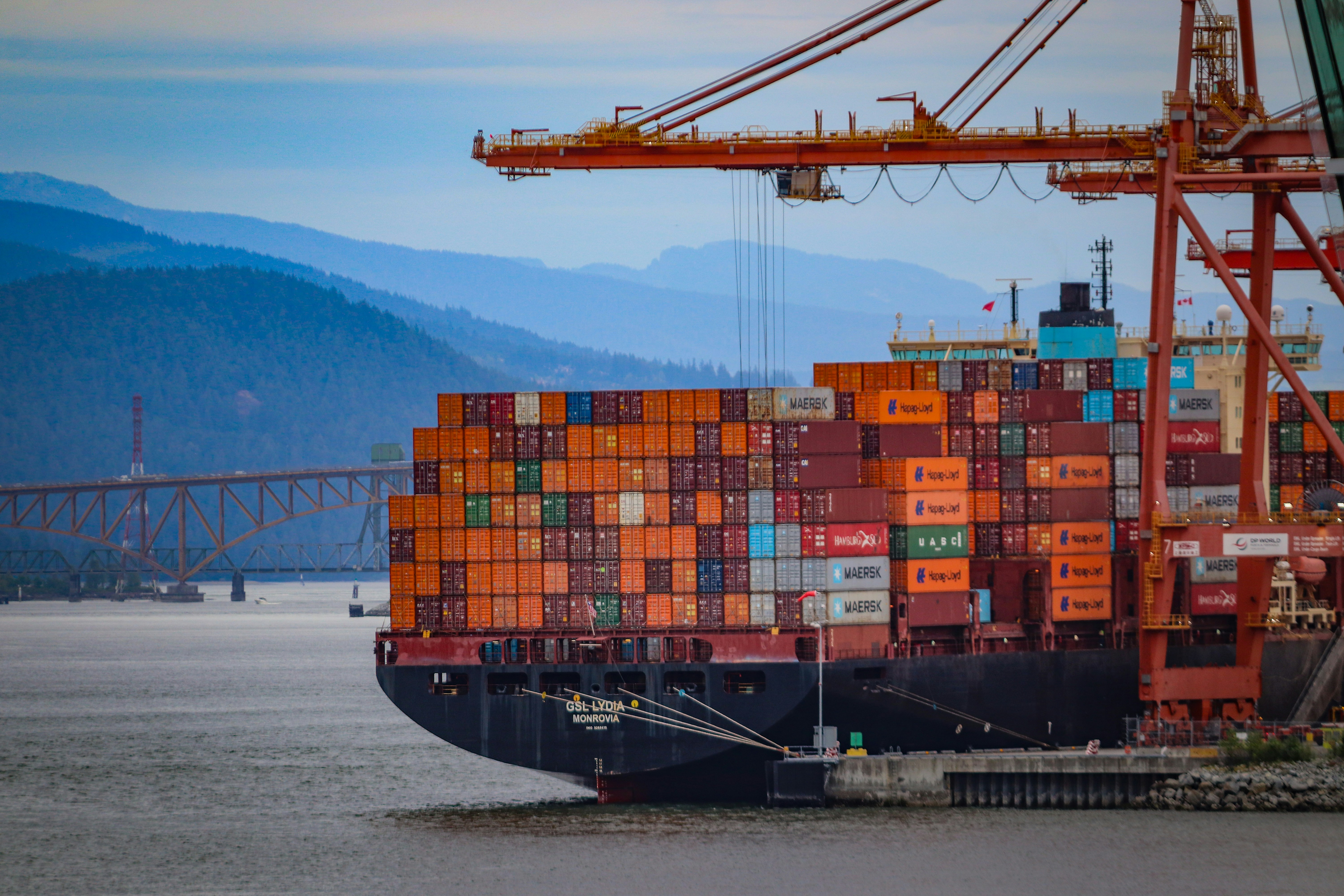
The war has also negatively impacted maritime trade and commerce by increasing shipping risks and insurance premiums. Shipping companies operating through the Strait of Hurmuz face uncertainty, which has resulted in delays and higher freight costs (Gourinchas, 2026). Even before the initiation of the war, PIDNs were grappling with the highest merchandise costs due to their remoteness from the international markets. However, with the inception of the war, the region has come across numerous challenges such as delayed imports, reduced availability of essential commodities, higher freight charges and supply shortages of critical goods. These challenges will negatively affect businesses, provision of social services and vulnerable peoples throughout the Pacific region.
In addition, tourism is one of the largest sectors in the Pacific region as it remains a major source of income and employment for many PIDNs. Given that the war contributes to global economic uncertainty and higher aviation fuel costs, it will make international travels more expensive. As a result, the Pacific region will witness reduced tourist footfalls on their shores, dwindling tourism-generated revenues, mass layoffs in hospitality and tourisms sectors and lower foreign exchange earnings. Given that many countries in the region heavily depend on tourism, they will experience slower economic growth rate if global travel demands weakens.
In today’s interconnected and interdependent world, wars will no longer remain confined in one particular region. Instead, the negative consequences of wars will be felt, sometimes unevenly, throughout the world. The “shock is global, yet asymmetric. Energy importers are more exposed than exporters, poorer countries more than richer ones, and those with meager buffers more than those with ample reserves” (Adrian, et.al., 2026). The negative fallout of the US-Iran war in the Pacific region will be lower foreign direct investment which will only increase financial volatility. Since there will be no incentives to make sectoral investments, foreign investors will either delay the implementation of their projects during periods of uncertainty or stop operations completely. The war has already raised concerns about inflation, slower growth and recession risks in many developed nations. For PIDNs, this environment will result in reduced foreign direct investment, cessation of social development projects, increase in the level of borrowing which could easily surpass the national gross domestic product (GDP) and weaker private sector growth. These financial and economic shifts could hinder long-term life-saving humanitarian and development projects across the region.
Many PIDNs rely on foreign aid and concessional loans to fund climate adaptation initiatives and social development projects to spur economic growth, support health and education programmes. A prolonged war and long-term commitment to fund such a war will divert financial and political attention toward military and security priorities. If traditional donors redirect funds towards the war, Pacific development programmes could face funding shortfall which will without a doubt blunt progress towards achieving sustainable development goals.
At the international relations (IR) level, the Pacific region is currently facing geopolitical and security challenges. It is obvious that the US-Iran war, besides impacting global markets negatively, is also influencing global strategic competitions. Given that regional and global powers have pivoted on the Middle East and their broader security calculations, the Pacific region will face increased pressure to align with competing geopolitical interests. This situation may complicate foreign policy decisions, increase regional security concerns and shift attention away from Pacific priorities such as climate change and sustainable socio-economic development.
For many Pacific nations, maintaining neutrality and strategic autonomy may become more difficult in an increasingly polarised world where the old international rules-based order is shifting and a multipolar world order is emerging (Michael.2023). However, IR pandits suggest a strategic non-aligned foreign policy combined with proactive regional diplomacy. Instead of choosing sides or playing competing global powers against each other (Salem, 2020), PIDNs could pursue a balanced, independent and development-oriented foreign policy that prioritises national sovereignty, climate action, regional cooperation and sustainable socio-economic development. By adopting such a foreign policy, the argument goes, the region will not only engage with regional and extra-regional powers in a meaningful way, but also safeguard its interests and regional identity.
In conclusion, the US war against Iran demonstrates how wars in distant regions can have profound consequences for remotest parts of the world such as the Pacific region. In a globalised world that we are in, the flames of wars will directly and indirectly engulf everybody irrespective of geographical distance.
Economically, the rising fossil fuel prices, steady inflation rise, supply chain disruptions, reduction in the number of foreign tourists, declining foreign direct investments and growing geopolitical tensions pose a huge socio-economic and political challenges to the Pacific region. Given the region’s heavy dependence on imported energy and international trade networks, PIDNs remain exceptionally vulnerable to external shocks. Thus, boosting renewable energy, diversifying economic activities and enhancing regional cooperation will be key for building resilience against future global crises and global economic shocks.
References
1. Adrian, Tobias, et.al.2026. “How the War in the Middle East Is Affecting Energy, Trade, and Finance?” International Monetary Fund, 30 March 2026. https://www.imf.org/en/blogs/articles/2026/03/30/how-the-war-in-the-middle-east-is-affecting-energy-trade-and-finance.
2. Butler, Gavin, Mann, Toby and Jackson Patrick.2026. “Why the Strait of Hormuz matters so much in the Iran war.” BBC, 8 April 2026. https://www.bbc.com/news/articles/c78n6p09pzno.
3. Dixon, Violet.2008. “Understanding the Implications of a Global Village.” Reason and Respect: 4 (1): 1-6. Available at: http://docs.rwu.edu/rr/vol4/iss1/13.
4. Edna Mohamed.2026. “US-Iran war pushing millions into food crisis, warns UN.” Aljazeera English, 3 June 2026. https://www.aljazeera.com/news/2026/6/5/us-iran-war-pushing-millions-into-food-crisis-warns-un.
5. Gourinchas, Pierre-Olivier.2026. “War Darkens Global Economic Outlook and Reshapes Policy Priorities.” International Monetary Fund (IMF), 14 April 2026. https://www.imf.org/en/blogs/articles/2026/04/14/war-darkens-global-economic-outlook-and-reshapes-policy-priorities.
6. Howes, Stephen and Chowdhury, Rubayat.2026. “The Pacific and the Iran war.” Development Policy Centre, 6 March 2026. Link: https://devpolicy.org/the-pacific-and-the-iran-war/.
7. Khogalia, Alhadi and Badrib, Elsara.2026. “War economies and collapsing health systems.” The Lancet, 407 (10537), 1421-1422.
8. Leask, Hugh.2026. “OECD warns of global slowdown as U.S.-Iran war stymies economic growth prospects.” CNBC, June 3. https://www.cnbc.com/2026/06/03/oecd-warns-of-global-slowdown-as-iran-war-stymies-growth-prospects-.html.
9. Michael, A. Peters.2023. “The emerging multipolar world order: A preliminary analysis.” Educational Philosophy and Theory, 55 (14), 1653–1663. https://www.tandfonline.com/doi/epdf/10.1080/00131857.2022.2151896?needAccess=true. DOI:10.1080/00131857.2022.2151896.
10. Nicholas, Josh, Nataro, Ivamere and Sefeti, Sera.2026. “From Fiji to French Polynesia, how Pacific islands are uniquely vulnerable to the oil crisis.” The Guardian, 22 May 2026. https://www.theguardian.com/world/2026/may/22/pacific-islands-oil-crisis.
11. Rajah, Roland.2026. “The economic fallout of the Iran war for Indo-Pacific developing countries: The Iran war isn’t just a Middle East crisis.” The Lowy Institute, 10 March 2026. https://www.lowyinstitute.org/the-interpreter/economic-fallout-iran-war-indo-pacific-developing-countries.
12. Robert, Keohane, O., and Joseph, S. Nye .2012. Power and Interdependence, 4th ed. Longman Pearson.
13. Robinson, Davis and Negroponte, John.2012. “Partnership for Regional Prosperity and Global Peace.” A, 37, 341. https://scholarlycommons.law.case.edu/cuslj/vol37/iss2/6.
14. Salem, Saber.2020. “Chinese Foreign Aid to Fiji: Threat or Opportunity.” 56 (2). https://journals.sagepub.com/doi/abs/10.1177/0009445520916875.
https://doi.org/10.1177/00094455209168.
15. UNDP.2026. “Military Escalation in the Middle East: Human Development Impacts across Asia and the Pacific.” United Nations Development Programme, April 2026. https://www.undp.org/sites/g/files/zskgke326/files/2026-04/undp-rbap-middle-east-military-escalation-hdi-impacts-across-asia-pacific.pdf.pdf.
16. UN.2022. “Pacific Perspectives 2022: Accelerating Climate Action.” UNESCAP. https://repository.unescap.org/server/api/core/bitstreams/52eec907-1f22-4795-bb18-2db6e6a4fd42/content.
17. WB.2009. “Pacific Islands Development in 3D.” World Bank 2009. https://documents1.worldbank.org/curated/en/396131503577847833/pdf/115175-WP-EAP-PACIFICI-PUBLIC.pdf.
18. WFP .2026. “WFP warning becomes a reality for millions as Middle East crisis pushes poorest families further into hunger.” 6 June 2026. https://www.wfp.org/news/wfp-warning-becomes-reality-millions-middle-east-crisis-pushes-poorest-families-further-hunger.
19. WHO.2025. “Health inequities are shortening lives by decades.” World Health Organization, 06 May 2025. https://www.who.int/news/item/06-05-2025-health-inequities-are-shortening-lives-by-decades.
(The views expressed are those of the author and do not represent the views of CESCUBE)
Photo by Anthony Maw on Unsplash

Dr Saber Salem is an Associate Professor of International Relations and Diplomacy at the University of Fiji. Prior to joining academia, he worked with the United Nations in various roles and capacities and served as a Policy Analyst with the Canadian International Development Agency (CIDA). Dr Salem has authored and co-authored numerous scholarly articles published in Scopus-indexed journals in India and the United States. His research interests include foreign aid, conflict resolution, and climate change. He holds a Doctorate in Politics and International Relations from O.P. Jindal Global University.