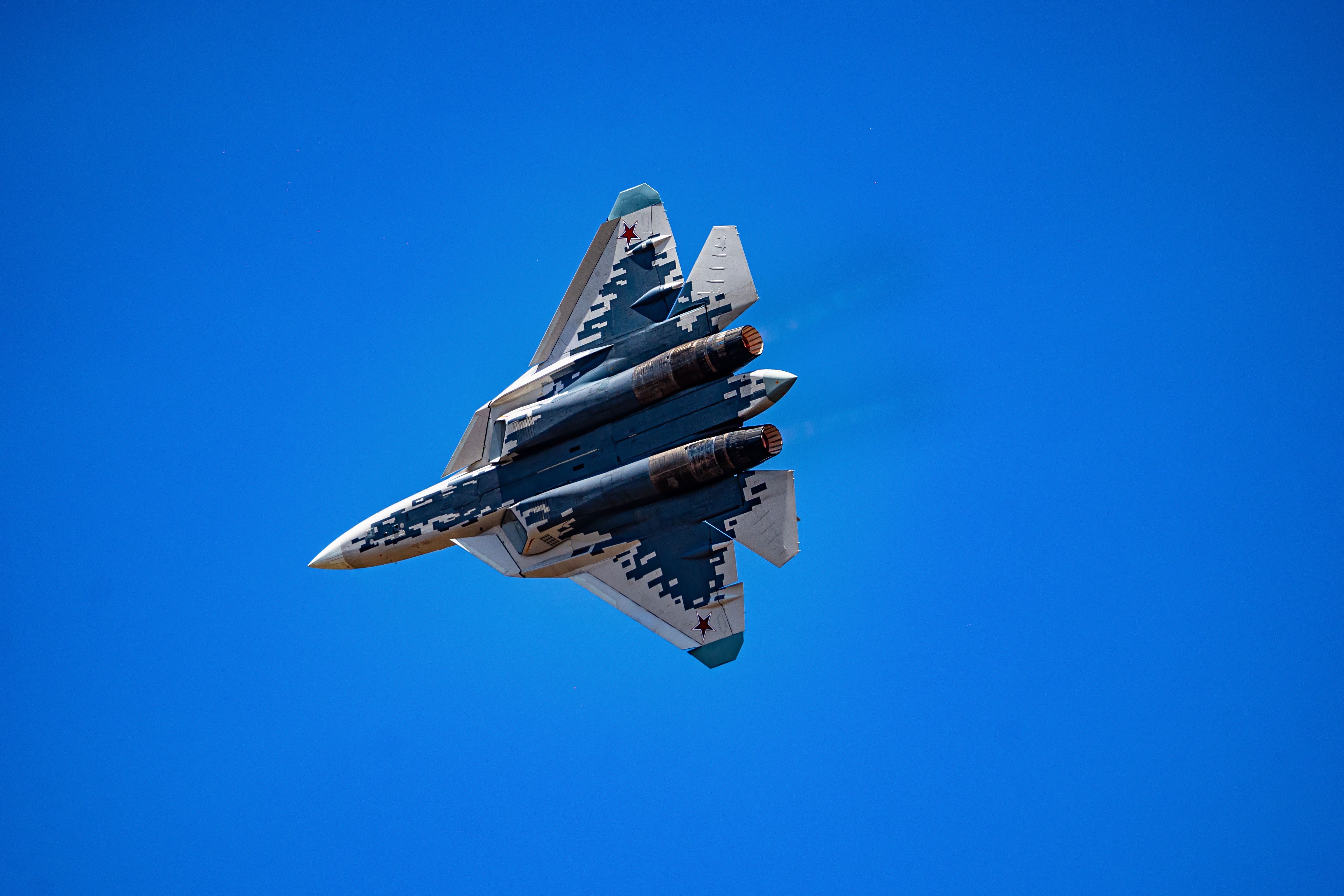
Proxy Warfare in the 21st Century: Instruments, Actors, and Implications for International Security

Proxy warfare is a strategic tool through which powerful states influence conflicts abroad while minimising direct military, political, and financial costs. This report outlines the evolution, types, benefits, and risks associated with proxy warfare in the contemporary international system. With significant power confrontations being less likely due to large-scale or nuclear conflict risks, proxy wars have emerged as a preferred method of indirect competition in the so-called "grey zone" of conflict. This report explores proxy wars' typologies, the motivations behind their use, and their implications for global and regional stability.
Introduction: What Is Proxy War?
Proxy war involves a third-party state supporting a faction in another country’s conflict, typically with limited direct military engagement. Unlike traditional wars, proxy wars allow states to externalise costs and avoid large-scale confrontations. They differ from alliances because the sponsor provides limited overt military support while maintaining plausible deniability. Proxy war lies along a spectrum. The U.S. experience in Vietnam illustrates how involvement can escalate from mere advisory roles to full-scale troop deployments. In contemporary settings, most proxy wars are characterised by foreign states supporting sub-state actors through arms, training, intelligence, and logistical aid.
Historical and Strategic Context
During the Cold War, proxy wars were the norm, with the U.S. and Soviet Union backing factions to avoid direct conflict. While the U.S. supported anti-communist regimes and insurgencies, the USSR aided anti-colonial and revolutionary movements. In the post-Cold War period, great powers increasingly avoided deploying troops abroad, giving rise to strategies like "war by remote control," where military objectives are achieved through local actors and technological means such as drones and cyber warfare
Typologies of Proxy Forces
Andrew Mumford and others identify several categories of proxy forces:
Proxy Militias and Insurgents
These include ideologically driven groups that receive support to align with a sponsor’s strategic goals. The U.S. collaboration with the Kurdish YPG in Syria, which fought ISIS, exemplifies this model. Similarly, Iran’s Quds Force has cultivated proxies like Hezbollah to advance its regional influence and strategic deterrence.
Private Military Companies (PMCs)
PMCs are corporations contracted to provide military services. While Western countries restrict PMCs to training and logistical support, Russia employs them in direct combat. The Wagner Group, with deep ties to Russian intelligence, has operated in Crimea, Syria, and sub-Saharan Africa, allowing Moscow to exert influence while maintaining deniability.
Pro-Government Militias (PGMs)
These are local groups aligned with incumbent regimes, often mobilised during insurgencies. PGMs can range from tribal militias to sectarian groups. In Iraq, the Popular Mobilisation Forces (PMF) were instrumental in rolling back ISIS. However, PGMs can challenge state authority, commit abuses, and prolong conflict.
Motivations for Using Proxy Forces
Cost Reduction and Risk Management
Proxies absorb the costs of combat, sparing sponsor states domestic backlash over casualties and expenditures. U.S. strategies in Afghanistan, Iraq, and Syria relied heavily on local fighters, with American forces providing airpower and intelligence.
Geopolitical Reach and Strategic Influence
Iran lacks the logistical capability for long-range force projection, making proxy warfare essential to extend its influence in Yemen, Syria, Lebanon, and Iraq. Russia uses PMCs to operate in regions beyond its conventional military reach.
Ambiguity and Deniability
Proxy warfare provides plausible deniability. States can obscure their role in conflicts, complicating the adversary’s response. Pakistan’s support for the Taliban or Russia’s involvement in eastern Ukraine are prime examples.
Local Legitimacy and Cultural Advantage
Local actors are often more effective in securing intelligence, operating terrain, and gaining community support. They help reduce nationalistic backlash and are harder to target.
Strategic and Political Risks of Proxy Warfare
Alignment Challenges
Proxy groups may not share the sponsor’s long-term political goals, leading to mission drift or conflict of interest. Local actors might pursue independent agendas that undermine peace processes.
Weakening State Authority
PGMs and militias can become power centres in their own right, undermining national sovereignty. In Iraq and Ukraine, militias have gained political clout, rivalling formal state institutions
Human Rights Abuses and Legitimacy Issues
PGMs often operate with impunity, leading to war crimes and civilian harm. This erodes state legitimacy, complicates post-conflict disarmament, and may fuel cycles of violence.
International Blowback and Proliferation
PMCs and well-funded militias can evolve into transnational threats, engage in criminal activities, or destabilise other regions. Sponsor states may be drawn into unwanted conflicts due to the actions of their proxies.
Comparative State Strategies
United States
U.S. proxy policy is often short-term and transactional, focused on defeating immediate threats like ISIS. However, its abrupt withdrawals like from northern Syria have led to instability and disillusionment among partners.
Iran
Iran’s proxy network is ideologically aligned and structured for long-term deterrence. Groups like Hezbollah are regional extensions of Iran’s strategic doctrine, offering Tehran persistent influence and leverage
Russia
Russia’s hybrid warfare strategy integrates PMCs like Wagner into its military campaigns. They provide a flexible, deniable, low-cost method of advancing Russian geopolitical objectives while limiting domestic backlash.
The Future of Proxy Warfare
Given increasing aversion to full-scale war and the growing complexity of grey-zone operations, proxy warfare will remain central to primary power strategy. With new technologies such as cyber operations, artificial intelligence, and autonomous drones, the nature of proxy engagement will evolve. The interplay of proxies with information warfare, economic coercion, and diplomatic cover will become increasingly significant. However, the risks remain acute: entrenching militia rule, weakening fragile states, enabling transnational terrorism, and undermining international humanitarian norms. Responsible policy design, improved regulation of PMCs, and multilateral frameworks to govern proxy engagements are needed to mitigate these risks.
Conclusion
Proxy warfare is a complex, multifaceted phenomenon that blurs the lines between war and peace, state and non-state, legal and illegal. While it offers great powers as a strategic tool for influence without high visibility costs, it also carries severe risks for global stability, local governance, and the international security order. Understanding and managing proxy warfare will be key to navigating the 21st-century conflict landscape as interstate competition intensifies and the grey zone expands.
Case Study: Syria as a Multi-Level Proxy War
Introduction: Syria as the Battlefield of Geopolitical Rivalries
The Syrian civil war, which began in 2011 as a domestic uprising against President Bashar al-Assad, rapidly transformed into a complex, multi-level proxy war. While the initial conflict was sparked by socio-economic grievances and demands for democratic reform, it was soon internationalised through the involvement of regional and global powers. These actors supported either the Assad regime or the opposition forces to pursue broader ideological, strategic, and security interests, turning Syria into a battleground for competing foreign agendas.
Phase 1: Domestic Crisis Turns to Regional Contest (2011–2012)
The Assad regime, facing increasing domestic unrest, received immediate support from Iran and Russia the “first movers.” Iran, driven by ideological alignment and its desire to preserve its “Axis of Resistance” against Israel and the West, provided military advisors, arms, and deployed proxy militias like Lebanese Hezbollah and the Iraqi Harakat al-Nujaba. Russia, motivated by power projection and regime preservation, delivered arms, training, and diplomatic backing at the UN. This catalysed Saudi Arabia and the United States—the “second movers” to escalate their support for the opposition. Saudi Arabia saw the uprising as an opportunity to weaken Iran’s regional influence and backed Sunni Islamist militias. The United States, while initially cautious, later provided material support and training to vetted opposition groups under the CIA-led “Timber Sycamore” program, framed within a broader ideological and humanitarian narrative.
Phase 2: Proxy Escalation and Strategic Calculations (2012–2015)
The conflict intensified as the rivalry between Iran and Saudi Arabia played out through their respective proxies. Tehran increased its support following perceived setbacks, in line with loss aversion theory: escalating investment to avoid losing strategic ground in Syria. This included a larger Hezbollah presence, the recruitment of Afghan and Pakistani Shia militias, and more direct involvement by the IRGC-Quds Force.
Russia's involvement deepened in 2015 with a direct military intervention, justified as counterterrorism but strategically aimed at preserving Assad’s regime and securing Russia’s Mediterranean naval base at Tartus. Moscow’s decision was partly driven by fears of U.S. regime change ambitions, reflecting Cold War-style great power balancing.
On the other side, the U.S. focused on defeating ISIS through local proxies like the Syrian Democratic Forces (SDF), led by Kurdish YPG units. This created tensions with NATO ally Turkey, which perceived the YPG as an extension of the PKK. The fragmented opposition, meanwhile, received inconsistent support from Western and Gulf actors, further complicating the proxy dynamics.
Structure of Proxy Engagements
The Syrian conflict featured three types of proxy actors:
1. Militias/Insurgents (Type 1):
o Iran-backed: Hezbollah, Afghan Fatemiyoun Division, Iraqi militias.
o Saudi/U.S.-backed: Free Syrian Army factions, Salafi-jihadi groups (with divergent alignments), later SDF.
2. Private Military Companies (Type 2):
o Russia’s Wagner Group operated in Syria as a deniable force, participating in combat operations (e.g., Palmyra, Deir Ezzor), working alongside Russian forces and Syrian army units.
3. Pro-Government Militias (Type 3):
o Pro-Assad PGMs like the National Defence Forces (NDF) received support from both Iran and Russia and often acted autonomously, engaging in sectarian reprisals and power brokerage.
Strategic Motivations of Key Actors

Outcome: Prolongation and Transformation of Conflict
The multi-level proxy dynamic prolonged the Syrian conflict and increased its destructiveness. Each escalation by one actor prompted a counter-escalation from its rival. The interplay of anticipated loss (loss aversion) and rivalry-induced reaction led to a cyclical intensification of external support, making diplomatic resolution increasingly elusive. Eventually, the Assad regime, bolstered by Iran and Russia, regained control over most of Syria’s territory. However, large swathes of land remained under the control of Kurdish-led SDF forces or Islamist rebels, many of whom were formerly supported by Turkey, the Gulf states, or the U.S.
Conclusion: Syria as a Template for Future Proxy Conflicts
Syria exemplifies how civil wars in fragile states can evolve into complex proxy theatres involving both regional and global powers. The Syrian case illustrates that proxy warfare is not merely about avoiding direct engagement; it is also about managing relative power, ideological legitimacy, and regime survival in an interconnected geopolitical arena. This case shows that while proxy strategies may appear cost-effective or deniable, they risk spiralling into escalatory quagmires with long-term implications for regional order, state sovereignty, and international law.
Case Study: Yemen – A Complex Web of Proxy Conflict and State Disintegration
Background of the Conflict
The conflict in Yemen, ongoing since 2014, is widely recognised not just as a civil war between the internationally acknowledged Yemeni government and the Houthi rebel movement (Ansar Allah), but as one of the most intricate, layered, and destructive proxy wars in the contemporary Middle East. It encapsulates a volatile intersection of local grievances, sectarian fault lines, failed political transitions, and geostrategic rivalries.
The origins of this multi-dimensional conflict trace back to the 2011 Arab Spring, which catalysed nationwide protests in Yemen, eventually forcing the long-serving President Ali Abdullah Saleh to step down. A transitional government led by his deputy, President Abdrabbuh Mansur Hadi, failed to stabilise the country amid economic collapse, sectarian division, and growing disenchantment. The Houthis, a Zaidi Shia group originating in the north, emerged into this political vacuum. Initially a marginalised opposition, the group rapidly gained power and legitimacy, seizing the capital Sana’a in 2014. This led to President Hadi's flight to Saudi Arabia. What began as an internal rebellion soon became a battleground for regional supremacy. Saudi Arabia, alarmed by the rise of a Shia-aligned group at its southern border, perceived the Houthis as a proxy of its regional rival, Iran. For its part, Tehran saw an opportunity to assert influence near one of the world’s critical maritime chokepoints: the Bab-el-Mandeb Strait. Thus, a domestic uprising transformed into a multi-layered proxy conflict with global implications.
Proxy Actors and Their Sponsors
1. The Houthis (Ansar Allah)
The Houthis represent the primary proxy force for Iran in the Arabian Peninsula. While their roots are domestic, their evolving military capabilities, ideological alignment, and strategic utility to Tehran underscore the proxy dynamic.
• Support Mechanisms: Iran has supplied the Houthis with advanced weapons systems, including ballistic missiles and combat drones, smuggled through sea and land routes. Advisers from the Islamic Revolutionary Guard Corps (IRGC) have reportedly trained Houthi fighters in weapons handling, guerrilla tactics, and asymmetric warfare. Iranian media platforms and networks also amplify Houthi messaging and narratives.
• Tactics: The Houthis have developed a diverse repertoire of insurgent methods: guerrilla ambushes, cross-border missile and drone attacks on Saudi Arabia and the UAE, maritime disruptions in the Red Sea, and information warfare campaigns targeting both regional and international audiences.
• Strategic Utility for Iran: The Houthis provide Tehran with a low-cost, high-impact proxy positioned at Saudi Arabia’s vulnerable southern frontier. Their presence helps project Iranian power across the Gulf of Aden and the Red Sea, challenging Riyadh’s regional hegemony and threatening vital maritime trade routes.
2. The Yemeni Government and Pro-Saudi Coalition (Backed by: Saudi Arabia, UAE, and to a lesser extent, the United States)
The internationally recognised Yemeni government, now fragmented and based in exile, is militarily sustained by a Saudi-led coalition seeking to restore its authority and counter Houthi influence.
• Support Mechanisms:
o Saudi Arabia conducts extensive airstrikes, provides weapons and logistical support, and coordinates intelligence operations.
o The UAE has supplied arms and training, while also backing local militias in southern Yemen.
o The United States has offered intelligence support, aerial refuelling (earlier in the war), and significant arms sales to coalition members.
• Proxy Dynamics within the Coalition:
o UAE Proxies: The Southern Transitional Council (STC) and affiliated groups such as the Security Belt Forces have emerged as dominant local players in southern Yemen. These groups, although anti-Houthi, often act independently or at odds with the Hadi government, reflecting the fractured nature of anti-Houthi forces.
o US Involvement: While Washington publicly supports the UN-backed Yemeni government, its core interest has remained focused on counterterrorism operations against Al-Qaeda in the Arabian Peninsula (AQAP). However, its indirect role in the broader war includes arms sales and intelligence sharing with coalition members.
3. Al-Qaeda and ISIS
Though not proxies in the traditional sense, extremist groups like AQAP and the Islamic State (IS) have capitalised on the chaos to expand their operations. Their presence complicates the battlefield and justifies foreign military interventions, particularly by the U.S. and UAE.
Characteristics of Proxy Warfare in Yemen (Indirect Engagement by Foreign States)
Yemen exemplifies modern proxy warfare, where states pursue strategic goals without committing large-scale conventional forces.
• Air Campaigns: The Saudi-led coalition’s primary tool has been aerial bombardment, aimed at degrading Houthi infrastructure and bolstering loyalist forces on the ground. However, these campaigns have resulted in significant civilian casualties and international criticism.
• Technological Transfers: Iran’s provision of missile and drone technology has significantly enhanced the Houthis’ capabilities. Their ability to strike targets deep inside Saudi Arabia and the UAE reflects the increasing sophistication of asymmetric warfare.
• Ideological Mobilisation: Both sides have mobilised ideology beyond weapons and training. The Houthis invoke anti-imperialist and pan-Shia narratives, while Saudi and UAE-backed forces stress nationalism and anti-Iranian sentiment.
• Media and Propaganda: Both camps wage aggressive information wars. The Houthis use satellite channels and social media to disseminate propaganda, while the Saudi-led coalition engages in global media diplomacy to legitimise its actions and demonise its opponents.
4. Conclusion: Yemen as a Cautionary Tale of Proxy Entanglement
The Yemeni conflict highlights how domestic instability can be magnified into a complex proxy war. While the Houthis and the Yemeni government remain the formal belligerents, the war's trajectory is increasingly determined by the strategic calculations of Riyadh, Tehran, Abu Dhabi, and Washington. As the conflict drags on, it showcases the core features of modern proxy warfare: low-cost interventions, asymmetric tactics, plausible deniability, and geopolitical competition conducted below the threshold of direct interstate war. Most tragically, Yemen has become a humanitarian catastrophe, where proxy rivalry has eclipsed any meaningful prospects for peace. Yemen is not only a case study in proxy warfare but also a warning of how great power competition and regional rivalries can destroy the fabric of a nation and fuel cycles of violence for generations.
Case Study: Israel and the Dynamics of Proxy Warfare in the Middle East
Israel’s security strategy is shaped by its position in one of the most volatile regions of the world. Faced with a hostile geopolitical neighbourhood, the country has cultivated a sophisticated defence posture that combines conventional military superiority with the indirect instruments of proxy warfare. While Israel does not traditionally sponsor proxies in the manner of Iran or the United States, it is deeply embedded in a proxy conflict matrix through its prolonged confrontations with Iranian-backed non-state actors such as Hezbollah, Hamas, and Palestinian Islamic Jihad, as well as through covert operations in Syria and cyber engagements against hostile regional powers. These confrontations reveal Israel’s ability to engage in grey-zone warfare, relying on air superiority, intelligence operations, strategic ambiguity, and high-tech innovation to deter adversaries and project influence without waging full-scale war.
At the centre of Israel’s proxy war landscape is its enduring conflict with Iran’s primary regional proxy, Hezbollah. Formed in the early 1980s amid the Lebanese Civil War, Hezbollah was nurtured by Iran’s Islamic Revolutionary Guard Corps (IRGC) as a vehicle for exporting revolutionary ideology and resisting Israeli and Western presence in Lebanon. Hezbollah has since evolved into a competent hybrid force, possessing an extensive arsenal of rockets, drones, and precision-guided missiles. Its infrastructure includes fortified bunkers and weapon depots embedded in civilian areas, which serve both as military strongholds and as tools of strategic deterrence against Israeli airstrikes. Beyond its military capacity, Hezbollah operates as Iran’s key regional power projection tool, having gained valuable battlefield experience in Syria and maintaining ideological allegiance to Iran’s Supreme Leader.
Israel’s counter-proxy response to Hezbollah has been proactive and multifaceted. Since 2013, the Israeli Air Force has conducted more than 1,000 airstrikes in Syria, primarily targeting Iranian arms transfers, Hezbollah supply lines, and IRGC infrastructure. This sustained campaign, known as "The Campaign Between the Wars" (MABAM), seeks to degrade Iranian entrenchment in Syria while avoiding a full-scale war. Complementing this strategy are high-risk covert operations, including the 2008 assassination of Hezbollah military commander Imad Mughniyeh and the 2020 killing of Iranian nuclear scientist Mohsen Fakhrizadeh. These actions underscore Israel’s reliance on intelligence dominance and surgical strikes to neutralise threats. Additionally, unconfirmed reports suggest that Israel has provided limited material support, medical assistance, and logistical coordination to select Syrian rebel factions operating near the Golan Heights, to create a buffer zone and disrupt Iranian influence along its northern frontier.
Another central front in Israel’s proxy engagements lies in Gaza, where it faces recurring hostilities from Iran-backed Palestinian militant groups, chiefly Hamas and Palestinian Islamic Jihad (PIJ). Iran has provided these groups with financial assistance, weapons, military training, and strategic guidance. Although Hamas is a Sunni Islamist group, its shared hostility toward Israel and commitment to the "axis of resistance" have fostered close ties with Shia-majority Iran. With Iranian support, both Hamas and PIJ have developed indigenous rocket production capabilities and constructed extensive tunnel networks, allowing them to sustain low-intensity conflict and wage periodic escalations. Israel’s response to these threats centres around a sophisticated multi-layered defence system, which includes the Iron Dome for intercepting short-range projectiles, David’s Sling for medium-range threats, and the Arrow system for ballistic missiles. Cyber operations have also become critical in disrupting militant communications, intercepting financial channels, and degrading command structures. While full-scale ground invasions into Gaza are politically and militarily costly, Israel occasionally deploys elite units in limited, high-impact raids designed to decapitate militant leadership or destroy strategic assets.
Israel’s strategic approach to proxies also manifests through diplomatic normalisation and regional alignment. The Abraham Accords, signed with the United Arab Emirates, Bahrain, and later Morocco, represent a transformative development in Middle Eastern diplomacy. These agreements are not only about trade and tourism but also reflect a shared regional concern over Iran’s growing influence and proxy networks. Even before formal normalisation, Israel reportedly engaged in covert intelligence-sharing and cyber cooperation with Gulf states such as Saudi Arabia and the UAE. In this sense, Israel’s regional alignment acts as a force multiplier in its indirect confrontation with Iran. Additionally, Israel exports cutting-edge defence technologies including surveillance tools, drone systems, and cyber capabilities to friendly governments, effectively extending its influence by enhancing the counter-proxy capabilities of its partners. Systems like NSO Group’s Pegasus software have allegedly been used to monitor Iranian networks and proxy activities.
The U.S.-Israel strategic partnership further amplifies Israel’s ability to counter proxies. The United States provides Israel with approximately $3.8 billion in annual military aid, ensuring the maintenance of Israel’s qualitative military edge. This assistance enhances Israeli air and missile defence and enables coordinated intelligence and cyber operations. Joint efforts such as the Stuxnet cyberattack on Iranian nuclear facilities and drone strikes on militia targets in Iraq and Syria exemplify the depth of cooperation. For the U.S., Israel functions as a forward-operating ally against Iran’s regional influence, while Israel benefits from U.S. logistical support, diplomatic cover, and shared technological innovation.
However, Israel’s use of proxy-centric strategies raises legal, normative, and ethical concerns. Its repeated airstrikes in Syria and Lebanon are often justified under the doctrine of anticipatory self-defence. Still, critics argue that such actions undermine international sovereignty norms and set dangerous precedents. The covert nature of operations—ranging from assassinations and sabotage to support for irregular armed groups—poses significant challenges for accountability and proportionality. These ambiguities also expose Israel to reputational risks and retaliatory cycles of escalation, especially in an environment where attribution is often contested.
In conclusion, Israel represents a state that has adapted with exceptional strategic clarity to the realities of modern proxy warfare. It blends overt military dominance with covert action, leverages technological superiority with regional alliances, and balances assertive diplomacy with subversive deterrence. Its security doctrine reflects a calibrated understanding of grey-zone conflict, where the boundaries between war and peace, state and non-state actors, and legality and ambiguity are constantly navigated. While effective in neutralising immediate threats, this strategy has the enduring risk of regional instability, unintended escalation, and erosion of international legal norms. As regional rivalries intensify and U.S. engagement fluctuates, Israel’s reliance on proxy war mechanisms is likely to deepen, reshaping the security architecture of the Middle East for years to come.
Case Study: Kashmir: The Longest Proxy War in South Asia
The Kashmir conflict, at once territorial, ideological, and geopolitical, remains one of the most enduring examples of proxy warfare in the post-colonial world. While officially a bilateral territorial dispute between India and Pakistan since 1947, Kashmir has, over the decades, transformed into a hybrid battleground where state and non-state actors, transnational ideologies, and intelligence agencies interact in complex and often violent ways. Following the partition of British India in 1947, the princely state of Jammu and Kashmir ruled by a Hindu Maharaja with a Muslim-majority population became a flashpoint when it acceded to India after facing tribal invasions from Pakistan. The ensuing conflict led to the First Indo-Pak War and the establishment of the Line of Control (LoC), setting the template for decades of geopolitical tension.
While conventional warfare between the two nations erupted periodically, the events of the late 1980s marked a strategic shift. The 1987 elections in Jammu and Kashmir, widely perceived as rigged, triggered a popular insurgency that Pakistan’s Inter-Services Intelligence (ISI) quickly co-opted and redirected. What began as indigenous political discontent soon evolved into an externally sponsored armed insurgency. Groups like Hizbul Mujahideen, Lashkar-e-Taiba (LeT), and Jaish-e-Mohammed (JeM), trained, funded, and ideologically conditioned in Pakistan, emerged as instruments of asymmetric warfare. The ISI's proxy strategy aimed to challenge India's military superiority, destabilise its control over Kashmir, and internationalise the issue all without engaging in overt conventional confrontation.
These non-state proxies each brought different capabilities and ideological leanings. Hizbul Mujahideen, closely tied to the Jamaat-e-Islami in Pakistan, was rooted in Kashmir’s social fabric and operated as a pro-Pakistan insurgent group. LeT and JeM, on the other hand, embodied more transnational jihadist ideologies. LeT’s involvement in the 2008 Mumbai attacks and JeM’s 2019 Pulwama suicide bombing both traced to Pakistan-based handlers, underscored how Pakistan’s proxy infrastructure evolved to include high-profile international terrorism. These incidents not only heightened India-Pakistan tensions but also pushed the conflict onto global security radars, raising concerns about nuclear escalation and transnational terrorism.
The strategic calculus behind Pakistan’s proxy warfare in Kashmir is multifaceted. Proxies serve as cost-effective instruments that erode Indian control in Kashmir, maintain plausible deniability in international forums, and allow Pakistan to challenge a more powerful adversary without direct warfare. They also keep Kashmir in the global spotlight, thereby justifying Pakistan’s political and diplomatic activism on the issue. Simultaneously, these actors impose economic, political, and reputational costs on India, especially when human rights concerns arise due to counterinsurgency operations.
India, in response, has developed a robust military and intelligence apparatus in the region. Nearly half a million Indian troops are deployed in Kashmir, and specialised units such as the Rashtriya Rifles have been created for counterinsurgency. Intelligence agencies like the Research and Analysis Wing (RAW) and the Intelligence Bureau (IB) have increasingly adopted covert strategies, including information operations, counter-proxy measures, and disruption of cross-border networks. The abrogation of Article 370 in August 2019 was a political move aimed at integrating Kashmir into the Indian Union. Still, it also invited new waves of instability and altered the conflict’s legal and symbolic dimensions.
The civilian population has suffered immensely in this proxy war. Militants have increasingly recruited from within Kashmir’s youth, radicalising them through social media campaigns and narratives of martyrdom and victimhood. Online propaganda by groups like LeT and JeM has blurred the lines between local grievances and transnational jihad, leading to a hybrid insurgency that is both indigenous in composition and foreign in strategy. This duality complicates India’s counterinsurgency efforts, which must address ideological radicalisation and kinetic threats. Meanwhile, prolonged militarisation has created conditions of psychological trauma, economic stagnation, and political alienation in the region.
Regionally and globally, the Kashmir proxy war has reverberated across diplomatic and strategic domains. India and Pakistan have fought three full-scale wars over Kashmir, and countless skirmishes along the LoC continue. The presence of nuclear weapons on both sides adds a layer of deterrence but also emboldens sub-conventional strategies, including the use of proxies, under the shadow of atomic stability. International bodies like the Financial Action Task Force (FATF) have repeatedly censured Pakistan for terror financing, much of which is tied to Kashmir-related groups. India, in turn, has built diplomatic narratives around cross-border terrorism, earning increasing support from the United States, France, and other Western nations post-9/11.
Emerging trends suggest that proxy warfare in Kashmir is adapting to new tools and technologies. The use of drones to deliver weapons across the LoC, hybrid tactics involving cyber disinformation and coordinated street protests, and AI-based surveillance by Indian forces illustrate the evolving nature of this conflict. These shifts indicate a deepening of the grey-zone warfare paradigm, where attribution is blurred, escalation is controlled, and narratives are weaponised alongside traditional military tools.
In sum, the Kashmir conflict exemplifies the anatomy of a sustained proxy war. Rooted in history, shaped by ideology, and fueled by strategic rivalry, it illustrates how state actors manipulate sub-state violence to pursue geopolitical ends. Pakistan’s proxy model in Kashmir, leveraging jihadist groups, plausible deniability, and ideological conditioning, has proven persistent but also destabilising. India’s counter-strategy of militarised containment, intelligence-led disruption, and diplomatic assertiveness has partially succeeded but comes at considerable domestic and international cost. As the conflict enters a more technologically complex and politically polarised phase, the Kashmir case remains a sobering lesson in the long-term consequences of proxy warfare.
References
Ephraim, I. (2025). The Israel-Iran-USA Conflict: Legal, Theocratic, and Strategic Dimensions of a Modern Proxy War. Theocratic, Strategic Dimensions of a Modern Proxy War (June 26, 2025).
United Nations. (1945). Charter of the United Nations, Articles 2(4), 51. https://www.un.org/en/about-us/un-charter
Vienna Convention on Diplomatic Relations, Apr. 18, 1961, 500 U.N.T.S. 95. https://legal.un.org/ilc/texts/instruments/english/conventions/9_1_1961.pdf
Galeotti, M. (2016). Hybrid war and Russia’s military strategy. Retrieved from https://www.ecfr.eu/article/commentary_hybrid_war_and_russias_military_strategy
Mumford, A. (2013). Proxy warfare. Polity Press.
Marten, K. (2019). Russia’s use of private military companies: The case of the Wagner Group. PN Review of International Affairs, 1(1), 1–15. (Replace with correct journal if available or “retrieved from” URL if online)
Defence One. (2020). Private war: How the U.S. and allies outsource conflict. Retrieved from https://www.defenseone.com
International Crisis Group. (2022). Iran’s network of influence in the Middle East. https://www.crisisgroup.org
Yadlin, A. (2021). Israel’s red lines in Syria. The Institute for National Security Studies. https://www.inss.org.il/publication/red-lines/
Inbar, E. (2020). Israel’s strategic posture in a multipolar Middle East. Begin-Sadat Centre for Strategic Studies. https://besacenter.org
Kanwal, G. (1999). Proxy war in Kashmir: Jehad or state’sponsored terrorism?. Strategic Analysis, 23(1), 55-83.
Abbasi, A. (2025). Proxy wars and Regional Instability: Israel-Iran conflict in the Middle East. ASSAJ, 4(01), 1418-1427.
Konyukhovskiy, P. V., & Grigoriadis, T. (2020). Proxy Wars & the Israeli-Palestinian Conflict. Defence and Peace Economics, 31(8), 904-926.
The Israel–Iran–USA Conflict: Legal, Theocratic, and Strategic Dimensions of a Modern Proxy War By Isaac Ephraim, Esq.
Baron, A., & Al-Hamdani, R. (2019). The “Proxy War” Prism on Yemen. New America, 9.
Van Der Meer, D., 1667637. (2020). The Syrian Proxy War. A geopolitical poker game [Thesis, Leiden University]. In the Faculty of Governance & Global Affairs, Leiden University, MSc Thesis Crisis & Security Management. https://d.r.a.van.der.meer@umail.leidenuniv.nl
Pic Courtesy- Photo by Warren Umoh on Unsplash
(The views expressed are those of the author and do not represent the views of CESCUBE.

Saurav Kumar is currently pursuing a Master’s in International Relations at South Asian University, New Delhi. He completed his graduation in Political Science from Jamia Millia Islamia, New Delhi. As a student of International Relations, he is keen to explore diverse dimensions of geopolitics, geoeconomics, security studies, conflict transformation, and peacebuilding. With a particular interest in area studies, his focus lies in South Asian and West Asian studies.