
Authors & Contributing Fellows
Discover the strategic analysts, academic scholars, military veterans, and domain specialists publishing policy papers, commentaries, and threat dispatches at CeSCube.

Mahek Dhar
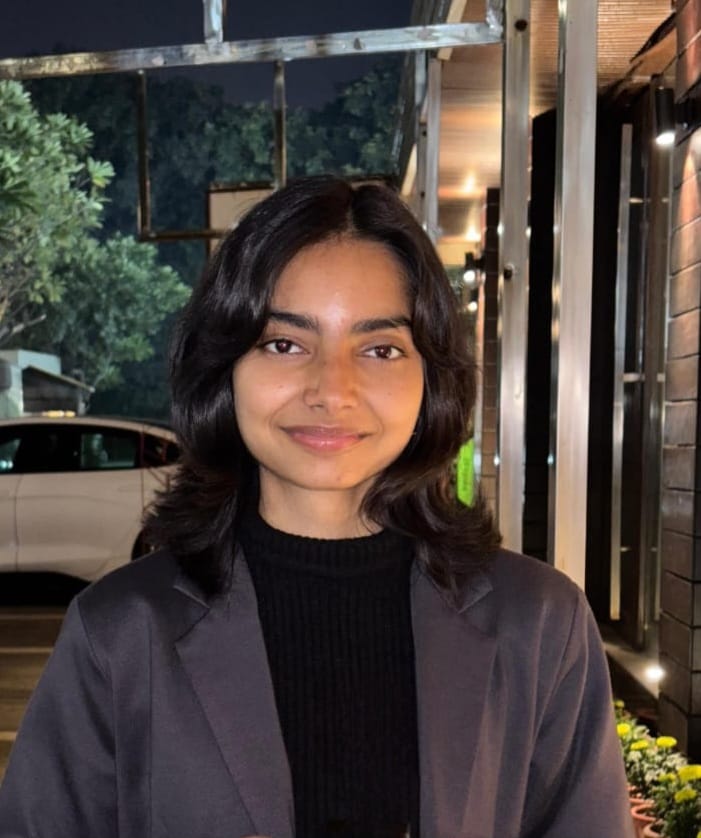
AuthorMahek Dhar is a B.Sc. Defence and Strategic Studies student at Rashtriya Raksha University, currently pursuing her 1st semester. Her academic interests lie in International Relations, geopolitics, and contemporary global developments. She is particularly interested in understanding evolving geopolitical dynamics, international affairs, strategic interactions among states, and emerging developments shaping the contemporary international order. Her interests reflect a broader curiosity about global affairs and the strategic factors influencing relations between nations.
Vani Gautam
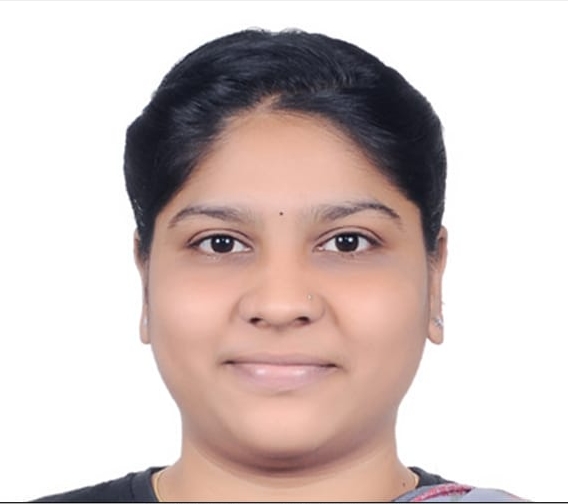
AuthorVani Gautam is a Political Science graduate and Mass Communication student at Panjab University. Her published work has appeared in a think tank publication, covering West Asian security dynamics, regional conflict analysis, and India's strategic responses including contributing a chapter on political violence to a report on internal insurgency, which was presented at foreign embassies and the Union Ministry. Beyond research, she has worked on a documentary examining the evolution of warfare from conventional borders to psychological operations. She is keen to develop practical skills in OSINT and its applications in security and risk analysis, and to contribute to research on emerging security challenges.

Panishthi Mishra
AuthorPanishthi Mishra is an undergraduate student pursuing a B.A. (Hons.) in Political Science from Ramjas College, University of Delhi. She takes an interest in Defence, Strategic, and Maritime Studies, with an India-centric approach to understanding International Relations. Her research explores topics such as the Great Nicobar Project and the Strait of Malacca, India’s strategic engagement in the Mediterranean, and emerging geopolitical alliances in the UNGA based on voting patterns. She seeks to critically engage with India’s role in shaping global strategy and contribute to deeper academic and policy discussions.
Sakshi Giri
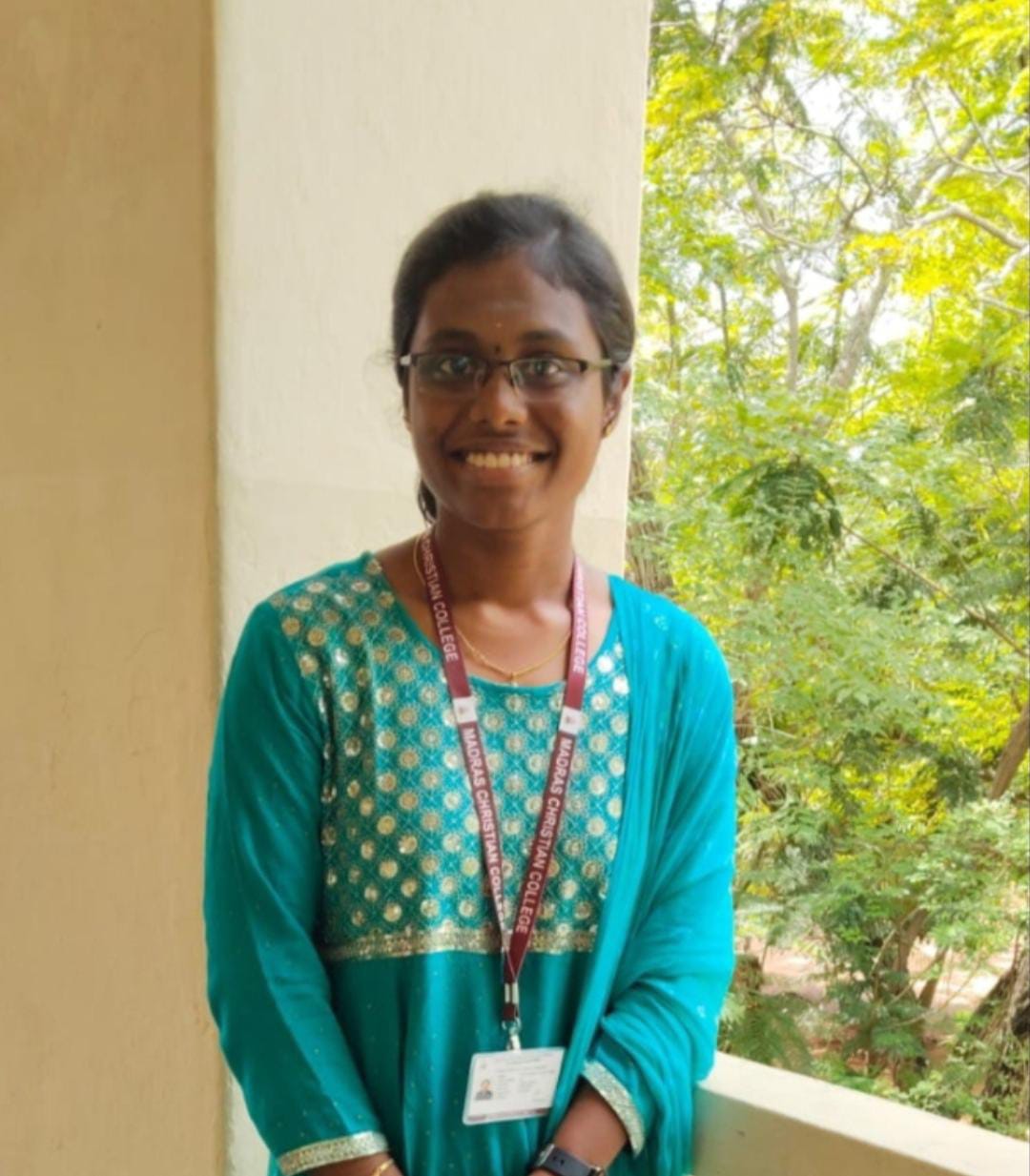
AuthorSakshi Giri completed her graduation in Human Development from Dr. BMN College of Home Science, Matunga. She is currently pursuing her Master’s degree in International Studies at Somaiya Vidyavihar University, Mumbai.

Pranoti Bankar
AuthorPranoti Bankar holds a B.Sc. and M.Sc. in Defence and Strategic Studies from Savitribai Phule Pune University, Pune. Her research interests include international relations, geopolitics, strategic affairs, space security, defence policy, and emerging technologies. Her Master's dissertation, ‘A Study of China's Space Strategy and Its Implications on Global Security’, examined the strategic dimensions of China's expanding space capabilities. She completed a research internship with the Centre for New Age Warfare Studies (CNAWS), where she contributed to the Pakistan Political Developments Team and published an article on the Pakistan–China strategic nexus. She also served as a Research Content Writer Intern at The Indian Netizens (TINS), authoring a research article on India's space strategy that is currently awaiting publication. She is committed to producing rigorous, evidence-based, and policy-oriented research on contemporary security and strategic issues.

Priyangshu Chakraborty is currently working as Operation Head at Hegemoniq, Geopolitical Think tank based at North-eastern state of Assam in India. He pursued his Masters in Political Science from Assam (A central) University with keen interest with International Relations. His research area induces with Indian Foreign Policy particularly with Southeast and South Asian countries, Indo-Eurasia limelight and Northeast Indian paradigm. Sumanta Khatiwara is an international relations researcher. He pursued Integrated M.A. in Political Science, Pondicherry University, India. His research interests include International Relations, Public Policy, Governance, Political Economy, Northeast India, and South Asian geopolitics, with a particular focus on India-Nepal relations, diaspora diplomacy, and digital governance.

Devangi Sandhu
AuthorDevangi Sandhu is a final-year B.A. (International Relation) (Hons. / Hons. With Research) student at Amity University Uttar Pradesh, Noida with a double major in Defence and Strategic Studies. She has been studying Mandarin for over two years, reflecting her strong interest in East Asian affairs and cross-cultural engagement. Her academic interests include Indo-Pacific geopolitics, maritime security, regional security, and foreign policy. She has contributed to research through internships with policy and international affairs organizations and has authored an opinion piece on Taiwan's international space. Passionate about policy research and global affairs, she is committed to producing evidence-based analysis and contributing to informed discussions on contemporary international issues.
Sowbarnika Shasikumar
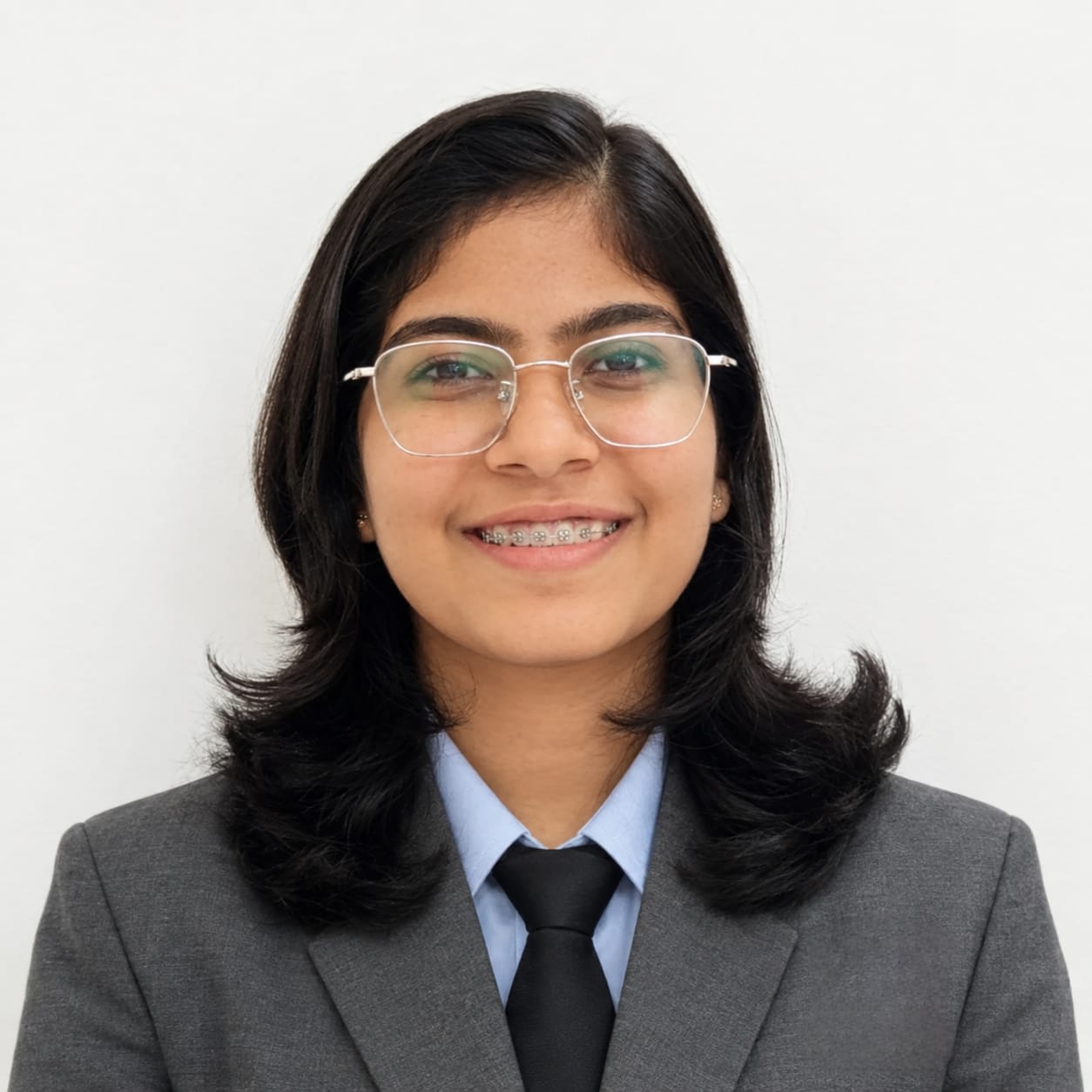
AuthorSowbarnika Shasikumar is a final-year undergraduate pursuing a Bachelor of Arts in political science, passionate about public policy, governance, and international relations, with research interests. Through academic projects, internships, and leadership roles, she strives to combine analytical thinking with practical experience and aspire to build a career in public service.

Venkatakrishnan Asuri
AuthorVenkatakrishnan Asuri is an undergraduate student at the Indian Institute of Technology Madras. His research spans South Asian security, Chinese strategic affairs, India's neighbourhood, and the dynamics of the Indo-Pacific, with a particular focus on strategic affairs, defence, and foreign policy. He is fluent in English, Tamil, and Hindi, with working proficiency in Russian.

Dr. Gleb Tsipursky
AuthorDr. Gleb Tsipursky, a behavioral scientist called the “Office Whisperer” by The New York Times, helps tech-forward leaders stop overpaying for AI while boosting engagement and innovation. He serves as the CEO of the AI consultancy Disaster Avoidance Experts, and wrote eight books, including The Psychology of AI Adoption at Work: From Resistance to Results (Georgetown University Press, 2026). https://disasteravoidanceexperts.com/aibook
Irina Treasa Jomy
AuthorIrina Treasa Jomy is a third semester B.Sc. Defence and Strategic Studies student at Rashtriya Raksha University, Karnataka Campus. Her research interests include national security, geopolitics, strategic studies, cyber warfare, artificial intelligence, emerging technologies, maritime security, and regional security. She has a particular interest in the shifting nexus of technology and national security, including AI-enabled cyber warfare, geopolitical trends, strategic alliances, and the security impact of emerging technologies. She has presented her research on deterrence theory in cyber warfare at a criminological conference in Navi Mumbai.
Split Nguyen
AuthorSplit Nguyen is a Vietnamese journalist specializing in Vietnamese politics and political strategy, with a focus on elections, governance, public policy, and the political dynamics shaping Vietnam’s institutions and democratic processes.
Interested in Publishing Policy Research at CeSCube?
We welcome analytical papers, policy briefs, and expert commentaries from scholars, defense analysts, and domain specialists.