Beyond Rare Earths: Sulphuric Acid and the Hidden Vulnerabilities of Critical Mineral Supply Chains
The global debate on critical mineral security has largely focused on rare earth elements, while the importance of sulphuric acid in mineral processing remains less visible. This article examines how the closure of the Strait of Hormuz and China’s export suspension of sulphuric acid have exposed vulnerabilities in the global supply chain. It explores the role of sulphuric acid in processing critical minerals such as nickel, copper, and lithium, and compares its supply-chain disruption with China’s rare earth export controls. The article argues that mineral security requires a broader policy approach that addresses both geopolitical restrictions and physical supply-chain vulnerabilities.
Introduction
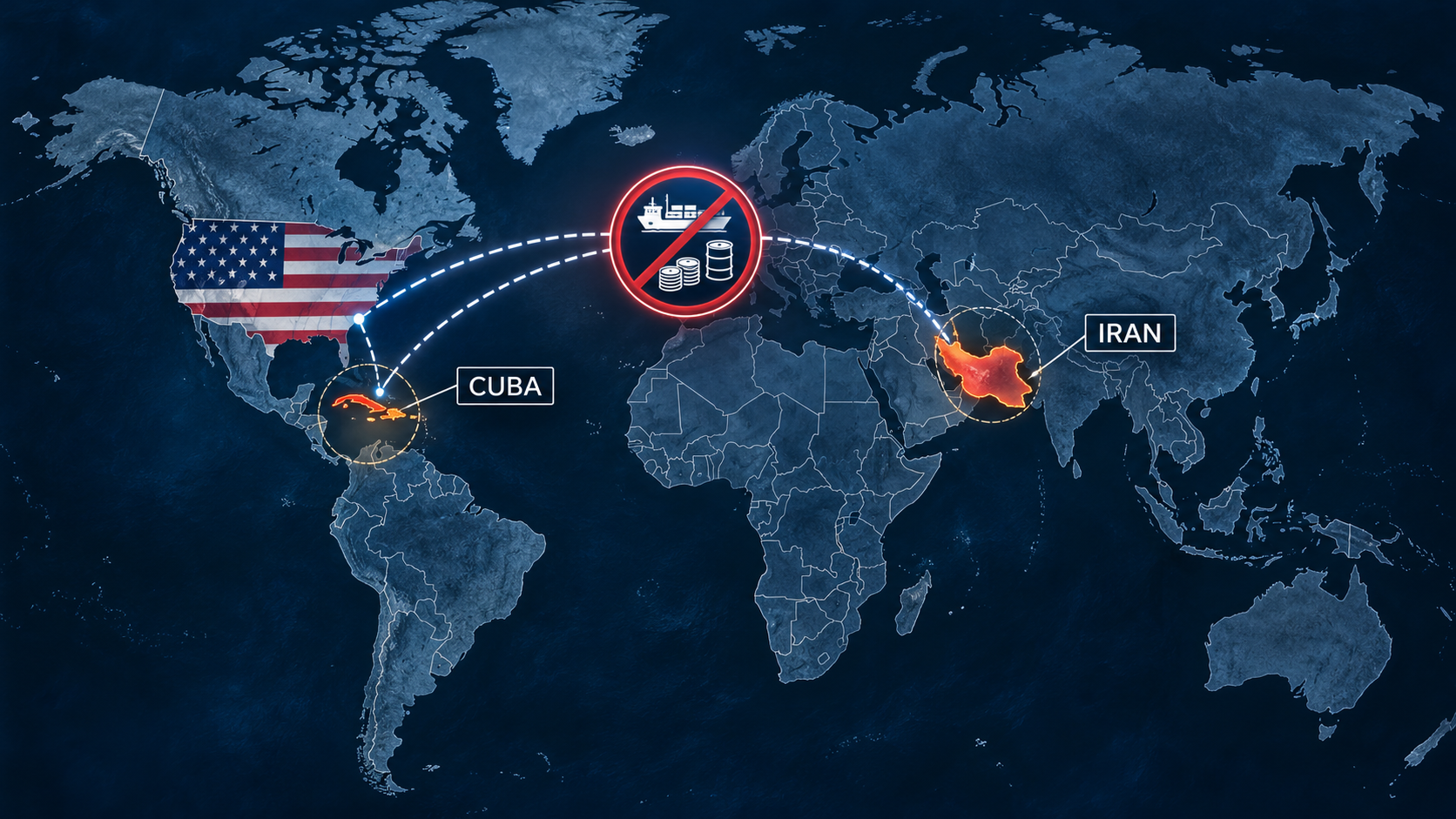
The US, Israel, and Iran war has been going on since 28th February 2026, which led to the closure of the Strait of Hormuz and affected the usual trade path. More than 25 percent and 20 percent of global oil and gas trade, respectively, passes through this critical route.[1] There is another newly emerging but less visible supply chain besides the energy supply chain: the market of sulphuric acid. It is a second one but a significant chokepoint, a chemical that is crucial in the processing of critical minerals and rare earth elements.[2] China has had nearly a monopoly in this sector and has used these resources as a political tool by implementing an export control policy on these minerals. The article examines how sulphuric acid emerges as a new chokepoint and how recent market disruptions of sulphuric acid represent new challenges in the supply chain. These challenges come from China’s independent policy decisions, physical barriers in shipments and strict export control through licences. The article is divided between three parts: It explains the strategic chokepoint surrounding the rare earth elements, it describes how the closure of Hormuz due to Iran, Israel, and the US war revealed the systematic weakness of the sulphuric acid supply chain, and lastly, it explains how the weaponisation of critical minerals by China triggers economic shocks globally. The article compares and gives suggestions based on three discussions for mineral security policy.
The Familiar Chokepoint: Rare Earth as a Precedent
After the US hit sanctions on Chinese goods, China fought back by imposing a strict license control policy on exports of certain rare earth elements and magnets and explained this action as national security concerns. China's dominance in this sector has really exposed the weakness in the market of critical minerals since April 2025.[3] Within a week, the supply shortage of these minerals quickly surfaced the problems that led to disruption in automobile production lines in the US, Europe, and Japan. Magnets that producer failed to secure are made from these critical minerals, which are very important in the manufacturing of electric vehicles and other components.[4] The International Energy Agency report states that China has a monopoly with 91% of refining and processing capacity and 61% of global rare earth supply. Therefore, countries left with fewer alternatives when export control policy is implemented by Beijing.[5] China launches the second wave of control in October 2025 by announcing new rules to tighten exports by adding more materials and overseas licensing provisions. Consequently, this situation pushes for the negotiation talks between Washington and China which resulted in the halting of this policy until November 2026.[6] The supply of these resources is not stalled because of the physical barriers in the shipping routes but because of this the pending government licensing and approvals. Hence, the uniqueness of this chokepoint lies in how it works or functions. Throughout 2025, China has used rare earth elements a political tool to ease or tighten the supply as per their political need. In July 2025, they eased some restrictions, but again in October they re-imposed these restrictions.[7]
The Physical Chokepoint: Sulphur, Sulphuric Acid, and Hormuz
Sulphuric acid holds a more fundamental position in the processing of metals than rare earth magnets and serves as a building block for the entire industry. It is the working reagent in leaching, the hydrometallurgical process by which metal is dissolved out of crushed ore, and it is essential to high-pressure acid leaching of nickel laterites, to oxide copper leaching, and to several uranium, titanium, and rare earth extraction routes.[8] According to the United States Geological Survey, the Middle East accounted for close to a quarter of global sulphur production in 2025, and most of it is byproduct of oil and gas refining. So, the export of sulphur from this region also depends on the same shipping path that carries crude oil.[9] The Strait of Hormuz has closed at the end of February 2026 that stalled the movement of sulphur cargoes, revealing the vulnerabilities that has been quietly building for years. Indonesia is the world's largest nickel producer and has imported more than 5.2 million metric tonnes of sulphur in 2025. They expanded acid-intensive nickel processing capacity, because of which they imported over 44% of sulphur from the previous year and supply mostly comes from Middle-east.[10] The market responded quickly, as rise in nickel prices were observed in London and Shanghai exchanges in July 2026. The traders and analysts were concerned over sulphur availability and warned that this scarcity would increase the cost for high-pressure acid leaching operations.[11] Recently, Benchmark Mineral Intelligence has warned that rising prices of sulphuric acid will affect the production costs across the nickel and lithium industries and not just the acid-intensive leaching operations.[12]
The Second Shock: China’s Own Export Suspension
The closure of Hormuz might have remained a serious but singular disruption if it had not been compounded by an independent decision in Beijing. China announced the ban on the exports of sulphuric acid from May 2026 to secure their domestic fertilizer production ahead of the spring planting season.[13] Globally, China is the largest exporter of sulphuric acid, the acid co-produced as a primary by-product from copper and zinc smelting and refining processes. Beijing halted the supply at a very vulnerable moment when Middle-eastern sulphur was unavailable.[14] In early 2026, Beijing has restricted the export of phosphate fertiliser to secure their own food supply; this revealed the familiar pattern in their actions. The officials clearly admitted that global market condition are not their priority.[15] The consequences are faced mostly by copper-mining economies that depend on imported sulphuric acid for oxide leaching, countries such as Chile, the Democratic Republic of Congo, and Zambia, also affect the nickel industry in Indonesia. These consequences become evident because of the constrain on acid supply from Gulf and Chinese sources simultaneously.[16] Sulphuric acid is used in production of phosphate fertilizers. So, if there is shortage of sulphuric acid, then it will lead to economic spillover, causing disruption in agriculture and food supply.[17]
Why the Acid Crisis Cuts Differently?
It was important to compare both the chokepoints, as they actually help to understand their work in completely different ways. Based on global trade condition's, China has used its rare earth licensing regime as a policy tool to tightened or ease the supply and these were used alternatively to change restrictions or paused shipments throughout 2025-26. This policy focuses on high-tech firms and defence manufacturing.[18] Unlike other issues, the sulphuric acid disruption is adversely affected by both problems: blockade at the Strait of Hormuz with an independent export control policy by China. It hits the industries that depend on acid for leaching based production of metals like nickel, copper, cobalt, uranium, and titanium, as well as agriculture.[19] Sulphuric acid is very difficult to replace; a large amount of it is hard to store; it is corrosive; it gets expensive to transport over longer distances; and cannot build a new production plant quickly. Therefore, the licensing dispute can be solved through negotiation, but a shortage of acid will persist as long as logistics and policy restrictions remain.[20] Still after the six months of fighting, shipping traffic at Hormuz remained down by 96% by early September 2026. This indicates that the supply disruption of sulphuric acid is not the temporary problem but the long-term structural condition.[21]
Conclusion
The debates are going on over the security of critical minerals, which has been largely shaped by Chinese policy. The recent events of 2026 have shown that sulphuric acid is not a flashy material but still causes a serious threat to the processing of minerals. The disruption of the supply chain does not arise from a single problem but due to the emergence of two events at the same time. In particular, the war in the Gulf cut off 25% of the global supply of sulphur, with China's decision to ban sulphur exports to protect its domestic food security. Sulphuric acid is an important chemical that helps in producing critical minerals. Because the new supply cannot be added quickly, its shortage will mostly impact the green energy transition more than rare earth restrictions have so far reached. Giving more attention to rare earth supply is not enough to secure the entire chain of critical minerals. It targets one weakness, but other critical minerals are also potentially enough to cause disruptions at a larger level in the supply chain.[22]
References:
[1]Ruilin Wang and Donato. 2026. “Middle East War pressures Copper, exposes nickel risk.” S&P Global. March 17, 2026. https://www.spglobal.com/market-intelligence/en/news-insights/research/2026/03/middle-east-war-copper-nickel-supply-risk.
[2]Ruilin Wang and Donato. 2026. “Middle East War pressures Copper, exposes nickel risk.” S&P Global. March 17, 2026. https://www.spglobal.com/market-intelligence/en/news-insights/research/2026/03/middle-east-war-copper-nickel-supply-risk.
[3]Baskaran, Gracelin, and Meredith Schwartz. 2026. “Rare earth export restrictions one year later.” Centre for Strategic and International Studies. https://www.csis.org/analysis/rare-earth-export-restrictions-one-year-later.
[4]Baskaran, Gracelin, and Meredith Schwartz. 2026. “Rare earth export restrictions one year later.” Centre for Strategic and International Studies. https://www.csis.org/analysis/rare-earth-export-restrictions-one-year-later.
[5]Euan Sadden. 2026. “US says China agreed to address rare earth supply concerns.” S&P Global. March 18, 2026. https://www.spglobal.com/energy/en/news-research/latest-news/metals/051826-us-claims-china-agreed-to-address-rare-earth-supply-concerns.
[6]Kip Keen and Liubov Georges. 2026. “Rare Earth supply bottlenecks set to persist in 2026.” S&P Global. January 27, 2026. https://www.spglobal.com/energy/en/news-research/latest-news/metals/012726-rare-earth-supply-bottlenecks-set-to-persist-in-2026.
[7]Kip Keen and Liubov Georges. 2026. “Rare Earth supply bottlenecks set to persist in 2026.” S&P Global. January 27, 2026. https://www.spglobal.com/energy/en/news-research/latest-news/metals/012726-rare-earth-supply-bottlenecks-set-to-persist-in-2026.
[8]Ruilin Wang and Donato. 2026. “Middle East War pressures Copper, exposes nickel risk.” S&P Global. March 17, 2026. https://www.spglobal.com/market-intelligence/en/news-insights/research/2026/03/middle-east-war-copper-nickel-supply-risk.
[9]U.S. Department of the Interior and U.S. Geological Survey. 2026. “Mineral commodity summaries 2026.” https://pubs.usgs.gov/periodicals/mcs2026/mcs2026.pdf
[10]Ruilin Wang and Donato. 2026. “Middle East War pressures Copper, exposes nickel risk.” S&P Global. March 17, 2026. https://www.spglobal.com/market-intelligence/en/news-insights/research/2026/03/middle-east-war-copper-nickel-supply-risk.
[11]Reuters, "Nickel Rises on Concerns over Sulphur Supply via Hormuz," Metal Radar, 16 July 2026, https://metalradar.com/article/nickel-rises-on-concerns-over-sulphur-supply-via-hormuz-1784188654
[12]Cecilia Jamasmie, "Charts: How the Sulphuric Acid Crunch Is Driving Up Critical Minerals Costs," Mining.com, 28 May 2026, https://www.mining.com/charts-how-the-sulphuric-acid-crunch-is-driving-up-critical-minerals-costs/
[13]Julian Luk and James Attwood. 2026. “China to ban sulfuric acid exports as Iran war hits supply.” Mining.com. April 10, 2026. https://www.mining.com/web/china-moves-to-ban-sulfuric-acid-exports-as-iran-war-hits-supply/
[14]Kandy Wong. 2026. “China, the Iran war and the chemical suddenly stoking global supply fears.” South China Morning Post. April 13, 2026. https://www.scmp.com/economy/global-economy/article/3349884/china-iran-war-and-chemical-suddenly-stoking-global-supply-fears.
[15]Lucas Toh and David Pillai. 2026. “China to maintain phosphate export suspension despite Middle East War.” S&P Global. March 4, 2026. https://www.spglobal.com/energy/en/news-research/latest-news/agriculture/030426-china-to-maintain-phosphate-export-suspension-despite-middle-east-war-sources.
[16]George Cooper. 2026. “How China’s sulphuric acid ban will hit metals & fertiliser.” Sulphur Chain Digital. April 13, 2026. https://supplychaindigital.com/news/china-sulphuric-acid-ban-hit-mining-and-food-supply-chains.
[17]Lucas Toh and David Pillai. 2026. “China to maintain phosphate export suspension despite Middle East War.” S&P Global. March 4, 2026. https://www.spglobal.com/energy/en/news-research/latest-news/agriculture/030426-china-to-maintain-phosphate-export-suspension-despite-middle-east-war-sources.
[18]Kip Keen and Liubov Georges. 2026. “Rare Earth supply bottlenecks set to persist in 2026.” S&P Global. January 27, 2026. https://www.spglobal.com/energy/en/news-research/latest-news/metals/012726-rare-earth-supply-bottlenecks-set-to-persist-in-2026.
[19]Ruilin Wang and Donato. 2026. “Middle East War pressures Copper, exposes nickel risk.” S&P Global. March 17, 2026. https://www.spglobal.com/market-intelligence/en/news-insights/research/2026/03/middle-east-war-copper-nickel-supply-risk.
[20]George Cooper. 2026. “How China’s sulphuric acid ban will hit metals & fertiliser.” Sulphur Chain Digital. April 13, 2026. https://supplychaindigital.com/news/china-sulphuric-acid-ban-hit-mining-and-food-supply-chains.
[21]“Iran War 2026 -- Day 189 Update.” 2026. GlobalSecurity.org. September 4, 2026. https://www.globalsecurity.org/military/ops/iran-war-20260904.htm.
[22]Cecilia Jamasmie, "Charts: How the Sulphuric Acid Crunch Is Driving Up Critical Minerals Costs," Mining.com, 28 May 2026, https://www.mining.com/charts-how-the-sulphuric-acid-crunch-is-driving-up-critical-minerals-costs/
(The views expressed are those of the author and do not represent views of CESCUBE)
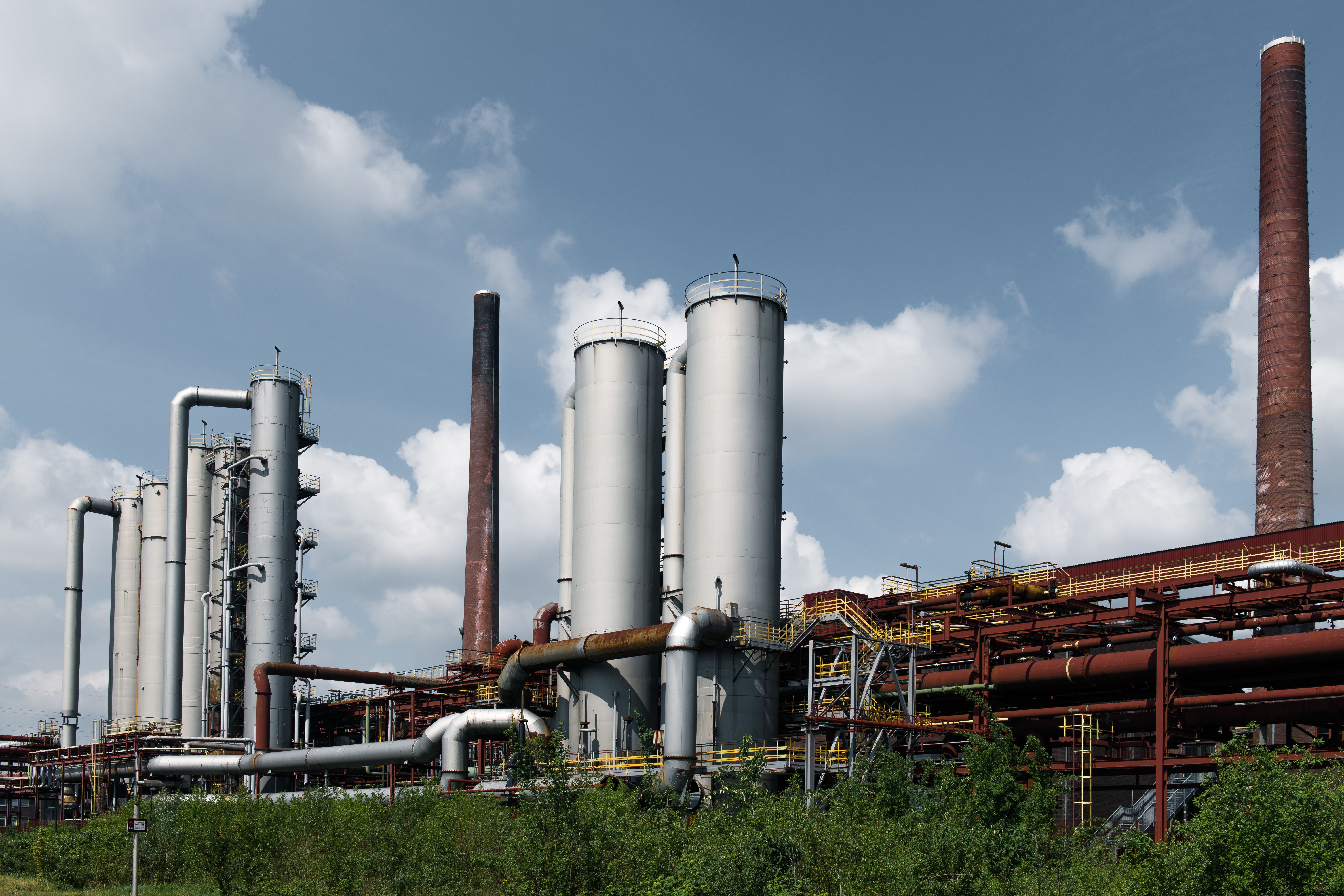
Image Source: Photo by Wolfgang Weiser at Pexels

Sakshi Giri completed her graduation in Human Development from Dr. BMN College of Home Science, Matunga. She is currently pursuing her Master’s degree in International Studies at Somaiya Vidyavihar University, Mumbai.