
Authors & Contributing Fellows
Discover the strategic analysts, academic scholars, military veterans, and domain specialists publishing policy papers, commentaries, and threat dispatches at CeSCube.

Lady Ayu Sri Wijayanti
AuthorLady Ayu Sri Wijayanti is an Assistant Professor and a Lecturer at the Faculty of Fisheries and Marine Sciences, Universitas Padjadjaran (FPIK UNPAD), Indonesia. Her research expertise lies in marine science, aquatic conservation, planktonology, deep-sea ecology, and aquatic resources management. Her work focuses on marine ecosystem dynamics, especially plankton communities and the interaction between oceanographic conditions and aquatic ecological processes. Her research explores marine biodiversity, ecosystem change, and the sustainable management of aquatic environments through an interdisciplinary approach combining marine ecology, conservation science, and aquatic resource management.

Vaibhav Yadav
AuthorVaibhav Yadav is a law student at National Law University, Lucknow, with a keen interest in strategic and international law studies and security studies. He has interned at the Supreme Court of India, gaining hands-on experience in litigation across criminal and arbitration matters. Vaibhav has previously written on international law topics, including Indo-Pacific geopolitics, global power dynamics, and state responsibility under public international law. Beyond academics, he actively contributes to ADR, Legal Aid, and Pro Bono initiatives at his university.
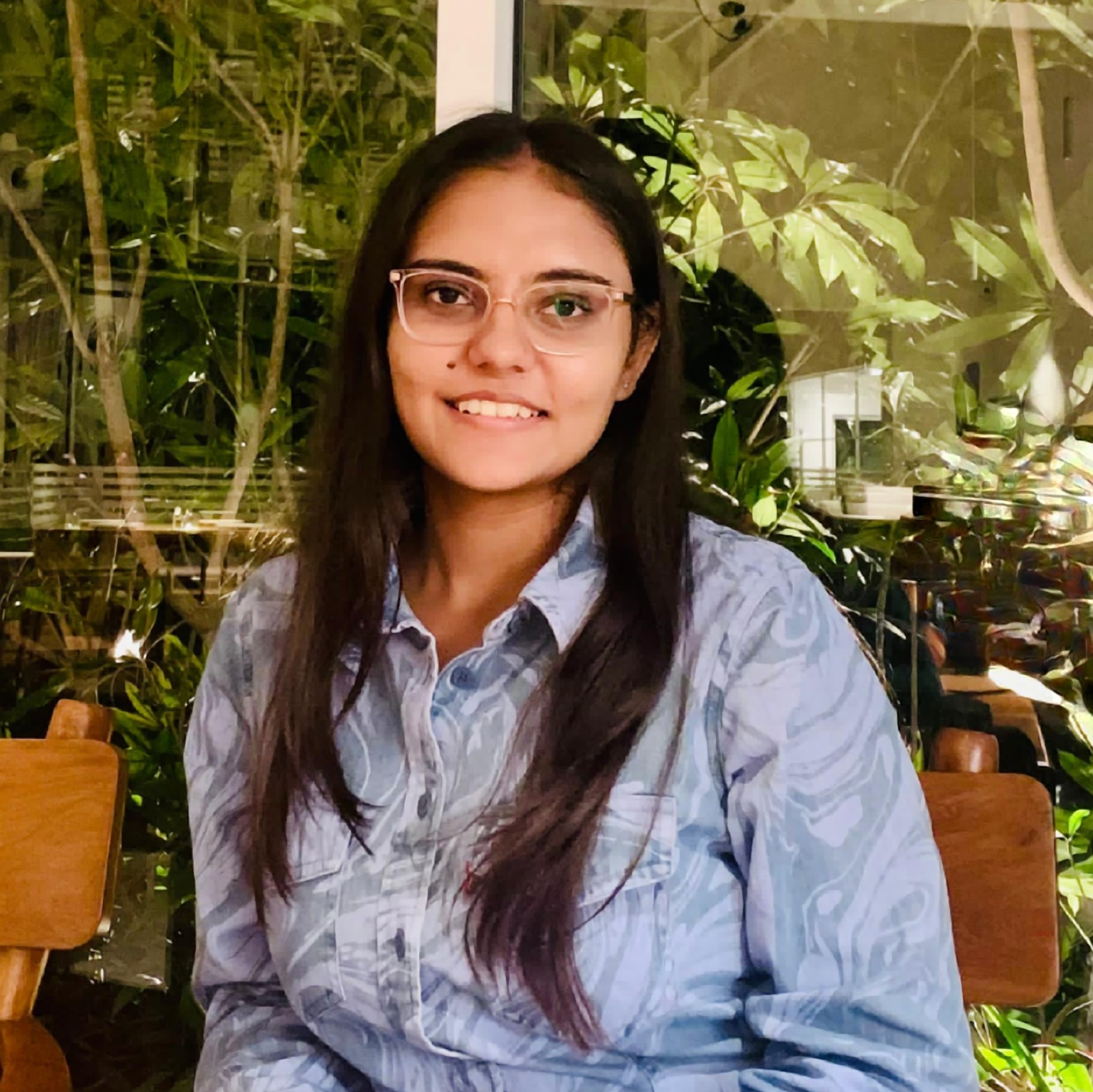
Riddhi Suthar
AuthorRiddhi Suthar is a final-year undergraduate student of Political Science with academic interests in international relations, internal security, public policy, and governance. Her research engages with contemporary security dynamics, institutional frameworks, and policy processes in the Indian and global context. She has presented a research paper at an academic conference, demonstrating her commitment to scholarly dialogue and analytical research. She is currently interning at the Mahatma Gandhi Labour Institute, Ahmedabad, where she is gaining practical insights into labour policy, governance mechanisms, and socio-economic policy research.
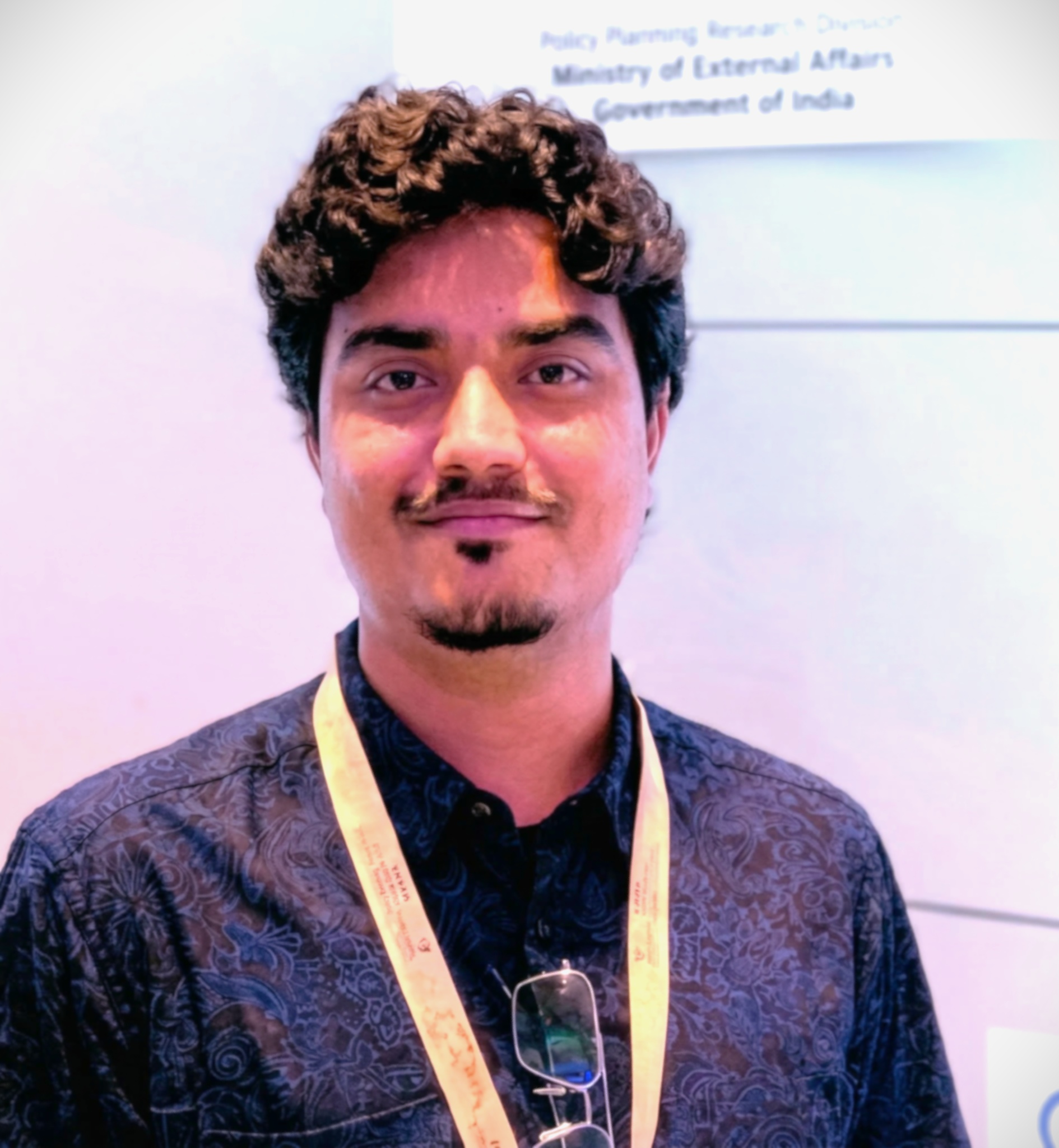
Aaditya Dewansh
AuthorAaditya Dewansh is a postgraduate scholar of International Relations at South Asian University, New Delhi. His research interests include Geoeconomics, Grand Strategy, and the Geopolitics of the Indian Ocean Region. He also holds a Master’s degree in Arts and Aesthetics from Jawaharlal Nehru University. Beyond academia, his wider interests include travel & tourism, world cinema, and global popular culture.
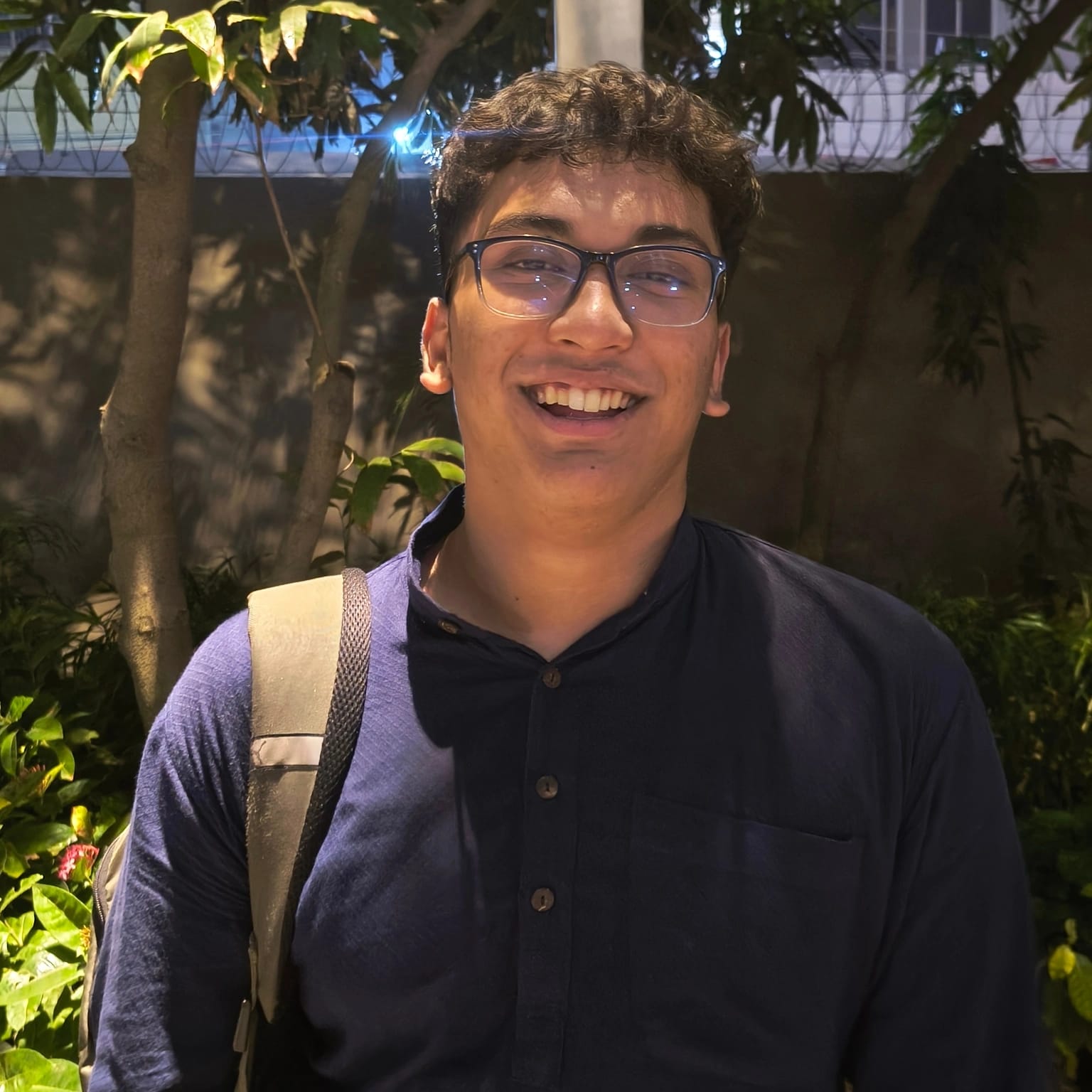
Rohitaswa Das
AuthorRohitaswa Das is currently pursuing his BA Hons degree in Political Science from St. Xavier's College (Autonomous), Kolkata. He takes special interest in International Relations, keenly following US foreign policy decisions, and is also a massive fan of football. He loves. to read when free, and is also a national level debater.

Jiyaa P Shah
AuthorJiyaa is a second-year student at Christ University pursuing a BA in Liberal Arts with a specialization in Political Science and Global Governance. She is passionate about international relations, global policy, and social justice, and is particularly interested in how international institutions address complex global challenges. She has participated in academic exchange programs, including a summer program at the American University in Cairo (AUC), where she explored global perspectives on development and policy. She has also worked with the Rajiv Gandhi Foundation, engaging in policy discussions, storytelling, and community-focused initiatives. Through these experiences, she aims to build a career in international relations and public policy.

Chandan Vishwas
AuthorChandan Vishwas is a postgraduate researcher currently pursuing a Master’s in Diplomacy, Law & Business at O.P. Jindal Global University, with an academic background in History and Political Science. His work focuses on geopolitics, international relations, defence studies, and policy-oriented research. He is currently engaged in multiple research internships across academic and policy institutions, where he contributes to regulatory research, regional analysis, news monitoring, and humanitarian-focused projects. His research experience includes work on European regulatory frameworks, Northeast Asia (including China, Taiwan, Tibet, and Mongolia), contemporary geopolitical developments, and trade-for-peace initiatives related to migration and conflict-affected communities.

Gilar Budi Pratama
AuthorGilar Budi Pratama is an Assistant Professor at the Faculty of Fisheries and Marine Sciences, Universitas Padjadjaran (FPIK UNPAD), Indonesia. His research expertise lies in fisheries oceanography, pelagic fish habitat distribution modelling, and spatial analysis for capture fisheries management. His work focuses on integrating satellite oceanographic data and statistical modelling approaches to understand the dynamics of tropical tuna habitats and their implications for ecosystem-based fisheries management. His research explores the relationship between oceanographic variability, habitat dynamics of large pelagic species, and sustainable fisheries governance in the Indian Ocean and the Maritime Continent region. Through an interdisciplinary approach combining oceanography, fisheries ecology, and spatial modelling, his work aims to support the development of fisheries policies that are adaptive to climate change and the dynamic nature of tropical marine ecosystems.
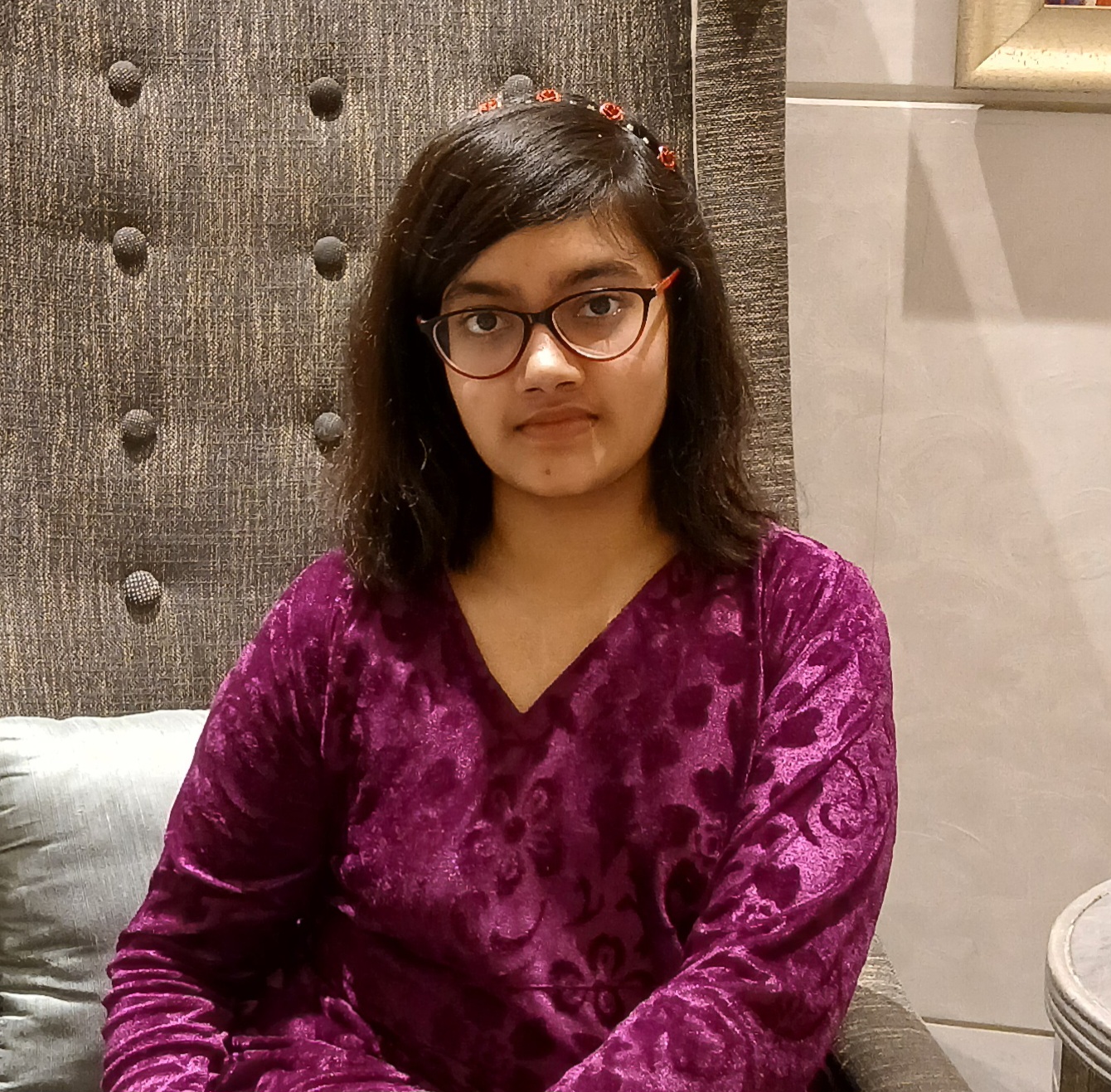
Soumili Rakshit
AuthorSoumili Rakshit is a Research Intern at the Centre for Security and Strategic Studies, where she contributes to research and analysis on contemporary security, foreign policy, and strategic affairs. Her work focuses on critically examining geopolitical developments, policy responses, and emerging global challenges through structured research and evidence-based writing. She is particularly interested in the intersections of politics, media, and international relations. At the Centre, she aims to engage in drafting analytical briefs, contributing to research projects and supporting knowledge dissemination initiatives.

Afridi Ahmed
AuthorAfridi Ahmed is a postgraduate in Conflict Analysis and Peacebuilding from Jamia Millia Islamia, New Delhi. He has interned with the Council for Strategic and Defense Research (CSDR), a New Delhi-based think tank. His research interests include strategic studies, Indo-Pacific security, China's strategic behaviour, and maritime geopolitics, with a particular focus on South and Southeast Asia.
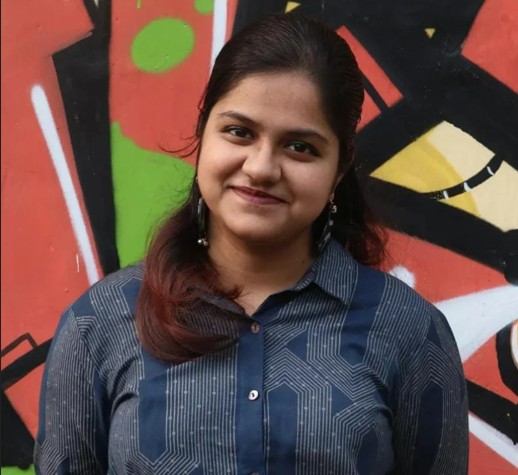
Adrija Bhattacharjee
AuthorAdrija Bhattacharjee is an undergraduate student of International Relations with research interests spanning security studies, geopolitics, public policy, and international law. With her minor in World History, her work engages with themes involving hybrid and grey-zone conflicts, border security and strategic studies surrounding South Asia and the Middle East. She is also interested in global governance, humanitarian issues, and policy-oriented research that bridges academic analysis with contemporary geopolitical developments. Adrija enjoys exploring how evolving political realities shape state behaviour and security strategies in the twenty-first century, on a global level.
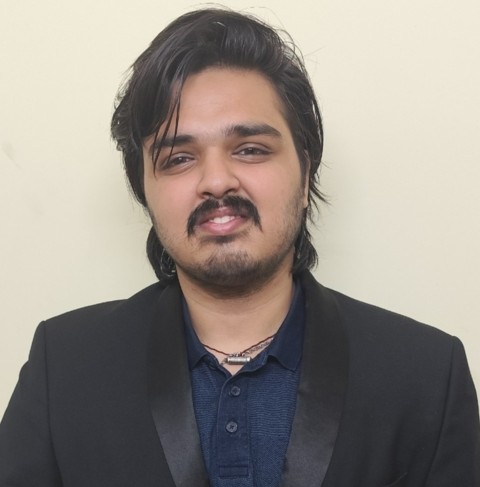
Bhaskar Jha
AuthorBhaskar Jha is a master's student in OP Jindal Global University. He is a budding researcher who has prior research experience gained at research centres and think tanks like the The Indian Netizens Co. And Center For Land Warfare Studies. He is a Political Science Gold Medalist and takes keen interest in Geopolitical hedging and Security Studies.
Interested in Publishing Policy Research at CeSCube?
We welcome analytical papers, policy briefs, and expert commentaries from scholars, defense analysts, and domain specialists.