

LIVE DISPATCH
• Prism of Dragon’s Maritime Assertiveness: Regional Implications and India’s Strategic Options • Between the Desert and the Savannah: Conflict and the Political Economy of Instability in the Sahel • The Architecture of Cooperation: Navigating East Asia's Geopolitical Landscape • The Politics of Ali Khamenei's Funeral • From Civil Nuclear Power to Nuclear Hedging: Saudi Arabia, Iran and the Emerging Nuclear Security Dilemma in the Middle East • Operation Sindoor and the Changing Dynamics of India–Pakistan Security • The Invisible Front: China-Pakistan Grey-Zone Operations • Generative AI, Labour Sovereignty, and the Geoeconomics of India's Service Economy • India's Agentic AI Strategy Needs Authority Budgets before Autonomy Scales • India's AI Diplomacy and the Future of Strategic Technologies • From Physical Borders to Intelligent Borders: The Evolution of India's Border Security Architecture • Lethal Autonomous Weapons Systems and the Governance Deficit: Challenges to International Humanitarian Law and Accountability • AI Driven Cyberwarfare and National Security • Great Power Rivalry and the Crisis of the United Nations • The Continuing U.S. Regime-Change Toolkit: Color Revolutions, Political Influence, and Vietnam • Ten Years After Brexit: Regret, Reform, or Reversal? • Digital Pathways to Extremism: An Investigative Study of ISIS and Al-Qaeda's Use of Digital Platforms in India • Sports, Strategy and Statecraft of Mega Sporting Events as Geoeconomic Instruments: Qatar 2022 to Saudi Arabia 2034 • Strategic Autonomy in the Age of Weaponised Interdependence: India’s Geopolitical Dilemma • Hardening the Quad: From Strategic Dialogue to Operational Cooperation • China’s Grey-Zone Strategy in the Indian Ocean: Implications for India’s Maritime Security • The Maghreb of States: Identity, Sovereignty, and the Limits of Non-Interference • Europe’s Digital Dependence: Can the EU Achieve Strategic Autonomy? • Beyond the Battlefield: Understanding Unconventional Security Challenges in Contemporary Geopolitics • Cuba’s Economic Crisis and Strategic Relevance: A Peripheral State in Renewed Great Power Competition • Trapped in Deterrence: Nuclear Stability and the Persistence of Conflict in South Asia • Loss and Damage Finance: From COP28 Pledges to Policy Architecture • Extended Deterrence Under Strain: Credibility, Assurance, and the Stability-Instability Paradox in the Indo-Pacific • Beyond Consultation: BIMSTEC's Emerging Role in Regional Intelligence and Security Cooperation • Maritime India: Security, Trade, and Great Power Competition • Beyond Ukraine: Understanding Putin's Vision of Russian Power • Silicon Sovereignty: How Semiconductors Are Redrawing Global Power Hierarchies • The Negative Impact of US–Iran War on the Pacific Region • BRICS Expansion and the Multipolar Moment: Opportunity or Strategic Contradiction? • Foot-Dragging as Feminism: Iran, South Korea, and the Ungovernable Body • Beyond Proximity: Why the UAE Occupies a Growing Place in Iran’s Strategic Calculus • Why Fiji Matters: The New Geopolitics of the Indo-Pacific Islands • The Long Shadow of 1953: Understanding the Iran–US Conflict • Border Fencing and National security: India’s Strategy along the Bangladesh Border • Lingering Effects of the Bush Doctrine on Contemporary US Foreign Policy • Prism of Dragon’s Maritime Assertiveness: Regional Implications and India’s Strategic Options • Between the Desert and the Savannah: Conflict and the Political Economy of Instability in the Sahel • The Architecture of Cooperation: Navigating East Asia's Geopolitical Landscape • The Politics of Ali Khamenei's Funeral • From Civil Nuclear Power to Nuclear Hedging: Saudi Arabia, Iran and the Emerging Nuclear Security Dilemma in the Middle East • Operation Sindoor and the Changing Dynamics of India–Pakistan Security • The Invisible Front: China-Pakistan Grey-Zone Operations • Generative AI, Labour Sovereignty, and the Geoeconomics of India's Service Economy • India's Agentic AI Strategy Needs Authority Budgets before Autonomy Scales • India's AI Diplomacy and the Future of Strategic Technologies • From Physical Borders to Intelligent Borders: The Evolution of India's Border Security Architecture • Lethal Autonomous Weapons Systems and the Governance Deficit: Challenges to International Humanitarian Law and Accountability • AI Driven Cyberwarfare and National Security • Great Power Rivalry and the Crisis of the United Nations • The Continuing U.S. Regime-Change Toolkit: Color Revolutions, Political Influence, and Vietnam • Ten Years After Brexit: Regret, Reform, or Reversal? • Digital Pathways to Extremism: An Investigative Study of ISIS and Al-Qaeda's Use of Digital Platforms in India • Sports, Strategy and Statecraft of Mega Sporting Events as Geoeconomic Instruments: Qatar 2022 to Saudi Arabia 2034 • Strategic Autonomy in the Age of Weaponised Interdependence: India’s Geopolitical Dilemma • Hardening the Quad: From Strategic Dialogue to Operational Cooperation • China’s Grey-Zone Strategy in the Indian Ocean: Implications for India’s Maritime Security • The Maghreb of States: Identity, Sovereignty, and the Limits of Non-Interference • Europe’s Digital Dependence: Can the EU Achieve Strategic Autonomy? • Beyond the Battlefield: Understanding Unconventional Security Challenges in Contemporary Geopolitics • Cuba’s Economic Crisis and Strategic Relevance: A Peripheral State in Renewed Great Power Competition • Trapped in Deterrence: Nuclear Stability and the Persistence of Conflict in South Asia • Loss and Damage Finance: From COP28 Pledges to Policy Architecture • Extended Deterrence Under Strain: Credibility, Assurance, and the Stability-Instability Paradox in the Indo-Pacific • Beyond Consultation: BIMSTEC's Emerging Role in Regional Intelligence and Security Cooperation • Maritime India: Security, Trade, and Great Power Competition • Beyond Ukraine: Understanding Putin's Vision of Russian Power • Silicon Sovereignty: How Semiconductors Are Redrawing Global Power Hierarchies • The Negative Impact of US–Iran War on the Pacific Region • BRICS Expansion and the Multipolar Moment: Opportunity or Strategic Contradiction? • Foot-Dragging as Feminism: Iran, South Korea, and the Ungovernable Body • Beyond Proximity: Why the UAE Occupies a Growing Place in Iran’s Strategic Calculus • Why Fiji Matters: The New Geopolitics of the Indo-Pacific Islands • The Long Shadow of 1953: Understanding the Iran–US Conflict • Border Fencing and National security: India’s Strategy along the Bangladesh Border • Lingering Effects of the Bush Doctrine on Contemporary US Foreign Policy
Gitanjali Sinha Roy
AUTHOR

Gitanjali Sinha Roy

Gitanjali Sinha Roy is Assiatnt Professor at O P Jindla Global University and is a Ph.D. scholar at the Department of East Asian Studies, University of Delhi with specialisation in Japanese Studies. At present, she is a visiting Monbukagakusho (MEXT) Scholar at the University of Tokyo. Her M.Phil dissertation was Role of Female Labour Force in Japanese Economic Development: A Case Study of Womenomics in Abe's Reform Strategy. Gitanjali is a graduate in Political Science (Hons) from Miranda House and completed her post-graduation from Lady Shri Ram College of Commerce in Political Science as well. Her interest areas comprise of India and Japan's Foreign Policy, Security Strategy and Diplomacy, India-Japan Relations: Maritime Security and Strategy in the Indo-Pacific and Southeast Asian and South Asian Politics, Security Strategy and Diplomacy. Ms Roy had worked working with Centre for Land Warfare Studies(CLAWS) as a research assistant. Gitanjali Sinha Roy is a Research Associate at the Centre for Security and Security Studies (CESCUBE) and apart from this, she is a Fellow at the Japan Division at CESCUBE

Found 25 published strategic papers & commentaries
ADVERTISEMENT
Abe-San, till we meet again!
World
Gitanjali Sinha Roy • Jul 12, 2022

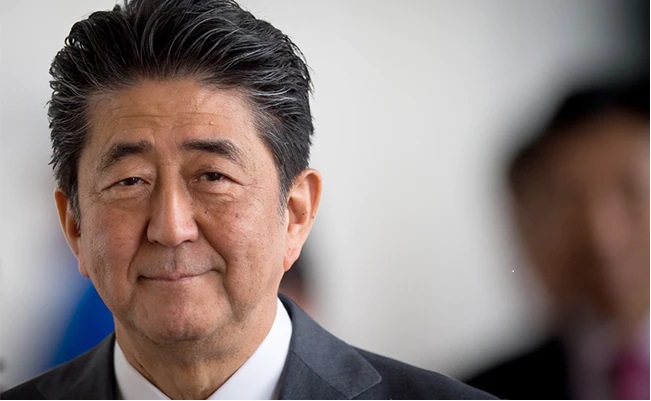
Abe-San, till we meet again!

Dead perturbs people, it brings out the pain and the feeling of loss. Globally, there are rare occasions when people love and follow a leader so dearly. On 8th July 2022, the world experienced immense pain and loss as Former Prime Minister ...

2473
Post-Covid Convergences between India-Japan
COMMENTARY
Gitanjali Sinha Roy • Apr 21, 2022

Post-Covid Convergences between India-Japan

Prime Minister of Japan Fumio Kishida visited India on a two-day visit from 19 March to 20 March 2022 for the 14th India-Japan Annual Summit. The two countries over the years have developed themselves in multi-faceted domains of cooperation...

1918
Possible Pointers for Modi-Kishida Summit
Politics
Gitanjali Sinha Roy • Mar 16, 2022

Possible Pointers for Modi-Kishida Summit

In the next few days, India would be hosting the Japanese Prime Minister Fumio Kishida from 19 March 2022 to 20 March 2022. It has to be understood that India and Japan already share a long-lasting friendship and since 2000s, both the count...

1856
Displaying 1 - 6 of{' '} 25 results.

Discover more

Geopolitical Focus Areas