
LIVE DISPATCH
• The Shangri-La Dialogue: Assessing its role in shaping the Indo-Pacific Security Order • Bridging the Fifth-Generation Gap: India's Su-57E Dilemma, AMCA, and Strategic Autonomy • The Quantum–Intelligence Nexus: Exploring the Strategic Interdependence of Quantum Computing and National Security Intelligence — An Indian Perspective • Regulation as Power? The EU, US and China in the Geopolitics of Artificial Intelligence • 16 Years in the Making: What India's Javelin Deal Really Signals • The New Defence Architecture: Deconstructing the India-Belgium Geostrategic Win • Who Gets to Say “We Are the Ocean”? Hau’ofa, the Blue Pacific, and the politics of representation • Beyond Oil: Saudi Arabia's Civil Nuclear Deal with the United States • The Fifth Plenum Resolution and the Distribution of Power in the CPC • The Myth of Mankind's Inheritance: China, the US, and the Battle for the Clarion-Clipperton Zone • Energy Security and European Strategic Autonomy: Has the EU’s Shift Away from Russian Fossil Fuels Strengthened Its Strategic Autonomy? • China's Surveillance Architecture in the Bay of Bengal and Its Strategic Implications • Old Threat, New Currents: Piracy, Narco-Trafficking, and India's Response in the Western Indian Ocean • A Reformer for an Institution in Decline: What does the Next Secretary-General Inherits? • Beyond Rare Earths: Sulphuric Acid and the Hidden Vulnerabilities of Critical Mineral Supply Chains • Silent Depths, Loud Signals: Nuclear Deterrence Infrastructure and the Crisis-Stability Costs of India’s Indo-Pacific Maritime Partnerships • Microplastic Pollution and Marine Environmental Security in the Indo-Pacific: An Indonesian Perspective • Securing India's Digital Frontiers: Cybersecurity Challenges and Strategic Responses in the Age of Hybrid Warfare • Structural Parallels in American Coercive Diplomacy: The US-Cuban and US-Iranian Conflicts • Prism of Dragon’s Maritime Assertiveness: Regional Implications and India’s Strategic Options • Cybersecurity and European Strategic Autonomy: Can Europe Reduce Its Dependence on Foreign Digital Infrastructure? • The Architecture of Cooperation: Navigating East Asia's Geopolitical Landscape • India’s Maritime Ties with Tanzania: Challenges and Opportunities in the Indian Ocean Region • From Civil Nuclear Power to Nuclear Hedging: Saudi Arabia, Iran and the Emerging Nuclear Security Dilemma in the Middle East • Beyond Trade: Japan’s New Quest for Economic Security • The Invisible Front: China-Pakistan Grey-Zone Operations • The Pacific: Strategic Competition and the Return of Power Politics • India's Agentic AI Strategy Needs Authority Budgets before Autonomy Scales • Arctic Geopolitics: From Frozen Frontier to Global Contest • From Physical Borders to Intelligent Borders: The Evolution of India's Border Security Architecture • AI Driven Cyberwarfare and National Security • The Continuing U.S. Regime-Change Toolkit: Color Revolutions, Political Influence, and Vietnam • Digital Pathways to Extremism: An Investigative Study of ISIS and Al-Qaeda's Use of Digital Platforms in India • Strategic Autonomy in the Age of Weaponised Interdependence: India’s Geopolitical Dilemma • China’s Grey-Zone Strategy in the Indian Ocean: Implications for India’s Maritime Security • Europe’s Digital Dependence: Can the EU Achieve Strategic Autonomy? • Cuba’s Economic Crisis and Strategic Relevance: A Peripheral State in Renewed Great Power Competition • Loss and Damage Finance: From COP28 Pledges to Policy Architecture • Beyond Consultation: BIMSTEC's Emerging Role in Regional Intelligence and Security Cooperation • Between the Desert and the Savannah: Conflict and the Political Economy of Instability in the Sahel • The Shangri-La Dialogue: Assessing its role in shaping the Indo-Pacific Security Order • Bridging the Fifth-Generation Gap: India's Su-57E Dilemma, AMCA, and Strategic Autonomy • The Quantum–Intelligence Nexus: Exploring the Strategic Interdependence of Quantum Computing and National Security Intelligence — An Indian Perspective • Regulation as Power? The EU, US and China in the Geopolitics of Artificial Intelligence • 16 Years in the Making: What India's Javelin Deal Really Signals • The New Defence Architecture: Deconstructing the India-Belgium Geostrategic Win • Who Gets to Say “We Are the Ocean”? Hau’ofa, the Blue Pacific, and the politics of representation • Beyond Oil: Saudi Arabia's Civil Nuclear Deal with the United States • The Fifth Plenum Resolution and the Distribution of Power in the CPC • The Myth of Mankind's Inheritance: China, the US, and the Battle for the Clarion-Clipperton Zone • Energy Security and European Strategic Autonomy: Has the EU’s Shift Away from Russian Fossil Fuels Strengthened Its Strategic Autonomy? • China's Surveillance Architecture in the Bay of Bengal and Its Strategic Implications • Old Threat, New Currents: Piracy, Narco-Trafficking, and India's Response in the Western Indian Ocean • A Reformer for an Institution in Decline: What does the Next Secretary-General Inherits? • Beyond Rare Earths: Sulphuric Acid and the Hidden Vulnerabilities of Critical Mineral Supply Chains • Silent Depths, Loud Signals: Nuclear Deterrence Infrastructure and the Crisis-Stability Costs of India’s Indo-Pacific Maritime Partnerships • Microplastic Pollution and Marine Environmental Security in the Indo-Pacific: An Indonesian Perspective • Securing India's Digital Frontiers: Cybersecurity Challenges and Strategic Responses in the Age of Hybrid Warfare • Structural Parallels in American Coercive Diplomacy: The US-Cuban and US-Iranian Conflicts • Prism of Dragon’s Maritime Assertiveness: Regional Implications and India’s Strategic Options • Cybersecurity and European Strategic Autonomy: Can Europe Reduce Its Dependence on Foreign Digital Infrastructure? • The Architecture of Cooperation: Navigating East Asia's Geopolitical Landscape • India’s Maritime Ties with Tanzania: Challenges and Opportunities in the Indian Ocean Region • From Civil Nuclear Power to Nuclear Hedging: Saudi Arabia, Iran and the Emerging Nuclear Security Dilemma in the Middle East • Beyond Trade: Japan’s New Quest for Economic Security • The Invisible Front: China-Pakistan Grey-Zone Operations • The Pacific: Strategic Competition and the Return of Power Politics • India's Agentic AI Strategy Needs Authority Budgets before Autonomy Scales • Arctic Geopolitics: From Frozen Frontier to Global Contest • From Physical Borders to Intelligent Borders: The Evolution of India's Border Security Architecture • AI Driven Cyberwarfare and National Security • The Continuing U.S. Regime-Change Toolkit: Color Revolutions, Political Influence, and Vietnam • Digital Pathways to Extremism: An Investigative Study of ISIS and Al-Qaeda's Use of Digital Platforms in India • Strategic Autonomy in the Age of Weaponised Interdependence: India’s Geopolitical Dilemma • China’s Grey-Zone Strategy in the Indian Ocean: Implications for India’s Maritime Security • Europe’s Digital Dependence: Can the EU Achieve Strategic Autonomy? • Cuba’s Economic Crisis and Strategic Relevance: A Peripheral State in Renewed Great Power Competition • Loss and Damage Finance: From COP28 Pledges to Policy Architecture • Beyond Consultation: BIMSTEC's Emerging Role in Regional Intelligence and Security Cooperation • Between the Desert and the Savannah: Conflict and the Political Economy of Instability in the Sahel

Search CeSCube Intelligence Archives

Search Results for “ASEAN Security”

144 total results found
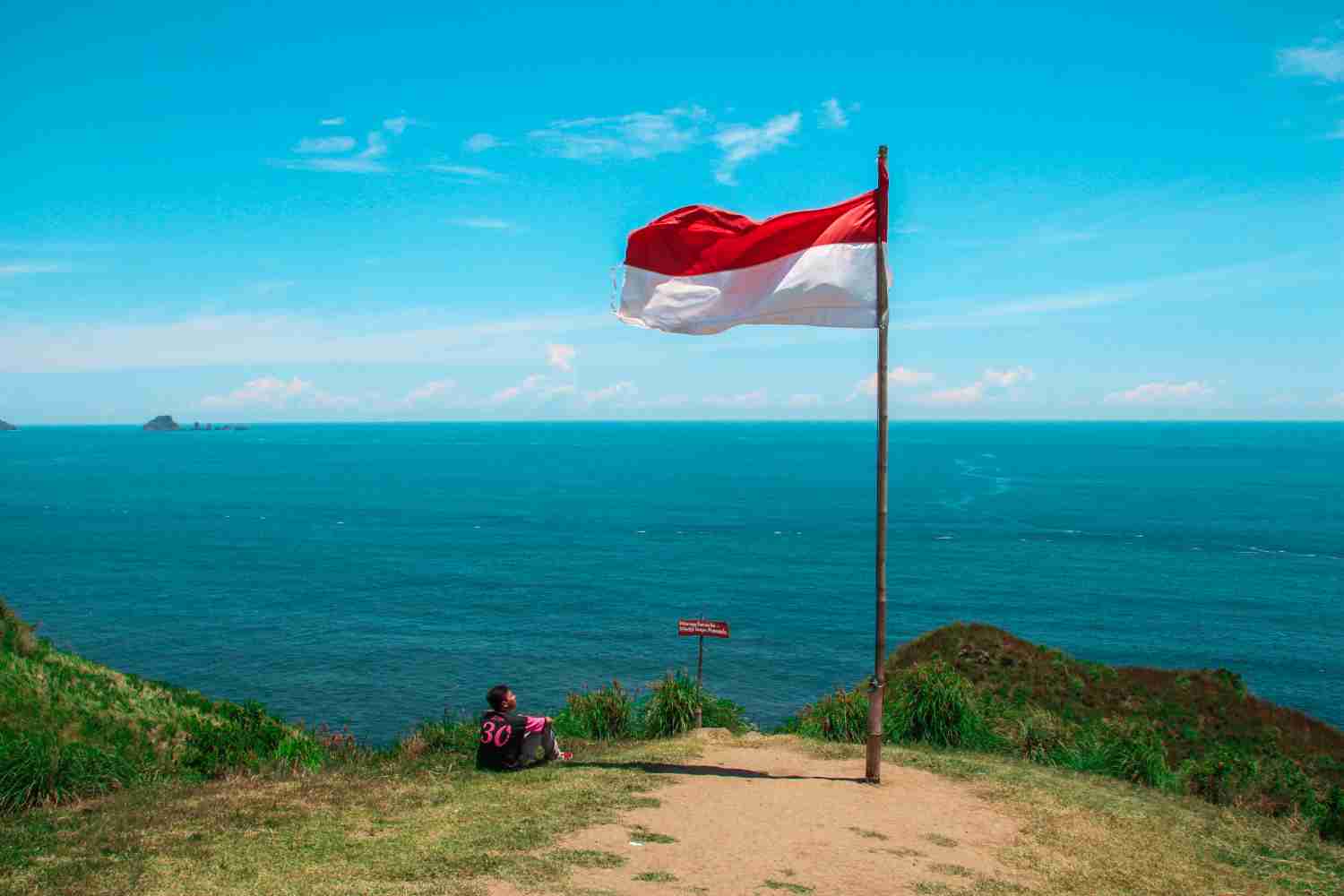
 Troubled Waters: Indonesia & the South China Sea
Security
Khyati Singh • Oct 8, 2021

Troubled Waters: Indonesia & the South China Sea

It's next to impossible to have a state in the vicinity of China that has remained untouched by conflict concerning the South China Sea. Indonesia is amongst it, but it’s cause has been far more entangled and unique than others. It primaril...

2,411 views
India-Korea CEPA: Finalizing the Review
Economics
Vaibhav Tomar • Oct 6, 2021

India-Korea CEPA: Finalizing the Review

The growing economic and trade ties between India and Korea have strengthened in the recent years. In 2018, the two countries' annual trade surpassed the $20 billion mark for the first time. Through the CEPA, India and Korea have been able ...

2,041 views
Takeaways from Kamala Harris Visit to Southeast Asia
Politics
Gaurav Sen • Sep 19, 2021

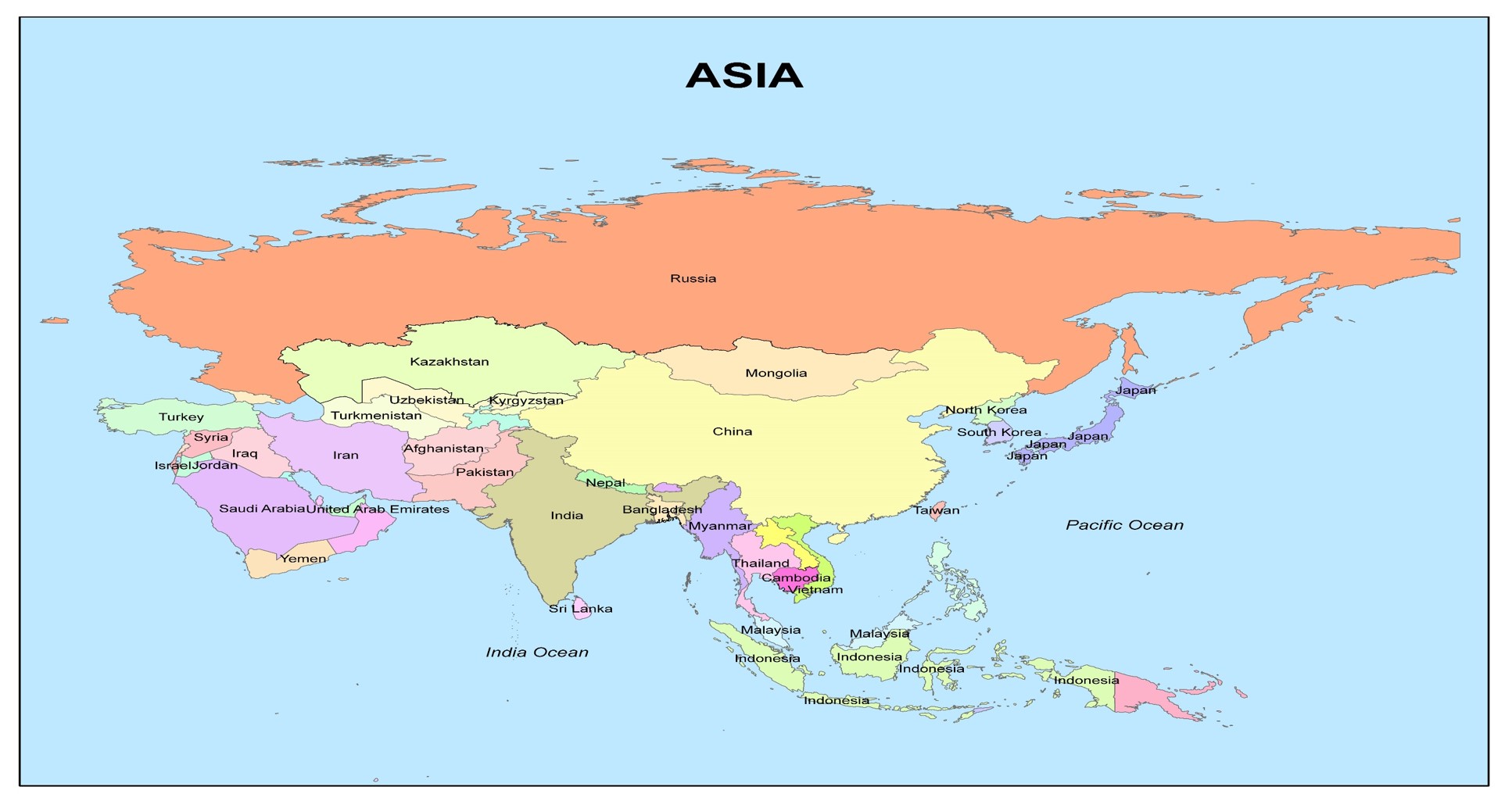
Takeaways from Kamala Harris Visit to Southeast Asia

As the world slowly coming with the terms of the Taliban takeover in Afghanistan, many observers said that the unexpected US debacle on Afghan soil gathers semblance of its pack up from Saigon, Vietnam. The scathing rupture in US credibilit...

2,294 views
Implementation of RCEP: Envisioning its future
Economics
Vaibhav Tomar • Sep 19, 2021

Implementation of RCEP: Envisioning its future

Japan has approved the biggest trade deal in the world in June 2021. The agreement, which is called the RCEP, will take effect in January 2022.RCEP is a free trade agreement between the US, China, Japan, and South Korea. It will create a ma...

2,583 views
Time to reinvent India-Vietnam defence ties
Military
Gaurav Sen • Sep 12, 2021

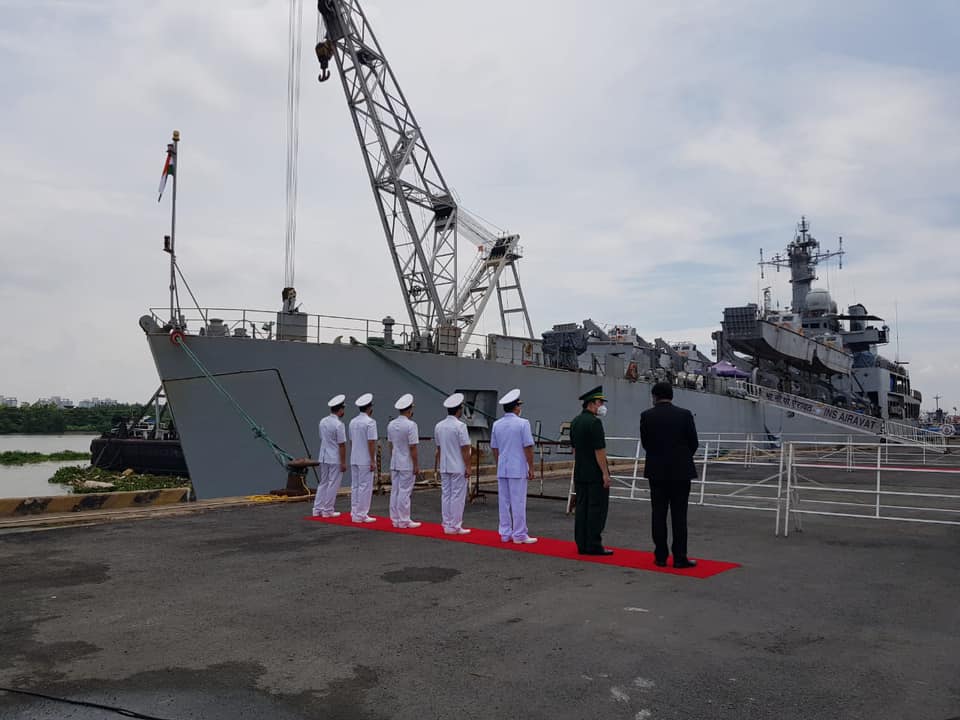
Time to reinvent India-Vietnam defence ties

The unabated rise of china and its uncontrolled muscle flexing around its periphery is disliked by many of its neighbors. India and Vietnam are the two countries that shares borders with China also share the frustration created by it at the...

2,034 views
Time to reinvigorate BIMSTEC
Politics
Gaurav Sen • Aug 13, 2021

Time to reinvigorate BIMSTEC

For India, the Bay of Bengal Initiative for Multi-Sectoral Technical and Economic Cooperation (BIMSTEC) presents an exceptional opportunity in forwarding its major foreign policy goals of ‘Neighbourhood first’ and ‘Act East. The geostrategi...

2,817 views
Japan's military assistance programme in Southeast Asia
Military
Abhijeet Nehra • Jul 10, 2021

Japan's military assistance programme in Southeast Asia

Japan in response to an assertive Beijing and a belligerent Pyongyang on its doorstep has stepped up engagement in the region through military assistance. However, to fully comprehend what drives Tokyo’s aid, we need to recognize the role m...

3,283 views
Myanmar Coup and ASEAN’s Response
Politics
Krupa Vasani • Jul 7, 2021

Myanmar Coup and ASEAN’s Response

Myanmar's political history is riffed with repressive government policies, civil war and military rule. This has resulted in a long history of political demonstrations and protests by the citizens as the isolationist economic policies have ...

2,784 views
Canada’s approach towards Indo-Pacific Construct
Security
Aastha Saluja • Jun 28, 2021

Canada’s approach towards Indo-Pacific Construct

Indo-Pacific in the recent times has emerged as the engine of economic growth, bordering significant bilateral and multilateral ties such as the Comprehensive and Progressive Transpacific Partnership (CPTPP) and the Regional Comprehensive E...

2,086 views
Displaying 73 - 84 of 144 results.

Discover more

Geopolitical Focus Areas