LIVE DISPATCH
• Foot Prints of British Intelligence Services in the Post Independent Sri Lanka • Arctic Geopolitics: From Frozen Frontier to Global Contest • The Shangri-La Dialogue: Assessing its role in shaping the Indo-Pacific Security Order • Bridging the Fifth-Generation Gap: India's Su-57E Dilemma, AMCA, and Strategic Autonomy • The Quantum–Intelligence Nexus: Exploring the Strategic Interdependence of Quantum Computing and National Security Intelligence — An Indian Perspective • Regulation as Power? The EU, US and China in the Geopolitics of Artificial Intelligence • 16 Years in the Making: What India's Javelin Deal Really Signals • The New Defence Architecture: Deconstructing the India-Belgium Geostrategic Win • Who Gets to Say “We Are the Ocean”? Hau’ofa, the Blue Pacific, and the politics of representation • Beyond Oil: Saudi Arabia's Civil Nuclear Deal with the United States • The Fifth Plenum Resolution and the Distribution of Power in the CPC • The Myth of Mankind's Inheritance: China, the US, and the Battle for the Clarion-Clipperton Zone • Energy Security and European Strategic Autonomy: Has the EU’s Shift Away from Russian Fossil Fuels Strengthened Its Strategic Autonomy? • China's Surveillance Architecture in the Bay of Bengal and Its Strategic Implications • Old Threat, New Currents: Piracy, Narco-Trafficking, and India's Response in the Western Indian Ocean • A Reformer for an Institution in Decline: What does the Next Secretary-General Inherits? • Beyond Rare Earths: Sulphuric Acid and the Hidden Vulnerabilities of Critical Mineral Supply Chains • Silent Depths, Loud Signals: Nuclear Deterrence Infrastructure and the Crisis-Stability Costs of India’s Indo-Pacific Maritime Partnerships • Microplastic Pollution and Marine Environmental Security in the Indo-Pacific: An Indonesian Perspective • Securing India's Digital Frontiers: Cybersecurity Challenges and Strategic Responses in the Age of Hybrid Warfare • Structural Parallels in American Coercive Diplomacy: The US-Cuban and US-Iranian Conflicts • Prism of Dragon’s Maritime Assertiveness: Regional Implications and India’s Strategic Options • Cybersecurity and European Strategic Autonomy: Can Europe Reduce Its Dependence on Foreign Digital Infrastructure? • The Architecture of Cooperation: Navigating East Asia's Geopolitical Landscape • India’s Maritime Ties with Tanzania: Challenges and Opportunities in the Indian Ocean Region • From Civil Nuclear Power to Nuclear Hedging: Saudi Arabia, Iran and the Emerging Nuclear Security Dilemma in the Middle East • Beyond Trade: Japan’s New Quest for Economic Security • The Invisible Front: China-Pakistan Grey-Zone Operations • The Pacific: Strategic Competition and the Return of Power Politics • India's Agentic AI Strategy Needs Authority Budgets before Autonomy Scales • From Physical Borders to Intelligent Borders: The Evolution of India's Border Security Architecture • AI Driven Cyberwarfare and National Security • The Continuing U.S. Regime-Change Toolkit: Color Revolutions, Political Influence, and Vietnam • Digital Pathways to Extremism: An Investigative Study of ISIS and Al-Qaeda's Use of Digital Platforms in India • Strategic Autonomy in the Age of Weaponised Interdependence: India’s Geopolitical Dilemma • China’s Grey-Zone Strategy in the Indian Ocean: Implications for India’s Maritime Security • Europe’s Digital Dependence: Can the EU Achieve Strategic Autonomy? • Cuba’s Economic Crisis and Strategic Relevance: A Peripheral State in Renewed Great Power Competition • Loss and Damage Finance: From COP28 Pledges to Policy Architecture • Beyond Consultation: BIMSTEC's Emerging Role in Regional Intelligence and Security Cooperation • Foot Prints of British Intelligence Services in the Post Independent Sri Lanka • Arctic Geopolitics: From Frozen Frontier to Global Contest • The Shangri-La Dialogue: Assessing its role in shaping the Indo-Pacific Security Order • Bridging the Fifth-Generation Gap: India's Su-57E Dilemma, AMCA, and Strategic Autonomy • The Quantum–Intelligence Nexus: Exploring the Strategic Interdependence of Quantum Computing and National Security Intelligence — An Indian Perspective • Regulation as Power? The EU, US and China in the Geopolitics of Artificial Intelligence • 16 Years in the Making: What India's Javelin Deal Really Signals • The New Defence Architecture: Deconstructing the India-Belgium Geostrategic Win • Who Gets to Say “We Are the Ocean”? Hau’ofa, the Blue Pacific, and the politics of representation • Beyond Oil: Saudi Arabia's Civil Nuclear Deal with the United States • The Fifth Plenum Resolution and the Distribution of Power in the CPC • The Myth of Mankind's Inheritance: China, the US, and the Battle for the Clarion-Clipperton Zone • Energy Security and European Strategic Autonomy: Has the EU’s Shift Away from Russian Fossil Fuels Strengthened Its Strategic Autonomy? • China's Surveillance Architecture in the Bay of Bengal and Its Strategic Implications • Old Threat, New Currents: Piracy, Narco-Trafficking, and India's Response in the Western Indian Ocean • A Reformer for an Institution in Decline: What does the Next Secretary-General Inherits? • Beyond Rare Earths: Sulphuric Acid and the Hidden Vulnerabilities of Critical Mineral Supply Chains • Silent Depths, Loud Signals: Nuclear Deterrence Infrastructure and the Crisis-Stability Costs of India’s Indo-Pacific Maritime Partnerships • Microplastic Pollution and Marine Environmental Security in the Indo-Pacific: An Indonesian Perspective • Securing India's Digital Frontiers: Cybersecurity Challenges and Strategic Responses in the Age of Hybrid Warfare • Structural Parallels in American Coercive Diplomacy: The US-Cuban and US-Iranian Conflicts • Prism of Dragon’s Maritime Assertiveness: Regional Implications and India’s Strategic Options • Cybersecurity and European Strategic Autonomy: Can Europe Reduce Its Dependence on Foreign Digital Infrastructure? • The Architecture of Cooperation: Navigating East Asia's Geopolitical Landscape • India’s Maritime Ties with Tanzania: Challenges and Opportunities in the Indian Ocean Region • From Civil Nuclear Power to Nuclear Hedging: Saudi Arabia, Iran and the Emerging Nuclear Security Dilemma in the Middle East • Beyond Trade: Japan’s New Quest for Economic Security • The Invisible Front: China-Pakistan Grey-Zone Operations • The Pacific: Strategic Competition and the Return of Power Politics • India's Agentic AI Strategy Needs Authority Budgets before Autonomy Scales • From Physical Borders to Intelligent Borders: The Evolution of India's Border Security Architecture • AI Driven Cyberwarfare and National Security • The Continuing U.S. Regime-Change Toolkit: Color Revolutions, Political Influence, and Vietnam • Digital Pathways to Extremism: An Investigative Study of ISIS and Al-Qaeda's Use of Digital Platforms in India • Strategic Autonomy in the Age of Weaponised Interdependence: India’s Geopolitical Dilemma • China’s Grey-Zone Strategy in the Indian Ocean: Implications for India’s Maritime Security • Europe’s Digital Dependence: Can the EU Achieve Strategic Autonomy? • Cuba’s Economic Crisis and Strategic Relevance: A Peripheral State in Renewed Great Power Competition • Loss and Damage Finance: From COP28 Pledges to Policy Architecture • Beyond Consultation: BIMSTEC's Emerging Role in Regional Intelligence and Security Cooperation

Search CeSCube Intelligence Archives

Search Results for “Intelligence Cooperation”

165 total results found
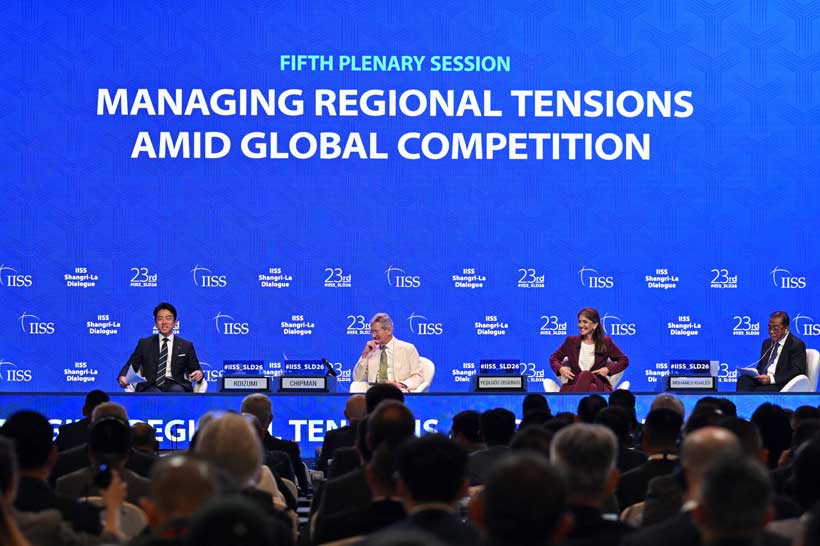
Meeting of Spy Chiefs in Singapore
Intelligence
Neha Singh Dayma • Jul 17, 2023

Meeting of Spy Chiefs in Singapore

In today's complex and interconnected world, intelligence agencies play a critical role in safeguarding national security interests. As global threats continue to evolve and grow in complexity, intelligence cooperation and information shari...

12,063 views
India and Israel: Cooperation Beyond Security
World
Gaurav Sen • May 2, 2022

India and Israel: Cooperation Beyond Security

Recently, India and Israel celebrated their 30th anniversary of establishing the diplomatic relations. Before that India due to the Nehruvian Policies and Non-Aligned Movement followed the path more eschewed towards Palestine, barring it fr...

2,174 views
Modi and Morrison Summit Meeting-Likely Agenda Points
Politics
Pankaj Jha • Jun 1, 2020

Modi and Morrison Summit Meeting-Likely Agenda Points

The one of its kind virtual summit meeting between Prime Ministers of India and Australia - Narendra Modi and Scott Morrison is going to take place on June 4th and the agenda for the meeting is already long. Given the post-Covid 19 dynamics...

9,770 views
Displaying 1 - 12 of 165 results.

Discover more

Geopolitical Focus Areas