China- Bhutan sign MoU on border issues
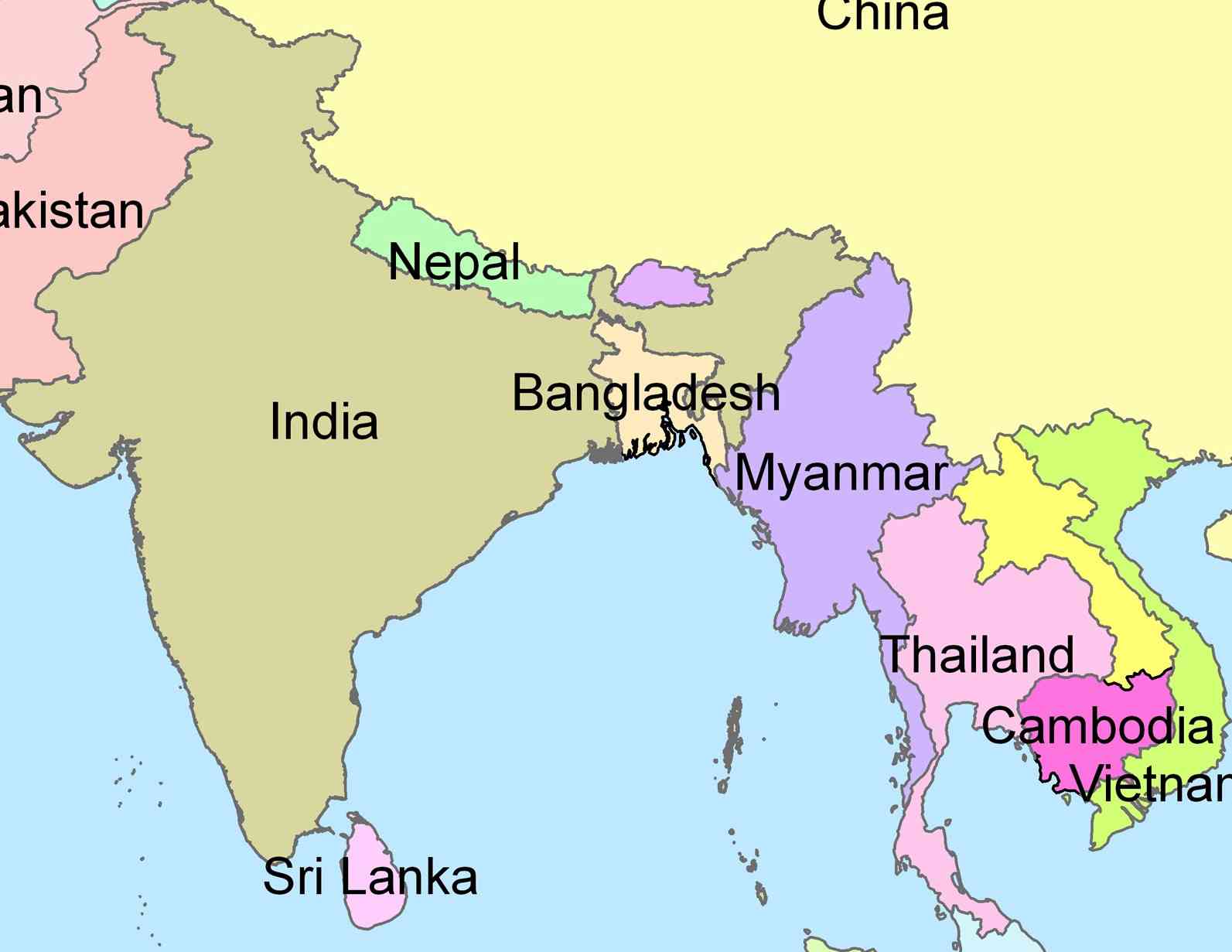
Since 1984, talks between Bhutan and China have largely focused on two separate areas of dispute, including Doklam and other areas in Bhutan’s West.
The continuing territorial dispute between India and China in Galwan Valley has had an effect on Indian subcontinent geopolitics. Even if Indian and Chinese soldiers leave Ladakh, the whole subcontinent remains a hot iron, ready to preheat ...
Bhutan's Tshering Tobgay, a liberal politician and the leader of the People's Democratic Party (PDP), began his second term as Prime Minister in January 2024. According to a statement made on the Bhutanese King's official Facebook page, Kin...
Bhutan elections have been of interest to countries in its periphery including India and China. The new government will have to address challenges related to slow economic growth and unemployment.
On October 23, Lyonpo Tandi Dorji, Minister of Foreign Affairs and External Trade met with the Chinese Foreign Minister Wang Yi in Beijing as part of the 25th Round of Boundary Talks in Beijing where the Chinese delegation was led by Sun We...
Many South Asian countries are currently experiencing an economic crisis. The economies of Sri Lanka, Pakistan, Bangladesh, and Nepal have been facing severe trouble. The number of South Asian economies in turmoil only increases if we inclu...
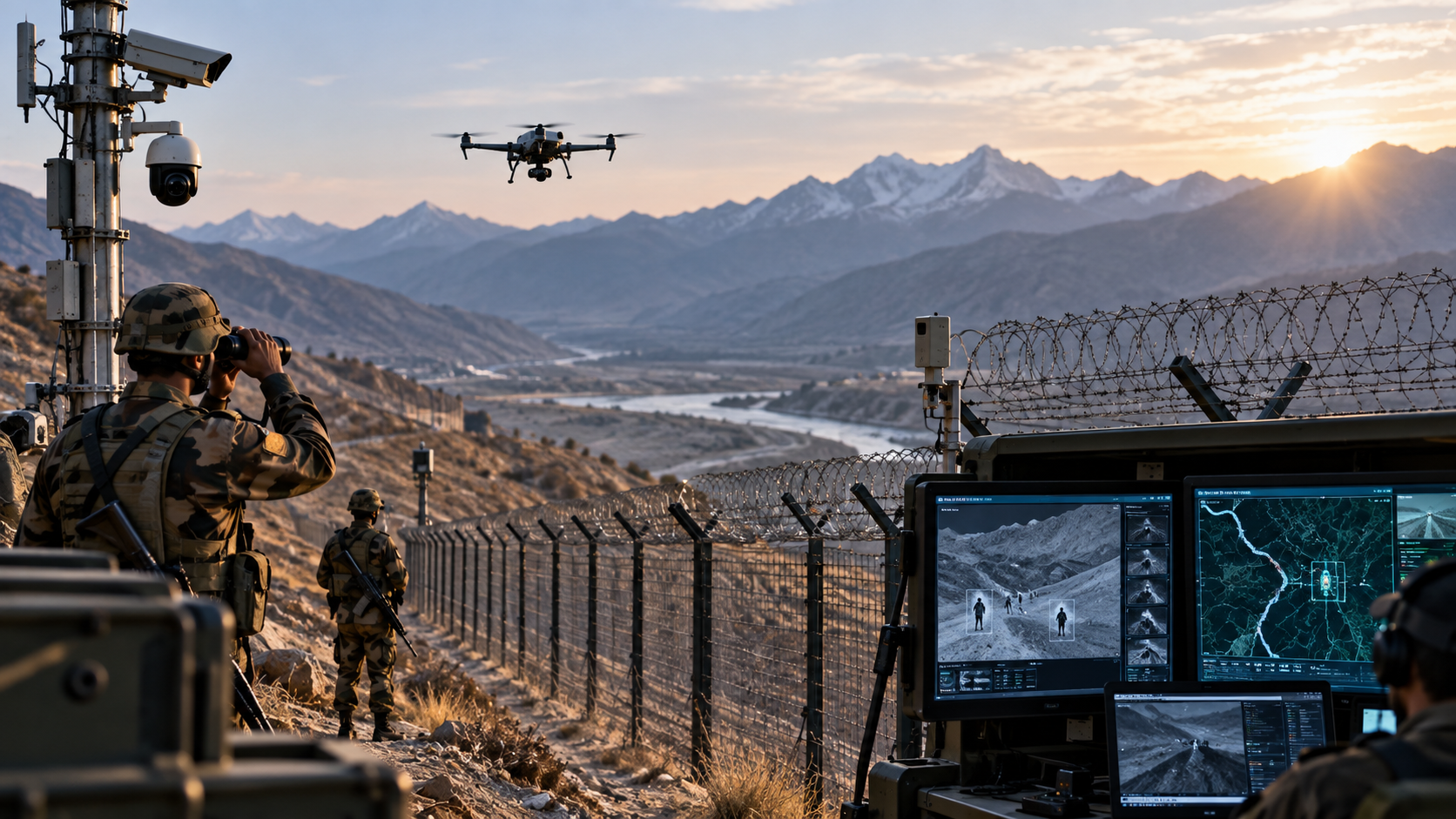
India’s border security architecture has evolved from a predominantly physical model based on fencing, floodlighting, checkpoints and human patrols towards an increasingly integrated system built around surveillance, data fusion and intelli...
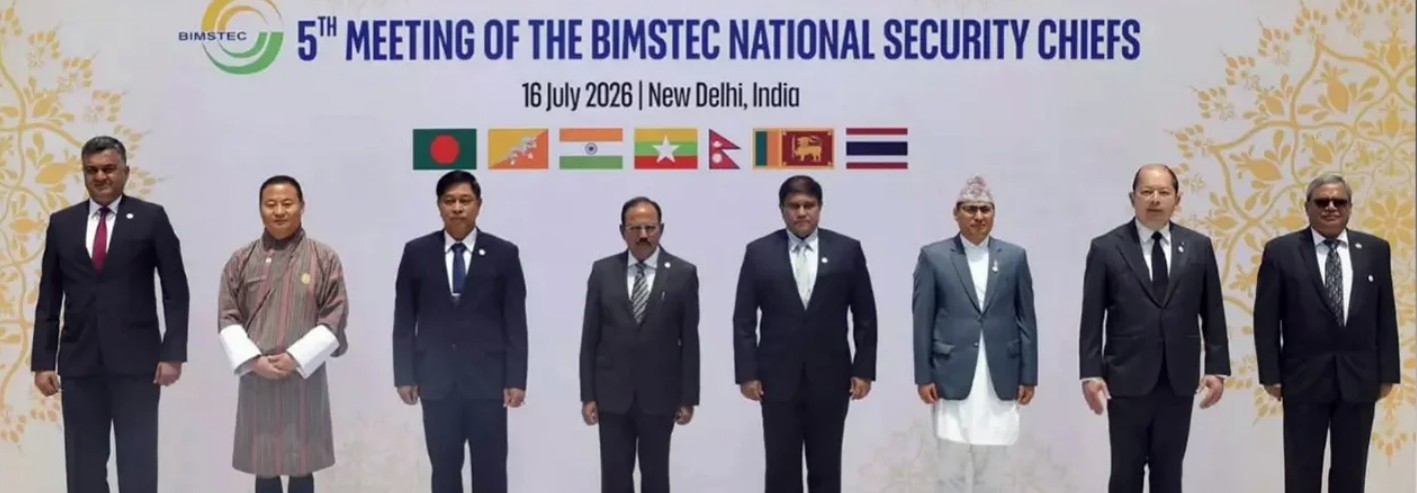
The 5th Meeting of the BIMSTEC National Security Chiefs, held in New Delhi in July 2026, highlighted the growing importance of intelligence and security cooperation in the Bay of Bengal region. This article examines the significance of the ...
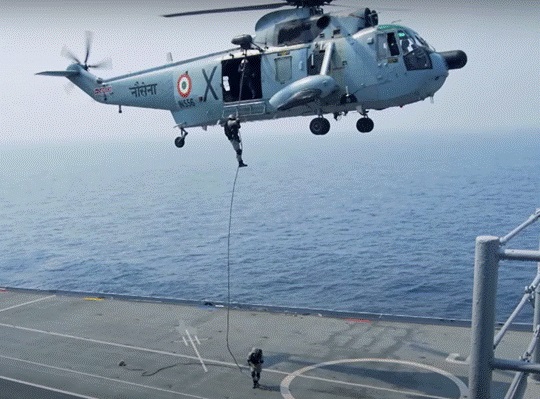
India’s security environment is shaped by the simultaneous pressures of continental threats and maritime competition, requiring a strategic balance between territorial defence, regional diplomacy, and power projection. Historical conflicts ...
The evolving security landscape of South Asia reflects a complex interplay of domestic instability, transnational threats, and great-power competition, with significant implications for India’s internal security architecture. The persistenc...
Low-intensity conflicts (LICs) have become a persistent feature of South Asia’s security landscape, operating below the threshold of conventional warfare while sustaining long-term instability across the region. This article examines the ro...
This paper explores whether India can truly embrace geoeconomics, what Robert D. Blackwill and Jennifer M. Harris call "war by other means", as a central part of its statecraft. In today's world, where open military conflict is often too co...