LIVE DISPATCH
• The Quantum–Intelligence Nexus: Exploring the Strategic Interdependence of Quantum Computing and National Security Intelligence — An Indian Perspective • Regulation as Power? The EU, US and China in the Geopolitics of Artificial Intelligence • 16 Years in the Making: What India's Javelin Deal Really Signals • The New Defence Architecture: Deconstructing the India-Belgium Geostrategic Win • Who Gets to Say “We Are the Ocean”? Hau’ofa, the Blue Pacific, and the politics of representation • Beyond Oil: Saudi Arabia's Civil Nuclear Deal with the United States • The Fifth Plenum Resolution and the Distribution of Power in the CPC • The Myth of Mankind's Inheritance: China, the US, and the Battle for the Clarion-Clipperton Zone • Energy Security and European Strategic Autonomy: Has the EU’s Shift Away from Russian Fossil Fuels Strengthened Its Strategic Autonomy? • China's Surveillance Architecture in the Bay of Bengal and Its Strategic Implications • Old Threat, New Currents: Piracy, Narco-Trafficking, and India's Response in the Western Indian Ocean • A Reformer for an Institution in Decline: What does the Next Secretary-General Inherits? • Beyond Rare Earths: Sulphuric Acid and the Hidden Vulnerabilities of Critical Mineral Supply Chains • Silent Depths, Loud Signals: Nuclear Deterrence Infrastructure and the Crisis-Stability Costs of India’s Indo-Pacific Maritime Partnerships • Microplastic Pollution and Marine Environmental Security in the Indo-Pacific: An Indonesian Perspective • Securing India's Digital Frontiers: Cybersecurity Challenges and Strategic Responses in the Age of Hybrid Warfare • Structural Parallels in American Coercive Diplomacy: The US-Cuban and US-Iranian Conflicts • Prism of Dragon’s Maritime Assertiveness: Regional Implications and India’s Strategic Options • Cybersecurity and European Strategic Autonomy: Can Europe Reduce Its Dependence on Foreign Digital Infrastructure? • The Architecture of Cooperation: Navigating East Asia's Geopolitical Landscape • India’s Maritime Ties with Tanzania: Challenges and Opportunities in the Indian Ocean Region • From Civil Nuclear Power to Nuclear Hedging: Saudi Arabia, Iran and the Emerging Nuclear Security Dilemma in the Middle East • Beyond Trade: Japan’s New Quest for Economic Security • The Invisible Front: China-Pakistan Grey-Zone Operations • The Pacific: Strategic Competition and the Return of Power Politics • India's Agentic AI Strategy Needs Authority Budgets before Autonomy Scales • Arctic Geopolitics: From Frozen Frontier to Global Contest • From Physical Borders to Intelligent Borders: The Evolution of India's Border Security Architecture • Bridging the Fifth-Generation Gap: India's Su-57E Dilemma, AMCA, and Strategic Autonomy • AI Driven Cyberwarfare and National Security • The Continuing U.S. Regime-Change Toolkit: Color Revolutions, Political Influence, and Vietnam • Digital Pathways to Extremism: An Investigative Study of ISIS and Al-Qaeda's Use of Digital Platforms in India • Strategic Autonomy in the Age of Weaponised Interdependence: India’s Geopolitical Dilemma • China’s Grey-Zone Strategy in the Indian Ocean: Implications for India’s Maritime Security • Europe’s Digital Dependence: Can the EU Achieve Strategic Autonomy? • Cuba’s Economic Crisis and Strategic Relevance: A Peripheral State in Renewed Great Power Competition • Loss and Damage Finance: From COP28 Pledges to Policy Architecture • Beyond Consultation: BIMSTEC's Emerging Role in Regional Intelligence and Security Cooperation • Between the Desert and the Savannah: Conflict and the Political Economy of Instability in the Sahel • The Politics of Ali Khamenei's Funeral • The Quantum–Intelligence Nexus: Exploring the Strategic Interdependence of Quantum Computing and National Security Intelligence — An Indian Perspective • Regulation as Power? The EU, US and China in the Geopolitics of Artificial Intelligence • 16 Years in the Making: What India's Javelin Deal Really Signals • The New Defence Architecture: Deconstructing the India-Belgium Geostrategic Win • Who Gets to Say “We Are the Ocean”? Hau’ofa, the Blue Pacific, and the politics of representation • Beyond Oil: Saudi Arabia's Civil Nuclear Deal with the United States • The Fifth Plenum Resolution and the Distribution of Power in the CPC • The Myth of Mankind's Inheritance: China, the US, and the Battle for the Clarion-Clipperton Zone • Energy Security and European Strategic Autonomy: Has the EU’s Shift Away from Russian Fossil Fuels Strengthened Its Strategic Autonomy? • China's Surveillance Architecture in the Bay of Bengal and Its Strategic Implications • Old Threat, New Currents: Piracy, Narco-Trafficking, and India's Response in the Western Indian Ocean • A Reformer for an Institution in Decline: What does the Next Secretary-General Inherits? • Beyond Rare Earths: Sulphuric Acid and the Hidden Vulnerabilities of Critical Mineral Supply Chains • Silent Depths, Loud Signals: Nuclear Deterrence Infrastructure and the Crisis-Stability Costs of India’s Indo-Pacific Maritime Partnerships • Microplastic Pollution and Marine Environmental Security in the Indo-Pacific: An Indonesian Perspective • Securing India's Digital Frontiers: Cybersecurity Challenges and Strategic Responses in the Age of Hybrid Warfare • Structural Parallels in American Coercive Diplomacy: The US-Cuban and US-Iranian Conflicts • Prism of Dragon’s Maritime Assertiveness: Regional Implications and India’s Strategic Options • Cybersecurity and European Strategic Autonomy: Can Europe Reduce Its Dependence on Foreign Digital Infrastructure? • The Architecture of Cooperation: Navigating East Asia's Geopolitical Landscape • India’s Maritime Ties with Tanzania: Challenges and Opportunities in the Indian Ocean Region • From Civil Nuclear Power to Nuclear Hedging: Saudi Arabia, Iran and the Emerging Nuclear Security Dilemma in the Middle East • Beyond Trade: Japan’s New Quest for Economic Security • The Invisible Front: China-Pakistan Grey-Zone Operations • The Pacific: Strategic Competition and the Return of Power Politics • India's Agentic AI Strategy Needs Authority Budgets before Autonomy Scales • Arctic Geopolitics: From Frozen Frontier to Global Contest • From Physical Borders to Intelligent Borders: The Evolution of India's Border Security Architecture • Bridging the Fifth-Generation Gap: India's Su-57E Dilemma, AMCA, and Strategic Autonomy • AI Driven Cyberwarfare and National Security • The Continuing U.S. Regime-Change Toolkit: Color Revolutions, Political Influence, and Vietnam • Digital Pathways to Extremism: An Investigative Study of ISIS and Al-Qaeda's Use of Digital Platforms in India • Strategic Autonomy in the Age of Weaponised Interdependence: India’s Geopolitical Dilemma • China’s Grey-Zone Strategy in the Indian Ocean: Implications for India’s Maritime Security • Europe’s Digital Dependence: Can the EU Achieve Strategic Autonomy? • Cuba’s Economic Crisis and Strategic Relevance: A Peripheral State in Renewed Great Power Competition • Loss and Damage Finance: From COP28 Pledges to Policy Architecture • Beyond Consultation: BIMSTEC's Emerging Role in Regional Intelligence and Security Cooperation • Between the Desert and the Savannah: Conflict and the Political Economy of Instability in the Sahel • The Politics of Ali Khamenei's Funeral

Search CeSCube Intelligence Archives

Search Results for “India's Defence Technology”

125 total results found
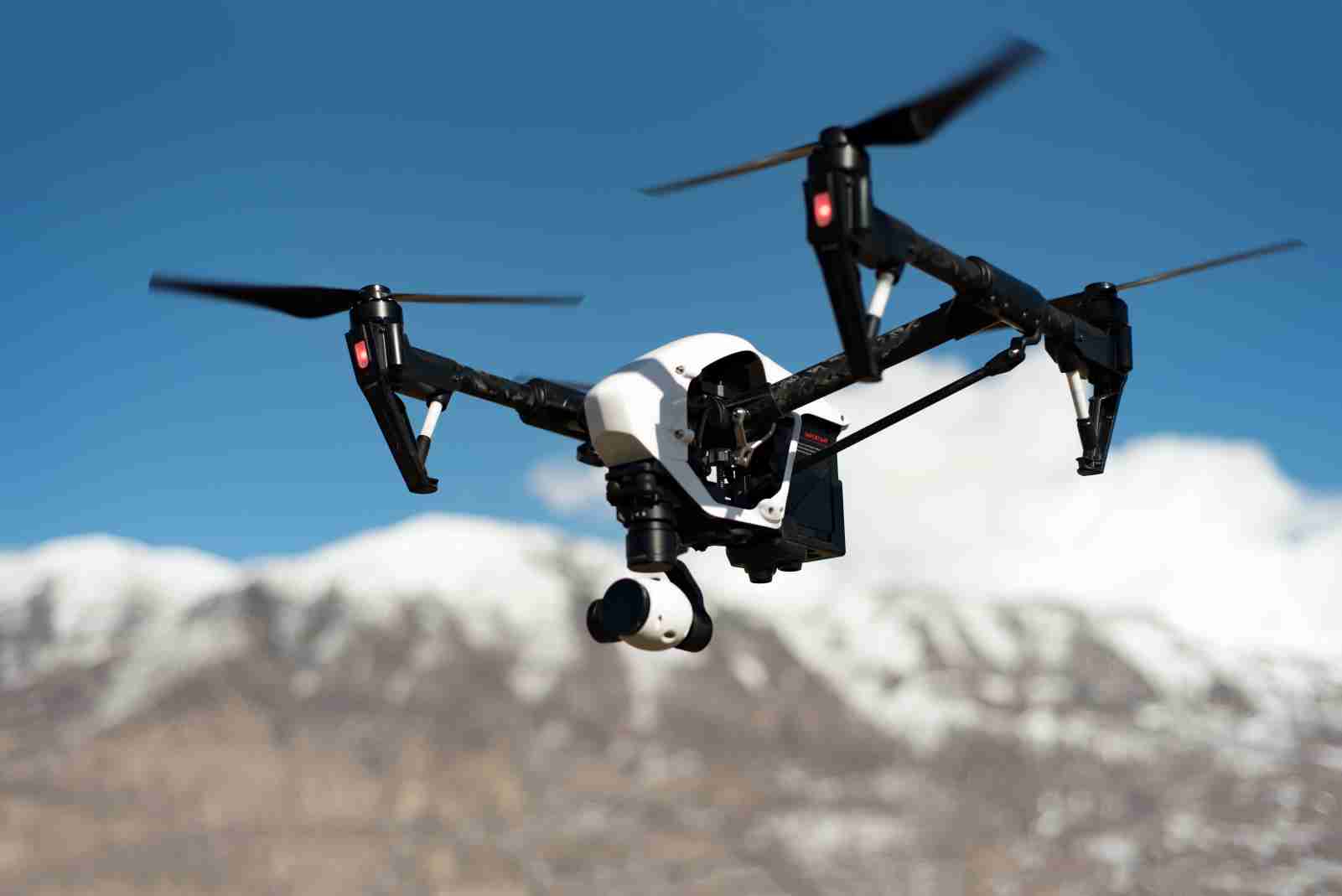
India's Drone Warfare in the Indian Ocean
Technology
Siddhant Bajpai • Feb 19, 2022

India's Drone Warfare in the Indian Ocean

The history of Indian civilization has been tightly connected to the high seas around its territory. However, many scholars have repeatedly argued that India has a continental bias in its security policy. This led to a neglect of the mariti...

3,705 views
India's Import of S-400 missiles and the CAATSA
Security
Apoorva Jain • Jan 22, 2022

India's Import of S-400 missiles and the CAATSA

The delivery of the S-400 air defence system began in November last year with an Indian official confirming the same. “We will get the S-400 on schedule. The first squadron will arrive and it will be inducted this year,” Indian Air Force Ch...

2,500 views
The history of Russian arms exports to India
Military
Sharath Kumar Kolipaka • Dec 27, 2021

The history of Russian arms exports to India

Up until 1959 the Indian armed forces mostly depended on the western countries for military equipment, most of it came from the United Kingdom and the rest is from France the United States Germany Switzerland Japan and Sweden. after the Tib...

6,153 views
Putin visit to India: Looking for reinvigorating ties
Politics
Gaurav Sen • Dec 26, 2021

Putin visit to India: Looking for reinvigorating ties

The recent visit of Russian President Vladimir Putin to Delhi for the Covid-interrupted 21st annual India-Russia Summit was made possible by some hard-nosed calculations based on realpolitik. The meeting's timing, right before the Biden-Put...

1,707 views
AUKUS & QUAD- Under the same roof?
Security
Khyati Singh • Oct 15, 2021

AUKUS & QUAD- Under the same roof?

Structural realism is the theory of international realism that invites suspicion over the 'relative gains' to the allies in an alliance. Military gains are valued most for the national interest, and it's likely to create a feud in a coaliti...

2,133 views
Sri Lanka's Impending Economic Crisis
Environment
Vaibhav Tomar • Oct 11, 2021

Sri Lanka's Impending Economic Crisis

Bad COVID management policies hindering tourism recovery in Sri Lanka: The tourism industry in the country brings in around $3 billion to $5 billion in foreign exchange annually. However, the country’s mismanagement of the Covid-19 outbreak...

1,806 views
India Singapore Defence Cooperation
Military
Krupa Vasani • Apr 21, 2021

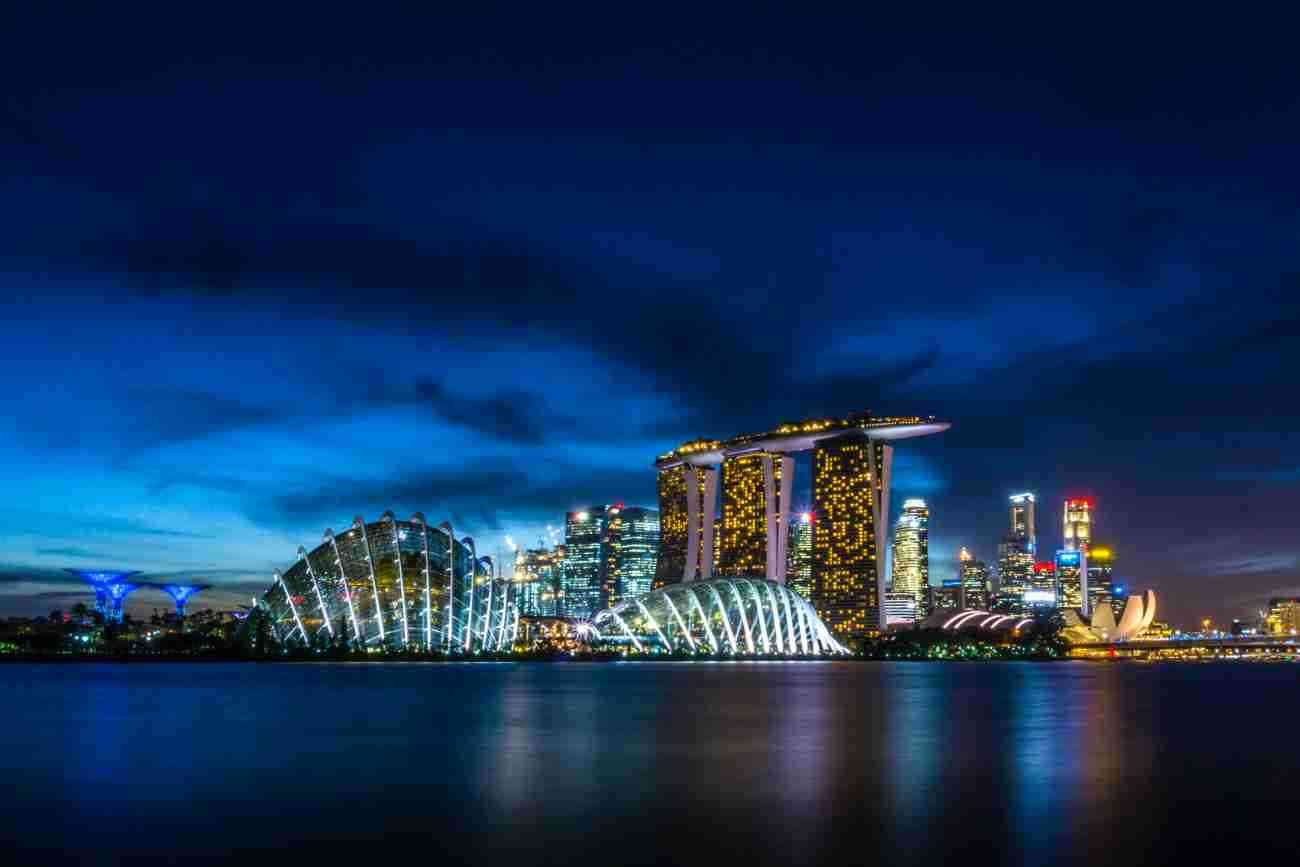
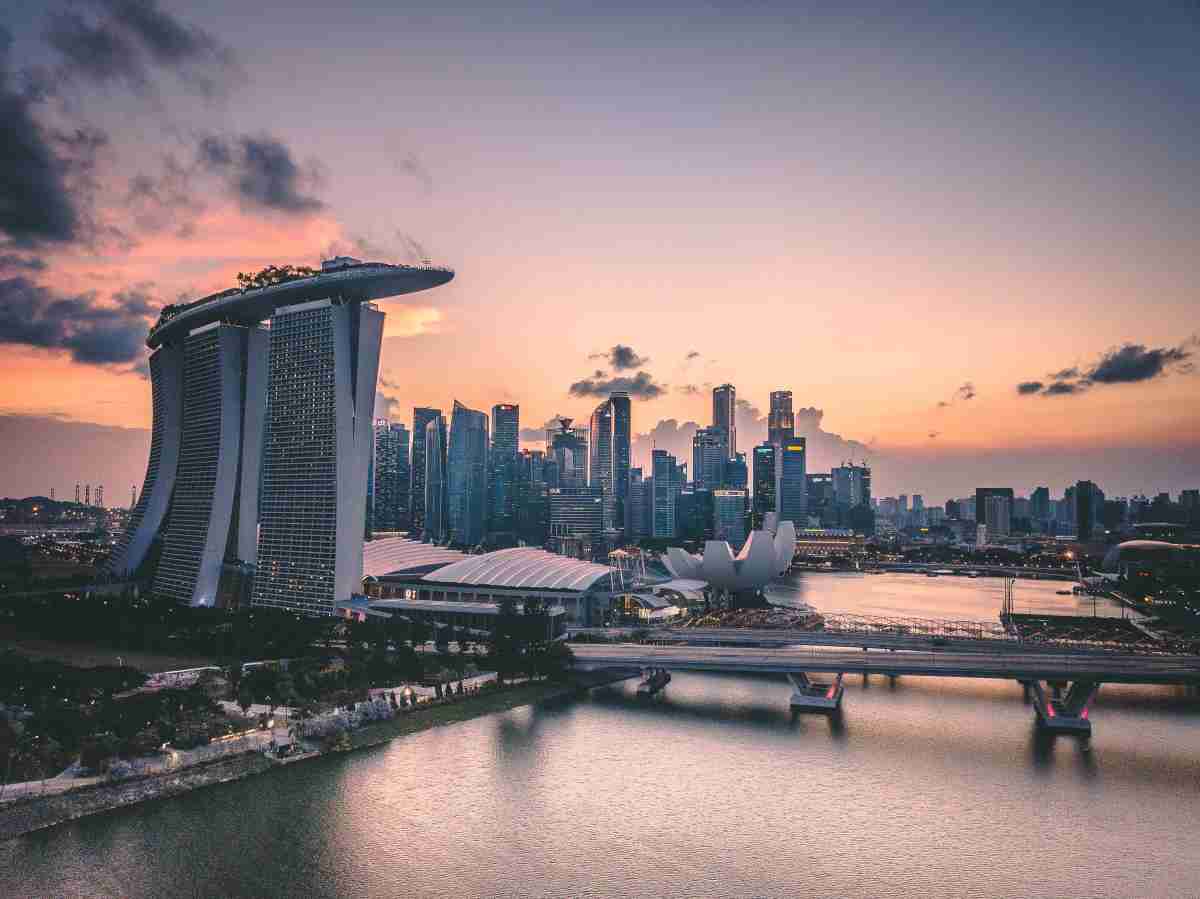
India Singapore Defence Cooperation

India and Singapore have a longstanding partnership in the field of defence cooperation. Covering three major areas - armed forces, defence technology cooperation and maritime security, India-Singapore defence relationship have become stron...

2,595 views
Why India is interested in Visegrad countries?
Business
Sankalp Sreenath • Feb 26, 2021

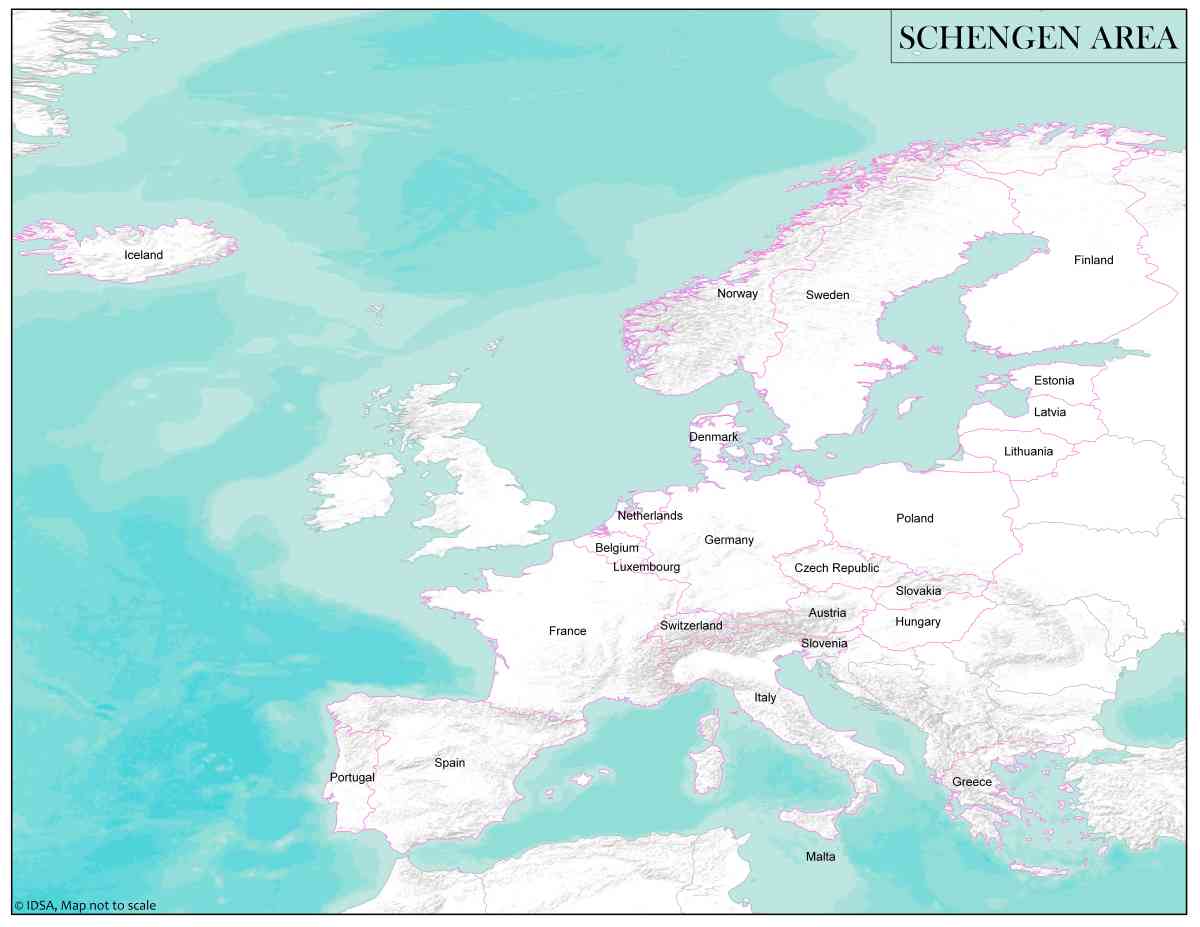
Why India is interested in Visegrad countries?

Visegrad countries have become important for Indian foreign policy in recent times. The visit of Indian Minister of External Affairs Dr S. Jaishankar to Hungary and Poland in August 2019 sheds light on India’s engagement with central Europe...

1,566 views
Displaying 97 - 108 of 125 results.

Discover more

Geopolitical Focus Areas