LIVE DISPATCH
• 16 Years in the Making: What India's Javelin Deal Really Signals • The New Defence Architecture: Deconstructing the India-Belgium Geostrategic Win • Who Gets to Say “We Are the Ocean”? Hau’ofa, the Blue Pacific, and the politics of representation • Beyond Oil: Saudi Arabia's Civil Nuclear Deal with the United States • The Fifth Plenum Resolution and the Distribution of Power in the CPC • The Myth of Mankind's Inheritance: China, the US, and the Battle for the Clarion-Clipperton Zone • Energy Security and European Strategic Autonomy: Has the EU’s Shift Away from Russian Fossil Fuels Strengthened Its Strategic Autonomy? • China's Surveillance Architecture in the Bay of Bengal and Its Strategic Implications • Old Threat, New Currents: Piracy, Narco-Trafficking, and India's Response in the Western Indian Ocean • A Reformer for an Institution in Decline: What does the Next Secretary-General Inherits? • Beyond Rare Earths: Sulphuric Acid and the Hidden Vulnerabilities of Critical Mineral Supply Chains • Silent Depths, Loud Signals: Nuclear Deterrence Infrastructure and the Crisis-Stability Costs of India’s Indo-Pacific Maritime Partnerships • Microplastic Pollution and Marine Environmental Security in the Indo-Pacific: An Indonesian Perspective • Securing India's Digital Frontiers: Cybersecurity Challenges and Strategic Responses in the Age of Hybrid Warfare • Structural Parallels in American Coercive Diplomacy: The US-Cuban and US-Iranian Conflicts • Prism of Dragon’s Maritime Assertiveness: Regional Implications and India’s Strategic Options • Cybersecurity and European Strategic Autonomy: Can Europe Reduce Its Dependence on Foreign Digital Infrastructure? • The Architecture of Cooperation: Navigating East Asia's Geopolitical Landscape • India’s Maritime Ties with Tanzania: Challenges and Opportunities in the Indian Ocean Region • From Civil Nuclear Power to Nuclear Hedging: Saudi Arabia, Iran and the Emerging Nuclear Security Dilemma in the Middle East • Beyond Trade: Japan’s New Quest for Economic Security • The Invisible Front: China-Pakistan Grey-Zone Operations • The Pacific: Strategic Competition and the Return of Power Politics • India's Agentic AI Strategy Needs Authority Budgets before Autonomy Scales • Arctic Geopolitics: From Frozen Frontier to Global Contest • From Physical Borders to Intelligent Borders: The Evolution of India's Border Security Architecture • Bridging the Fifth-Generation Gap: India's Su-57E Dilemma, AMCA, and Strategic Autonomy • AI Driven Cyberwarfare and National Security • Regulation as Power? The EU, US and China in the Geopolitics of Artificial Intelligence • The Continuing U.S. Regime-Change Toolkit: Color Revolutions, Political Influence, and Vietnam • Digital Pathways to Extremism: An Investigative Study of ISIS and Al-Qaeda's Use of Digital Platforms in India • Strategic Autonomy in the Age of Weaponised Interdependence: India’s Geopolitical Dilemma • China’s Grey-Zone Strategy in the Indian Ocean: Implications for India’s Maritime Security • Europe’s Digital Dependence: Can the EU Achieve Strategic Autonomy? • Cuba’s Economic Crisis and Strategic Relevance: A Peripheral State in Renewed Great Power Competition • Loss and Damage Finance: From COP28 Pledges to Policy Architecture • Beyond Consultation: BIMSTEC's Emerging Role in Regional Intelligence and Security Cooperation • Between the Desert and the Savannah: Conflict and the Political Economy of Instability in the Sahel • The Politics of Ali Khamenei's Funeral • Operation Sindoor and the Changing Dynamics of India–Pakistan Security • 16 Years in the Making: What India's Javelin Deal Really Signals • The New Defence Architecture: Deconstructing the India-Belgium Geostrategic Win • Who Gets to Say “We Are the Ocean”? Hau’ofa, the Blue Pacific, and the politics of representation • Beyond Oil: Saudi Arabia's Civil Nuclear Deal with the United States • The Fifth Plenum Resolution and the Distribution of Power in the CPC • The Myth of Mankind's Inheritance: China, the US, and the Battle for the Clarion-Clipperton Zone • Energy Security and European Strategic Autonomy: Has the EU’s Shift Away from Russian Fossil Fuels Strengthened Its Strategic Autonomy? • China's Surveillance Architecture in the Bay of Bengal and Its Strategic Implications • Old Threat, New Currents: Piracy, Narco-Trafficking, and India's Response in the Western Indian Ocean • A Reformer for an Institution in Decline: What does the Next Secretary-General Inherits? • Beyond Rare Earths: Sulphuric Acid and the Hidden Vulnerabilities of Critical Mineral Supply Chains • Silent Depths, Loud Signals: Nuclear Deterrence Infrastructure and the Crisis-Stability Costs of India’s Indo-Pacific Maritime Partnerships • Microplastic Pollution and Marine Environmental Security in the Indo-Pacific: An Indonesian Perspective • Securing India's Digital Frontiers: Cybersecurity Challenges and Strategic Responses in the Age of Hybrid Warfare • Structural Parallels in American Coercive Diplomacy: The US-Cuban and US-Iranian Conflicts • Prism of Dragon’s Maritime Assertiveness: Regional Implications and India’s Strategic Options • Cybersecurity and European Strategic Autonomy: Can Europe Reduce Its Dependence on Foreign Digital Infrastructure? • The Architecture of Cooperation: Navigating East Asia's Geopolitical Landscape • India’s Maritime Ties with Tanzania: Challenges and Opportunities in the Indian Ocean Region • From Civil Nuclear Power to Nuclear Hedging: Saudi Arabia, Iran and the Emerging Nuclear Security Dilemma in the Middle East • Beyond Trade: Japan’s New Quest for Economic Security • The Invisible Front: China-Pakistan Grey-Zone Operations • The Pacific: Strategic Competition and the Return of Power Politics • India's Agentic AI Strategy Needs Authority Budgets before Autonomy Scales • Arctic Geopolitics: From Frozen Frontier to Global Contest • From Physical Borders to Intelligent Borders: The Evolution of India's Border Security Architecture • Bridging the Fifth-Generation Gap: India's Su-57E Dilemma, AMCA, and Strategic Autonomy • AI Driven Cyberwarfare and National Security • Regulation as Power? The EU, US and China in the Geopolitics of Artificial Intelligence • The Continuing U.S. Regime-Change Toolkit: Color Revolutions, Political Influence, and Vietnam • Digital Pathways to Extremism: An Investigative Study of ISIS and Al-Qaeda's Use of Digital Platforms in India • Strategic Autonomy in the Age of Weaponised Interdependence: India’s Geopolitical Dilemma • China’s Grey-Zone Strategy in the Indian Ocean: Implications for India’s Maritime Security • Europe’s Digital Dependence: Can the EU Achieve Strategic Autonomy? • Cuba’s Economic Crisis and Strategic Relevance: A Peripheral State in Renewed Great Power Competition • Loss and Damage Finance: From COP28 Pledges to Policy Architecture • Beyond Consultation: BIMSTEC's Emerging Role in Regional Intelligence and Security Cooperation • Between the Desert and the Savannah: Conflict and the Political Economy of Instability in the Sahel • The Politics of Ali Khamenei's Funeral • Operation Sindoor and the Changing Dynamics of India–Pakistan Security

Search CeSCube Intelligence Archives

Search Results for “Autonomous Systems”

67 total results found
New Developments in maritime technology
Environment
Neha Singh Dayma • Sep 30, 2022

New Developments in maritime technology

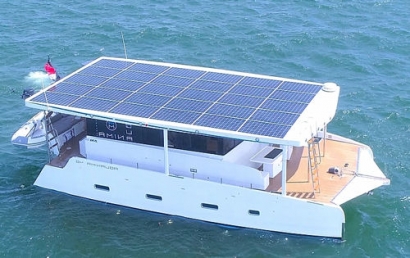
In today's world, it is frequently asserted that if a maritime nation seeks to safeguard its national interests, it must first secure its maritime interests. As part of this effort, in India, we saw the release of the Maritime India Vision ...

2,474 views
Taiwan’s Missile Defense Capabilities
Security
Ridipt Singh • Aug 31, 2022

Taiwan’s Missile Defense Capabilities

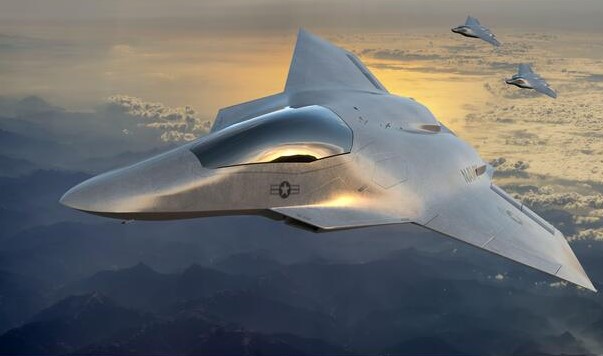
There has been an increase in Chinese hostilities toward Taiwan throughout 2020 and 2021. These moves by the Chinese have suggested China’s readiness in invading Taiwan. Amidst such a scenario, Taiwan has made efforts to enhance its defense...

5,214 views
India's Drone Warfare in the Indian Ocean
Technology
Siddhant Bajpai • Feb 19, 2022

India's Drone Warfare in the Indian Ocean

The history of Indian civilization has been tightly connected to the high seas around its territory. However, many scholars have repeatedly argued that India has a continental bias in its security policy. This led to a neglect of the mariti...

3,686 views
Development of hypersonic weapons and new wars
Weapons
Torunika Roy • Aug 18, 2021

Development of hypersonic weapons and new wars

“Hypersonic Missiles are unstoppable, and they are starting a new global arms race.” – The TimesOur world is entering a new age of warfare, defined by the digital revolution. The introduction of technology in wars has compelled decision-mak...

2,711 views
Russia’s military build-up in Central Asia
Military
Aman Kumar • Aug 12, 2021

Russia’s military build-up in Central Asia

Central Asia has always remained a great strategic battlefield among various regional and international powers. From antiquity to the contemporary period the Central Asian Region has always found itself at the core of the international affa...

2,028 views
Chinese Initiatives in AI Research: Setting Benchmarks
Technology
Krupa Vasani • Dec 16, 2020

Chinese Initiatives in AI Research: Setting Benchmarks

In July 2017, China’s state council released the country’s strategy for developing artificial intelligence (AI), entitled 'New Generation Artificial Intelligence Development Plan'. The policy outlines China's strategy to invest and build a ...

2,173 views
Displaying 49 - 60 of 67 results.

Discover more

Geopolitical Focus Areas