LIVE DISPATCH
• The Fifth Plenum Resolution and the Distribution of Power in the CPC • The Myth of Mankind's Inheritance: China, the US, and the Battle for the Clarion-Clipperton Zone • Energy Security and European Strategic Autonomy: Has the EU’s Shift Away from Russian Fossil Fuels Strengthened Its Strategic Autonomy? • China's Surveillance Architecture in the Bay of Bengal and Its Strategic Implications • Old Threat, New Currents: Piracy, Narco-Trafficking, and India's Response in the Western Indian Ocean • A Reformer for an Institution in Decline: What does the Next Secretary-General Inherits? • Beyond Rare Earths: Sulphuric Acid and the Hidden Vulnerabilities of Critical Mineral Supply Chains • Silent Depths, Loud Signals: Nuclear Deterrence Infrastructure and the Crisis-Stability Costs of India’s Indo-Pacific Maritime Partnerships • Microplastic Pollution and Marine Environmental Security in the Indo-Pacific: An Indonesian Perspective • Securing India's Digital Frontiers: Cybersecurity Challenges and Strategic Responses in the Age of Hybrid Warfare • Structural Parallels in American Coercive Diplomacy: The US-Cuban and US-Iranian Conflicts • Prism of Dragon’s Maritime Assertiveness: Regional Implications and India’s Strategic Options • Cybersecurity and European Strategic Autonomy: Can Europe Reduce Its Dependence on Foreign Digital Infrastructure? • The Architecture of Cooperation: Navigating East Asia's Geopolitical Landscape • India’s Maritime Ties with Tanzania: Challenges and Opportunities in the Indian Ocean Region • From Civil Nuclear Power to Nuclear Hedging: Saudi Arabia, Iran and the Emerging Nuclear Security Dilemma in the Middle East • Beyond Trade: Japan’s New Quest for Economic Security • The Invisible Front: China-Pakistan Grey-Zone Operations • The Pacific: Strategic Competition and the Return of Power Politics • India's Agentic AI Strategy Needs Authority Budgets before Autonomy Scales • Arctic Geopolitics: From Frozen Frontier to Global Contest • From Physical Borders to Intelligent Borders: The Evolution of India's Border Security Architecture • Bridging the Fifth-Generation Gap: India's Su-57E Dilemma, AMCA, and Strategic Autonomy • AI Driven Cyberwarfare and National Security • Regulation as Power? The EU, US and China in the Geopolitics of Artificial Intelligence • The Continuing U.S. Regime-Change Toolkit: Color Revolutions, Political Influence, and Vietnam • The New Defence Architecture: Deconstructing the India-Belgium Geostrategic Win • Digital Pathways to Extremism: An Investigative Study of ISIS and Al-Qaeda's Use of Digital Platforms in India • Beyond Oil: Saudi Arabia's Civil Nuclear Deal with the United States • Strategic Autonomy in the Age of Weaponised Interdependence: India’s Geopolitical Dilemma • China’s Grey-Zone Strategy in the Indian Ocean: Implications for India’s Maritime Security • Europe’s Digital Dependence: Can the EU Achieve Strategic Autonomy? • Cuba’s Economic Crisis and Strategic Relevance: A Peripheral State in Renewed Great Power Competition • Loss and Damage Finance: From COP28 Pledges to Policy Architecture • Beyond Consultation: BIMSTEC's Emerging Role in Regional Intelligence and Security Cooperation • Between the Desert and the Savannah: Conflict and the Political Economy of Instability in the Sahel • The Politics of Ali Khamenei's Funeral • Operation Sindoor and the Changing Dynamics of India–Pakistan Security • Generative AI, Labour Sovereignty, and the Geoeconomics of India's Service Economy • India's AI Diplomacy and the Future of Strategic Technologies • The Fifth Plenum Resolution and the Distribution of Power in the CPC • The Myth of Mankind's Inheritance: China, the US, and the Battle for the Clarion-Clipperton Zone • Energy Security and European Strategic Autonomy: Has the EU’s Shift Away from Russian Fossil Fuels Strengthened Its Strategic Autonomy? • China's Surveillance Architecture in the Bay of Bengal and Its Strategic Implications • Old Threat, New Currents: Piracy, Narco-Trafficking, and India's Response in the Western Indian Ocean • A Reformer for an Institution in Decline: What does the Next Secretary-General Inherits? • Beyond Rare Earths: Sulphuric Acid and the Hidden Vulnerabilities of Critical Mineral Supply Chains • Silent Depths, Loud Signals: Nuclear Deterrence Infrastructure and the Crisis-Stability Costs of India’s Indo-Pacific Maritime Partnerships • Microplastic Pollution and Marine Environmental Security in the Indo-Pacific: An Indonesian Perspective • Securing India's Digital Frontiers: Cybersecurity Challenges and Strategic Responses in the Age of Hybrid Warfare • Structural Parallels in American Coercive Diplomacy: The US-Cuban and US-Iranian Conflicts • Prism of Dragon’s Maritime Assertiveness: Regional Implications and India’s Strategic Options • Cybersecurity and European Strategic Autonomy: Can Europe Reduce Its Dependence on Foreign Digital Infrastructure? • The Architecture of Cooperation: Navigating East Asia's Geopolitical Landscape • India’s Maritime Ties with Tanzania: Challenges and Opportunities in the Indian Ocean Region • From Civil Nuclear Power to Nuclear Hedging: Saudi Arabia, Iran and the Emerging Nuclear Security Dilemma in the Middle East • Beyond Trade: Japan’s New Quest for Economic Security • The Invisible Front: China-Pakistan Grey-Zone Operations • The Pacific: Strategic Competition and the Return of Power Politics • India's Agentic AI Strategy Needs Authority Budgets before Autonomy Scales • Arctic Geopolitics: From Frozen Frontier to Global Contest • From Physical Borders to Intelligent Borders: The Evolution of India's Border Security Architecture • Bridging the Fifth-Generation Gap: India's Su-57E Dilemma, AMCA, and Strategic Autonomy • AI Driven Cyberwarfare and National Security • Regulation as Power? The EU, US and China in the Geopolitics of Artificial Intelligence • The Continuing U.S. Regime-Change Toolkit: Color Revolutions, Political Influence, and Vietnam • The New Defence Architecture: Deconstructing the India-Belgium Geostrategic Win • Digital Pathways to Extremism: An Investigative Study of ISIS and Al-Qaeda's Use of Digital Platforms in India • Beyond Oil: Saudi Arabia's Civil Nuclear Deal with the United States • Strategic Autonomy in the Age of Weaponised Interdependence: India’s Geopolitical Dilemma • China’s Grey-Zone Strategy in the Indian Ocean: Implications for India’s Maritime Security • Europe’s Digital Dependence: Can the EU Achieve Strategic Autonomy? • Cuba’s Economic Crisis and Strategic Relevance: A Peripheral State in Renewed Great Power Competition • Loss and Damage Finance: From COP28 Pledges to Policy Architecture • Beyond Consultation: BIMSTEC's Emerging Role in Regional Intelligence and Security Cooperation • Between the Desert and the Savannah: Conflict and the Political Economy of Instability in the Sahel • The Politics of Ali Khamenei's Funeral • Operation Sindoor and the Changing Dynamics of India–Pakistan Security • Generative AI, Labour Sovereignty, and the Geoeconomics of India's Service Economy • India's AI Diplomacy and the Future of Strategic Technologies

Search CeSCube Intelligence Archives

Search Results for “Gas Pipeline”

52 total results found
Possible Pointers for Modi-Kishida Summit
Politics
Gitanjali Sinha Roy • Mar 16, 2022

Possible Pointers for Modi-Kishida Summit

In the next few days, India would be hosting the Japanese Prime Minister Fumio Kishida from 19 March 2022 to 20 March 2022. It has to be understood that India and Japan already share a long-lasting friendship and since 2000s, both the count...

1,865 views

US-Ukraine Defence and Strategic Cooperation
Politics
Apoorva Jain • Feb 27, 2022

US-Ukraine Defence and Strategic Cooperation

Ukraine has been under attack and is looking for the US and NATO support which is not coming. In that context it is important to evaluate US-Ukraine defence ties. For 30 years of Ukrainian independence, Ukraine and the United States (US) ha...

1,702 views
FDI in India during COVID-19 Pandemic
Economics
Vaibhav Tomar • Feb 3, 2022

FDI in India during COVID-19 Pandemic

A foreign direct investment is a business transaction that involves acquiring a significant stake in a foreign company. It's commonly used to describe a company's plan to expand its operations in a new region. FDI are large investments made...

5,811 views
Putin visit to India: Looking for reinvigorating ties
Politics
Gaurav Sen • Dec 26, 2021

Putin visit to India: Looking for reinvigorating ties

The recent visit of Russian President Vladimir Putin to Delhi for the Covid-interrupted 21st annual India-Russia Summit was made possible by some hard-nosed calculations based on realpolitik. The meeting's timing, right before the Biden-Put...

1,668 views
Russian Sakhalin Projects- An Update
Business
Sharath Kumar Kolipaka • Sep 4, 2021

Russian Sakhalin Projects- An Update

There are three Sakhalin projects which are operational and currently in the production phase, called Sakhalin I and Sakhalin II, and Sakhalin III, Sakhalin-4, a collection of offshore and onshore fields licensed to Rosneft SMNG, was origin...

4,150 views
Turkey's ambitions for Greater Turkey
Politics
Aastha Saluja • Jun 22, 2021

Turkey's ambitions for Greater Turkey

Turkey’s economy is at an all-time staggering low with its currency Lira below $7.60 and a per capita income of barely $8900. The country is suffering from a double-digit inflation and high unemployment rates due to the sharp impact of the ...

2,557 views
India’s Strategy in Deep Seabed Mining
Technology
Nikita Vats • Jun 7, 2021

India’s Strategy in Deep Seabed Mining

In the depth of the oceans, there is a huge availability of the minerals which are very critical for the usage of modern technological systems. Starting from mobile phones to renewable energy systems like electric cars, deep-sea minerals ar...

3,893 views
Chinese investments in Myanmar’s infrastructure
Economics
Jyot Shikhar Singh • May 3, 2021

Chinese investments in Myanmar’s infrastructure

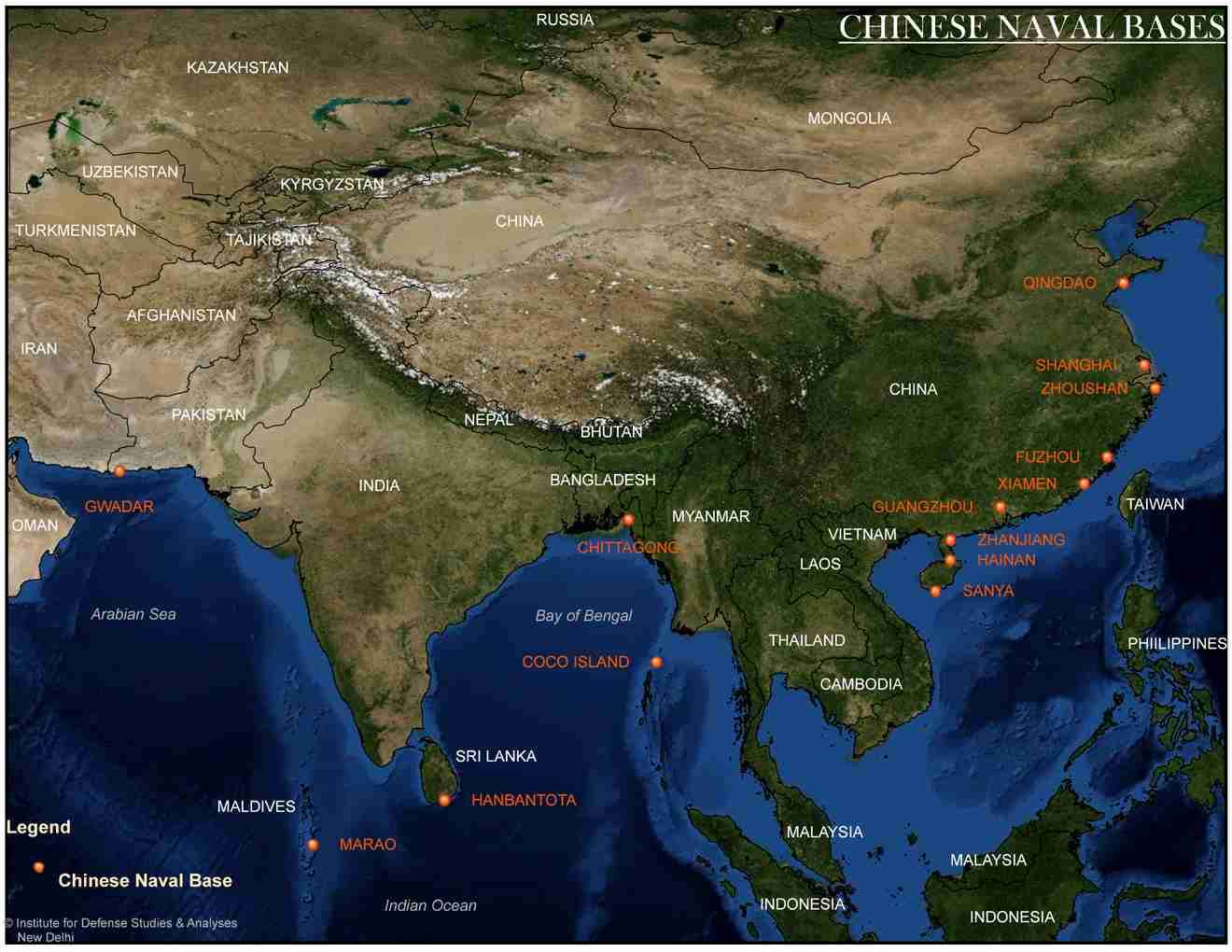
On 17th February 2021, a coup d’état in Myanmar began on 1st February 2021, when democratically elected members of the country’s ruling party, the National League for Democracy (NLD), were deposed by the Tatmadaw- Myanmar’s Military- which ...

2,482 views
Geo-political significance of Wakhan Corridor
World
Mahima Chouhan • Apr 6, 2021

Geo-political significance of Wakhan Corridor

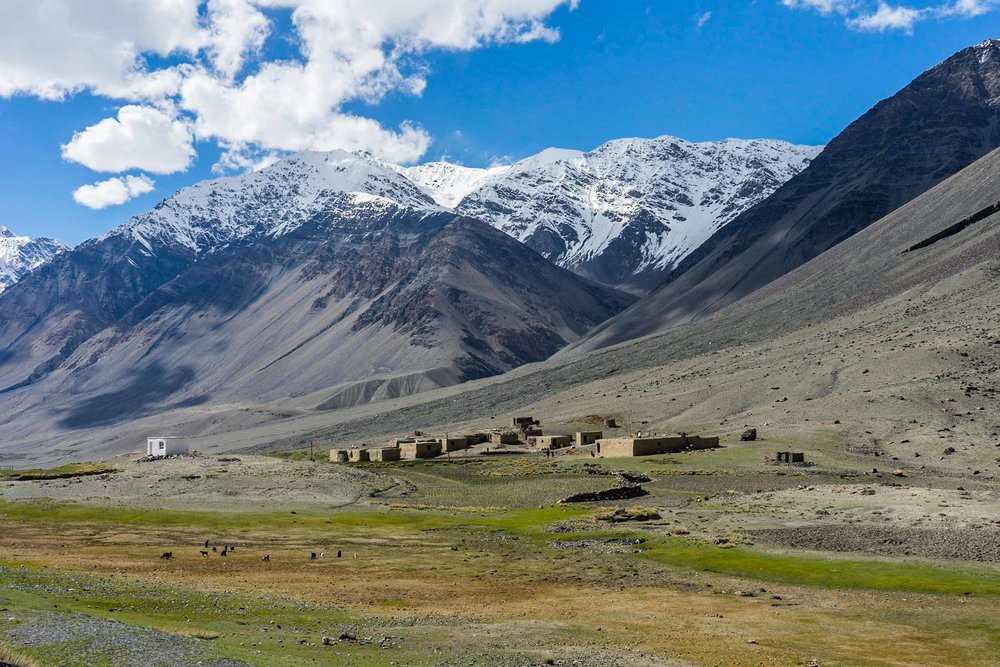
The Wakhan Corridor, that has acted as a confluence point of the Silk Route, is a protruding strip of narrow land of eastern Afghanistan adjoined by Tajikistan in the north and Pakistan Occupied Kashmir(PoK) in the south stretching till Chi...

6,456 views
Russia Japan bilateral ties and the changing dynamics
Politics
Krupa Vasani • Mar 5, 2021

Russia Japan bilateral ties and the changing dynamics

Foreign policy scholars and analysts across the world are of the opinion that even though the majority of Japanese policies have not changed since Suga Yoshihide replaced Abe as Japanese Prime Minister, there may be a change in the Japanese...

1,558 views
US return to Paris Agreement on Climate Change
Environment
Abhijeet Nehra • Feb 23, 2021

US return to Paris Agreement on Climate Change

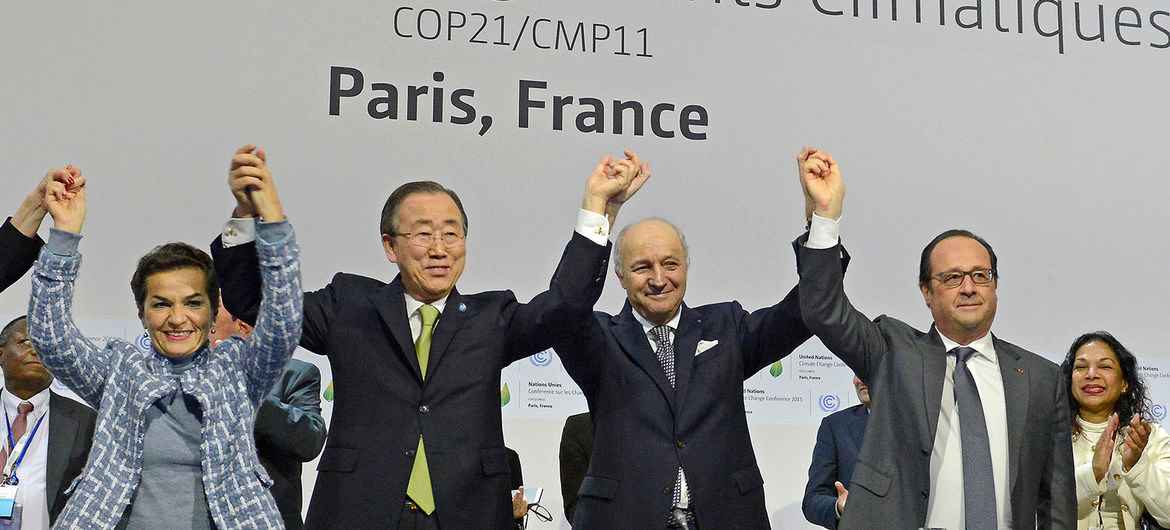
US President Joe Biden acknowledged the fact that climate change is real in his inauguration speech on 20th January, he announced that the national and foreign policy would be climate-centric and recognized the need to fight the climate cat...

2,624 views
Displaying 37 - 48 of 52 results.

Discover more

Geopolitical Focus Areas