LIVE DISPATCH
• The Fifth Plenum Resolution and the Distribution of Power in the CPC • The Myth of Mankind's Inheritance: China, the US, and the Battle for the Clarion-Clipperton Zone • Energy Security and European Strategic Autonomy: Has the EU’s Shift Away from Russian Fossil Fuels Strengthened Its Strategic Autonomy? • China's Surveillance Architecture in the Bay of Bengal and Its Strategic Implications • Old Threat, New Currents: Piracy, Narco-Trafficking, and India's Response in the Western Indian Ocean • A Reformer for an Institution in Decline: What does the Next Secretary-General Inherits? • Beyond Rare Earths: Sulphuric Acid and the Hidden Vulnerabilities of Critical Mineral Supply Chains • Silent Depths, Loud Signals: Nuclear Deterrence Infrastructure and the Crisis-Stability Costs of India’s Indo-Pacific Maritime Partnerships • Microplastic Pollution and Marine Environmental Security in the Indo-Pacific: An Indonesian Perspective • Securing India's Digital Frontiers: Cybersecurity Challenges and Strategic Responses in the Age of Hybrid Warfare • Structural Parallels in American Coercive Diplomacy: The US-Cuban and US-Iranian Conflicts • Prism of Dragon’s Maritime Assertiveness: Regional Implications and India’s Strategic Options • Cybersecurity and European Strategic Autonomy: Can Europe Reduce Its Dependence on Foreign Digital Infrastructure? • The Architecture of Cooperation: Navigating East Asia's Geopolitical Landscape • India’s Maritime Ties with Tanzania: Challenges and Opportunities in the Indian Ocean Region • From Civil Nuclear Power to Nuclear Hedging: Saudi Arabia, Iran and the Emerging Nuclear Security Dilemma in the Middle East • Beyond Trade: Japan’s New Quest for Economic Security • The Invisible Front: China-Pakistan Grey-Zone Operations • The Pacific: Strategic Competition and the Return of Power Politics • India's Agentic AI Strategy Needs Authority Budgets before Autonomy Scales • Arctic Geopolitics: From Frozen Frontier to Global Contest • From Physical Borders to Intelligent Borders: The Evolution of India's Border Security Architecture • Bridging the Fifth-Generation Gap: India's Su-57E Dilemma, AMCA, and Strategic Autonomy • AI Driven Cyberwarfare and National Security • Regulation as Power? The EU, US and China in the Geopolitics of Artificial Intelligence • The Continuing U.S. Regime-Change Toolkit: Color Revolutions, Political Influence, and Vietnam • The New Defence Architecture: Deconstructing the India-Belgium Geostrategic Win • Digital Pathways to Extremism: An Investigative Study of ISIS and Al-Qaeda's Use of Digital Platforms in India • Beyond Oil: Saudi Arabia's Civil Nuclear Deal with the United States • Strategic Autonomy in the Age of Weaponised Interdependence: India’s Geopolitical Dilemma • China’s Grey-Zone Strategy in the Indian Ocean: Implications for India’s Maritime Security • Europe’s Digital Dependence: Can the EU Achieve Strategic Autonomy? • Cuba’s Economic Crisis and Strategic Relevance: A Peripheral State in Renewed Great Power Competition • Loss and Damage Finance: From COP28 Pledges to Policy Architecture • Beyond Consultation: BIMSTEC's Emerging Role in Regional Intelligence and Security Cooperation • Between the Desert and the Savannah: Conflict and the Political Economy of Instability in the Sahel • The Politics of Ali Khamenei's Funeral • Operation Sindoor and the Changing Dynamics of India–Pakistan Security • Generative AI, Labour Sovereignty, and the Geoeconomics of India's Service Economy • India's AI Diplomacy and the Future of Strategic Technologies • The Fifth Plenum Resolution and the Distribution of Power in the CPC • The Myth of Mankind's Inheritance: China, the US, and the Battle for the Clarion-Clipperton Zone • Energy Security and European Strategic Autonomy: Has the EU’s Shift Away from Russian Fossil Fuels Strengthened Its Strategic Autonomy? • China's Surveillance Architecture in the Bay of Bengal and Its Strategic Implications • Old Threat, New Currents: Piracy, Narco-Trafficking, and India's Response in the Western Indian Ocean • A Reformer for an Institution in Decline: What does the Next Secretary-General Inherits? • Beyond Rare Earths: Sulphuric Acid and the Hidden Vulnerabilities of Critical Mineral Supply Chains • Silent Depths, Loud Signals: Nuclear Deterrence Infrastructure and the Crisis-Stability Costs of India’s Indo-Pacific Maritime Partnerships • Microplastic Pollution and Marine Environmental Security in the Indo-Pacific: An Indonesian Perspective • Securing India's Digital Frontiers: Cybersecurity Challenges and Strategic Responses in the Age of Hybrid Warfare • Structural Parallels in American Coercive Diplomacy: The US-Cuban and US-Iranian Conflicts • Prism of Dragon’s Maritime Assertiveness: Regional Implications and India’s Strategic Options • Cybersecurity and European Strategic Autonomy: Can Europe Reduce Its Dependence on Foreign Digital Infrastructure? • The Architecture of Cooperation: Navigating East Asia's Geopolitical Landscape • India’s Maritime Ties with Tanzania: Challenges and Opportunities in the Indian Ocean Region • From Civil Nuclear Power to Nuclear Hedging: Saudi Arabia, Iran and the Emerging Nuclear Security Dilemma in the Middle East • Beyond Trade: Japan’s New Quest for Economic Security • The Invisible Front: China-Pakistan Grey-Zone Operations • The Pacific: Strategic Competition and the Return of Power Politics • India's Agentic AI Strategy Needs Authority Budgets before Autonomy Scales • Arctic Geopolitics: From Frozen Frontier to Global Contest • From Physical Borders to Intelligent Borders: The Evolution of India's Border Security Architecture • Bridging the Fifth-Generation Gap: India's Su-57E Dilemma, AMCA, and Strategic Autonomy • AI Driven Cyberwarfare and National Security • Regulation as Power? The EU, US and China in the Geopolitics of Artificial Intelligence • The Continuing U.S. Regime-Change Toolkit: Color Revolutions, Political Influence, and Vietnam • The New Defence Architecture: Deconstructing the India-Belgium Geostrategic Win • Digital Pathways to Extremism: An Investigative Study of ISIS and Al-Qaeda's Use of Digital Platforms in India • Beyond Oil: Saudi Arabia's Civil Nuclear Deal with the United States • Strategic Autonomy in the Age of Weaponised Interdependence: India’s Geopolitical Dilemma • China’s Grey-Zone Strategy in the Indian Ocean: Implications for India’s Maritime Security • Europe’s Digital Dependence: Can the EU Achieve Strategic Autonomy? • Cuba’s Economic Crisis and Strategic Relevance: A Peripheral State in Renewed Great Power Competition • Loss and Damage Finance: From COP28 Pledges to Policy Architecture • Beyond Consultation: BIMSTEC's Emerging Role in Regional Intelligence and Security Cooperation • Between the Desert and the Savannah: Conflict and the Political Economy of Instability in the Sahel • The Politics of Ali Khamenei's Funeral • Operation Sindoor and the Changing Dynamics of India–Pakistan Security • Generative AI, Labour Sovereignty, and the Geoeconomics of India's Service Economy • India's AI Diplomacy and the Future of Strategic Technologies

Search CeSCube Intelligence Archives

Search Results for “Australia”

257 total results found
Agenda for the next Quad Meeting
Military
Ridipt Singh • Jan 30, 2024

Agenda for the next Quad Meeting

The next Quadrilateral Security Dialogue (Quad) meeting which was supposed to be held on 27 January 2024 hosted by India has undergone a rescheduling. with no fixed dates decided yet. This means that US President Joe Biden, Japanese Prime M...

2,573 views

Why Vanuatu is important for US and China?
Military
Shruti Sharma • Jun 25, 2023

Why Vanuatu is important for US and China?

Vanuatu is a nation situated in the southwestern region of the Pacific Ocean, comprising a group of 13 primary islands and numerous smaller ones. It is approximately 500 miles (800 km) to the west of Fiji and 1,100 miles (1,770 km) east of ...

4,706 views
Terrorist Groups in Indonesia:A Status Update
Terrorism
Sharath Kumar Kolipaka • Feb 27, 2023

Terrorist Groups in Indonesia:A Status Update

Terrorism in Indonesia has been a significant concern in recent years, with several attacks and plots being carried out by extremist groups both within the country and those affiliated with international organizations such as Al-Qaeda and t...

3,525 views
QUAD and the agenda for the future
Security
Samikshya Das • Jun 19, 2022

QUAD and the agenda for the future

The Prime Ministers of India, Japan, and Australia, as well as the US President, launched the Indo-Pacific Economic Framework (IPEF) on May 24, a day before the Quad leaders' second in-person Summit in Tokyo, with Indonesia, South Korea, Ma...

1,383 views
An Analytical Overview On ‘AUKUS’
Security
Nikita Vats • Mar 7, 2022

An Analytical Overview On ‘AUKUS’

The geopolitical centre of gravity is gradually shifting from the Atlantic towards the Pacific Ocean. The recent development that Australia will deploy nuclear-powered submarines in the Pacific region with the help of the United Kingdom and...

2,084 views
Renewed Relevance: Five Power Defence Agreement
Security
Gaurav Sen • Nov 24, 2021

Renewed Relevance: Five Power Defence Agreement

Formed in 1971 after the withdrawal of British forces east of the Suez, the five Power defense Arrangements (FPDA), has a primary aim to protect former colonies Malaysia and Singapore in a region marred in conflict. The two South East Asian...

3,194 views
French Submarine fleet: Past, present, and future
Military
Gaurav Sen • Nov 23, 2021

French Submarine fleet: Past, present, and future

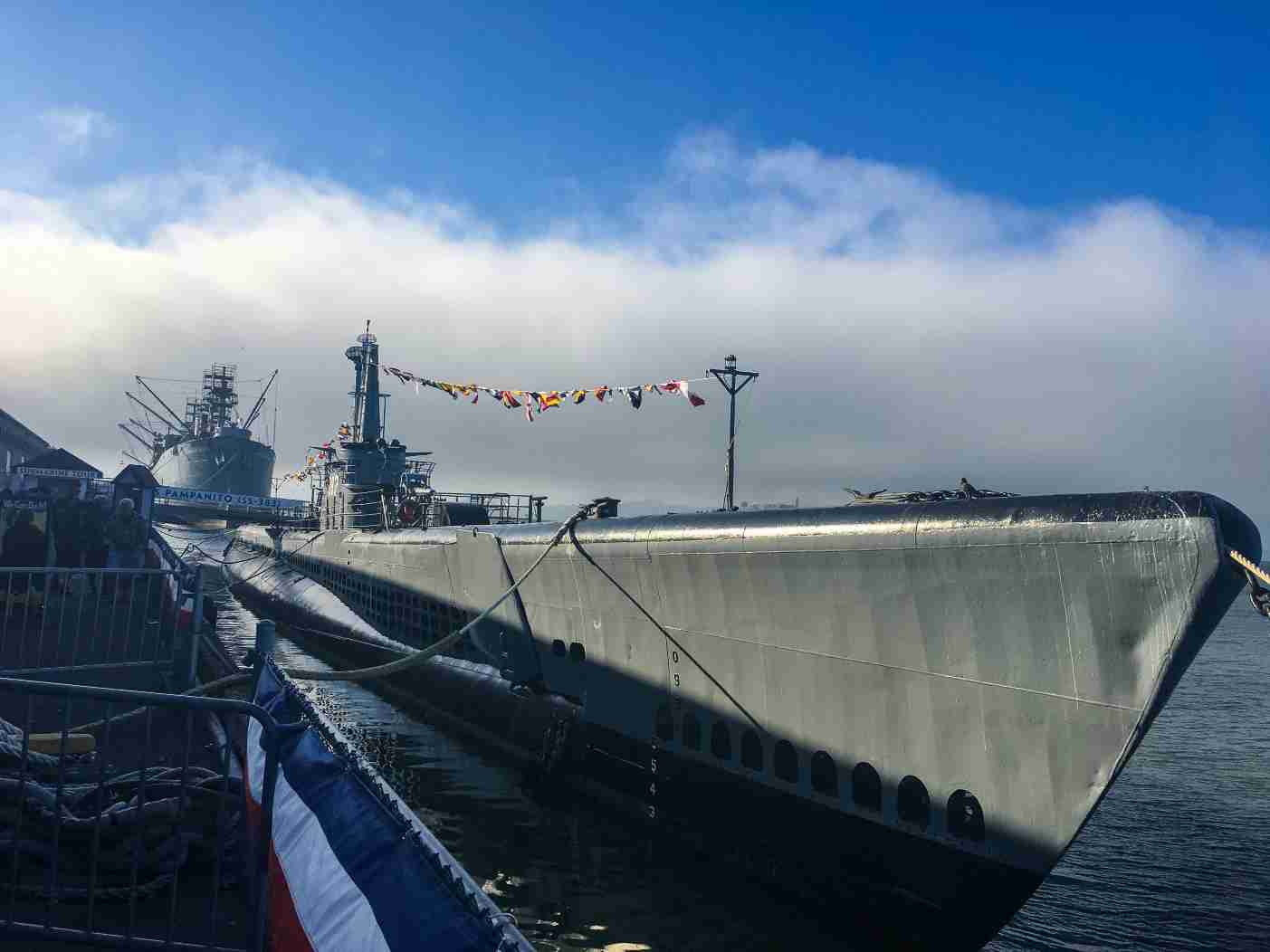
The AUKUS cooperation between the US, the UK, and Australia is already showering us with statecraft, strategy, and political lessons. The most difficult lessons learned by France, that strategic alliances are established on shared interests...

4,714 views
AUKUS & QUAD- Under the same roof?
Security
Khyati Singh • Oct 15, 2021

AUKUS & QUAD- Under the same roof?

Structural realism is the theory of international realism that invites suspicion over the 'relative gains' to the allies in an alliance. Military gains are valued most for the national interest, and it's likely to create a feud in a coaliti...

2,100 views
Evaluating the Blue Dot Network: A Critical Analysis
Economics
Mohit Vashisth • Oct 19, 2020

Evaluating the Blue Dot Network: A Critical Analysis

On 4th November 2019, the US, Japan, and Australia jointly announced the Blue Dot Network (BDN) at the Indo-Pacific Business Forum in Thailand during the 35th ASEAN Summit. This initiative seeks to employ a multi-stakeholder approach to pro...

3,928 views
Neo-Nazi movement in Germany
Security

Neo-Nazi movement in Germany

A new kind of extremism is on the rise, which transcends boundaries and thrives upon primitive notions of race and ethnicity. It is a complex network of views that is slowly taking over the world. However, its lethality lies in the fact the...

2,632 views
Displaying 37 - 48 of 257 results.

Discover more

Geopolitical Focus Areas