LIVE DISPATCH
• The Fifth Plenum Resolution and the Distribution of Power in the CPC • The Myth of Mankind's Inheritance: China, the US, and the Battle for the Clarion-Clipperton Zone • Energy Security and European Strategic Autonomy: Has the EU’s Shift Away from Russian Fossil Fuels Strengthened Its Strategic Autonomy? • China's Surveillance Architecture in the Bay of Bengal and Its Strategic Implications • Old Threat, New Currents: Piracy, Narco-Trafficking, and India's Response in the Western Indian Ocean • A Reformer for an Institution in Decline: What does the Next Secretary-General Inherits? • Beyond Rare Earths: Sulphuric Acid and the Hidden Vulnerabilities of Critical Mineral Supply Chains • Silent Depths, Loud Signals: Nuclear Deterrence Infrastructure and the Crisis-Stability Costs of India’s Indo-Pacific Maritime Partnerships • Microplastic Pollution and Marine Environmental Security in the Indo-Pacific: An Indonesian Perspective • Securing India's Digital Frontiers: Cybersecurity Challenges and Strategic Responses in the Age of Hybrid Warfare • Structural Parallels in American Coercive Diplomacy: The US-Cuban and US-Iranian Conflicts • Prism of Dragon’s Maritime Assertiveness: Regional Implications and India’s Strategic Options • Cybersecurity and European Strategic Autonomy: Can Europe Reduce Its Dependence on Foreign Digital Infrastructure? • The Architecture of Cooperation: Navigating East Asia's Geopolitical Landscape • India’s Maritime Ties with Tanzania: Challenges and Opportunities in the Indian Ocean Region • From Civil Nuclear Power to Nuclear Hedging: Saudi Arabia, Iran and the Emerging Nuclear Security Dilemma in the Middle East • Beyond Trade: Japan’s New Quest for Economic Security • The Invisible Front: China-Pakistan Grey-Zone Operations • The Pacific: Strategic Competition and the Return of Power Politics • India's Agentic AI Strategy Needs Authority Budgets before Autonomy Scales • Arctic Geopolitics: From Frozen Frontier to Global Contest • From Physical Borders to Intelligent Borders: The Evolution of India's Border Security Architecture • Bridging the Fifth-Generation Gap: India's Su-57E Dilemma, AMCA, and Strategic Autonomy • AI Driven Cyberwarfare and National Security • Regulation as Power? The EU, US and China in the Geopolitics of Artificial Intelligence • The Continuing U.S. Regime-Change Toolkit: Color Revolutions, Political Influence, and Vietnam • The New Defence Architecture: Deconstructing the India-Belgium Geostrategic Win • Digital Pathways to Extremism: An Investigative Study of ISIS and Al-Qaeda's Use of Digital Platforms in India • Beyond Oil: Saudi Arabia's Civil Nuclear Deal with the United States • Strategic Autonomy in the Age of Weaponised Interdependence: India’s Geopolitical Dilemma • China’s Grey-Zone Strategy in the Indian Ocean: Implications for India’s Maritime Security • Europe’s Digital Dependence: Can the EU Achieve Strategic Autonomy? • Cuba’s Economic Crisis and Strategic Relevance: A Peripheral State in Renewed Great Power Competition • Loss and Damage Finance: From COP28 Pledges to Policy Architecture • Beyond Consultation: BIMSTEC's Emerging Role in Regional Intelligence and Security Cooperation • Between the Desert and the Savannah: Conflict and the Political Economy of Instability in the Sahel • The Politics of Ali Khamenei's Funeral • Operation Sindoor and the Changing Dynamics of India–Pakistan Security • Generative AI, Labour Sovereignty, and the Geoeconomics of India's Service Economy • India's AI Diplomacy and the Future of Strategic Technologies • The Fifth Plenum Resolution and the Distribution of Power in the CPC • The Myth of Mankind's Inheritance: China, the US, and the Battle for the Clarion-Clipperton Zone • Energy Security and European Strategic Autonomy: Has the EU’s Shift Away from Russian Fossil Fuels Strengthened Its Strategic Autonomy? • China's Surveillance Architecture in the Bay of Bengal and Its Strategic Implications • Old Threat, New Currents: Piracy, Narco-Trafficking, and India's Response in the Western Indian Ocean • A Reformer for an Institution in Decline: What does the Next Secretary-General Inherits? • Beyond Rare Earths: Sulphuric Acid and the Hidden Vulnerabilities of Critical Mineral Supply Chains • Silent Depths, Loud Signals: Nuclear Deterrence Infrastructure and the Crisis-Stability Costs of India’s Indo-Pacific Maritime Partnerships • Microplastic Pollution and Marine Environmental Security in the Indo-Pacific: An Indonesian Perspective • Securing India's Digital Frontiers: Cybersecurity Challenges and Strategic Responses in the Age of Hybrid Warfare • Structural Parallels in American Coercive Diplomacy: The US-Cuban and US-Iranian Conflicts • Prism of Dragon’s Maritime Assertiveness: Regional Implications and India’s Strategic Options • Cybersecurity and European Strategic Autonomy: Can Europe Reduce Its Dependence on Foreign Digital Infrastructure? • The Architecture of Cooperation: Navigating East Asia's Geopolitical Landscape • India’s Maritime Ties with Tanzania: Challenges and Opportunities in the Indian Ocean Region • From Civil Nuclear Power to Nuclear Hedging: Saudi Arabia, Iran and the Emerging Nuclear Security Dilemma in the Middle East • Beyond Trade: Japan’s New Quest for Economic Security • The Invisible Front: China-Pakistan Grey-Zone Operations • The Pacific: Strategic Competition and the Return of Power Politics • India's Agentic AI Strategy Needs Authority Budgets before Autonomy Scales • Arctic Geopolitics: From Frozen Frontier to Global Contest • From Physical Borders to Intelligent Borders: The Evolution of India's Border Security Architecture • Bridging the Fifth-Generation Gap: India's Su-57E Dilemma, AMCA, and Strategic Autonomy • AI Driven Cyberwarfare and National Security • Regulation as Power? The EU, US and China in the Geopolitics of Artificial Intelligence • The Continuing U.S. Regime-Change Toolkit: Color Revolutions, Political Influence, and Vietnam • The New Defence Architecture: Deconstructing the India-Belgium Geostrategic Win • Digital Pathways to Extremism: An Investigative Study of ISIS and Al-Qaeda's Use of Digital Platforms in India • Beyond Oil: Saudi Arabia's Civil Nuclear Deal with the United States • Strategic Autonomy in the Age of Weaponised Interdependence: India’s Geopolitical Dilemma • China’s Grey-Zone Strategy in the Indian Ocean: Implications for India’s Maritime Security • Europe’s Digital Dependence: Can the EU Achieve Strategic Autonomy? • Cuba’s Economic Crisis and Strategic Relevance: A Peripheral State in Renewed Great Power Competition • Loss and Damage Finance: From COP28 Pledges to Policy Architecture • Beyond Consultation: BIMSTEC's Emerging Role in Regional Intelligence and Security Cooperation • Between the Desert and the Savannah: Conflict and the Political Economy of Instability in the Sahel • The Politics of Ali Khamenei's Funeral • Operation Sindoor and the Changing Dynamics of India–Pakistan Security • Generative AI, Labour Sovereignty, and the Geoeconomics of India's Service Economy • India's AI Diplomacy and the Future of Strategic Technologies

Search CeSCube Intelligence Archives

Search Results for “Germany”

128 total results found
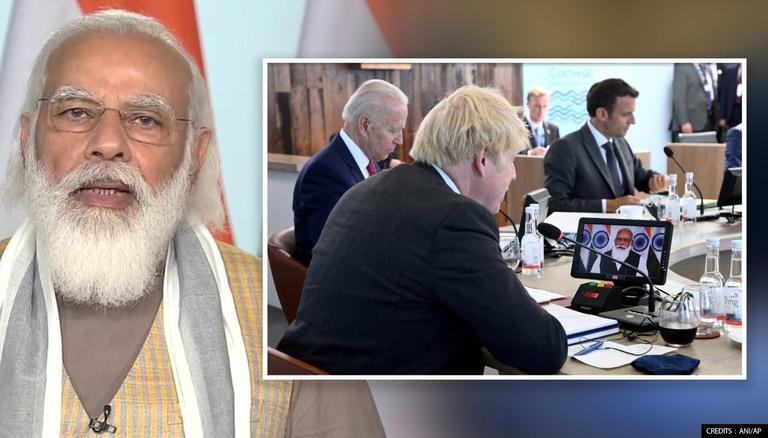
Building  UK's D-10 initiative and the 5G Competition
Technology
Apoorva Jain • Nov 13, 2021

Building UK's D-10 initiative and the 5G Competition

The G-20 summit meeting last week between the leaders of the twenty most important economies of the world has reignited the talks of international cooperation between like-minded countries and groups. With no dearth of multilateral organisa...

2,501 views

 Promoting Tourism in post Covid-19 Recovery phase
Environment
Tanay Suntwal • Sep 23, 2021

Promoting Tourism in post Covid-19 Recovery phase

The Indian tourism Industry has emerged as a significant engine of growth in India's services sector. Given the country's rich cultural and historical legacy, diversity in ecology, terrains, and natural beauty, tourism in India has tremendo...

2,527 views
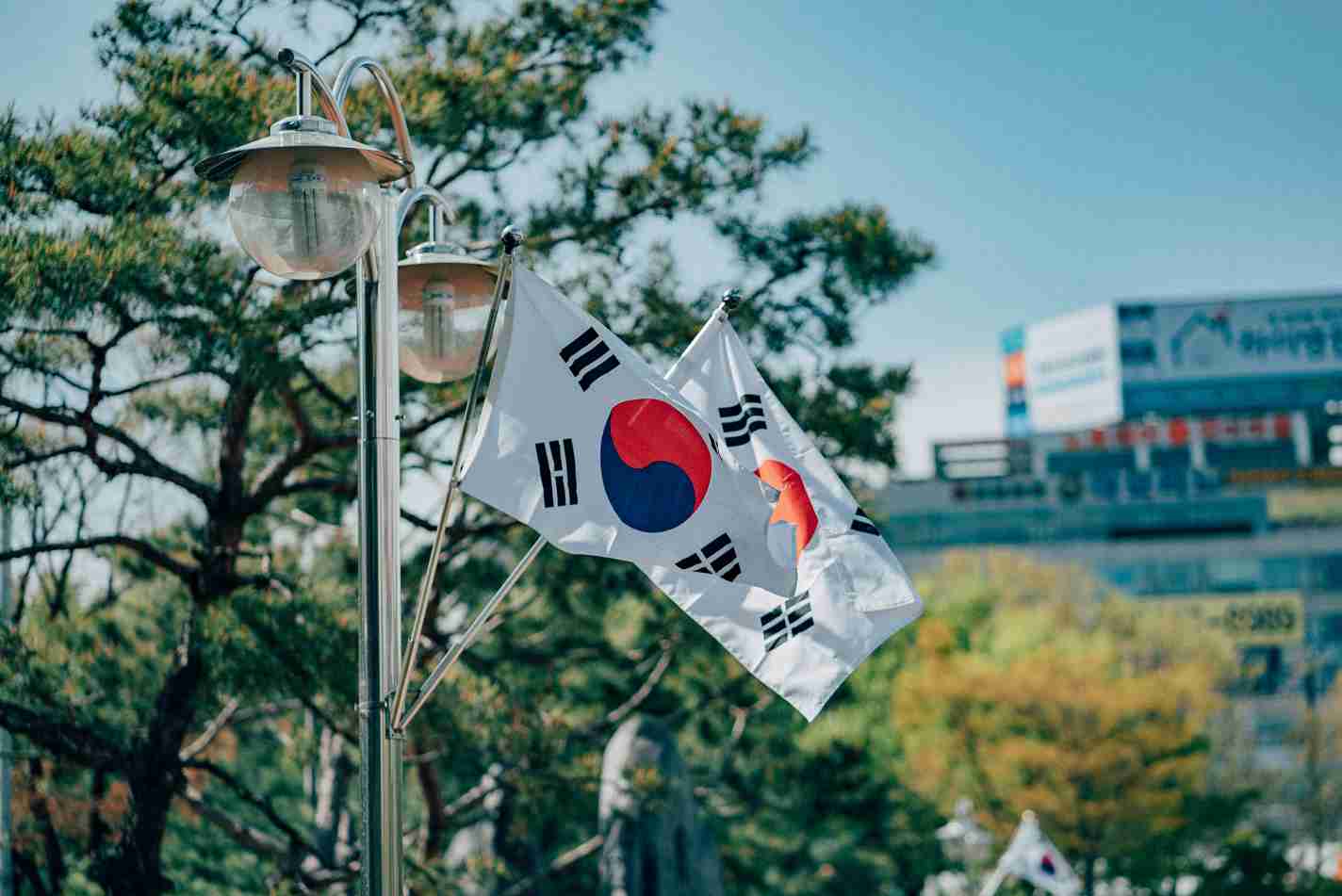
US- Korea Defence Ties: Looking Beyond the Binaries
Security
Torunika Roy • Sep 18, 2021

US- Korea Defence Ties: Looking Beyond the Binaries

The US-ROK friendship is considered as a relationship forged in blood by many Koreans and Americans. This relationship was strengthened by the Former US president Barack Obama at G20 London Summit, where he mentioned that South Korea has be...

2,032 views
The P5+1 Agreement: Is There a Hope?
Nuclear
Apoorva Jain • Jun 29, 2021

The P5+1 Agreement: Is There a Hope?

On June 19th, 17.9 million Iran citizens voted ultra-conservative Ebrahim Raisi, the former judicial chief, as the President of the country. He enters the office at a time when Iran is caught between a chaotic domestic situation with a trai...

10,537 views
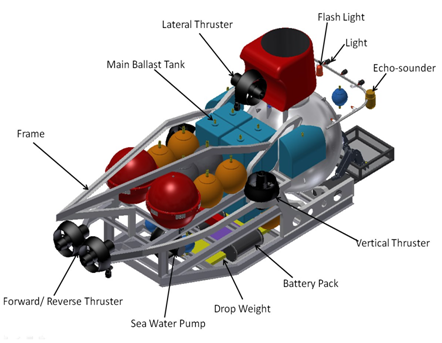
India’s Strategy in Deep Seabed Mining
Technology
Nikita Vats • Jun 7, 2021

India’s Strategy in Deep Seabed Mining

In the depth of the oceans, there is a huge availability of the minerals which are very critical for the usage of modern technological systems. Starting from mobile phones to renewable energy systems like electric cars, deep-sea minerals ar...

3,893 views
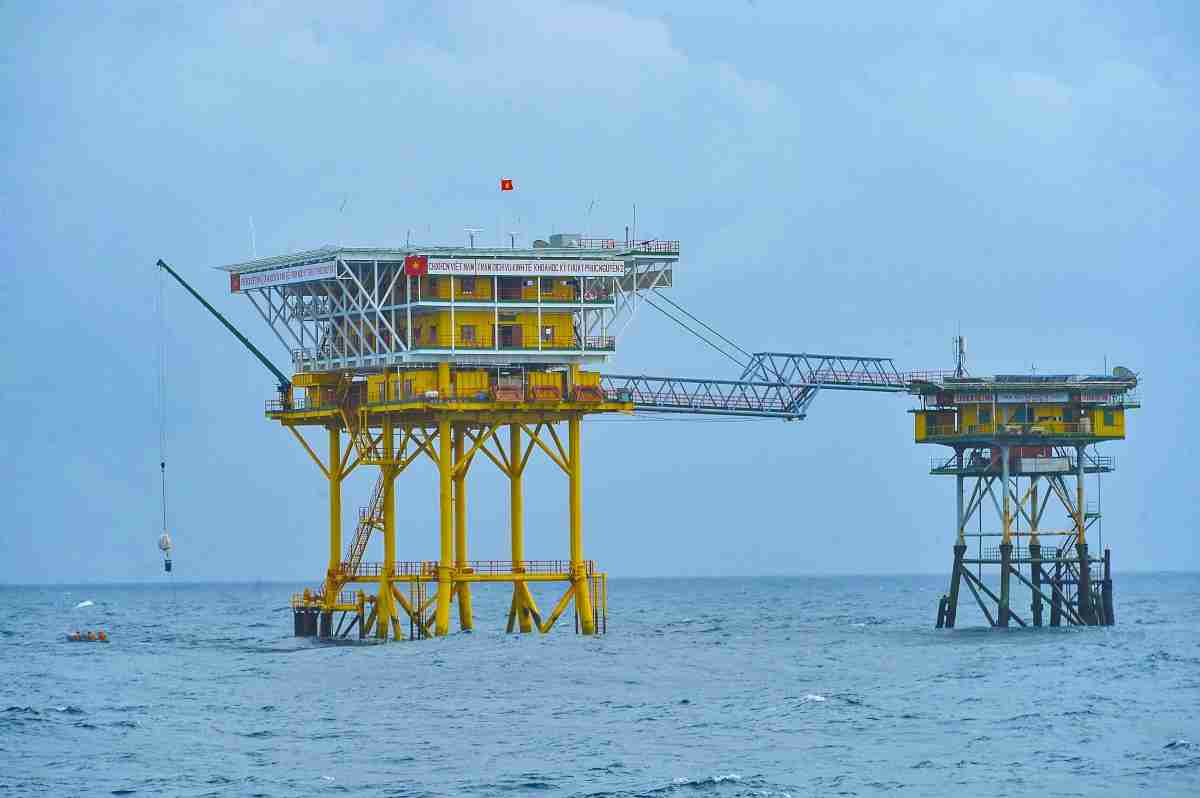
Understanding Chinese tactical moves in South China Sea
Security
Pankaj Jha • May 7, 2021

Understanding Chinese tactical moves in South China Sea

China’s increasing military build-up in South China Sea islands under its control has become a matter of global concern. The militaristic approach and the assertive posture adopted by China has few intrinsic objectives. China has been condu...

3,020 views
Russia's Aerospace Industry – A Bumpy Growth
Space
Krupa Vasani • Mar 18, 2021

Russia's Aerospace Industry – A Bumpy Growth

The Russian development in the aerospace industry has not only showcased their technology know how and prowess, but has also challenged the preconceived notions which the western countries have about the Russian technology and space manufac...

3,190 views
Fallout of Iran nuclear deal and the way forward
Nuclear
Abhijeet Nehra • Mar 1, 2021

Fallout of Iran nuclear deal and the way forward

Iran’s uranium intensification is undoubtedly linked to the covenant with the nuclear group. Not long ago, Tehran decided to enlarge atomic advancement after the Trump administration unilaterally decided to scrap the treaty and re-imposed s...

2,509 views
Why India is interested in Visegrad countries?
Business
Sankalp Sreenath • Feb 26, 2021

Why India is interested in Visegrad countries?

Visegrad countries have become important for Indian foreign policy in recent times. The visit of Indian Minister of External Affairs Dr S. Jaishankar to Hungary and Poland in August 2019 sheds light on India’s engagement with central Europe...

1,538 views
Displaying 97 - 108 of 128 results.

Discover more

Geopolitical Focus Areas