LIVE DISPATCH
• The Fifth Plenum Resolution and the Distribution of Power in the CPC • The Myth of Mankind's Inheritance: China, the US, and the Battle for the Clarion-Clipperton Zone • Energy Security and European Strategic Autonomy: Has the EU’s Shift Away from Russian Fossil Fuels Strengthened Its Strategic Autonomy? • China's Surveillance Architecture in the Bay of Bengal and Its Strategic Implications • Old Threat, New Currents: Piracy, Narco-Trafficking, and India's Response in the Western Indian Ocean • A Reformer for an Institution in Decline: What does the Next Secretary-General Inherits? • Beyond Rare Earths: Sulphuric Acid and the Hidden Vulnerabilities of Critical Mineral Supply Chains • Silent Depths, Loud Signals: Nuclear Deterrence Infrastructure and the Crisis-Stability Costs of India’s Indo-Pacific Maritime Partnerships • Microplastic Pollution and Marine Environmental Security in the Indo-Pacific: An Indonesian Perspective • Securing India's Digital Frontiers: Cybersecurity Challenges and Strategic Responses in the Age of Hybrid Warfare • Structural Parallels in American Coercive Diplomacy: The US-Cuban and US-Iranian Conflicts • Prism of Dragon’s Maritime Assertiveness: Regional Implications and India’s Strategic Options • Cybersecurity and European Strategic Autonomy: Can Europe Reduce Its Dependence on Foreign Digital Infrastructure? • The Architecture of Cooperation: Navigating East Asia's Geopolitical Landscape • India’s Maritime Ties with Tanzania: Challenges and Opportunities in the Indian Ocean Region • From Civil Nuclear Power to Nuclear Hedging: Saudi Arabia, Iran and the Emerging Nuclear Security Dilemma in the Middle East • Beyond Trade: Japan’s New Quest for Economic Security • The Invisible Front: China-Pakistan Grey-Zone Operations • The Pacific: Strategic Competition and the Return of Power Politics • India's Agentic AI Strategy Needs Authority Budgets before Autonomy Scales • Arctic Geopolitics: From Frozen Frontier to Global Contest • From Physical Borders to Intelligent Borders: The Evolution of India's Border Security Architecture • Bridging the Fifth-Generation Gap: India's Su-57E Dilemma, AMCA, and Strategic Autonomy • AI Driven Cyberwarfare and National Security • Regulation as Power? The EU, US and China in the Geopolitics of Artificial Intelligence • The Continuing U.S. Regime-Change Toolkit: Color Revolutions, Political Influence, and Vietnam • The New Defence Architecture: Deconstructing the India-Belgium Geostrategic Win • Digital Pathways to Extremism: An Investigative Study of ISIS and Al-Qaeda's Use of Digital Platforms in India • Beyond Oil: Saudi Arabia's Civil Nuclear Deal with the United States • Strategic Autonomy in the Age of Weaponised Interdependence: India’s Geopolitical Dilemma • China’s Grey-Zone Strategy in the Indian Ocean: Implications for India’s Maritime Security • Europe’s Digital Dependence: Can the EU Achieve Strategic Autonomy? • Cuba’s Economic Crisis and Strategic Relevance: A Peripheral State in Renewed Great Power Competition • Loss and Damage Finance: From COP28 Pledges to Policy Architecture • Beyond Consultation: BIMSTEC's Emerging Role in Regional Intelligence and Security Cooperation • Between the Desert and the Savannah: Conflict and the Political Economy of Instability in the Sahel • The Politics of Ali Khamenei's Funeral • Operation Sindoor and the Changing Dynamics of India–Pakistan Security • Generative AI, Labour Sovereignty, and the Geoeconomics of India's Service Economy • India's AI Diplomacy and the Future of Strategic Technologies • The Fifth Plenum Resolution and the Distribution of Power in the CPC • The Myth of Mankind's Inheritance: China, the US, and the Battle for the Clarion-Clipperton Zone • Energy Security and European Strategic Autonomy: Has the EU’s Shift Away from Russian Fossil Fuels Strengthened Its Strategic Autonomy? • China's Surveillance Architecture in the Bay of Bengal and Its Strategic Implications • Old Threat, New Currents: Piracy, Narco-Trafficking, and India's Response in the Western Indian Ocean • A Reformer for an Institution in Decline: What does the Next Secretary-General Inherits? • Beyond Rare Earths: Sulphuric Acid and the Hidden Vulnerabilities of Critical Mineral Supply Chains • Silent Depths, Loud Signals: Nuclear Deterrence Infrastructure and the Crisis-Stability Costs of India’s Indo-Pacific Maritime Partnerships • Microplastic Pollution and Marine Environmental Security in the Indo-Pacific: An Indonesian Perspective • Securing India's Digital Frontiers: Cybersecurity Challenges and Strategic Responses in the Age of Hybrid Warfare • Structural Parallels in American Coercive Diplomacy: The US-Cuban and US-Iranian Conflicts • Prism of Dragon’s Maritime Assertiveness: Regional Implications and India’s Strategic Options • Cybersecurity and European Strategic Autonomy: Can Europe Reduce Its Dependence on Foreign Digital Infrastructure? • The Architecture of Cooperation: Navigating East Asia's Geopolitical Landscape • India’s Maritime Ties with Tanzania: Challenges and Opportunities in the Indian Ocean Region • From Civil Nuclear Power to Nuclear Hedging: Saudi Arabia, Iran and the Emerging Nuclear Security Dilemma in the Middle East • Beyond Trade: Japan’s New Quest for Economic Security • The Invisible Front: China-Pakistan Grey-Zone Operations • The Pacific: Strategic Competition and the Return of Power Politics • India's Agentic AI Strategy Needs Authority Budgets before Autonomy Scales • Arctic Geopolitics: From Frozen Frontier to Global Contest • From Physical Borders to Intelligent Borders: The Evolution of India's Border Security Architecture • Bridging the Fifth-Generation Gap: India's Su-57E Dilemma, AMCA, and Strategic Autonomy • AI Driven Cyberwarfare and National Security • Regulation as Power? The EU, US and China in the Geopolitics of Artificial Intelligence • The Continuing U.S. Regime-Change Toolkit: Color Revolutions, Political Influence, and Vietnam • The New Defence Architecture: Deconstructing the India-Belgium Geostrategic Win • Digital Pathways to Extremism: An Investigative Study of ISIS and Al-Qaeda's Use of Digital Platforms in India • Beyond Oil: Saudi Arabia's Civil Nuclear Deal with the United States • Strategic Autonomy in the Age of Weaponised Interdependence: India’s Geopolitical Dilemma • China’s Grey-Zone Strategy in the Indian Ocean: Implications for India’s Maritime Security • Europe’s Digital Dependence: Can the EU Achieve Strategic Autonomy? • Cuba’s Economic Crisis and Strategic Relevance: A Peripheral State in Renewed Great Power Competition • Loss and Damage Finance: From COP28 Pledges to Policy Architecture • Beyond Consultation: BIMSTEC's Emerging Role in Regional Intelligence and Security Cooperation • Between the Desert and the Savannah: Conflict and the Political Economy of Instability in the Sahel • The Politics of Ali Khamenei's Funeral • Operation Sindoor and the Changing Dynamics of India–Pakistan Security • Generative AI, Labour Sovereignty, and the Geoeconomics of India's Service Economy • India's AI Diplomacy and the Future of Strategic Technologies

Search CeSCube Intelligence Archives

Search Results for “transportation”

102 total results found
QUAD and the agenda for the future
Security
Samikshya Das • Jun 19, 2022

QUAD and the agenda for the future

The Prime Ministers of India, Japan, and Australia, as well as the US President, launched the Indo-Pacific Economic Framework (IPEF) on May 24, a day before the Quad leaders' second in-person Summit in Tokyo, with Indonesia, South Korea, Ma...

1,383 views
Global inflation and rising commodity prices
Business
Vaibhav Tomar • Jun 9, 2022

Global inflation and rising commodity prices

Rising commodity prices will have a negative effect on global growth. It will also increase the pressure on global inflation, as it will lead to higher prices for food and energy and on many other commodities. Although the effects of rising...

1,555 views
Harnessing Blue Economy: Need for a Pathway
Environment
Vaibhav Tomar • May 16, 2022

Harnessing Blue Economy: Need for a Pathway

The blue economy is a concept that refers to the various ocean resources that can be utilized by coastal nations to enhance their economic growth and environmental sustainability. It is a huge opportunity for coastal nations such as India t...

2,071 views
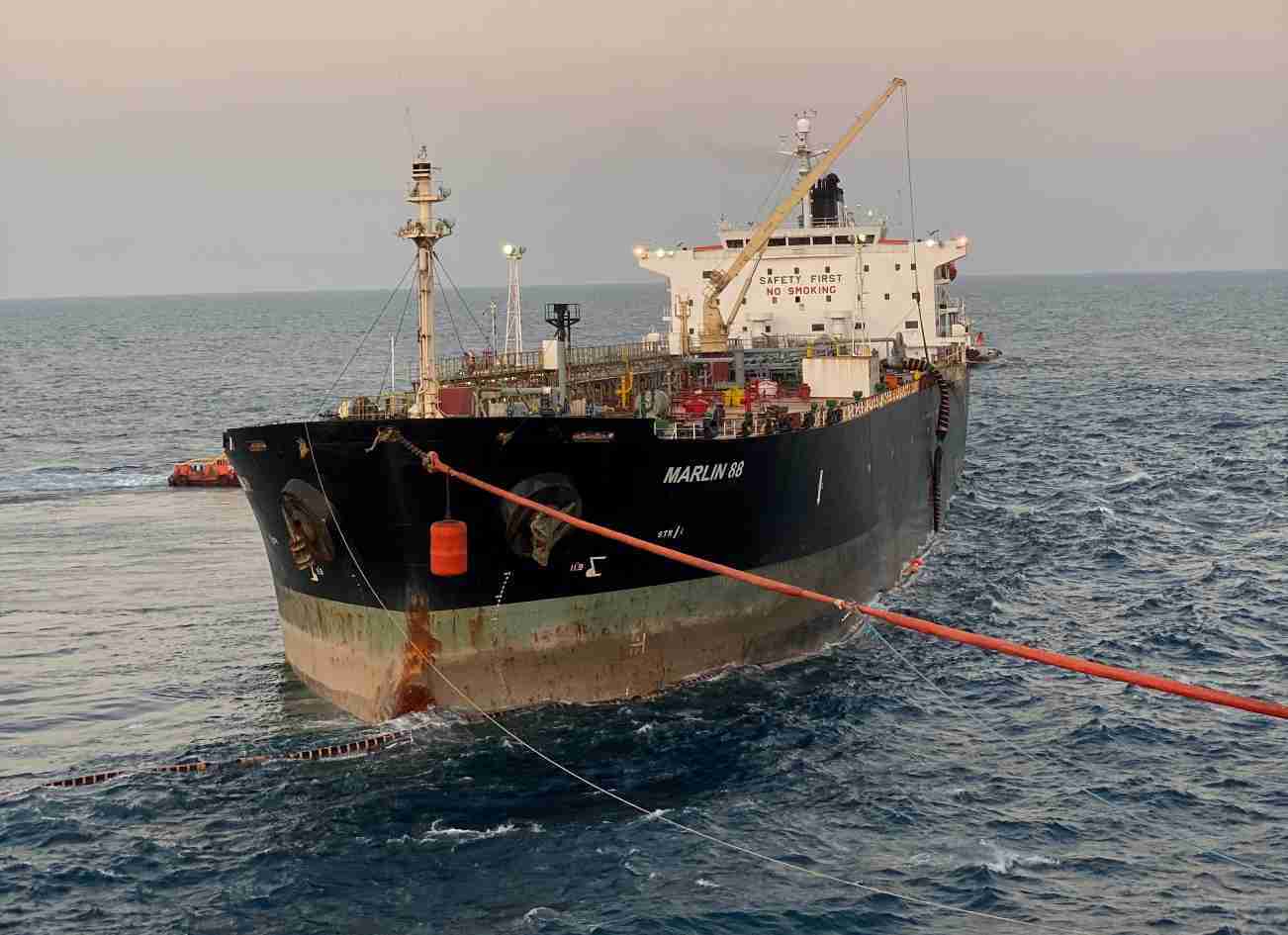
European Oil Imports from Russia: The Umbilical Cord
Economics
Samikshya Das • May 15, 2022

European Oil Imports from Russia: The Umbilical Cord

According to The New York Times, the European Union is contemplating "smart sanctions" against Russian oil imports, as per the statement by Valdis Dombrovskis, the European Commission's executive vice president. [1] The EU, on the 25th of A...

1,755 views
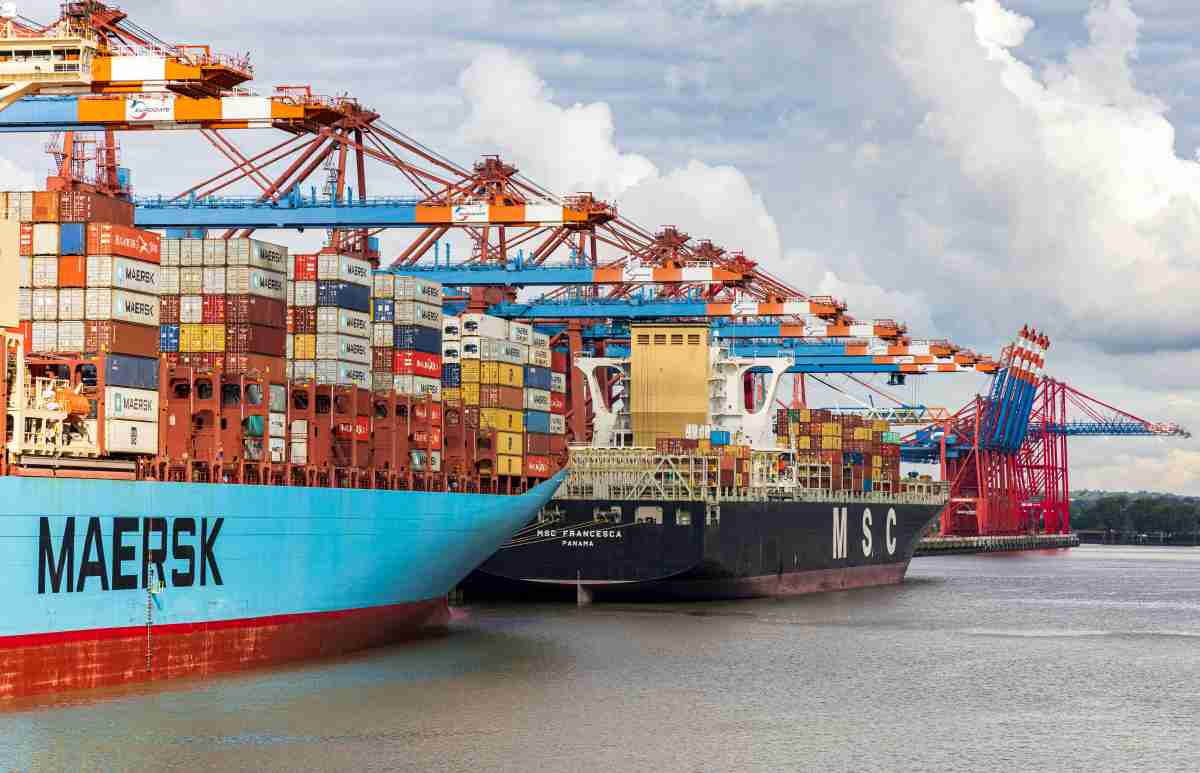
Marine Pollution and Harmful Effects of Microplastics
Environment
Poonam Jindal • May 7, 2022

Marine Pollution and Harmful Effects of Microplastics

Marine pollution is a major cause of concern in today’s world. Our water bodies are polluted due to chemicals and garbage produced by anthropogenic actions. Among the concentrated toxins, plastic is the most prevalent type of marine debris ...

2,470 views
Possible Pointers for Modi-Kishida Summit
Politics
Gitanjali Sinha Roy • Mar 16, 2022

Possible Pointers for Modi-Kishida Summit

In the next few days, India would be hosting the Japanese Prime Minister Fumio Kishida from 19 March 2022 to 20 March 2022. It has to be understood that India and Japan already share a long-lasting friendship and since 2000s, both the count...

1,865 views
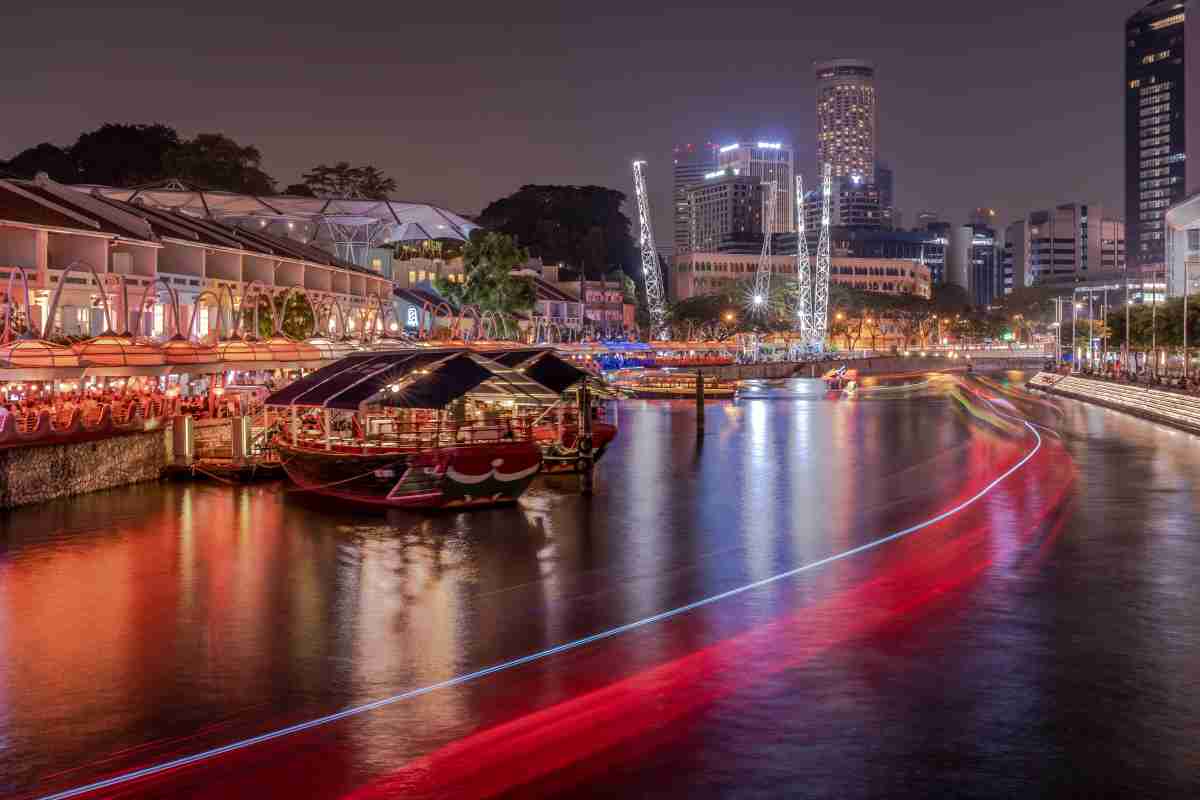
Singapore's Soft Power in global politics
World
Nguyen Thu Thuy • Nov 27, 2021

Singapore's Soft Power in global politics

Singapore as a small country in the world but in global ranking of soft power, this country has gained high position in comparison to other smaller countries. So, what are the main characteristics of Singapore's soft power that makes this s...

8,514 views
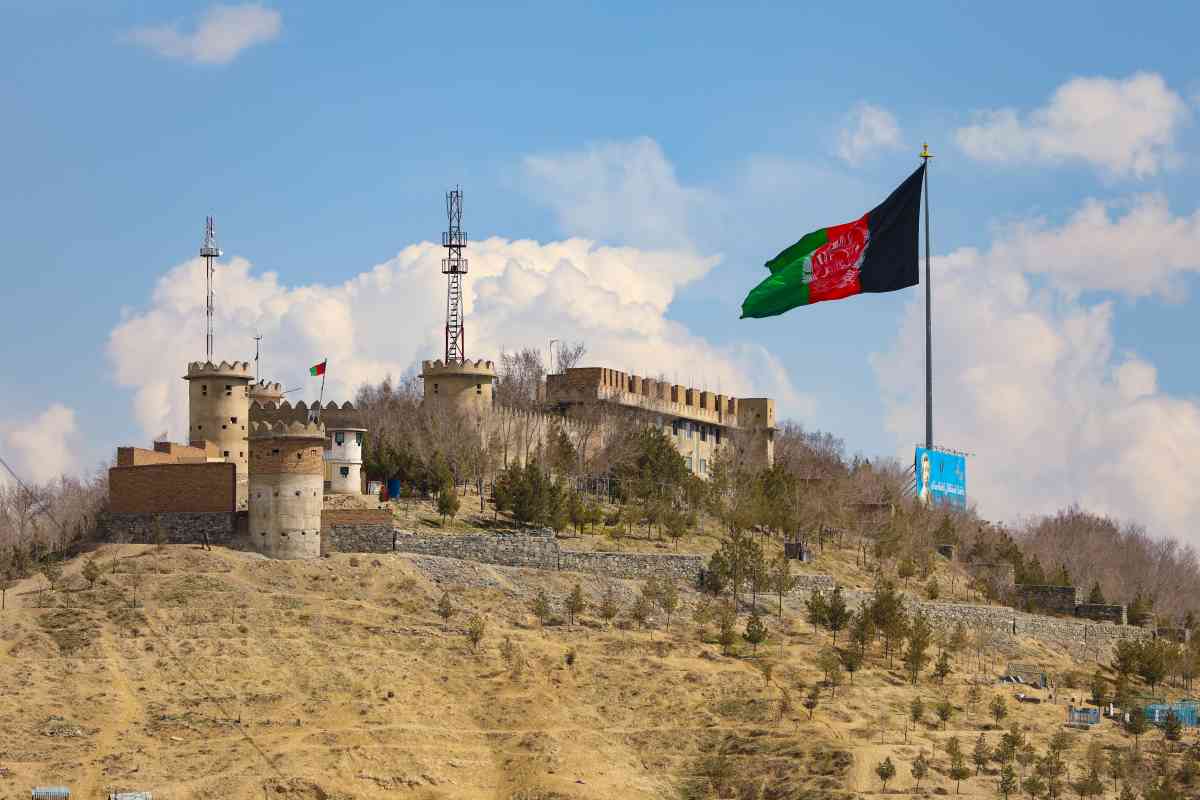
Afghanistan and scramble for its mineral resources
Business
Krupa Vasani • Oct 17, 2021

Afghanistan and scramble for its mineral resources

Afghanistan has been a battleground for political powers for a long time and a lot has been spoken about it. But one of the reasons why Afghanistan was turned into a battleground is because of the resources which it has. With the US withdra...

3,083 views
India-Korea CEPA: Finalizing the Review
Economics
Vaibhav Tomar • Oct 6, 2021

India-Korea CEPA: Finalizing the Review

The growing economic and trade ties between India and Korea have strengthened in the recent years. In 2018, the two countries' annual trade surpassed the $20 billion mark for the first time. Through the CEPA, India and Korea have been able ...

2,003 views
Displaying 61 - 72 of 102 results.

Discover more

Geopolitical Focus Areas