LIVE DISPATCH
• The Fifth Plenum Resolution and the Distribution of Power in the CPC • The Myth of Mankind's Inheritance: China, the US, and the Battle for the Clarion-Clipperton Zone • Energy Security and European Strategic Autonomy: Has the EU’s Shift Away from Russian Fossil Fuels Strengthened Its Strategic Autonomy? • China's Surveillance Architecture in the Bay of Bengal and Its Strategic Implications • Old Threat, New Currents: Piracy, Narco-Trafficking, and India's Response in the Western Indian Ocean • A Reformer for an Institution in Decline: What does the Next Secretary-General Inherits? • Beyond Rare Earths: Sulphuric Acid and the Hidden Vulnerabilities of Critical Mineral Supply Chains • Silent Depths, Loud Signals: Nuclear Deterrence Infrastructure and the Crisis-Stability Costs of India’s Indo-Pacific Maritime Partnerships • Microplastic Pollution and Marine Environmental Security in the Indo-Pacific: An Indonesian Perspective • Securing India's Digital Frontiers: Cybersecurity Challenges and Strategic Responses in the Age of Hybrid Warfare • Structural Parallels in American Coercive Diplomacy: The US-Cuban and US-Iranian Conflicts • Prism of Dragon’s Maritime Assertiveness: Regional Implications and India’s Strategic Options • Cybersecurity and European Strategic Autonomy: Can Europe Reduce Its Dependence on Foreign Digital Infrastructure? • The Architecture of Cooperation: Navigating East Asia's Geopolitical Landscape • India’s Maritime Ties with Tanzania: Challenges and Opportunities in the Indian Ocean Region • From Civil Nuclear Power to Nuclear Hedging: Saudi Arabia, Iran and the Emerging Nuclear Security Dilemma in the Middle East • Beyond Trade: Japan’s New Quest for Economic Security • The Invisible Front: China-Pakistan Grey-Zone Operations • The Pacific: Strategic Competition and the Return of Power Politics • India's Agentic AI Strategy Needs Authority Budgets before Autonomy Scales • Arctic Geopolitics: From Frozen Frontier to Global Contest • From Physical Borders to Intelligent Borders: The Evolution of India's Border Security Architecture • Bridging the Fifth-Generation Gap: India's Su-57E Dilemma, AMCA, and Strategic Autonomy • AI Driven Cyberwarfare and National Security • Regulation as Power? The EU, US and China in the Geopolitics of Artificial Intelligence • The Continuing U.S. Regime-Change Toolkit: Color Revolutions, Political Influence, and Vietnam • The New Defence Architecture: Deconstructing the India-Belgium Geostrategic Win • Digital Pathways to Extremism: An Investigative Study of ISIS and Al-Qaeda's Use of Digital Platforms in India • Beyond Oil: Saudi Arabia's Civil Nuclear Deal with the United States • Strategic Autonomy in the Age of Weaponised Interdependence: India’s Geopolitical Dilemma • China’s Grey-Zone Strategy in the Indian Ocean: Implications for India’s Maritime Security • Europe’s Digital Dependence: Can the EU Achieve Strategic Autonomy? • Cuba’s Economic Crisis and Strategic Relevance: A Peripheral State in Renewed Great Power Competition • Loss and Damage Finance: From COP28 Pledges to Policy Architecture • Beyond Consultation: BIMSTEC's Emerging Role in Regional Intelligence and Security Cooperation • Between the Desert and the Savannah: Conflict and the Political Economy of Instability in the Sahel • The Politics of Ali Khamenei's Funeral • Operation Sindoor and the Changing Dynamics of India–Pakistan Security • Generative AI, Labour Sovereignty, and the Geoeconomics of India's Service Economy • India's AI Diplomacy and the Future of Strategic Technologies • The Fifth Plenum Resolution and the Distribution of Power in the CPC • The Myth of Mankind's Inheritance: China, the US, and the Battle for the Clarion-Clipperton Zone • Energy Security and European Strategic Autonomy: Has the EU’s Shift Away from Russian Fossil Fuels Strengthened Its Strategic Autonomy? • China's Surveillance Architecture in the Bay of Bengal and Its Strategic Implications • Old Threat, New Currents: Piracy, Narco-Trafficking, and India's Response in the Western Indian Ocean • A Reformer for an Institution in Decline: What does the Next Secretary-General Inherits? • Beyond Rare Earths: Sulphuric Acid and the Hidden Vulnerabilities of Critical Mineral Supply Chains • Silent Depths, Loud Signals: Nuclear Deterrence Infrastructure and the Crisis-Stability Costs of India’s Indo-Pacific Maritime Partnerships • Microplastic Pollution and Marine Environmental Security in the Indo-Pacific: An Indonesian Perspective • Securing India's Digital Frontiers: Cybersecurity Challenges and Strategic Responses in the Age of Hybrid Warfare • Structural Parallels in American Coercive Diplomacy: The US-Cuban and US-Iranian Conflicts • Prism of Dragon’s Maritime Assertiveness: Regional Implications and India’s Strategic Options • Cybersecurity and European Strategic Autonomy: Can Europe Reduce Its Dependence on Foreign Digital Infrastructure? • The Architecture of Cooperation: Navigating East Asia's Geopolitical Landscape • India’s Maritime Ties with Tanzania: Challenges and Opportunities in the Indian Ocean Region • From Civil Nuclear Power to Nuclear Hedging: Saudi Arabia, Iran and the Emerging Nuclear Security Dilemma in the Middle East • Beyond Trade: Japan’s New Quest for Economic Security • The Invisible Front: China-Pakistan Grey-Zone Operations • The Pacific: Strategic Competition and the Return of Power Politics • India's Agentic AI Strategy Needs Authority Budgets before Autonomy Scales • Arctic Geopolitics: From Frozen Frontier to Global Contest • From Physical Borders to Intelligent Borders: The Evolution of India's Border Security Architecture • Bridging the Fifth-Generation Gap: India's Su-57E Dilemma, AMCA, and Strategic Autonomy • AI Driven Cyberwarfare and National Security • Regulation as Power? The EU, US and China in the Geopolitics of Artificial Intelligence • The Continuing U.S. Regime-Change Toolkit: Color Revolutions, Political Influence, and Vietnam • The New Defence Architecture: Deconstructing the India-Belgium Geostrategic Win • Digital Pathways to Extremism: An Investigative Study of ISIS and Al-Qaeda's Use of Digital Platforms in India • Beyond Oil: Saudi Arabia's Civil Nuclear Deal with the United States • Strategic Autonomy in the Age of Weaponised Interdependence: India’s Geopolitical Dilemma • China’s Grey-Zone Strategy in the Indian Ocean: Implications for India’s Maritime Security • Europe’s Digital Dependence: Can the EU Achieve Strategic Autonomy? • Cuba’s Economic Crisis and Strategic Relevance: A Peripheral State in Renewed Great Power Competition • Loss and Damage Finance: From COP28 Pledges to Policy Architecture • Beyond Consultation: BIMSTEC's Emerging Role in Regional Intelligence and Security Cooperation • Between the Desert and the Savannah: Conflict and the Political Economy of Instability in the Sahel • The Politics of Ali Khamenei's Funeral • Operation Sindoor and the Changing Dynamics of India–Pakistan Security • Generative AI, Labour Sovereignty, and the Geoeconomics of India's Service Economy • India's AI Diplomacy and the Future of Strategic Technologies

Search CeSCube Intelligence Archives

Search Results for “Agenda Meeting”

92 total results found
ASEAN-India Free Trade Agreement: Need for a Review
Economics
Vaibhav Tomar • Dec 7, 2021

ASEAN-India Free Trade Agreement: Need for a Review

In the 2019 fiscal year, India's merchandise exports to the Association of Southeast Asian Nations (Asean) grew at a compound annual growth rate of about 5 percent to reach a total of $103 billion. Its imports from the region also increased...

1,879 views
Strategic implications of the new ‘Quad’
Security
Gaurav Sen • Dec 2, 2021

Strategic implications of the new ‘Quad’

Apart from the Indo-Pacific Quad, a new Quad was formed last month when India's, Israel's, the United Arab Emirates', and the United States' foreign ministers met to form a "International Forum for Economic Cooperation." Following last year...

1,743 views
Building  UK's D-10 initiative and the 5G Competition
Technology
Apoorva Jain • Nov 13, 2021

Building UK's D-10 initiative and the 5G Competition

The G-20 summit meeting last week between the leaders of the twenty most important economies of the world has reignited the talks of international cooperation between like-minded countries and groups. With no dearth of multilateral organisa...

2,501 views
ASEAN Summit Meetings 2021: Major Takeaways
Politics
Apoorva Jain • Nov 4, 2021

ASEAN Summit Meetings 2021: Major Takeaways

The Association of Southeast Asian Nations (ASEAN) recently held its 38th and 39th summit meetings from 26th October to 28th October 2021. Under the theme "We Care, We Prepare, We Prosper", Brunei Darussalam took over the ASEAN Chairmanship...

2,417 views
The New Nepali Government and its Foreign Policy
Politics
Krupa Vasani • Oct 18, 2021

The New Nepali Government and its Foreign Policy

Nepal's newly appointed Prime Minister, Sher Bahadur Dueba has come to the power for the fifth time in past 26 years. He has a mammoth task ahead of him - he not only has to bring political stability in his country but also has to deal with...

1,952 views
Iraqi Politics and Elections: An Update
Politics
Apoorva Jain • Oct 12, 2021

Iraqi Politics and Elections: An Update

In the wake of Iraq’s fifth parliamentary elections which are scheduled for the coming week on October 10th, the political dynamics of the country have come a long way since the U.S. invasion of 2003. Since the toppling of Saddam Hussein an...

1,613 views
Takeaways from 76th  UN General Assembly meeting
Politics
Torunika Roy • Oct 7, 2021

Takeaways from 76th UN General Assembly meeting

When the United Nations was established in 1945, it committed to maintain international peace and security by encouraging the development of friendly relations among nations. The General Assembly is one of the principal organs of the United...

2,635 views
Decoding APEC’s Putrajaya Vision 2040
Economics
Vaibhav Tomar • Sep 30, 2021

Decoding APEC’s Putrajaya Vision 2040

To ensure the continued growth and development of the Asia-Pacific, there will be a free, open, and fair trade and investment environment, which supports the rules of the World Trade Organization in delivering a well-functioning and predict...

3,382 views
India’s SCO Challenge: Treading a fine line
Politics
Gaurav Sen • Aug 17, 2021

India’s SCO Challenge: Treading a fine line

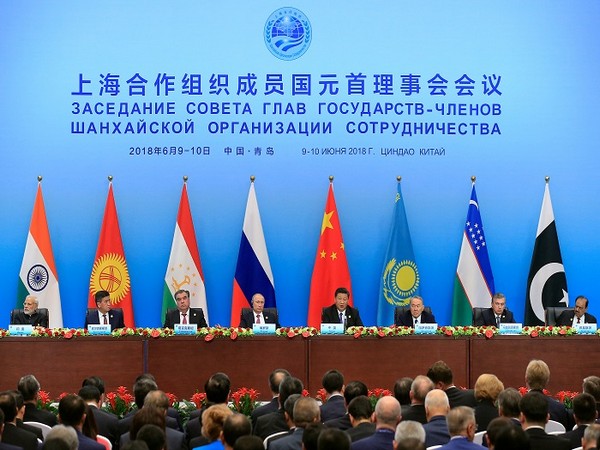
Initially, The Shanghai Cooperation Organization (SCO) was the group of the six Eurasian countries that expanded with the inclusion of India and Pakistan in 2017. Constituted to resolve border disputes between the participant states, the or...

1,763 views
Displaying 49 - 60 of 92 results.

Discover more

Geopolitical Focus Areas