LIVE DISPATCH
• Arctic Geopolitics: From Frozen Frontier to Global Contest • From Physical Borders to Intelligent Borders: The Evolution of India's Border Security Architecture • Bridging the Fifth-Generation Gap: India's Su-57E Dilemma, AMCA, and Strategic Autonomy • AI Driven Cyberwarfare and National Security • Regulation as Power? The EU, US and China in the Geopolitics of Artificial Intelligence • The Continuing U.S. Regime-Change Toolkit: Color Revolutions, Political Influence, and Vietnam • The New Defence Architecture: Deconstructing the India-Belgium Geostrategic Win • Digital Pathways to Extremism: An Investigative Study of ISIS and Al-Qaeda's Use of Digital Platforms in India • Beyond Oil: Saudi Arabia's Civil Nuclear Deal with the United States • Strategic Autonomy in the Age of Weaponised Interdependence: India’s Geopolitical Dilemma • The Myth of Mankind's Inheritance: China, the US, and the Battle for the Clarion-Clipperton Zone • China’s Grey-Zone Strategy in the Indian Ocean: Implications for India’s Maritime Security • China's Surveillance Architecture in the Bay of Bengal and Its Strategic Implications • Europe’s Digital Dependence: Can the EU Achieve Strategic Autonomy? • A Reformer for an Institution in Decline: What does the Next Secretary-General Inherits? • Cuba’s Economic Crisis and Strategic Relevance: A Peripheral State in Renewed Great Power Competition • Silent Depths, Loud Signals: Nuclear Deterrence Infrastructure and the Crisis-Stability Costs of India’s Indo-Pacific Maritime Partnerships • Loss and Damage Finance: From COP28 Pledges to Policy Architecture • Securing India's Digital Frontiers: Cybersecurity Challenges and Strategic Responses in the Age of Hybrid Warfare • Beyond Consultation: BIMSTEC's Emerging Role in Regional Intelligence and Security Cooperation • Prism of Dragon’s Maritime Assertiveness: Regional Implications and India’s Strategic Options • Between the Desert and the Savannah: Conflict and the Political Economy of Instability in the Sahel • The Architecture of Cooperation: Navigating East Asia's Geopolitical Landscape • The Politics of Ali Khamenei's Funeral • From Civil Nuclear Power to Nuclear Hedging: Saudi Arabia, Iran and the Emerging Nuclear Security Dilemma in the Middle East • Operation Sindoor and the Changing Dynamics of India–Pakistan Security • The Invisible Front: China-Pakistan Grey-Zone Operations • Generative AI, Labour Sovereignty, and the Geoeconomics of India's Service Economy • India's Agentic AI Strategy Needs Authority Budgets before Autonomy Scales • India's AI Diplomacy and the Future of Strategic Technologies • Lethal Autonomous Weapons Systems and the Governance Deficit: Challenges to International Humanitarian Law and Accountability • Great Power Rivalry and the Crisis of the United Nations • Ten Years After Brexit: Regret, Reform, or Reversal? • Sports, Strategy and Statecraft of Mega Sporting Events as Geoeconomic Instruments: Qatar 2022 to Saudi Arabia 2034 • Hardening the Quad: From Strategic Dialogue to Operational Cooperation • The Maghreb of States: Identity, Sovereignty, and the Limits of Non-Interference • Beyond the Battlefield: Understanding Unconventional Security Challenges in Contemporary Geopolitics • Trapped in Deterrence: Nuclear Stability and the Persistence of Conflict in South Asia • Extended Deterrence Under Strain: Credibility, Assurance, and the Stability-Instability Paradox in the Indo-Pacific • Maritime India: Security, Trade, and Great Power Competition • Arctic Geopolitics: From Frozen Frontier to Global Contest • From Physical Borders to Intelligent Borders: The Evolution of India's Border Security Architecture • Bridging the Fifth-Generation Gap: India's Su-57E Dilemma, AMCA, and Strategic Autonomy • AI Driven Cyberwarfare and National Security • Regulation as Power? The EU, US and China in the Geopolitics of Artificial Intelligence • The Continuing U.S. Regime-Change Toolkit: Color Revolutions, Political Influence, and Vietnam • The New Defence Architecture: Deconstructing the India-Belgium Geostrategic Win • Digital Pathways to Extremism: An Investigative Study of ISIS and Al-Qaeda's Use of Digital Platforms in India • Beyond Oil: Saudi Arabia's Civil Nuclear Deal with the United States • Strategic Autonomy in the Age of Weaponised Interdependence: India’s Geopolitical Dilemma • The Myth of Mankind's Inheritance: China, the US, and the Battle for the Clarion-Clipperton Zone • China’s Grey-Zone Strategy in the Indian Ocean: Implications for India’s Maritime Security • China's Surveillance Architecture in the Bay of Bengal and Its Strategic Implications • Europe’s Digital Dependence: Can the EU Achieve Strategic Autonomy? • A Reformer for an Institution in Decline: What does the Next Secretary-General Inherits? • Cuba’s Economic Crisis and Strategic Relevance: A Peripheral State in Renewed Great Power Competition • Silent Depths, Loud Signals: Nuclear Deterrence Infrastructure and the Crisis-Stability Costs of India’s Indo-Pacific Maritime Partnerships • Loss and Damage Finance: From COP28 Pledges to Policy Architecture • Securing India's Digital Frontiers: Cybersecurity Challenges and Strategic Responses in the Age of Hybrid Warfare • Beyond Consultation: BIMSTEC's Emerging Role in Regional Intelligence and Security Cooperation • Prism of Dragon’s Maritime Assertiveness: Regional Implications and India’s Strategic Options • Between the Desert and the Savannah: Conflict and the Political Economy of Instability in the Sahel • The Architecture of Cooperation: Navigating East Asia's Geopolitical Landscape • The Politics of Ali Khamenei's Funeral • From Civil Nuclear Power to Nuclear Hedging: Saudi Arabia, Iran and the Emerging Nuclear Security Dilemma in the Middle East • Operation Sindoor and the Changing Dynamics of India–Pakistan Security • The Invisible Front: China-Pakistan Grey-Zone Operations • Generative AI, Labour Sovereignty, and the Geoeconomics of India's Service Economy • India's Agentic AI Strategy Needs Authority Budgets before Autonomy Scales • India's AI Diplomacy and the Future of Strategic Technologies • Lethal Autonomous Weapons Systems and the Governance Deficit: Challenges to International Humanitarian Law and Accountability • Great Power Rivalry and the Crisis of the United Nations • Ten Years After Brexit: Regret, Reform, or Reversal? • Sports, Strategy and Statecraft of Mega Sporting Events as Geoeconomic Instruments: Qatar 2022 to Saudi Arabia 2034 • Hardening the Quad: From Strategic Dialogue to Operational Cooperation • The Maghreb of States: Identity, Sovereignty, and the Limits of Non-Interference • Beyond the Battlefield: Understanding Unconventional Security Challenges in Contemporary Geopolitics • Trapped in Deterrence: Nuclear Stability and the Persistence of Conflict in South Asia • Extended Deterrence Under Strain: Credibility, Assurance, and the Stability-Instability Paradox in the Indo-Pacific • Maritime India: Security, Trade, and Great Power Competition

Search CeSCube Intelligence Archives

Search Results for “India China rivalry”

87 total results found
Russia- Pakistan Ties: Should India Be Concerned?
Security
Poonam Jindal • Feb 9, 2022

Russia- Pakistan Ties: Should India Be Concerned?

The current year is going to be highly significant for the diplomatic relations between Russia and Pakistan. The top leadership of both the countries were present at the opening ceremony of the Winter Olympics began on the evening of Februa...

2097
Kazakhstan and the Perils of Geopolitics
Politics
Gaurav Sen • Feb 8, 2022

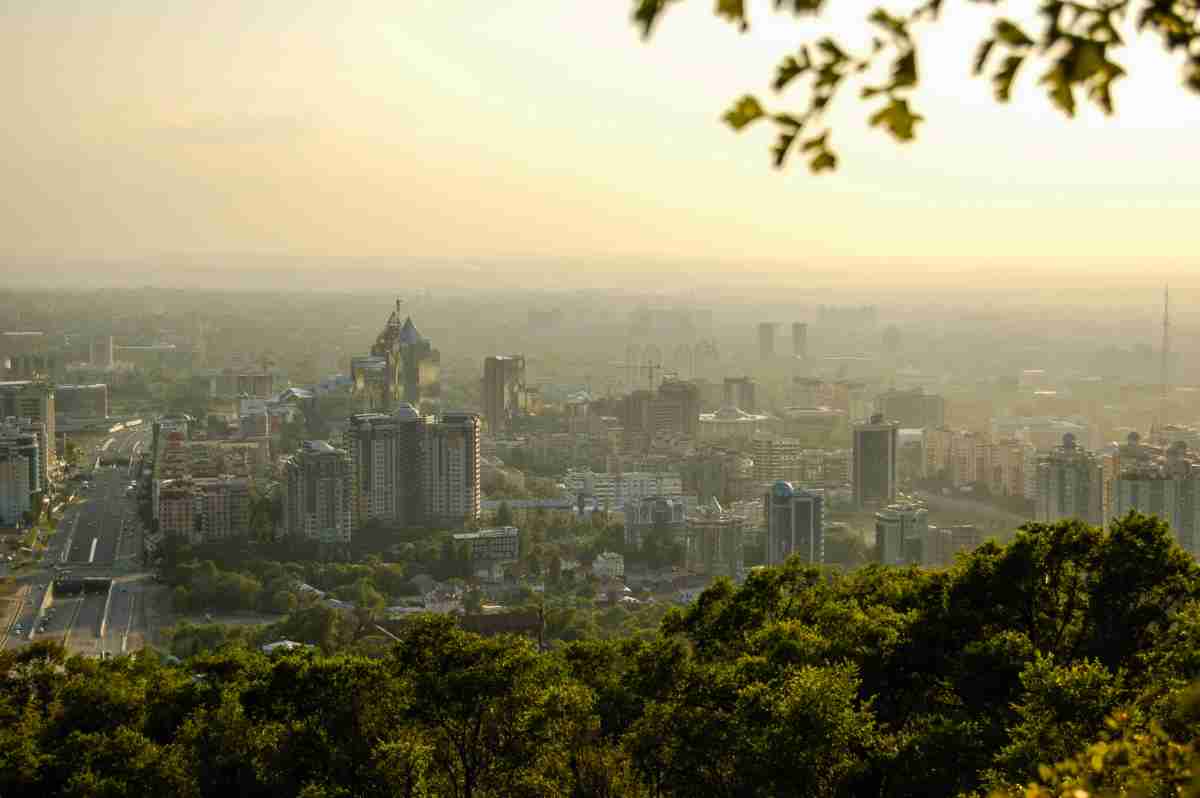
Kazakhstan and the Perils of Geopolitics

The question of Kazakhstan remains crucial as the Biden Administration tries to strike a reasonable balance among many foreign policy challenges. The country that is recognised as a nuclear-free zone by the United States and Russia, but is ...

2035
US Democracy Summit and invitation to Taiwan
World
Apoorva Jain • Dec 17, 2021

US Democracy Summit and invitation to Taiwan

On December 9th and 10th, the U.S President Biden administration hosted a club of hundred plus countries at the Summit of Democracy, to celebrate and reinforce the principles of democratic order. The three main themes of the summit include ...

2025
Taliban’s trail for recognition
World
Khyati Singh • Dec 8, 2021

Taliban’s trail for recognition

Afghanistan has become a classic case of what all could grow wrong in a nation that becomes the playground for great power politics. Ever since the invasion of one great power and the other, from USSR to the USA, Afghanistan has not known w...

2259
Renewed Relevance: Five Power Defence Agreement
Security
Gaurav Sen • Nov 24, 2021

Renewed Relevance: Five Power Defence Agreement

Formed in 1971 after the withdrawal of British forces east of the Suez, the five Power defense Arrangements (FPDA), has a primary aim to protect former colonies Malaysia and Singapore in a region marred in conflict. The two South East Asian...

3181
Building  UK's D-10 initiative and the 5G Competition
Technology
Apoorva Jain • Nov 13, 2021

Building UK's D-10 initiative and the 5G Competition

The G-20 summit meeting last week between the leaders of the twenty most important economies of the world has reignited the talks of international cooperation between like-minded countries and groups. With no dearth of multilateral organisa...

2489
ASEAN Summit Meetings 2021: Major Takeaways
Politics
Apoorva Jain • Nov 4, 2021

ASEAN Summit Meetings 2021: Major Takeaways

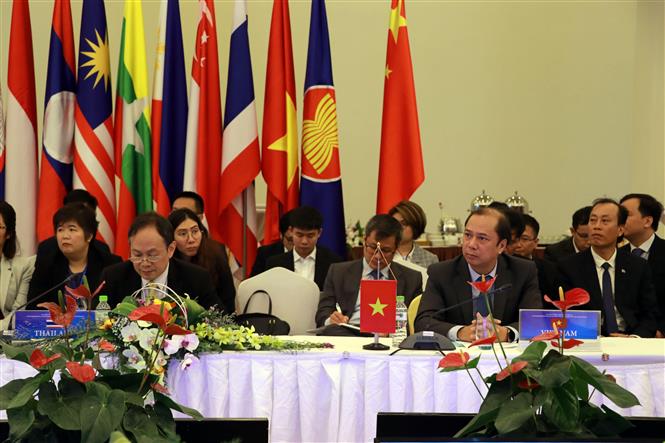
The Association of Southeast Asian Nations (ASEAN) recently held its 38th and 39th summit meetings from 26th October to 28th October 2021. Under the theme "We Care, We Prepare, We Prosper", Brunei Darussalam took over the ASEAN Chairmanship...

2407
The New Nepali Government and its Foreign Policy
Politics
Krupa Vasani • Oct 18, 2021

The New Nepali Government and its Foreign Policy

Nepal's newly appointed Prime Minister, Sher Bahadur Dueba has come to the power for the fifth time in past 26 years. He has a mammoth task ahead of him - he not only has to bring political stability in his country but also has to deal with...

1940
Displaying 61 - 72 of 87 results.

Discover more

Geopolitical Focus Areas