LIVE DISPATCH
• The Fifth Plenum Resolution and the Distribution of Power in the CPC • The Myth of Mankind's Inheritance: China, the US, and the Battle for the Clarion-Clipperton Zone • Energy Security and European Strategic Autonomy: Has the EU’s Shift Away from Russian Fossil Fuels Strengthened Its Strategic Autonomy? • China's Surveillance Architecture in the Bay of Bengal and Its Strategic Implications • Old Threat, New Currents: Piracy, Narco-Trafficking, and India's Response in the Western Indian Ocean • A Reformer for an Institution in Decline: What does the Next Secretary-General Inherits? • Beyond Rare Earths: Sulphuric Acid and the Hidden Vulnerabilities of Critical Mineral Supply Chains • Silent Depths, Loud Signals: Nuclear Deterrence Infrastructure and the Crisis-Stability Costs of India’s Indo-Pacific Maritime Partnerships • Microplastic Pollution and Marine Environmental Security in the Indo-Pacific: An Indonesian Perspective • Securing India's Digital Frontiers: Cybersecurity Challenges and Strategic Responses in the Age of Hybrid Warfare • Structural Parallels in American Coercive Diplomacy: The US-Cuban and US-Iranian Conflicts • Prism of Dragon’s Maritime Assertiveness: Regional Implications and India’s Strategic Options • Cybersecurity and European Strategic Autonomy: Can Europe Reduce Its Dependence on Foreign Digital Infrastructure? • The Architecture of Cooperation: Navigating East Asia's Geopolitical Landscape • India’s Maritime Ties with Tanzania: Challenges and Opportunities in the Indian Ocean Region • From Civil Nuclear Power to Nuclear Hedging: Saudi Arabia, Iran and the Emerging Nuclear Security Dilemma in the Middle East • Beyond Trade: Japan’s New Quest for Economic Security • The Invisible Front: China-Pakistan Grey-Zone Operations • The Pacific: Strategic Competition and the Return of Power Politics • India's Agentic AI Strategy Needs Authority Budgets before Autonomy Scales • Arctic Geopolitics: From Frozen Frontier to Global Contest • From Physical Borders to Intelligent Borders: The Evolution of India's Border Security Architecture • Bridging the Fifth-Generation Gap: India's Su-57E Dilemma, AMCA, and Strategic Autonomy • AI Driven Cyberwarfare and National Security • Regulation as Power? The EU, US and China in the Geopolitics of Artificial Intelligence • The Continuing U.S. Regime-Change Toolkit: Color Revolutions, Political Influence, and Vietnam • The New Defence Architecture: Deconstructing the India-Belgium Geostrategic Win • Digital Pathways to Extremism: An Investigative Study of ISIS and Al-Qaeda's Use of Digital Platforms in India • Beyond Oil: Saudi Arabia's Civil Nuclear Deal with the United States • Strategic Autonomy in the Age of Weaponised Interdependence: India’s Geopolitical Dilemma • China’s Grey-Zone Strategy in the Indian Ocean: Implications for India’s Maritime Security • Europe’s Digital Dependence: Can the EU Achieve Strategic Autonomy? • Cuba’s Economic Crisis and Strategic Relevance: A Peripheral State in Renewed Great Power Competition • Loss and Damage Finance: From COP28 Pledges to Policy Architecture • Beyond Consultation: BIMSTEC's Emerging Role in Regional Intelligence and Security Cooperation • Between the Desert and the Savannah: Conflict and the Political Economy of Instability in the Sahel • The Politics of Ali Khamenei's Funeral • Operation Sindoor and the Changing Dynamics of India–Pakistan Security • Generative AI, Labour Sovereignty, and the Geoeconomics of India's Service Economy • India's AI Diplomacy and the Future of Strategic Technologies • The Fifth Plenum Resolution and the Distribution of Power in the CPC • The Myth of Mankind's Inheritance: China, the US, and the Battle for the Clarion-Clipperton Zone • Energy Security and European Strategic Autonomy: Has the EU’s Shift Away from Russian Fossil Fuels Strengthened Its Strategic Autonomy? • China's Surveillance Architecture in the Bay of Bengal and Its Strategic Implications • Old Threat, New Currents: Piracy, Narco-Trafficking, and India's Response in the Western Indian Ocean • A Reformer for an Institution in Decline: What does the Next Secretary-General Inherits? • Beyond Rare Earths: Sulphuric Acid and the Hidden Vulnerabilities of Critical Mineral Supply Chains • Silent Depths, Loud Signals: Nuclear Deterrence Infrastructure and the Crisis-Stability Costs of India’s Indo-Pacific Maritime Partnerships • Microplastic Pollution and Marine Environmental Security in the Indo-Pacific: An Indonesian Perspective • Securing India's Digital Frontiers: Cybersecurity Challenges and Strategic Responses in the Age of Hybrid Warfare • Structural Parallels in American Coercive Diplomacy: The US-Cuban and US-Iranian Conflicts • Prism of Dragon’s Maritime Assertiveness: Regional Implications and India’s Strategic Options • Cybersecurity and European Strategic Autonomy: Can Europe Reduce Its Dependence on Foreign Digital Infrastructure? • The Architecture of Cooperation: Navigating East Asia's Geopolitical Landscape • India’s Maritime Ties with Tanzania: Challenges and Opportunities in the Indian Ocean Region • From Civil Nuclear Power to Nuclear Hedging: Saudi Arabia, Iran and the Emerging Nuclear Security Dilemma in the Middle East • Beyond Trade: Japan’s New Quest for Economic Security • The Invisible Front: China-Pakistan Grey-Zone Operations • The Pacific: Strategic Competition and the Return of Power Politics • India's Agentic AI Strategy Needs Authority Budgets before Autonomy Scales • Arctic Geopolitics: From Frozen Frontier to Global Contest • From Physical Borders to Intelligent Borders: The Evolution of India's Border Security Architecture • Bridging the Fifth-Generation Gap: India's Su-57E Dilemma, AMCA, and Strategic Autonomy • AI Driven Cyberwarfare and National Security • Regulation as Power? The EU, US and China in the Geopolitics of Artificial Intelligence • The Continuing U.S. Regime-Change Toolkit: Color Revolutions, Political Influence, and Vietnam • The New Defence Architecture: Deconstructing the India-Belgium Geostrategic Win • Digital Pathways to Extremism: An Investigative Study of ISIS and Al-Qaeda's Use of Digital Platforms in India • Beyond Oil: Saudi Arabia's Civil Nuclear Deal with the United States • Strategic Autonomy in the Age of Weaponised Interdependence: India’s Geopolitical Dilemma • China’s Grey-Zone Strategy in the Indian Ocean: Implications for India’s Maritime Security • Europe’s Digital Dependence: Can the EU Achieve Strategic Autonomy? • Cuba’s Economic Crisis and Strategic Relevance: A Peripheral State in Renewed Great Power Competition • Loss and Damage Finance: From COP28 Pledges to Policy Architecture • Beyond Consultation: BIMSTEC's Emerging Role in Regional Intelligence and Security Cooperation • Between the Desert and the Savannah: Conflict and the Political Economy of Instability in the Sahel • The Politics of Ali Khamenei's Funeral • Operation Sindoor and the Changing Dynamics of India–Pakistan Security • Generative AI, Labour Sovereignty, and the Geoeconomics of India's Service Economy • India's AI Diplomacy and the Future of Strategic Technologies

Search CeSCube Intelligence Archives

Search Results for “Gulf energy security”

64 total results found
India’s Projects in Central Asia
World
Krupa Vasani • Oct 14, 2021

India’s Projects in Central Asia

India's engagement with Central Asia has increased in the last decade. India has emerged as one of the leading countries in the world - both economically and strategically. As a part of its strategic cooperation, the five Central Asian coun...

2,833 views

Iraqi Politics and Elections: An Update
Politics
Apoorva Jain • Oct 12, 2021

Iraqi Politics and Elections: An Update

In the wake of Iraq’s fifth parliamentary elections which are scheduled for the coming week on October 10th, the political dynamics of the country have come a long way since the U.S. invasion of 2003. Since the toppling of Saddam Hussein an...

1,613 views
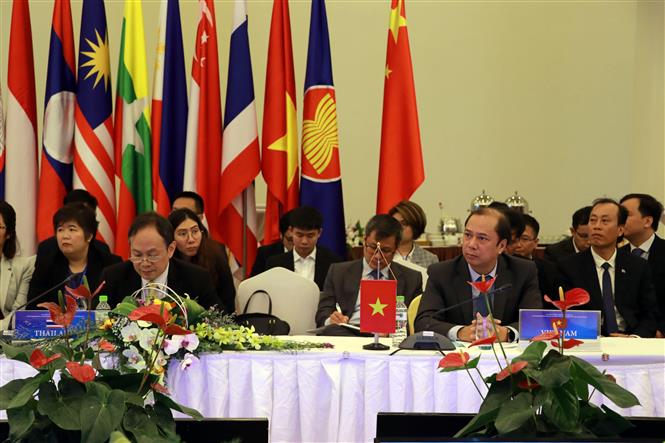
China & Iran: Looking into Complementarities
Politics
Aditya Kumar • Jul 20, 2021

China & Iran: Looking into Complementarities

When one looks at China-Iran relations, one can easily conclude that their relations very well fits the famous proverb 'my enemy's enemy is my friend'. China-Iran relation is a classical case of balancing. Despite the lack of commonalities ...

2,585 views
Is China defining maritime order in South China Sea?
Military
Aastha Saluja • May 24, 2021

Is China defining maritime order in South China Sea?

South China Sea occupies a strategic foothold in the global maritime order for several reasons such as being the flagbearer of naval modernity, sea trade and resource extraction. The region witnesses a dynamic interplay of maritime national...

2,097 views
Iran China strategic pact
Security
Abhijeet Nehra • Apr 10, 2021

Iran China strategic pact

On Saturday, 27th March 2021 China and Iran signed a key agreement which is being reported as a ‘strategic cooperation pact’. As part of the deal, Beijing has agreed to invest over $400 billion in fields such as banking, telecommunications,...

1,864 views
US return to Paris Agreement on Climate Change
Environment
Abhijeet Nehra • Feb 23, 2021

US return to Paris Agreement on Climate Change

US President Joe Biden acknowledged the fact that climate change is real in his inauguration speech on 20th January, he announced that the national and foreign policy would be climate-centric and recognized the need to fight the climate cat...

2,624 views
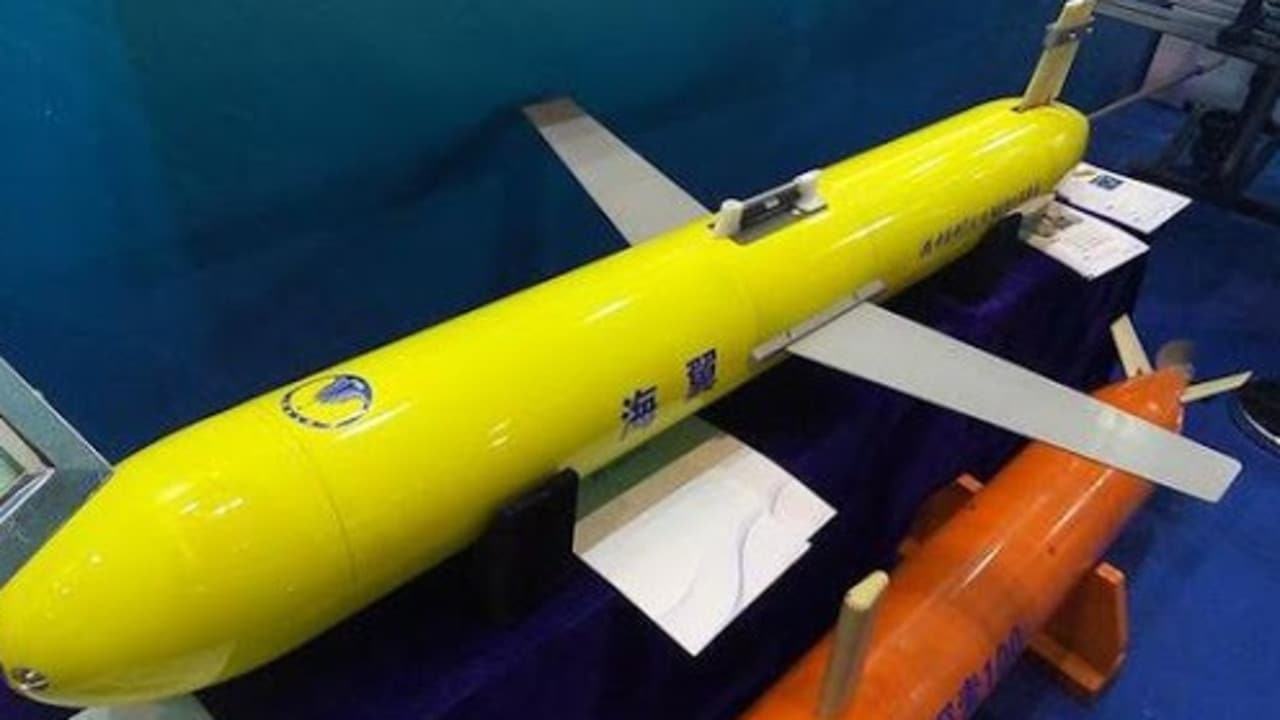
China’s Underwater Drones in the Indian Ocean
Security
Jyot Shikhar Singh • Feb 17, 2021

China’s Underwater Drones in the Indian Ocean

Chinese foreign policy has become clearer in recent times. Aggressive interventionist policies towards Taiwan, the South China Sea and Indian territorial and maritime region are clear indications of how Beijing wants to pan out its military...

4,438 views
Evaluating the Blue Dot Network: A Critical Analysis
Economics
Mohit Vashisth • Oct 19, 2020

Evaluating the Blue Dot Network: A Critical Analysis

On 4th November 2019, the US, Japan, and Australia jointly announced the Blue Dot Network (BDN) at the Indo-Pacific Business Forum in Thailand during the 35th ASEAN Summit. This initiative seeks to employ a multi-stakeholder approach to pro...

3,928 views
Reading into strategic fine print of Abraham Accords
Politics
Mohit Vashisth • Sep 29, 2020

Reading into strategic fine print of Abraham Accords

In September 15, 2020, Israel has signed Abraham Accords with the UAE and Bahrain which aims at normalising the relations between the three nations. These include security and scientific cooperation, direct flights, commercial activities, t...

1,944 views
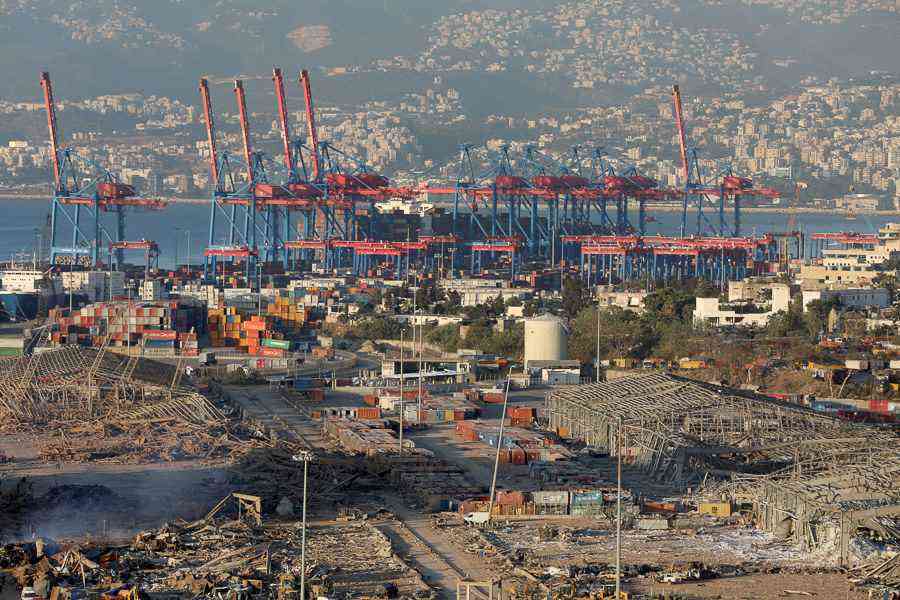
After Beirut blasts: Lessons on Dangerous Cargo
Weapons
Zeus Hans Mendez • Aug 13, 2020

After Beirut blasts: Lessons on Dangerous Cargo

On the 23rd of September 2013, the Lebanese port authorities confiscated 2750 Tonnes of illegal ammonium Nitrate, a strictly regulated compound used for fertilizers and explosives; from a Russian cargo ship sailing under a Moldovan flag. Th...

5,419 views
Displaying 49 - 60 of 64 results.

Discover more

Geopolitical Focus Areas