LIVE DISPATCH
• Microplastic Pollution and Marine Environmental Security in the Indo-Pacific: An Indonesian Perspective • Securing India's Digital Frontiers: Cybersecurity Challenges and Strategic Responses in the Age of Hybrid Warfare • Structural Parallels in American Coercive Diplomacy: The US-Cuban and US-Iranian Conflicts • Prism of Dragon’s Maritime Assertiveness: Regional Implications and India’s Strategic Options • Cybersecurity and European Strategic Autonomy: Can Europe Reduce Its Dependence on Foreign Digital Infrastructure? • The Architecture of Cooperation: Navigating East Asia's Geopolitical Landscape • India’s Maritime Ties with Tanzania: Challenges and Opportunities in the Indian Ocean Region • From Civil Nuclear Power to Nuclear Hedging: Saudi Arabia, Iran and the Emerging Nuclear Security Dilemma in the Middle East • Beyond Trade: Japan’s New Quest for Economic Security • The Invisible Front: China-Pakistan Grey-Zone Operations • The Pacific: Strategic Competition and the Return of Power Politics • India's Agentic AI Strategy Needs Authority Budgets before Autonomy Scales • Arctic Geopolitics: From Frozen Frontier to Global Contest • From Physical Borders to Intelligent Borders: The Evolution of India's Border Security Architecture • Bridging the Fifth-Generation Gap: India's Su-57E Dilemma, AMCA, and Strategic Autonomy • AI Driven Cyberwarfare and National Security • Regulation as Power? The EU, US and China in the Geopolitics of Artificial Intelligence • The Continuing U.S. Regime-Change Toolkit: Color Revolutions, Political Influence, and Vietnam • The New Defence Architecture: Deconstructing the India-Belgium Geostrategic Win • Digital Pathways to Extremism: An Investigative Study of ISIS and Al-Qaeda's Use of Digital Platforms in India • Beyond Oil: Saudi Arabia's Civil Nuclear Deal with the United States • Strategic Autonomy in the Age of Weaponised Interdependence: India’s Geopolitical Dilemma • The Myth of Mankind's Inheritance: China, the US, and the Battle for the Clarion-Clipperton Zone • China’s Grey-Zone Strategy in the Indian Ocean: Implications for India’s Maritime Security • China's Surveillance Architecture in the Bay of Bengal and Its Strategic Implications • Europe’s Digital Dependence: Can the EU Achieve Strategic Autonomy? • A Reformer for an Institution in Decline: What does the Next Secretary-General Inherits? • Cuba’s Economic Crisis and Strategic Relevance: A Peripheral State in Renewed Great Power Competition • Silent Depths, Loud Signals: Nuclear Deterrence Infrastructure and the Crisis-Stability Costs of India’s Indo-Pacific Maritime Partnerships • Loss and Damage Finance: From COP28 Pledges to Policy Architecture • Beyond Consultation: BIMSTEC's Emerging Role in Regional Intelligence and Security Cooperation • Between the Desert and the Savannah: Conflict and the Political Economy of Instability in the Sahel • The Politics of Ali Khamenei's Funeral • Operation Sindoor and the Changing Dynamics of India–Pakistan Security • Generative AI, Labour Sovereignty, and the Geoeconomics of India's Service Economy • India's AI Diplomacy and the Future of Strategic Technologies • Lethal Autonomous Weapons Systems and the Governance Deficit: Challenges to International Humanitarian Law and Accountability • Great Power Rivalry and the Crisis of the United Nations • Ten Years After Brexit: Regret, Reform, or Reversal? • Sports, Strategy and Statecraft of Mega Sporting Events as Geoeconomic Instruments: Qatar 2022 to Saudi Arabia 2034 • Microplastic Pollution and Marine Environmental Security in the Indo-Pacific: An Indonesian Perspective • Securing India's Digital Frontiers: Cybersecurity Challenges and Strategic Responses in the Age of Hybrid Warfare • Structural Parallels in American Coercive Diplomacy: The US-Cuban and US-Iranian Conflicts • Prism of Dragon’s Maritime Assertiveness: Regional Implications and India’s Strategic Options • Cybersecurity and European Strategic Autonomy: Can Europe Reduce Its Dependence on Foreign Digital Infrastructure? • The Architecture of Cooperation: Navigating East Asia's Geopolitical Landscape • India’s Maritime Ties with Tanzania: Challenges and Opportunities in the Indian Ocean Region • From Civil Nuclear Power to Nuclear Hedging: Saudi Arabia, Iran and the Emerging Nuclear Security Dilemma in the Middle East • Beyond Trade: Japan’s New Quest for Economic Security • The Invisible Front: China-Pakistan Grey-Zone Operations • The Pacific: Strategic Competition and the Return of Power Politics • India's Agentic AI Strategy Needs Authority Budgets before Autonomy Scales • Arctic Geopolitics: From Frozen Frontier to Global Contest • From Physical Borders to Intelligent Borders: The Evolution of India's Border Security Architecture • Bridging the Fifth-Generation Gap: India's Su-57E Dilemma, AMCA, and Strategic Autonomy • AI Driven Cyberwarfare and National Security • Regulation as Power? The EU, US and China in the Geopolitics of Artificial Intelligence • The Continuing U.S. Regime-Change Toolkit: Color Revolutions, Political Influence, and Vietnam • The New Defence Architecture: Deconstructing the India-Belgium Geostrategic Win • Digital Pathways to Extremism: An Investigative Study of ISIS and Al-Qaeda's Use of Digital Platforms in India • Beyond Oil: Saudi Arabia's Civil Nuclear Deal with the United States • Strategic Autonomy in the Age of Weaponised Interdependence: India’s Geopolitical Dilemma • The Myth of Mankind's Inheritance: China, the US, and the Battle for the Clarion-Clipperton Zone • China’s Grey-Zone Strategy in the Indian Ocean: Implications for India’s Maritime Security • China's Surveillance Architecture in the Bay of Bengal and Its Strategic Implications • Europe’s Digital Dependence: Can the EU Achieve Strategic Autonomy? • A Reformer for an Institution in Decline: What does the Next Secretary-General Inherits? • Cuba’s Economic Crisis and Strategic Relevance: A Peripheral State in Renewed Great Power Competition • Silent Depths, Loud Signals: Nuclear Deterrence Infrastructure and the Crisis-Stability Costs of India’s Indo-Pacific Maritime Partnerships • Loss and Damage Finance: From COP28 Pledges to Policy Architecture • Beyond Consultation: BIMSTEC's Emerging Role in Regional Intelligence and Security Cooperation • Between the Desert and the Savannah: Conflict and the Political Economy of Instability in the Sahel • The Politics of Ali Khamenei's Funeral • Operation Sindoor and the Changing Dynamics of India–Pakistan Security • Generative AI, Labour Sovereignty, and the Geoeconomics of India's Service Economy • India's AI Diplomacy and the Future of Strategic Technologies • Lethal Autonomous Weapons Systems and the Governance Deficit: Challenges to International Humanitarian Law and Accountability • Great Power Rivalry and the Crisis of the United Nations • Ten Years After Brexit: Regret, Reform, or Reversal? • Sports, Strategy and Statecraft of Mega Sporting Events as Geoeconomic Instruments: Qatar 2022 to Saudi Arabia 2034

Search CeSCube Intelligence Archives

Search Results for “EU US relations”

468 total results found
Implementation of RCEP: Envisioning its future
Economics
Vaibhav Tomar • Sep 19, 2021

Implementation of RCEP: Envisioning its future

Japan has approved the biggest trade deal in the world in June 2021. The agreement, which is called the RCEP, will take effect in January 2022.RCEP is a free trade agreement between the US, China, Japan, and South Korea. It will create a ma...


Taiwan’s Military Modernization
Military
Torunika Roy • Sep 1, 2021

Taiwan’s Military Modernization

Since June 2021, China has become more aggressive towards Taiwan. China sent twenty-eight warplanes into the Taiwanese airspace in June. Other than sending planes, China conducted assault drills in southwestern and southeastern waters near ...

Defense of Japan: The Annual White Paper
Security
Krupa Vasani • Aug 28, 2021

Defense of Japan: The Annual White Paper

On 13 July 2021, the Japanese Ministry of Defence released the latest edition of its annual white paper, Defence of Japan 2021. The document describes a range of issues regarding Japan's security including China's growing military capabilit...

India’s SCO Challenge: Treading a fine line
Politics
Gaurav Sen • Aug 17, 2021

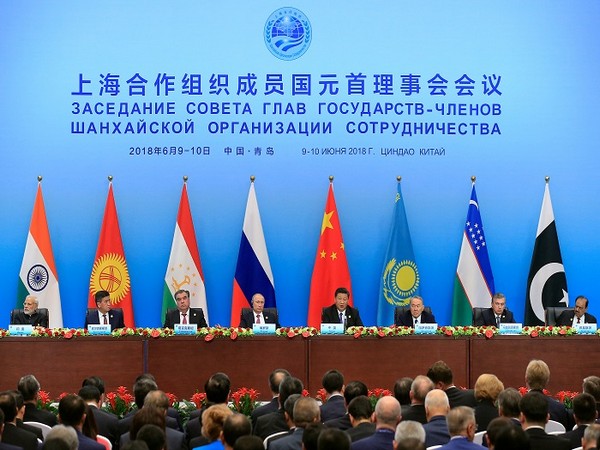
India’s SCO Challenge: Treading a fine line

Initially, The Shanghai Cooperation Organization (SCO) was the group of the six Eurasian countries that expanded with the inclusion of India and Pakistan in 2017. Constituted to resolve border disputes between the participant states, the or...

Time to reinvigorate BIMSTEC
Politics
Gaurav Sen • Aug 13, 2021

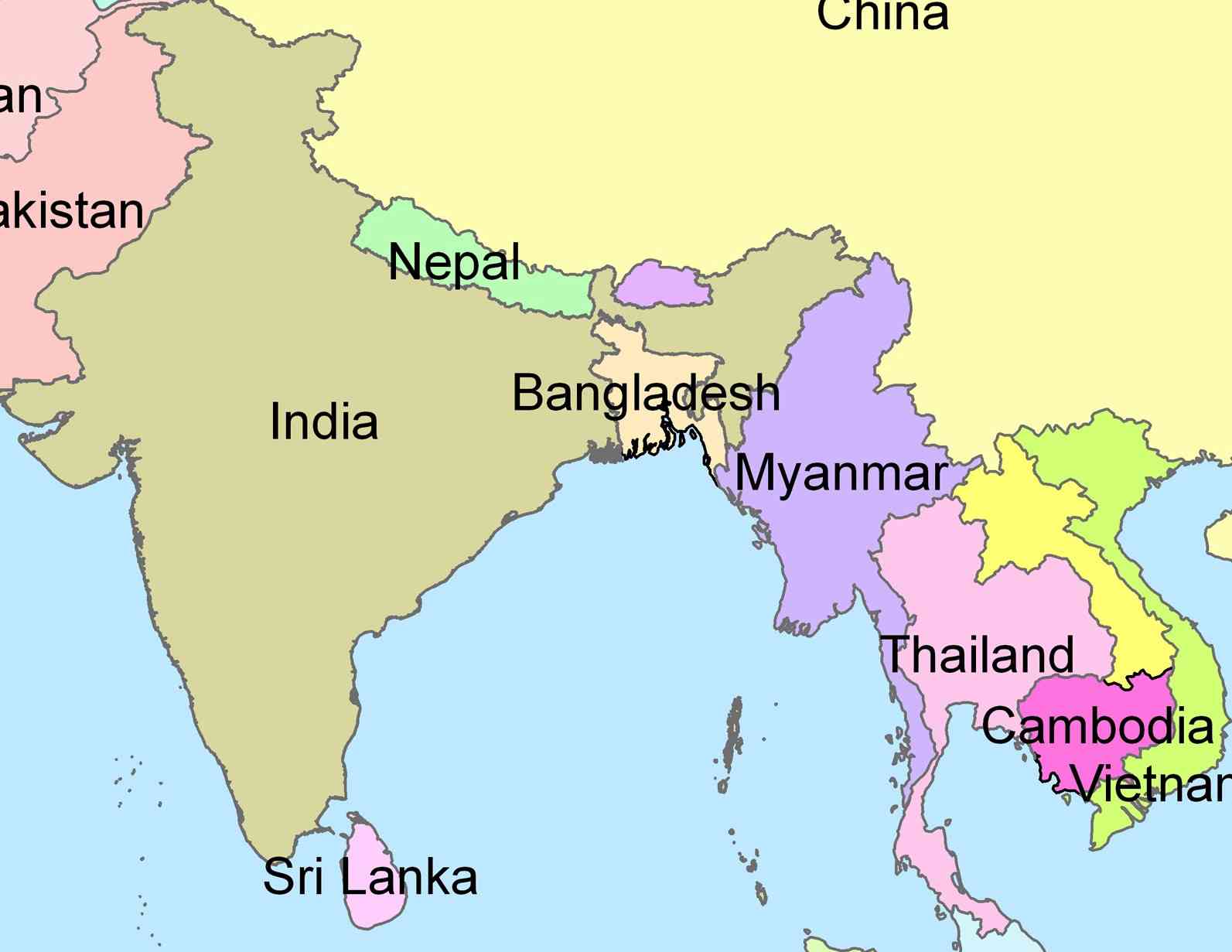
Time to reinvigorate BIMSTEC

For India, the Bay of Bengal Initiative for Multi-Sectoral Technical and Economic Cooperation (BIMSTEC) presents an exceptional opportunity in forwarding its major foreign policy goals of ‘Neighbourhood first’ and ‘Act East. The geostrategi...

Russia’s military build-up in Central Asia
Military
Aman Kumar • Aug 12, 2021

Russia’s military build-up in Central Asia

Central Asia has always remained a great strategic battlefield among various regional and international powers. From antiquity to the contemporary period the Central Asian Region has always found itself at the core of the international affa...

Online Propaganda by Terrorist Organisations
Terrorism
Aman Kumar • Jul 28, 2021

Online Propaganda by Terrorist Organisations

The world has seen the use of the internet as a radicalization and recruitment tool by terrorist organizations in the aftermath of the 9/11 terror attacks. The internet provides the same opportunities and capabilities to the terror outfits ...

Displaying 325 - 336 of 468 results.

Discover more

Geopolitical Focus Areas