LIVE DISPATCH
• The Fifth Plenum Resolution and the Distribution of Power in the CPC • The Myth of Mankind's Inheritance: China, the US, and the Battle for the Clarion-Clipperton Zone • Energy Security and European Strategic Autonomy: Has the EU’s Shift Away from Russian Fossil Fuels Strengthened Its Strategic Autonomy? • China's Surveillance Architecture in the Bay of Bengal and Its Strategic Implications • Old Threat, New Currents: Piracy, Narco-Trafficking, and India's Response in the Western Indian Ocean • A Reformer for an Institution in Decline: What does the Next Secretary-General Inherits? • Beyond Rare Earths: Sulphuric Acid and the Hidden Vulnerabilities of Critical Mineral Supply Chains • Silent Depths, Loud Signals: Nuclear Deterrence Infrastructure and the Crisis-Stability Costs of India’s Indo-Pacific Maritime Partnerships • Microplastic Pollution and Marine Environmental Security in the Indo-Pacific: An Indonesian Perspective • Securing India's Digital Frontiers: Cybersecurity Challenges and Strategic Responses in the Age of Hybrid Warfare • Structural Parallels in American Coercive Diplomacy: The US-Cuban and US-Iranian Conflicts • Prism of Dragon’s Maritime Assertiveness: Regional Implications and India’s Strategic Options • Cybersecurity and European Strategic Autonomy: Can Europe Reduce Its Dependence on Foreign Digital Infrastructure? • The Architecture of Cooperation: Navigating East Asia's Geopolitical Landscape • India’s Maritime Ties with Tanzania: Challenges and Opportunities in the Indian Ocean Region • From Civil Nuclear Power to Nuclear Hedging: Saudi Arabia, Iran and the Emerging Nuclear Security Dilemma in the Middle East • Beyond Trade: Japan’s New Quest for Economic Security • The Invisible Front: China-Pakistan Grey-Zone Operations • The Pacific: Strategic Competition and the Return of Power Politics • India's Agentic AI Strategy Needs Authority Budgets before Autonomy Scales • Arctic Geopolitics: From Frozen Frontier to Global Contest • From Physical Borders to Intelligent Borders: The Evolution of India's Border Security Architecture • Bridging the Fifth-Generation Gap: India's Su-57E Dilemma, AMCA, and Strategic Autonomy • AI Driven Cyberwarfare and National Security • Regulation as Power? The EU, US and China in the Geopolitics of Artificial Intelligence • The Continuing U.S. Regime-Change Toolkit: Color Revolutions, Political Influence, and Vietnam • The New Defence Architecture: Deconstructing the India-Belgium Geostrategic Win • Digital Pathways to Extremism: An Investigative Study of ISIS and Al-Qaeda's Use of Digital Platforms in India • Beyond Oil: Saudi Arabia's Civil Nuclear Deal with the United States • Strategic Autonomy in the Age of Weaponised Interdependence: India’s Geopolitical Dilemma • China’s Grey-Zone Strategy in the Indian Ocean: Implications for India’s Maritime Security • Europe’s Digital Dependence: Can the EU Achieve Strategic Autonomy? • Cuba’s Economic Crisis and Strategic Relevance: A Peripheral State in Renewed Great Power Competition • Loss and Damage Finance: From COP28 Pledges to Policy Architecture • Beyond Consultation: BIMSTEC's Emerging Role in Regional Intelligence and Security Cooperation • Between the Desert and the Savannah: Conflict and the Political Economy of Instability in the Sahel • The Politics of Ali Khamenei's Funeral • Operation Sindoor and the Changing Dynamics of India–Pakistan Security • Generative AI, Labour Sovereignty, and the Geoeconomics of India's Service Economy • India's AI Diplomacy and the Future of Strategic Technologies • The Fifth Plenum Resolution and the Distribution of Power in the CPC • The Myth of Mankind's Inheritance: China, the US, and the Battle for the Clarion-Clipperton Zone • Energy Security and European Strategic Autonomy: Has the EU’s Shift Away from Russian Fossil Fuels Strengthened Its Strategic Autonomy? • China's Surveillance Architecture in the Bay of Bengal and Its Strategic Implications • Old Threat, New Currents: Piracy, Narco-Trafficking, and India's Response in the Western Indian Ocean • A Reformer for an Institution in Decline: What does the Next Secretary-General Inherits? • Beyond Rare Earths: Sulphuric Acid and the Hidden Vulnerabilities of Critical Mineral Supply Chains • Silent Depths, Loud Signals: Nuclear Deterrence Infrastructure and the Crisis-Stability Costs of India’s Indo-Pacific Maritime Partnerships • Microplastic Pollution and Marine Environmental Security in the Indo-Pacific: An Indonesian Perspective • Securing India's Digital Frontiers: Cybersecurity Challenges and Strategic Responses in the Age of Hybrid Warfare • Structural Parallels in American Coercive Diplomacy: The US-Cuban and US-Iranian Conflicts • Prism of Dragon’s Maritime Assertiveness: Regional Implications and India’s Strategic Options • Cybersecurity and European Strategic Autonomy: Can Europe Reduce Its Dependence on Foreign Digital Infrastructure? • The Architecture of Cooperation: Navigating East Asia's Geopolitical Landscape • India’s Maritime Ties with Tanzania: Challenges and Opportunities in the Indian Ocean Region • From Civil Nuclear Power to Nuclear Hedging: Saudi Arabia, Iran and the Emerging Nuclear Security Dilemma in the Middle East • Beyond Trade: Japan’s New Quest for Economic Security • The Invisible Front: China-Pakistan Grey-Zone Operations • The Pacific: Strategic Competition and the Return of Power Politics • India's Agentic AI Strategy Needs Authority Budgets before Autonomy Scales • Arctic Geopolitics: From Frozen Frontier to Global Contest • From Physical Borders to Intelligent Borders: The Evolution of India's Border Security Architecture • Bridging the Fifth-Generation Gap: India's Su-57E Dilemma, AMCA, and Strategic Autonomy • AI Driven Cyberwarfare and National Security • Regulation as Power? The EU, US and China in the Geopolitics of Artificial Intelligence • The Continuing U.S. Regime-Change Toolkit: Color Revolutions, Political Influence, and Vietnam • The New Defence Architecture: Deconstructing the India-Belgium Geostrategic Win • Digital Pathways to Extremism: An Investigative Study of ISIS and Al-Qaeda's Use of Digital Platforms in India • Beyond Oil: Saudi Arabia's Civil Nuclear Deal with the United States • Strategic Autonomy in the Age of Weaponised Interdependence: India’s Geopolitical Dilemma • China’s Grey-Zone Strategy in the Indian Ocean: Implications for India’s Maritime Security • Europe’s Digital Dependence: Can the EU Achieve Strategic Autonomy? • Cuba’s Economic Crisis and Strategic Relevance: A Peripheral State in Renewed Great Power Competition • Loss and Damage Finance: From COP28 Pledges to Policy Architecture • Beyond Consultation: BIMSTEC's Emerging Role in Regional Intelligence and Security Cooperation • Between the Desert and the Savannah: Conflict and the Political Economy of Instability in the Sahel • The Politics of Ali Khamenei's Funeral • Operation Sindoor and the Changing Dynamics of India–Pakistan Security • Generative AI, Labour Sovereignty, and the Geoeconomics of India's Service Economy • India's AI Diplomacy and the Future of Strategic Technologies

Search CeSCube Intelligence Archives

Search Results for “disaster and crisis management”

31 total results found
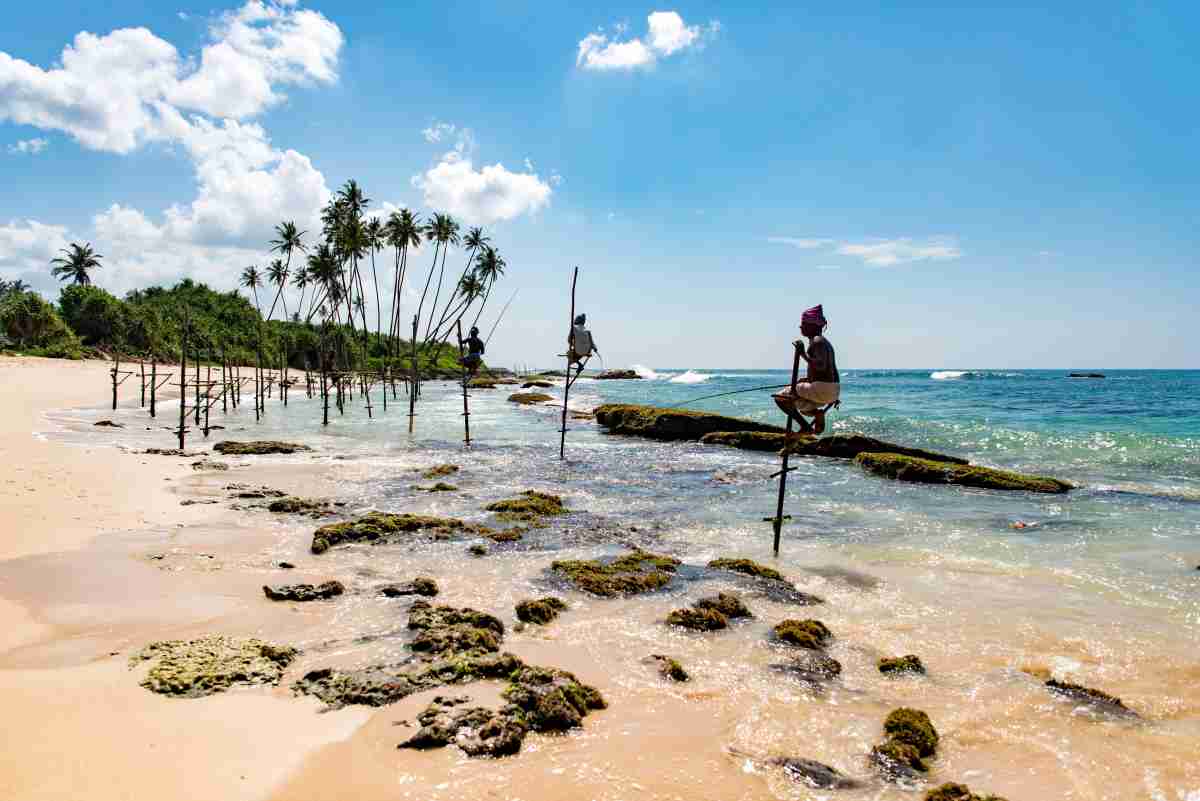
New Political Developments in Maldives
Politics
Samikshya Das • Aug 4, 2022

New Political Developments in Maldives

One of the world’s most geographically separated nations, the Maldives, is becoming more important and playing an essential role in the current geopolitical developments. The Indian Ocean’s centrally placed island republic, which is made up...

3,159 views
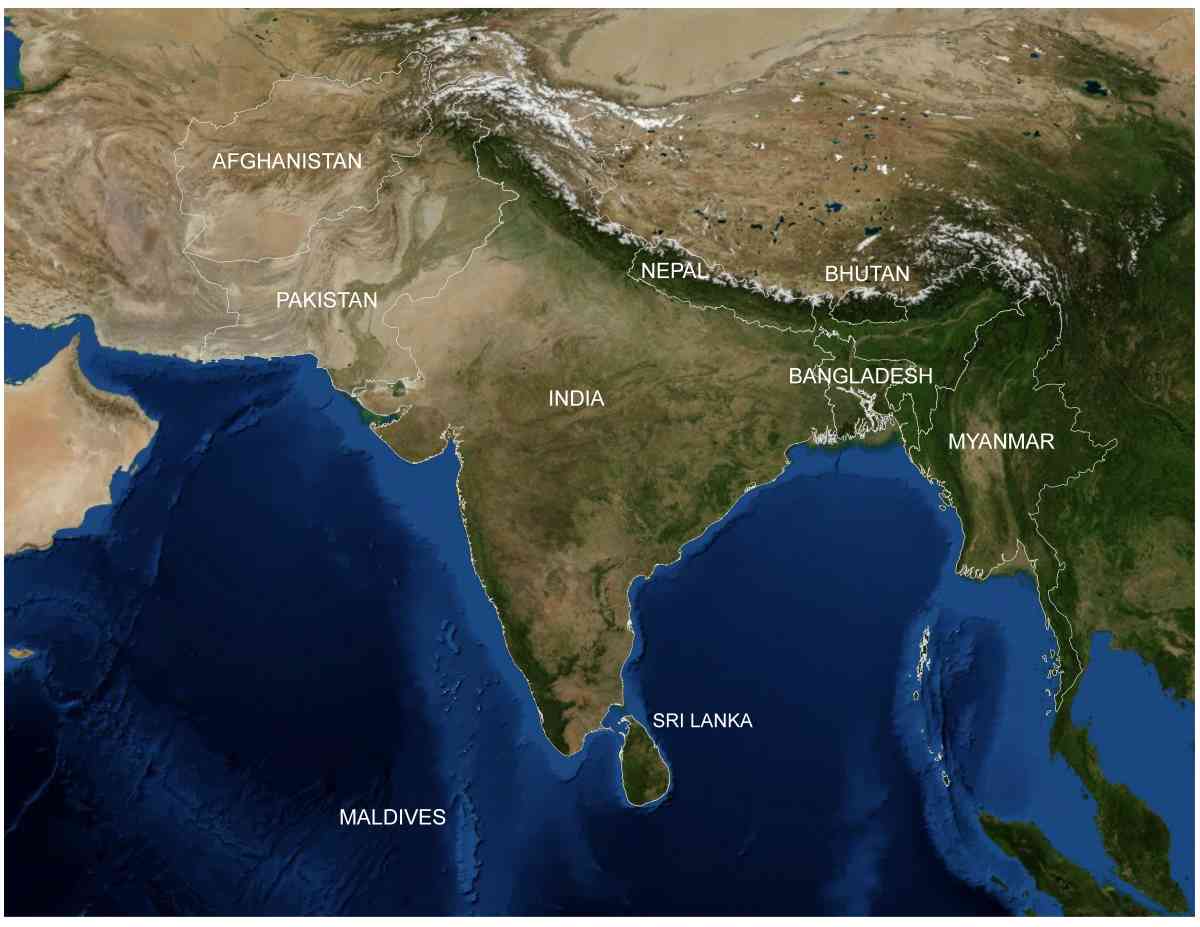
Sri Lankan Economic Crisis: India and its multiple roles
Economics
Poonam Jindal • Jun 23, 2022

Sri Lankan Economic Crisis: India and its multiple roles

Sri Lanka is in huge distress due to the ongoing economic crisis. The country is witnessing a critical balance of payments issue wherein its foreign exchange coffers are dwindling at a rapid rate. This has led to irreversible problems makin...

1,749 views
Pakistan’s Looming Economic Crisis
Economics
Samikshya Das • May 19, 2022

Pakistan’s Looming Economic Crisis

Last month, Shehbaz Sharif became Pakistan's 23rd Prime Minister after two months of intensive politicking and conflict. His appointment came after Pakistani Prime Minister Imran Khan was forced to resign following a no-confidence vote. He ...

2,359 views
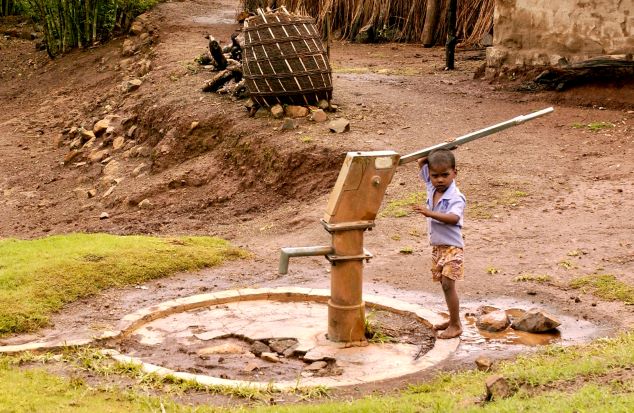
Groundwater Contamination: A Man-Made Disaster
ARTICLE
Poonam Jindal • May 2, 2022

Groundwater Contamination: A Man-Made Disaster

In February, the IPCC Working Group-II released the second part of the sixth assessment report, ‘Climate Change 2022: Impacts, Adaption, and Vulnerability’. The key findings concerning groundwater scarcity are over-extraction of water for d...

4,395 views
China’s New Border Law and India- China tensions
Military
Poonam Jindal • Dec 8, 2021

China’s New Border Law and India- China tensions

The new border law titled “Land Border Law of People’s Republic of China” passed in late October 2021 by the standing committee of the National People’s Congress, China’s top legislative body. It has once again fired up the controversies ar...

2,593 views
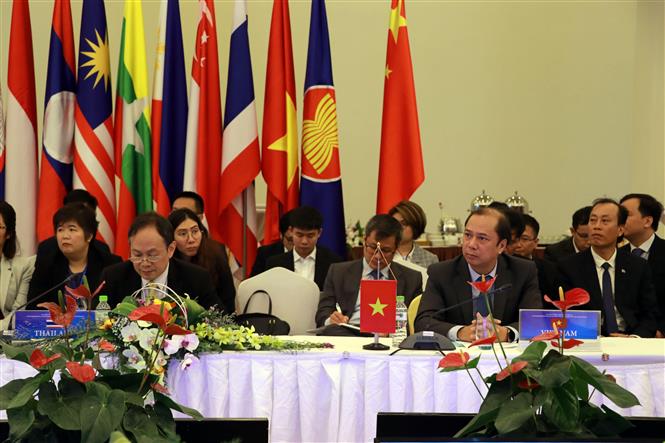
ASEAN Summit Meetings 2021: Major Takeaways
Politics
Apoorva Jain • Nov 4, 2021

ASEAN Summit Meetings 2021: Major Takeaways

The Association of Southeast Asian Nations (ASEAN) recently held its 38th and 39th summit meetings from 26th October to 28th October 2021. Under the theme "We Care, We Prepare, We Prosper", Brunei Darussalam took over the ASEAN Chairmanship...

2,417 views
Pakistan’s economy again in need of life support
Economics
Vaibhav Tomar • Oct 15, 2021

Pakistan’s economy again in need of life support

Pakistan has a promising development potential and an increasing youth population. This country has a huge pool of young people and a need for skilled and unskilled labour. Since the COVID-19 outbreak started, the Government has focused on ...

1,916 views
Vietnam’s Economy: Will it overcome COVID-19 setbacks?
Economics
Vaibhav Tomar • Oct 1, 2021

Vietnam’s Economy: Will it overcome COVID-19 setbacks?

Vietnam’s economic growth declined significantly in 2020 from 7% to 2.91% due to the Covid-19 outbreak. This is better than most other countries where the growth rate was negative. The impact of the Covid-19 pandemic on the demand front has...

1,585 views
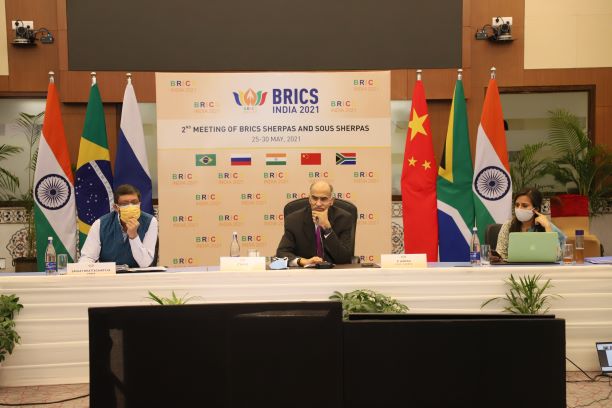
Reimagining BRICS in a Post-COVID World
Politics
Apoorva Jain • Jun 8, 2021

Reimagining BRICS in a Post-COVID World

India entered the month of June with a virtual meeting between the Foreign Ministers of the BRICS nations. Attended by the Brazilian Foreign Minister Carlos Alberto Franco, Russia’s Foreign Minister Sergey Lavrov, External Affairs Minister ...

1,826 views
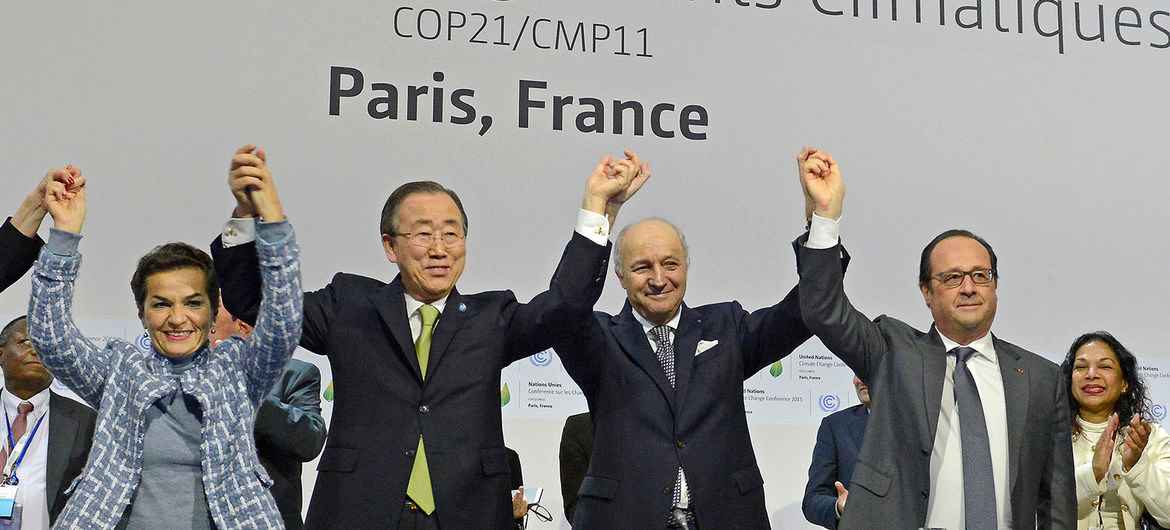
US return to Paris Agreement on Climate Change
Environment
Abhijeet Nehra • Feb 23, 2021

US return to Paris Agreement on Climate Change

US President Joe Biden acknowledged the fact that climate change is real in his inauguration speech on 20th January, he announced that the national and foreign policy would be climate-centric and recognized the need to fight the climate cat...

2,624 views
Displaying 13 - 24 of 31 results.

Discover more

Geopolitical Focus Areas