LIVE DISPATCH
• Energy Security and European Strategic Autonomy: Has the EU’s Shift Away from Russian Fossil Fuels Strengthened Its Strategic Autonomy? • China's Surveillance Architecture in the Bay of Bengal and Its Strategic Implications • Old Threat, New Currents: Piracy, Narco-Trafficking, and India's Response in the Western Indian Ocean • A Reformer for an Institution in Decline: What does the Next Secretary-General Inherits? • Beyond Rare Earths: Sulphuric Acid and the Hidden Vulnerabilities of Critical Mineral Supply Chains • Silent Depths, Loud Signals: Nuclear Deterrence Infrastructure and the Crisis-Stability Costs of India’s Indo-Pacific Maritime Partnerships • Microplastic Pollution and Marine Environmental Security in the Indo-Pacific: An Indonesian Perspective • Securing India's Digital Frontiers: Cybersecurity Challenges and Strategic Responses in the Age of Hybrid Warfare • Structural Parallels in American Coercive Diplomacy: The US-Cuban and US-Iranian Conflicts • Prism of Dragon’s Maritime Assertiveness: Regional Implications and India’s Strategic Options • Cybersecurity and European Strategic Autonomy: Can Europe Reduce Its Dependence on Foreign Digital Infrastructure? • The Architecture of Cooperation: Navigating East Asia's Geopolitical Landscape • India’s Maritime Ties with Tanzania: Challenges and Opportunities in the Indian Ocean Region • From Civil Nuclear Power to Nuclear Hedging: Saudi Arabia, Iran and the Emerging Nuclear Security Dilemma in the Middle East • Beyond Trade: Japan’s New Quest for Economic Security • The Invisible Front: China-Pakistan Grey-Zone Operations • The Pacific: Strategic Competition and the Return of Power Politics • India's Agentic AI Strategy Needs Authority Budgets before Autonomy Scales • Arctic Geopolitics: From Frozen Frontier to Global Contest • From Physical Borders to Intelligent Borders: The Evolution of India's Border Security Architecture • Bridging the Fifth-Generation Gap: India's Su-57E Dilemma, AMCA, and Strategic Autonomy • AI Driven Cyberwarfare and National Security • Regulation as Power? The EU, US and China in the Geopolitics of Artificial Intelligence • The Continuing U.S. Regime-Change Toolkit: Color Revolutions, Political Influence, and Vietnam • The New Defence Architecture: Deconstructing the India-Belgium Geostrategic Win • Digital Pathways to Extremism: An Investigative Study of ISIS and Al-Qaeda's Use of Digital Platforms in India • Beyond Oil: Saudi Arabia's Civil Nuclear Deal with the United States • Strategic Autonomy in the Age of Weaponised Interdependence: India’s Geopolitical Dilemma • The Myth of Mankind's Inheritance: China, the US, and the Battle for the Clarion-Clipperton Zone • China’s Grey-Zone Strategy in the Indian Ocean: Implications for India’s Maritime Security • Europe’s Digital Dependence: Can the EU Achieve Strategic Autonomy? • Cuba’s Economic Crisis and Strategic Relevance: A Peripheral State in Renewed Great Power Competition • Loss and Damage Finance: From COP28 Pledges to Policy Architecture • Beyond Consultation: BIMSTEC's Emerging Role in Regional Intelligence and Security Cooperation • Between the Desert and the Savannah: Conflict and the Political Economy of Instability in the Sahel • The Politics of Ali Khamenei's Funeral • Operation Sindoor and the Changing Dynamics of India–Pakistan Security • Generative AI, Labour Sovereignty, and the Geoeconomics of India's Service Economy • India's AI Diplomacy and the Future of Strategic Technologies • Lethal Autonomous Weapons Systems and the Governance Deficit: Challenges to International Humanitarian Law and Accountability • Energy Security and European Strategic Autonomy: Has the EU’s Shift Away from Russian Fossil Fuels Strengthened Its Strategic Autonomy? • China's Surveillance Architecture in the Bay of Bengal and Its Strategic Implications • Old Threat, New Currents: Piracy, Narco-Trafficking, and India's Response in the Western Indian Ocean • A Reformer for an Institution in Decline: What does the Next Secretary-General Inherits? • Beyond Rare Earths: Sulphuric Acid and the Hidden Vulnerabilities of Critical Mineral Supply Chains • Silent Depths, Loud Signals: Nuclear Deterrence Infrastructure and the Crisis-Stability Costs of India’s Indo-Pacific Maritime Partnerships • Microplastic Pollution and Marine Environmental Security in the Indo-Pacific: An Indonesian Perspective • Securing India's Digital Frontiers: Cybersecurity Challenges and Strategic Responses in the Age of Hybrid Warfare • Structural Parallels in American Coercive Diplomacy: The US-Cuban and US-Iranian Conflicts • Prism of Dragon’s Maritime Assertiveness: Regional Implications and India’s Strategic Options • Cybersecurity and European Strategic Autonomy: Can Europe Reduce Its Dependence on Foreign Digital Infrastructure? • The Architecture of Cooperation: Navigating East Asia's Geopolitical Landscape • India’s Maritime Ties with Tanzania: Challenges and Opportunities in the Indian Ocean Region • From Civil Nuclear Power to Nuclear Hedging: Saudi Arabia, Iran and the Emerging Nuclear Security Dilemma in the Middle East • Beyond Trade: Japan’s New Quest for Economic Security • The Invisible Front: China-Pakistan Grey-Zone Operations • The Pacific: Strategic Competition and the Return of Power Politics • India's Agentic AI Strategy Needs Authority Budgets before Autonomy Scales • Arctic Geopolitics: From Frozen Frontier to Global Contest • From Physical Borders to Intelligent Borders: The Evolution of India's Border Security Architecture • Bridging the Fifth-Generation Gap: India's Su-57E Dilemma, AMCA, and Strategic Autonomy • AI Driven Cyberwarfare and National Security • Regulation as Power? The EU, US and China in the Geopolitics of Artificial Intelligence • The Continuing U.S. Regime-Change Toolkit: Color Revolutions, Political Influence, and Vietnam • The New Defence Architecture: Deconstructing the India-Belgium Geostrategic Win • Digital Pathways to Extremism: An Investigative Study of ISIS and Al-Qaeda's Use of Digital Platforms in India • Beyond Oil: Saudi Arabia's Civil Nuclear Deal with the United States • Strategic Autonomy in the Age of Weaponised Interdependence: India’s Geopolitical Dilemma • The Myth of Mankind's Inheritance: China, the US, and the Battle for the Clarion-Clipperton Zone • China’s Grey-Zone Strategy in the Indian Ocean: Implications for India’s Maritime Security • Europe’s Digital Dependence: Can the EU Achieve Strategic Autonomy? • Cuba’s Economic Crisis and Strategic Relevance: A Peripheral State in Renewed Great Power Competition • Loss and Damage Finance: From COP28 Pledges to Policy Architecture • Beyond Consultation: BIMSTEC's Emerging Role in Regional Intelligence and Security Cooperation • Between the Desert and the Savannah: Conflict and the Political Economy of Instability in the Sahel • The Politics of Ali Khamenei's Funeral • Operation Sindoor and the Changing Dynamics of India–Pakistan Security • Generative AI, Labour Sovereignty, and the Geoeconomics of India's Service Economy • India's AI Diplomacy and the Future of Strategic Technologies • Lethal Autonomous Weapons Systems and the Governance Deficit: Challenges to International Humanitarian Law and Accountability

Search CeSCube Intelligence Archives

Search Results for “Indo Pacific security”

326 total results found
India's Import of S-400 missiles and the CAATSA
Security
Apoorva Jain • Jan 22, 2022

India's Import of S-400 missiles and the CAATSA

The delivery of the S-400 air defence system began in November last year with an Indian official confirming the same. “We will get the S-400 on schedule. The first squadron will arrive and it will be inducted this year,” Indian Air Force Ch...

2,452 views
Understanding China's Submarine Capabilities
Military
Sharath Kumar Kolipaka • Jan 13, 2022

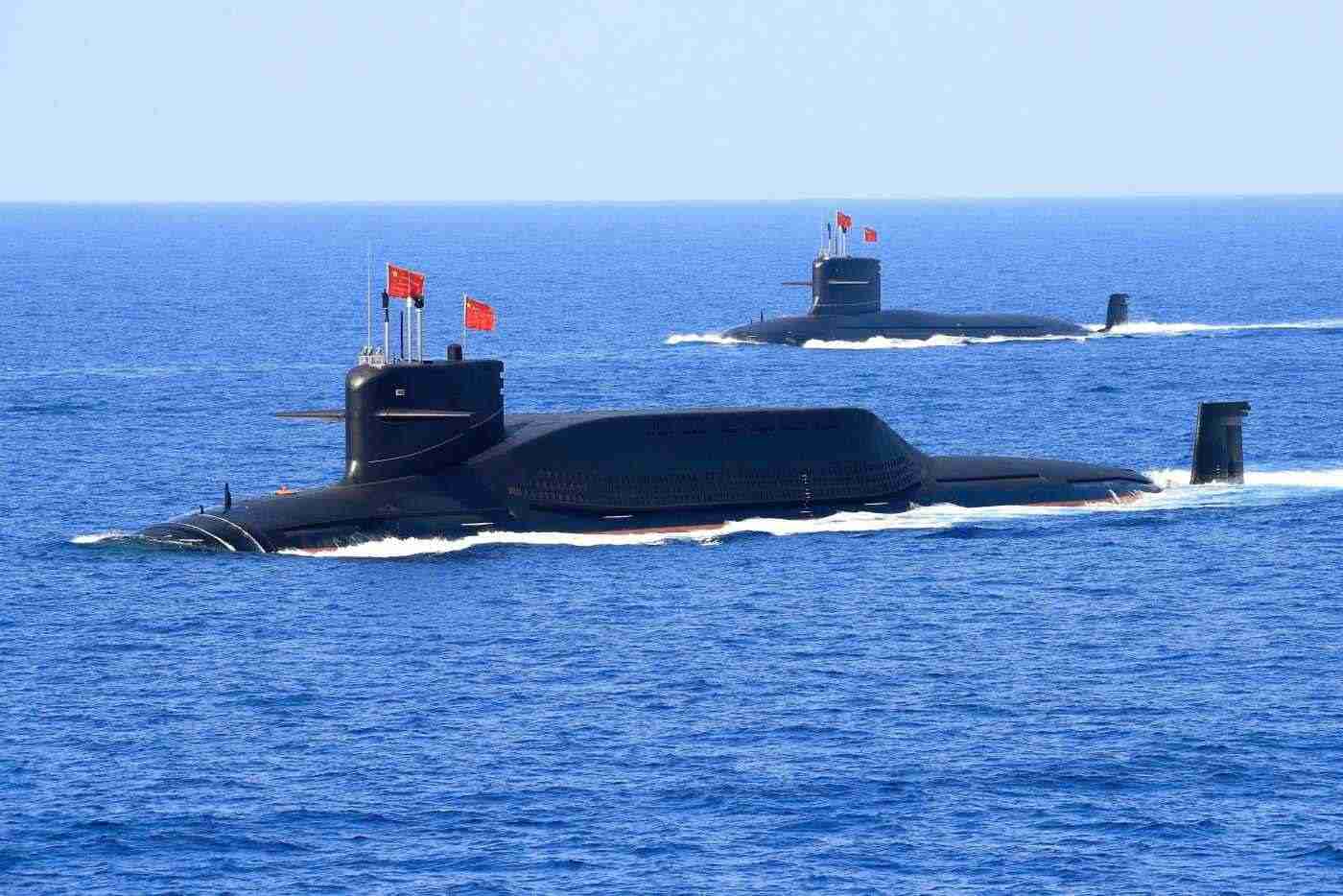
Understanding China's Submarine Capabilities

The People’s Liberation Army Navy (PLAN) has 50 diesel submarines and 6 nuclear-powered attack submarines (SSNs) 4 nuclear-powered ballistic missile submarines (SSBNs). Modernizing the PLAN’s submarines remains a high priority for the PRC. ...

5,415 views
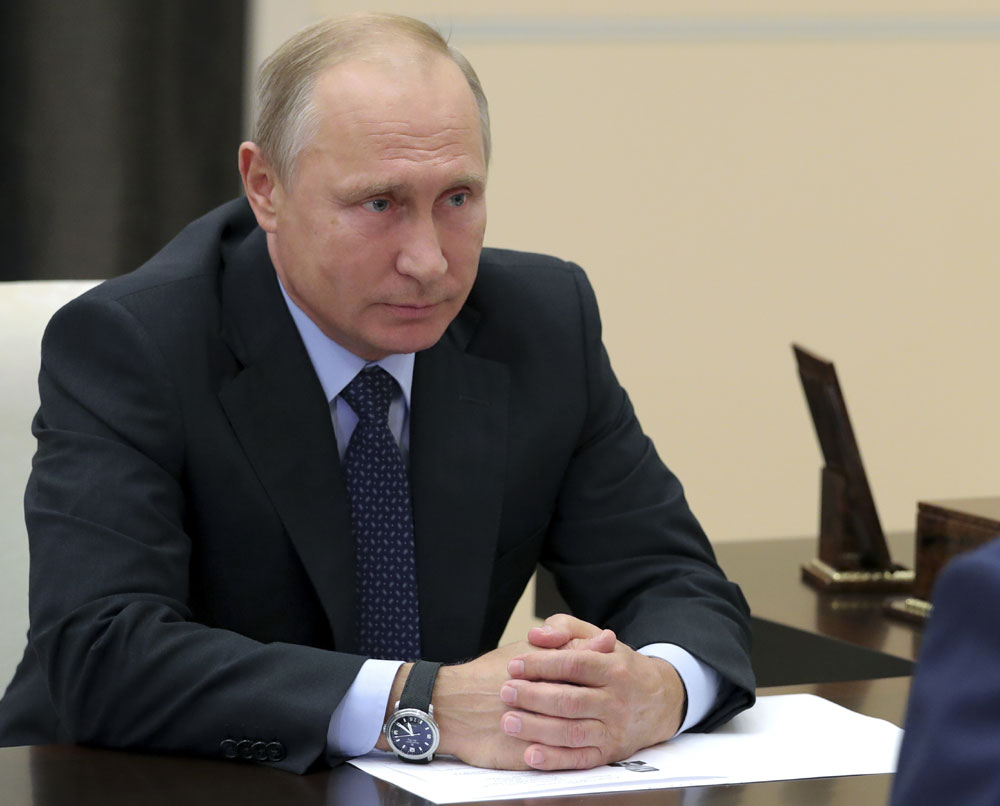
Putin visit to India: Looking for reinvigorating ties
Politics
Gaurav Sen • Dec 26, 2021

Putin visit to India: Looking for reinvigorating ties

The recent visit of Russian President Vladimir Putin to Delhi for the Covid-interrupted 21st annual India-Russia Summit was made possible by some hard-nosed calculations based on realpolitik. The meeting's timing, right before the Biden-Put...

1,663 views
Blinken’s visit to Indonesia & the new possibilities
Politics
Poonam Jindal • Dec 23, 2021

Blinken’s visit to Indonesia & the new possibilities

The recent visit to Southeast Asia in December by the US Secretary of State, Antony Blinken, marks the first official visit to the region by a high-ranking diplomat since President Joe Biden took office early this year. His maiden tour bega...

1,902 views
Baluchistan Protests: Unavoidable Quagmire
Politics
Gaurav Sen • Dec 22, 2021

Baluchistan Protests: Unavoidable Quagmire

The unveiling of the China-Pakistan Economic Corridor (CPEC) in 2015 positioned Gwadar in Pakistan's mainstream media as the starting point for a new era of Chinese investments that will alter the course of Pakistan's and the region's fates...

1,816 views
Strategic implications of the new ‘Quad’
Security
Gaurav Sen • Dec 2, 2021

Strategic implications of the new ‘Quad’

Apart from the Indo-Pacific Quad, a new Quad was formed last month when India's, Israel's, the United Arab Emirates', and the United States' foreign ministers met to form a "International Forum for Economic Cooperation." Following last year...

1,738 views
The Friendship of Convenience: Japan- Taiwan Relations
Politics
Poonam Jindal • Nov 29, 2021

The Friendship of Convenience: Japan- Taiwan Relations

The world encountered deepening of ties between Japan and Taiwan with the opening of 7th Japan- Taiwan Exchange Summit held in Kobe city in November. This year’s summit will be engraved in the history of Japan – Taiwan relations. Both count...

2,041 views
Renewed Relevance: Five Power Defence Agreement
Security
Gaurav Sen • Nov 24, 2021

Renewed Relevance: Five Power Defence Agreement

Formed in 1971 after the withdrawal of British forces east of the Suez, the five Power defense Arrangements (FPDA), has a primary aim to protect former colonies Malaysia and Singapore in a region marred in conflict. The two South East Asian...

3,185 views
Displaying 181 - 192 of 326 results.

Discover more

Geopolitical Focus Areas