LIVE DISPATCH
• Structural Parallels in American Coercive Diplomacy: The US-Cuban and US-Iranian Conflicts • Prism of Dragon’s Maritime Assertiveness: Regional Implications and India’s Strategic Options • Cybersecurity and European Strategic Autonomy: Can Europe Reduce Its Dependence on Foreign Digital Infrastructure? • The Architecture of Cooperation: Navigating East Asia's Geopolitical Landscape • India’s Maritime Ties with Tanzania: Challenges and Opportunities in the Indian Ocean Region • From Civil Nuclear Power to Nuclear Hedging: Saudi Arabia, Iran and the Emerging Nuclear Security Dilemma in the Middle East • Beyond Trade: Japan’s New Quest for Economic Security • The Invisible Front: China-Pakistan Grey-Zone Operations • The Pacific: Strategic Competition and the Return of Power Politics • India's Agentic AI Strategy Needs Authority Budgets before Autonomy Scales • Arctic Geopolitics: From Frozen Frontier to Global Contest • From Physical Borders to Intelligent Borders: The Evolution of India's Border Security Architecture • Bridging the Fifth-Generation Gap: India's Su-57E Dilemma, AMCA, and Strategic Autonomy • AI Driven Cyberwarfare and National Security • Regulation as Power? The EU, US and China in the Geopolitics of Artificial Intelligence • The Continuing U.S. Regime-Change Toolkit: Color Revolutions, Political Influence, and Vietnam • The New Defence Architecture: Deconstructing the India-Belgium Geostrategic Win • Digital Pathways to Extremism: An Investigative Study of ISIS and Al-Qaeda's Use of Digital Platforms in India • Beyond Oil: Saudi Arabia's Civil Nuclear Deal with the United States • Strategic Autonomy in the Age of Weaponised Interdependence: India’s Geopolitical Dilemma • The Myth of Mankind's Inheritance: China, the US, and the Battle for the Clarion-Clipperton Zone • China’s Grey-Zone Strategy in the Indian Ocean: Implications for India’s Maritime Security • China's Surveillance Architecture in the Bay of Bengal and Its Strategic Implications • Europe’s Digital Dependence: Can the EU Achieve Strategic Autonomy? • A Reformer for an Institution in Decline: What does the Next Secretary-General Inherits? • Cuba’s Economic Crisis and Strategic Relevance: A Peripheral State in Renewed Great Power Competition • Silent Depths, Loud Signals: Nuclear Deterrence Infrastructure and the Crisis-Stability Costs of India’s Indo-Pacific Maritime Partnerships • Loss and Damage Finance: From COP28 Pledges to Policy Architecture • Securing India's Digital Frontiers: Cybersecurity Challenges and Strategic Responses in the Age of Hybrid Warfare • Beyond Consultation: BIMSTEC's Emerging Role in Regional Intelligence and Security Cooperation • Between the Desert and the Savannah: Conflict and the Political Economy of Instability in the Sahel • The Politics of Ali Khamenei's Funeral • Operation Sindoor and the Changing Dynamics of India–Pakistan Security • Generative AI, Labour Sovereignty, and the Geoeconomics of India's Service Economy • India's AI Diplomacy and the Future of Strategic Technologies • Lethal Autonomous Weapons Systems and the Governance Deficit: Challenges to International Humanitarian Law and Accountability • Great Power Rivalry and the Crisis of the United Nations • Ten Years After Brexit: Regret, Reform, or Reversal? • Sports, Strategy and Statecraft of Mega Sporting Events as Geoeconomic Instruments: Qatar 2022 to Saudi Arabia 2034 • Hardening the Quad: From Strategic Dialogue to Operational Cooperation • Structural Parallels in American Coercive Diplomacy: The US-Cuban and US-Iranian Conflicts • Prism of Dragon’s Maritime Assertiveness: Regional Implications and India’s Strategic Options • Cybersecurity and European Strategic Autonomy: Can Europe Reduce Its Dependence on Foreign Digital Infrastructure? • The Architecture of Cooperation: Navigating East Asia's Geopolitical Landscape • India’s Maritime Ties with Tanzania: Challenges and Opportunities in the Indian Ocean Region • From Civil Nuclear Power to Nuclear Hedging: Saudi Arabia, Iran and the Emerging Nuclear Security Dilemma in the Middle East • Beyond Trade: Japan’s New Quest for Economic Security • The Invisible Front: China-Pakistan Grey-Zone Operations • The Pacific: Strategic Competition and the Return of Power Politics • India's Agentic AI Strategy Needs Authority Budgets before Autonomy Scales • Arctic Geopolitics: From Frozen Frontier to Global Contest • From Physical Borders to Intelligent Borders: The Evolution of India's Border Security Architecture • Bridging the Fifth-Generation Gap: India's Su-57E Dilemma, AMCA, and Strategic Autonomy • AI Driven Cyberwarfare and National Security • Regulation as Power? The EU, US and China in the Geopolitics of Artificial Intelligence • The Continuing U.S. Regime-Change Toolkit: Color Revolutions, Political Influence, and Vietnam • The New Defence Architecture: Deconstructing the India-Belgium Geostrategic Win • Digital Pathways to Extremism: An Investigative Study of ISIS and Al-Qaeda's Use of Digital Platforms in India • Beyond Oil: Saudi Arabia's Civil Nuclear Deal with the United States • Strategic Autonomy in the Age of Weaponised Interdependence: India’s Geopolitical Dilemma • The Myth of Mankind's Inheritance: China, the US, and the Battle for the Clarion-Clipperton Zone • China’s Grey-Zone Strategy in the Indian Ocean: Implications for India’s Maritime Security • China's Surveillance Architecture in the Bay of Bengal and Its Strategic Implications • Europe’s Digital Dependence: Can the EU Achieve Strategic Autonomy? • A Reformer for an Institution in Decline: What does the Next Secretary-General Inherits? • Cuba’s Economic Crisis and Strategic Relevance: A Peripheral State in Renewed Great Power Competition • Silent Depths, Loud Signals: Nuclear Deterrence Infrastructure and the Crisis-Stability Costs of India’s Indo-Pacific Maritime Partnerships • Loss and Damage Finance: From COP28 Pledges to Policy Architecture • Securing India's Digital Frontiers: Cybersecurity Challenges and Strategic Responses in the Age of Hybrid Warfare • Beyond Consultation: BIMSTEC's Emerging Role in Regional Intelligence and Security Cooperation • Between the Desert and the Savannah: Conflict and the Political Economy of Instability in the Sahel • The Politics of Ali Khamenei's Funeral • Operation Sindoor and the Changing Dynamics of India–Pakistan Security • Generative AI, Labour Sovereignty, and the Geoeconomics of India's Service Economy • India's AI Diplomacy and the Future of Strategic Technologies • Lethal Autonomous Weapons Systems and the Governance Deficit: Challenges to International Humanitarian Law and Accountability • Great Power Rivalry and the Crisis of the United Nations • Ten Years After Brexit: Regret, Reform, or Reversal? • Sports, Strategy and Statecraft of Mega Sporting Events as Geoeconomic Instruments: Qatar 2022 to Saudi Arabia 2034 • Hardening the Quad: From Strategic Dialogue to Operational Cooperation

Search CeSCube Intelligence Archives

Search Results for “Strategic autonomy in defence”

88 total results found
Japan’s Military Diplomacy in Southeast Asia
Military
Ridipt Singh • Dec 1, 2022

Japan’s Military Diplomacy in Southeast Asia

Former Prime Minister of Japan Shinzo Abe unveiled a strategic framework for a free and open Indo-Pacific in 2016 which since 2017 has been propagated as the Free and Open Indo-Pacific (FOIP) strategy. With Southeast Asia being at the heart...


India's Import of S-400 missiles and the CAATSA
Security
Apoorva Jain • Jan 22, 2022

India's Import of S-400 missiles and the CAATSA

The delivery of the S-400 air defence system began in November last year with an Indian official confirming the same. “We will get the S-400 on schedule. The first squadron will arrive and it will be inducted this year,” Indian Air Force Ch...

A Fateful Triangle: China, Taiwan and USA
Politics
Gaurav Sen • Dec 28, 2021

A Fateful Triangle: China, Taiwan and USA

Beijing has dispatched over 150 military aircraft into Taiwan's air defence zone since the beginning of October 2021 in an attempt to frighten the Taiwanese administration. According to military analysts the People's Liberation Army is anti...

Putin visit to India: Looking for reinvigorating ties
Politics
Gaurav Sen • Dec 26, 2021

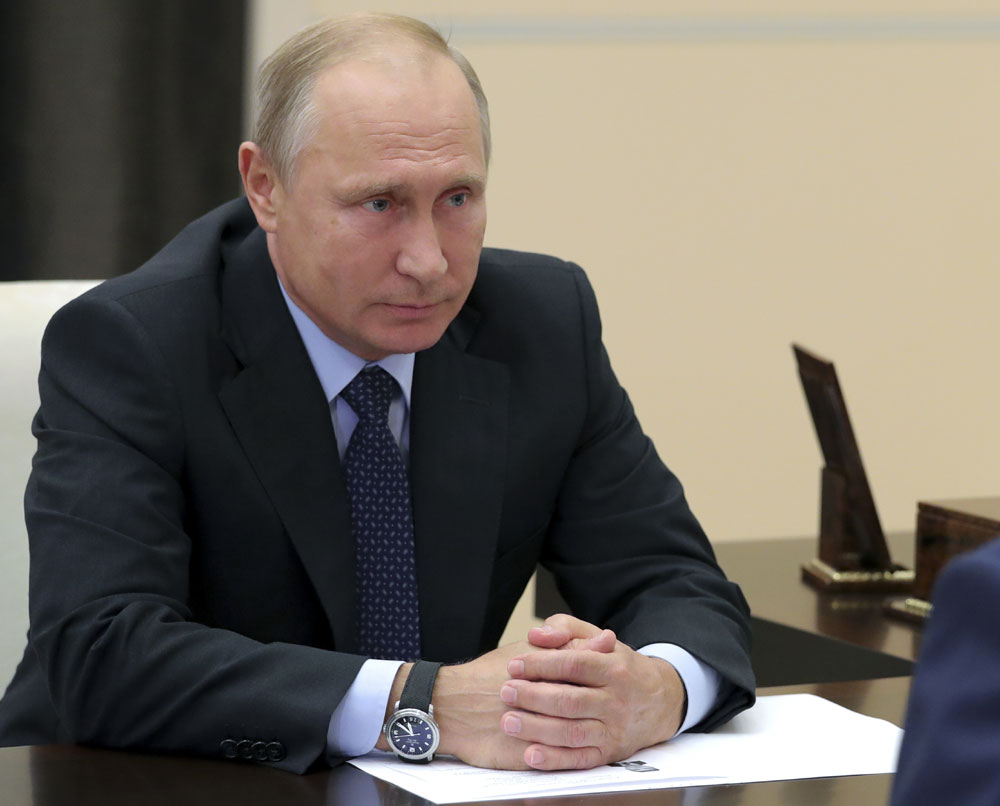
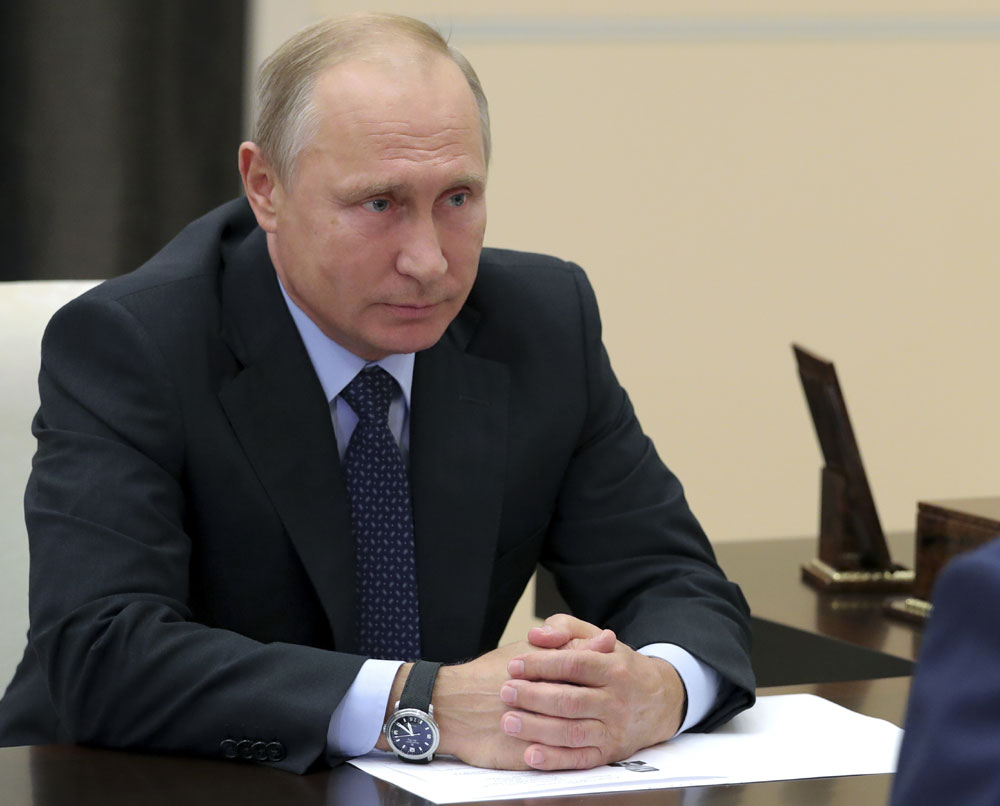
Putin visit to India: Looking for reinvigorating ties

The recent visit of Russian President Vladimir Putin to Delhi for the Covid-interrupted 21st annual India-Russia Summit was made possible by some hard-nosed calculations based on realpolitik. The meeting's timing, right before the Biden-Put...

AUKUS & QUAD- Under the same roof?
Security
Khyati Singh • Oct 15, 2021

AUKUS & QUAD- Under the same roof?

Structural realism is the theory of international realism that invites suspicion over the 'relative gains' to the allies in an alliance. Military gains are valued most for the national interest, and it's likely to create a feud in a coaliti...

Taiwan’s Military Modernization
Military
Torunika Roy • Sep 1, 2021

Taiwan’s Military Modernization

Since June 2021, China has become more aggressive towards Taiwan. China sent twenty-eight warplanes into the Taiwanese airspace in June. Other than sending planes, China conducted assault drills in southwestern and southeastern waters near ...

India's Defence Diplomacy in Africa
Military
Jyot Shikhar Singh • Feb 5, 2021

India's Defence Diplomacy in Africa

India- Africa Defence Ministers’ Conclave (IADMC) on 6th February 2020 marked an essential point of inflection in India- Africa relations. Historic relations between India- Africa were primarily involved in the paradigms of economic, sociol...

Displaying 73 - 84 of 88 results.

Discover more

Geopolitical Focus Areas