LIVE DISPATCH
• Arctic Geopolitics: From Frozen Frontier to Global Contest • From Physical Borders to Intelligent Borders: The Evolution of India's Border Security Architecture • Bridging the Fifth-Generation Gap: India's Su-57E Dilemma, AMCA, and Strategic Autonomy • AI Driven Cyberwarfare and National Security • Regulation as Power? The EU, US and China in the Geopolitics of Artificial Intelligence • The Continuing U.S. Regime-Change Toolkit: Color Revolutions, Political Influence, and Vietnam • The New Defence Architecture: Deconstructing the India-Belgium Geostrategic Win • Digital Pathways to Extremism: An Investigative Study of ISIS and Al-Qaeda's Use of Digital Platforms in India • Beyond Oil: Saudi Arabia's Civil Nuclear Deal with the United States • Strategic Autonomy in the Age of Weaponised Interdependence: India’s Geopolitical Dilemma • The Myth of Mankind's Inheritance: China, the US, and the Battle for the Clarion-Clipperton Zone • China’s Grey-Zone Strategy in the Indian Ocean: Implications for India’s Maritime Security • China's Surveillance Architecture in the Bay of Bengal and Its Strategic Implications • Europe’s Digital Dependence: Can the EU Achieve Strategic Autonomy? • A Reformer for an Institution in Decline: What does the Next Secretary-General Inherits? • Cuba’s Economic Crisis and Strategic Relevance: A Peripheral State in Renewed Great Power Competition • Silent Depths, Loud Signals: Nuclear Deterrence Infrastructure and the Crisis-Stability Costs of India’s Indo-Pacific Maritime Partnerships • Loss and Damage Finance: From COP28 Pledges to Policy Architecture • Securing India's Digital Frontiers: Cybersecurity Challenges and Strategic Responses in the Age of Hybrid Warfare • Beyond Consultation: BIMSTEC's Emerging Role in Regional Intelligence and Security Cooperation • Prism of Dragon’s Maritime Assertiveness: Regional Implications and India’s Strategic Options • Between the Desert and the Savannah: Conflict and the Political Economy of Instability in the Sahel • The Architecture of Cooperation: Navigating East Asia's Geopolitical Landscape • The Politics of Ali Khamenei's Funeral • From Civil Nuclear Power to Nuclear Hedging: Saudi Arabia, Iran and the Emerging Nuclear Security Dilemma in the Middle East • Operation Sindoor and the Changing Dynamics of India–Pakistan Security • The Invisible Front: China-Pakistan Grey-Zone Operations • Generative AI, Labour Sovereignty, and the Geoeconomics of India's Service Economy • India's Agentic AI Strategy Needs Authority Budgets before Autonomy Scales • India's AI Diplomacy and the Future of Strategic Technologies • Lethal Autonomous Weapons Systems and the Governance Deficit: Challenges to International Humanitarian Law and Accountability • Great Power Rivalry and the Crisis of the United Nations • Ten Years After Brexit: Regret, Reform, or Reversal? • Sports, Strategy and Statecraft of Mega Sporting Events as Geoeconomic Instruments: Qatar 2022 to Saudi Arabia 2034 • Hardening the Quad: From Strategic Dialogue to Operational Cooperation • The Maghreb of States: Identity, Sovereignty, and the Limits of Non-Interference • Beyond the Battlefield: Understanding Unconventional Security Challenges in Contemporary Geopolitics • Trapped in Deterrence: Nuclear Stability and the Persistence of Conflict in South Asia • Extended Deterrence Under Strain: Credibility, Assurance, and the Stability-Instability Paradox in the Indo-Pacific • Maritime India: Security, Trade, and Great Power Competition • Arctic Geopolitics: From Frozen Frontier to Global Contest • From Physical Borders to Intelligent Borders: The Evolution of India's Border Security Architecture • Bridging the Fifth-Generation Gap: India's Su-57E Dilemma, AMCA, and Strategic Autonomy • AI Driven Cyberwarfare and National Security • Regulation as Power? The EU, US and China in the Geopolitics of Artificial Intelligence • The Continuing U.S. Regime-Change Toolkit: Color Revolutions, Political Influence, and Vietnam • The New Defence Architecture: Deconstructing the India-Belgium Geostrategic Win • Digital Pathways to Extremism: An Investigative Study of ISIS and Al-Qaeda's Use of Digital Platforms in India • Beyond Oil: Saudi Arabia's Civil Nuclear Deal with the United States • Strategic Autonomy in the Age of Weaponised Interdependence: India’s Geopolitical Dilemma • The Myth of Mankind's Inheritance: China, the US, and the Battle for the Clarion-Clipperton Zone • China’s Grey-Zone Strategy in the Indian Ocean: Implications for India’s Maritime Security • China's Surveillance Architecture in the Bay of Bengal and Its Strategic Implications • Europe’s Digital Dependence: Can the EU Achieve Strategic Autonomy? • A Reformer for an Institution in Decline: What does the Next Secretary-General Inherits? • Cuba’s Economic Crisis and Strategic Relevance: A Peripheral State in Renewed Great Power Competition • Silent Depths, Loud Signals: Nuclear Deterrence Infrastructure and the Crisis-Stability Costs of India’s Indo-Pacific Maritime Partnerships • Loss and Damage Finance: From COP28 Pledges to Policy Architecture • Securing India's Digital Frontiers: Cybersecurity Challenges and Strategic Responses in the Age of Hybrid Warfare • Beyond Consultation: BIMSTEC's Emerging Role in Regional Intelligence and Security Cooperation • Prism of Dragon’s Maritime Assertiveness: Regional Implications and India’s Strategic Options • Between the Desert and the Savannah: Conflict and the Political Economy of Instability in the Sahel • The Architecture of Cooperation: Navigating East Asia's Geopolitical Landscape • The Politics of Ali Khamenei's Funeral • From Civil Nuclear Power to Nuclear Hedging: Saudi Arabia, Iran and the Emerging Nuclear Security Dilemma in the Middle East • Operation Sindoor and the Changing Dynamics of India–Pakistan Security • The Invisible Front: China-Pakistan Grey-Zone Operations • Generative AI, Labour Sovereignty, and the Geoeconomics of India's Service Economy • India's Agentic AI Strategy Needs Authority Budgets before Autonomy Scales • India's AI Diplomacy and the Future of Strategic Technologies • Lethal Autonomous Weapons Systems and the Governance Deficit: Challenges to International Humanitarian Law and Accountability • Great Power Rivalry and the Crisis of the United Nations • Ten Years After Brexit: Regret, Reform, or Reversal? • Sports, Strategy and Statecraft of Mega Sporting Events as Geoeconomic Instruments: Qatar 2022 to Saudi Arabia 2034 • Hardening the Quad: From Strategic Dialogue to Operational Cooperation • The Maghreb of States: Identity, Sovereignty, and the Limits of Non-Interference • Beyond the Battlefield: Understanding Unconventional Security Challenges in Contemporary Geopolitics • Trapped in Deterrence: Nuclear Stability and the Persistence of Conflict in South Asia • Extended Deterrence Under Strain: Credibility, Assurance, and the Stability-Instability Paradox in the Indo-Pacific • Maritime India: Security, Trade, and Great Power Competition

Search CeSCube Intelligence Archives

Search Results for “reconnaissance”

61 total results found
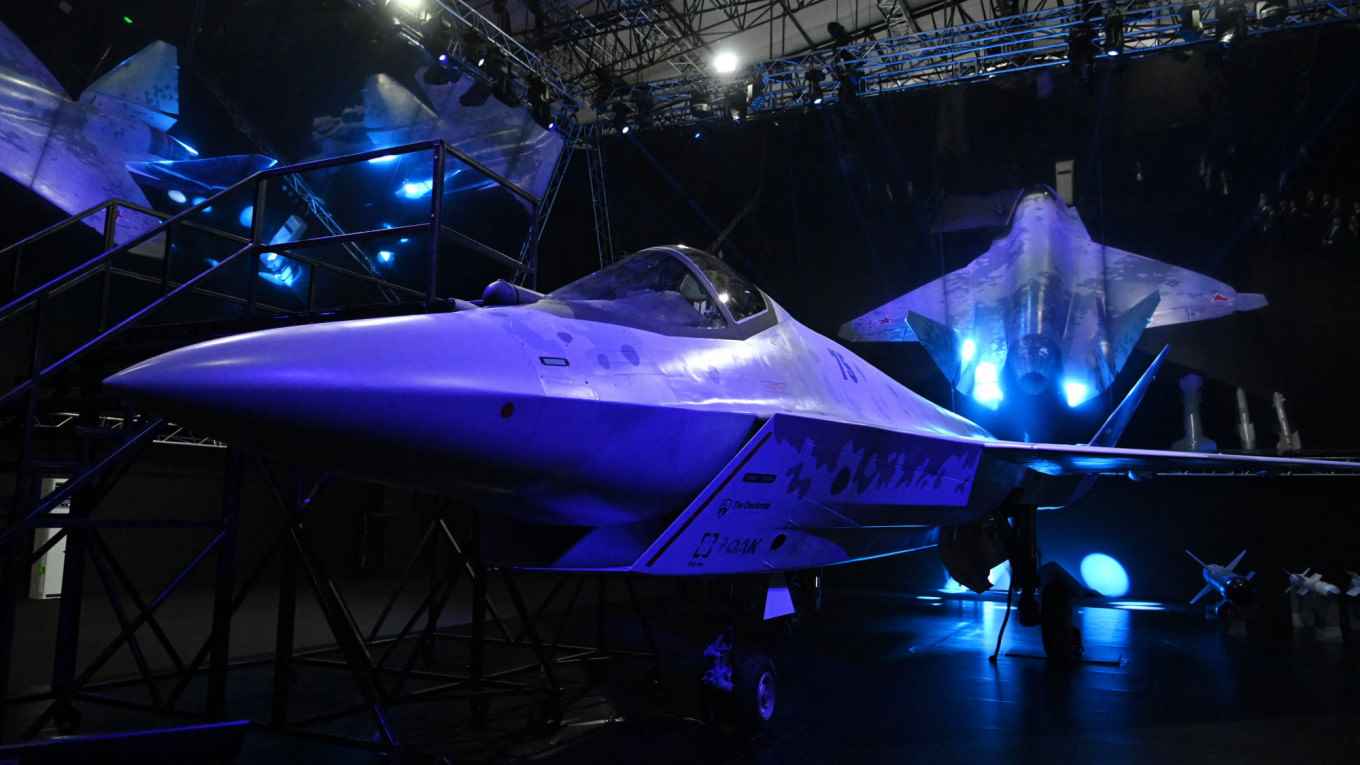
Stealth technology and advanced generation aircrafts
Military
Torunika Roy • Jul 21, 2021

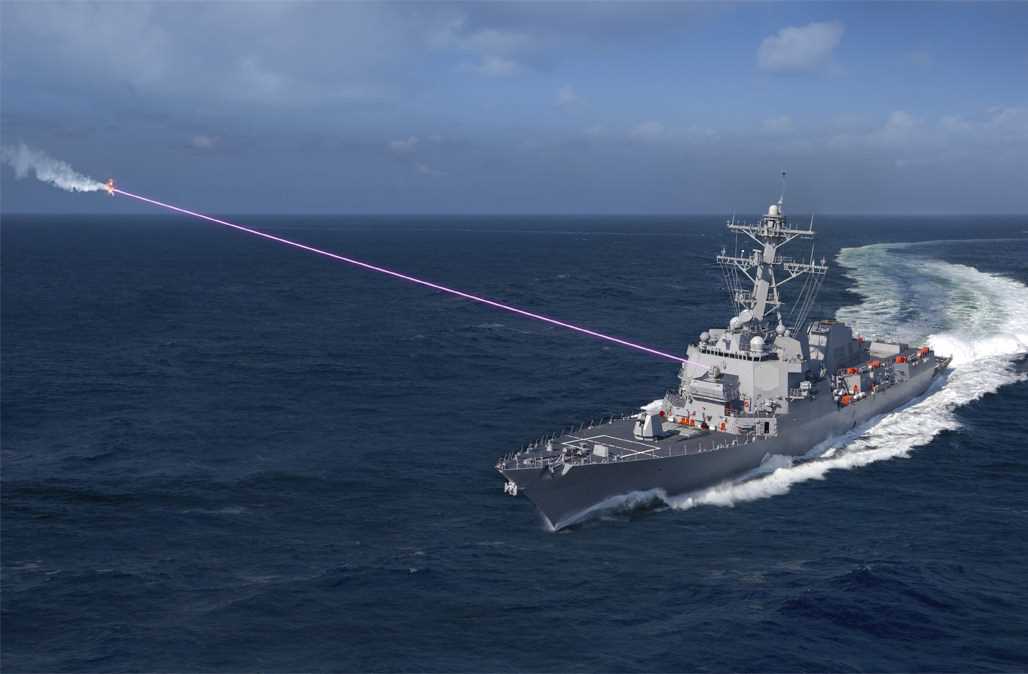
Stealth technology and advanced generation aircrafts

According to Cambridge Dictionary, the word stealth means, “a movement that is quiet and careful in order not to be seen or heard”. In simple words, stealth signifies secrecy. In the military, stealth is technologically used in aircraft, sh...

6126
Understanding Chinese tactical moves in South China Sea
Security
Pankaj Jha • May 7, 2021

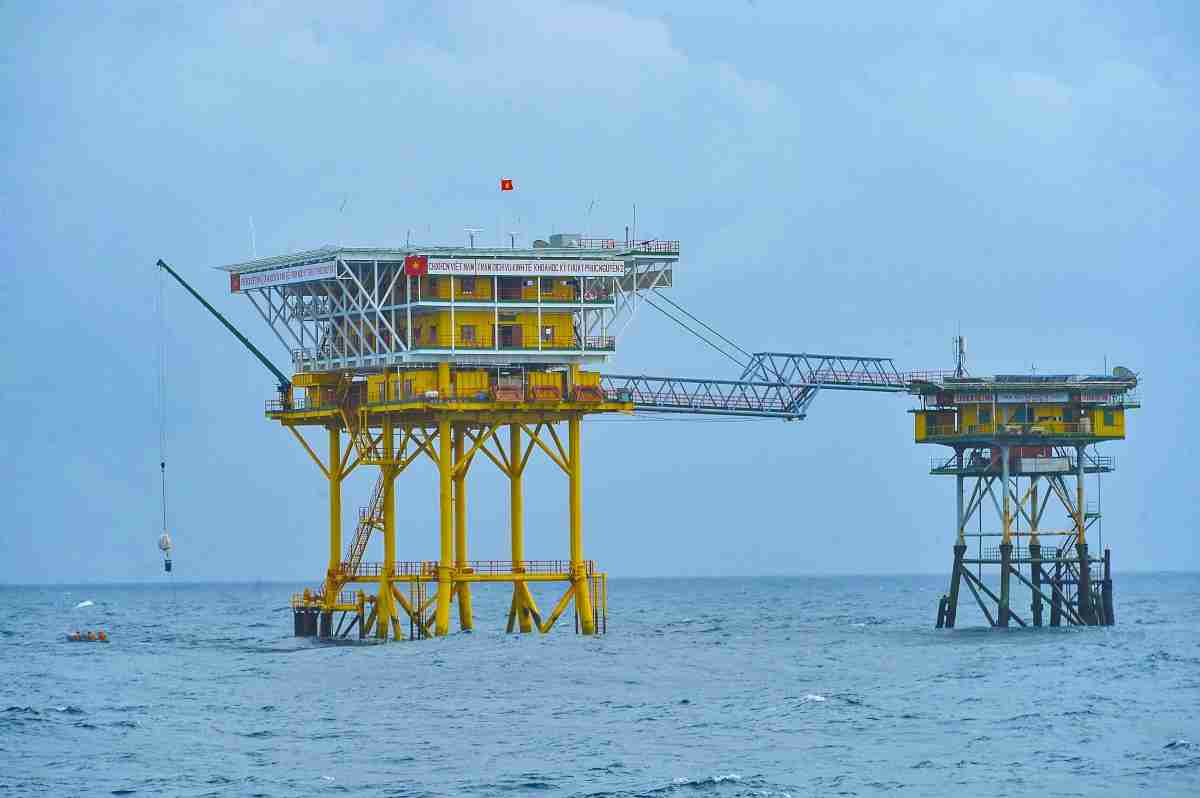
Understanding Chinese tactical moves in South China Sea

China’s increasing military build-up in South China Sea islands under its control has become a matter of global concern. The militaristic approach and the assertive posture adopted by China has few intrinsic objectives. China has been condu...

3006
China’s Underwater Drones in the Indian Ocean
Security
Jyot Shikhar Singh • Feb 17, 2021

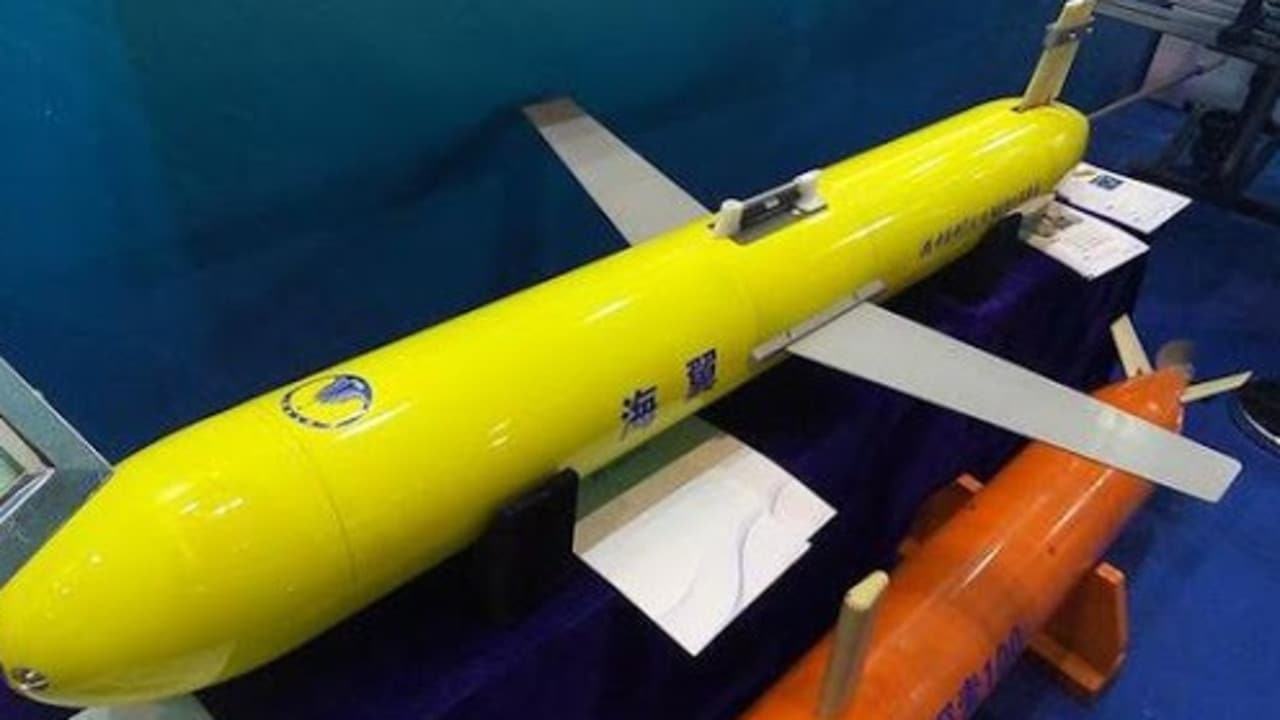
China’s Underwater Drones in the Indian Ocean

Chinese foreign policy has become clearer in recent times. Aggressive interventionist policies towards Taiwan, the South China Sea and Indian territorial and maritime region are clear indications of how Beijing wants to pan out its military...

4424
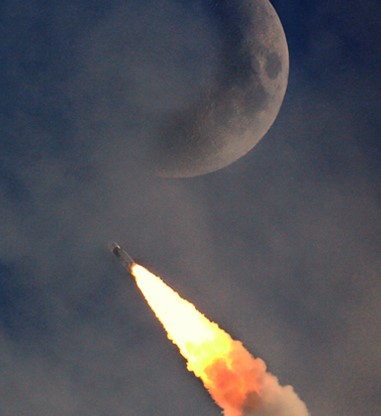
India's Space Capabilities: Planning  a Quantum Jump
Space
Pankaj Jha • Sep 6, 2020

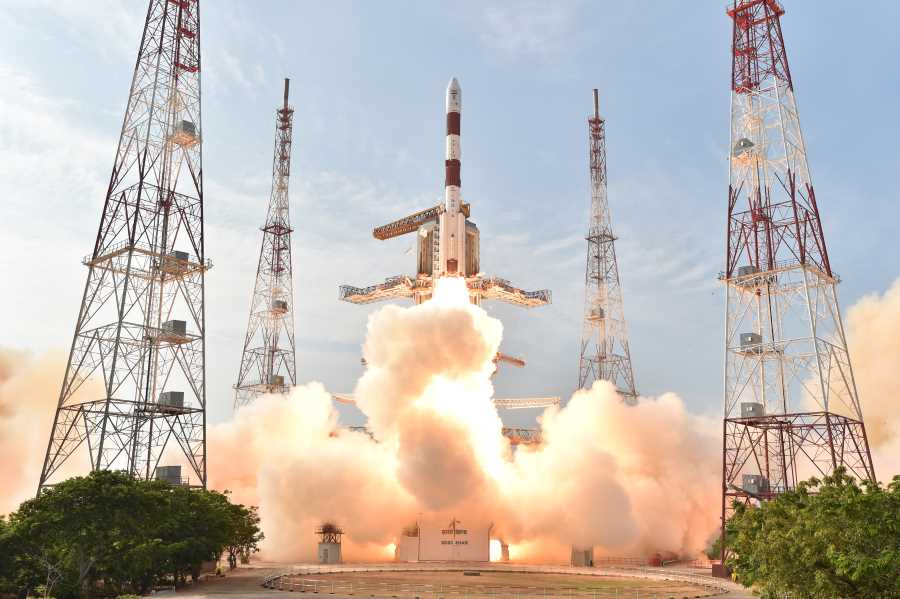
India's Space Capabilities: Planning a Quantum Jump

Indian Space Research Organization (ISRO), established in 1969, has been at the forefront of space revolution in India. Very recently, on June 24, 2020, the Union Government under Prime Minister Modi opened India’s space sector to private p...

8808
Cyber Warfare, Security and India- A Work in Progress
Security
Pankaj Jha • Aug 5, 2020

Cyber Warfare, Security and India- A Work in Progress

Cyber warfare has been the waging of war by one country against another in virtual domain. As the term needs proper definition and understanding among the general public, so creating awareness is vital to develop cyber architecture. To unde...

3086
Displaying 49 - 60 of 61 results.

Discover more

Geopolitical Focus Areas