LIVE DISPATCH
• Microplastic Pollution and Marine Environmental Security in the Indo-Pacific: An Indonesian Perspective • Securing India's Digital Frontiers: Cybersecurity Challenges and Strategic Responses in the Age of Hybrid Warfare • Structural Parallels in American Coercive Diplomacy: The US-Cuban and US-Iranian Conflicts • Prism of Dragon’s Maritime Assertiveness: Regional Implications and India’s Strategic Options • Cybersecurity and European Strategic Autonomy: Can Europe Reduce Its Dependence on Foreign Digital Infrastructure? • The Architecture of Cooperation: Navigating East Asia's Geopolitical Landscape • India’s Maritime Ties with Tanzania: Challenges and Opportunities in the Indian Ocean Region • From Civil Nuclear Power to Nuclear Hedging: Saudi Arabia, Iran and the Emerging Nuclear Security Dilemma in the Middle East • Beyond Trade: Japan’s New Quest for Economic Security • The Invisible Front: China-Pakistan Grey-Zone Operations • The Pacific: Strategic Competition and the Return of Power Politics • India's Agentic AI Strategy Needs Authority Budgets before Autonomy Scales • Arctic Geopolitics: From Frozen Frontier to Global Contest • From Physical Borders to Intelligent Borders: The Evolution of India's Border Security Architecture • Bridging the Fifth-Generation Gap: India's Su-57E Dilemma, AMCA, and Strategic Autonomy • AI Driven Cyberwarfare and National Security • Regulation as Power? The EU, US and China in the Geopolitics of Artificial Intelligence • The Continuing U.S. Regime-Change Toolkit: Color Revolutions, Political Influence, and Vietnam • The New Defence Architecture: Deconstructing the India-Belgium Geostrategic Win • Digital Pathways to Extremism: An Investigative Study of ISIS and Al-Qaeda's Use of Digital Platforms in India • Beyond Oil: Saudi Arabia's Civil Nuclear Deal with the United States • Strategic Autonomy in the Age of Weaponised Interdependence: India’s Geopolitical Dilemma • The Myth of Mankind's Inheritance: China, the US, and the Battle for the Clarion-Clipperton Zone • China’s Grey-Zone Strategy in the Indian Ocean: Implications for India’s Maritime Security • China's Surveillance Architecture in the Bay of Bengal and Its Strategic Implications • Europe’s Digital Dependence: Can the EU Achieve Strategic Autonomy? • A Reformer for an Institution in Decline: What does the Next Secretary-General Inherits? • Cuba’s Economic Crisis and Strategic Relevance: A Peripheral State in Renewed Great Power Competition • Silent Depths, Loud Signals: Nuclear Deterrence Infrastructure and the Crisis-Stability Costs of India’s Indo-Pacific Maritime Partnerships • Loss and Damage Finance: From COP28 Pledges to Policy Architecture • Beyond Consultation: BIMSTEC's Emerging Role in Regional Intelligence and Security Cooperation • Between the Desert and the Savannah: Conflict and the Political Economy of Instability in the Sahel • The Politics of Ali Khamenei's Funeral • Operation Sindoor and the Changing Dynamics of India–Pakistan Security • Generative AI, Labour Sovereignty, and the Geoeconomics of India's Service Economy • India's AI Diplomacy and the Future of Strategic Technologies • Lethal Autonomous Weapons Systems and the Governance Deficit: Challenges to International Humanitarian Law and Accountability • Great Power Rivalry and the Crisis of the United Nations • Ten Years After Brexit: Regret, Reform, or Reversal? • Sports, Strategy and Statecraft of Mega Sporting Events as Geoeconomic Instruments: Qatar 2022 to Saudi Arabia 2034 • Microplastic Pollution and Marine Environmental Security in the Indo-Pacific: An Indonesian Perspective • Securing India's Digital Frontiers: Cybersecurity Challenges and Strategic Responses in the Age of Hybrid Warfare • Structural Parallels in American Coercive Diplomacy: The US-Cuban and US-Iranian Conflicts • Prism of Dragon’s Maritime Assertiveness: Regional Implications and India’s Strategic Options • Cybersecurity and European Strategic Autonomy: Can Europe Reduce Its Dependence on Foreign Digital Infrastructure? • The Architecture of Cooperation: Navigating East Asia's Geopolitical Landscape • India’s Maritime Ties with Tanzania: Challenges and Opportunities in the Indian Ocean Region • From Civil Nuclear Power to Nuclear Hedging: Saudi Arabia, Iran and the Emerging Nuclear Security Dilemma in the Middle East • Beyond Trade: Japan’s New Quest for Economic Security • The Invisible Front: China-Pakistan Grey-Zone Operations • The Pacific: Strategic Competition and the Return of Power Politics • India's Agentic AI Strategy Needs Authority Budgets before Autonomy Scales • Arctic Geopolitics: From Frozen Frontier to Global Contest • From Physical Borders to Intelligent Borders: The Evolution of India's Border Security Architecture • Bridging the Fifth-Generation Gap: India's Su-57E Dilemma, AMCA, and Strategic Autonomy • AI Driven Cyberwarfare and National Security • Regulation as Power? The EU, US and China in the Geopolitics of Artificial Intelligence • The Continuing U.S. Regime-Change Toolkit: Color Revolutions, Political Influence, and Vietnam • The New Defence Architecture: Deconstructing the India-Belgium Geostrategic Win • Digital Pathways to Extremism: An Investigative Study of ISIS and Al-Qaeda's Use of Digital Platforms in India • Beyond Oil: Saudi Arabia's Civil Nuclear Deal with the United States • Strategic Autonomy in the Age of Weaponised Interdependence: India’s Geopolitical Dilemma • The Myth of Mankind's Inheritance: China, the US, and the Battle for the Clarion-Clipperton Zone • China’s Grey-Zone Strategy in the Indian Ocean: Implications for India’s Maritime Security • China's Surveillance Architecture in the Bay of Bengal and Its Strategic Implications • Europe’s Digital Dependence: Can the EU Achieve Strategic Autonomy? • A Reformer for an Institution in Decline: What does the Next Secretary-General Inherits? • Cuba’s Economic Crisis and Strategic Relevance: A Peripheral State in Renewed Great Power Competition • Silent Depths, Loud Signals: Nuclear Deterrence Infrastructure and the Crisis-Stability Costs of India’s Indo-Pacific Maritime Partnerships • Loss and Damage Finance: From COP28 Pledges to Policy Architecture • Beyond Consultation: BIMSTEC's Emerging Role in Regional Intelligence and Security Cooperation • Between the Desert and the Savannah: Conflict and the Political Economy of Instability in the Sahel • The Politics of Ali Khamenei's Funeral • Operation Sindoor and the Changing Dynamics of India–Pakistan Security • Generative AI, Labour Sovereignty, and the Geoeconomics of India's Service Economy • India's AI Diplomacy and the Future of Strategic Technologies • Lethal Autonomous Weapons Systems and the Governance Deficit: Challenges to International Humanitarian Law and Accountability • Great Power Rivalry and the Crisis of the United Nations • Ten Years After Brexit: Regret, Reform, or Reversal? • Sports, Strategy and Statecraft of Mega Sporting Events as Geoeconomic Instruments: Qatar 2022 to Saudi Arabia 2034

Search CeSCube Intelligence Archives

Search Results for “European security”

232 total results found
Russia Saudi Nexus and Global Oil Prices
Business
Samikshya Das • Oct 24, 2022

Russia Saudi Nexus and Global Oil Prices

Recently, Saudi Arabia and its OPEC Plus allies, including Russia, agreed to an unexpected drop in the oil supplies, which will result in the soaring up of oil prices worldwide. The move is seen as a rebuke to the statement made by United S...

Understanding Online Propaganda of Terror groups
Terrorism
Ridipt Singh • Oct 24, 2022

Understanding Online Propaganda of Terror groups

In 2005, Ayman al-Zawahiri as the second in command of al-Qaeda wrote a letter to Abu Musab al-Zarqawi stating that “We are in a battle, and more than half of this battle is taking place in the battlefield of the media” [1]. Earlier, terror...

Nord Stream Sabotage?
Economics
Vaibhav Tomar • Oct 9, 2022

Nord Stream Sabotage?

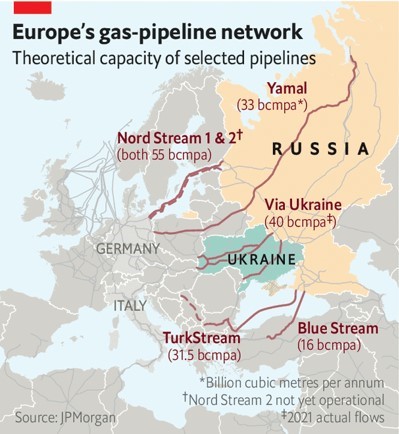
The Nord Stream 1 pipeline, which carries gas from Russia to Europe, has been shut down after multiple leaks were discovered. This pipeline carries natural gas from Russia to the European Union. It supplies about 35% of the gas that the EU ...

Hybrid Warfare and its Impact
Military
Ridipt Singh • Oct 7, 2022

Hybrid Warfare and its Impact

Hybrid warfare can be defined as a form of conflict that in addition to conventional military means includes irregular means of warfare like insurgent groups, guerilla forces, terrorist groups, etc. Such warfare includes both state and non-...

OPEC’s approach toward increasing oil production
World
Samikshya Das • Aug 29, 2022

OPEC’s approach toward increasing oil production

During a speech at the US-Arab summit in Jeddah, Crown Prince Mohammed bin Salman stated that Saudi Arabia will not have any more ability to boost its oil output beyond 13 million barrels per day. Saudi Arabia now has an oil production capa...

Tracking the Cyberspace during Russo-Ukraine Crisis
Security
Gaurav Sen • Aug 20, 2022

Tracking the Cyberspace during Russo-Ukraine Crisis

All the elements for a cyber warfare appeared to be present in the Ukraine crisis. Moscow and Kiev are engaged in a game of power with the highest stakes, and both nations are very skilled in information systems and hacking. Cyberwar scepti...

Takeaways from the G20 Foreign Minister’s Meeting
Economics
Ridipt Singh • Aug 8, 2022

Takeaways from the G20 Foreign Minister’s Meeting

The G20 Foreign Minister’s Meeting (FMM) held on 7-8 July 2002 was marked by the theme “Building a more peaceful, stable, and prosperous world together”. The meeting was divided into two sessions. The first session held was regarding streng...

Global Debt Crisis and the Russia-Ukraine War
Economics
Vaibhav Tomar • Jul 19, 2022

Global Debt Crisis and the Russia-Ukraine War

The war in Ukraine has raised concerns about the outlook for global financial conditions. The tightening has been most apparent in the Middle East and eastern Europe, where countries with close ties to Russia have seen their equity valuatio...

Displaying 121 - 132 of 232 results.

Discover more

Geopolitical Focus Areas