LIVE DISPATCH
• The Fifth Plenum Resolution and the Distribution of Power in the CPC • The Myth of Mankind's Inheritance: China, the US, and the Battle for the Clarion-Clipperton Zone • Energy Security and European Strategic Autonomy: Has the EU’s Shift Away from Russian Fossil Fuels Strengthened Its Strategic Autonomy? • China's Surveillance Architecture in the Bay of Bengal and Its Strategic Implications • Old Threat, New Currents: Piracy, Narco-Trafficking, and India's Response in the Western Indian Ocean • A Reformer for an Institution in Decline: What does the Next Secretary-General Inherits? • Beyond Rare Earths: Sulphuric Acid and the Hidden Vulnerabilities of Critical Mineral Supply Chains • Silent Depths, Loud Signals: Nuclear Deterrence Infrastructure and the Crisis-Stability Costs of India’s Indo-Pacific Maritime Partnerships • Microplastic Pollution and Marine Environmental Security in the Indo-Pacific: An Indonesian Perspective • Securing India's Digital Frontiers: Cybersecurity Challenges and Strategic Responses in the Age of Hybrid Warfare • Structural Parallels in American Coercive Diplomacy: The US-Cuban and US-Iranian Conflicts • Prism of Dragon’s Maritime Assertiveness: Regional Implications and India’s Strategic Options • Cybersecurity and European Strategic Autonomy: Can Europe Reduce Its Dependence on Foreign Digital Infrastructure? • The Architecture of Cooperation: Navigating East Asia's Geopolitical Landscape • India’s Maritime Ties with Tanzania: Challenges and Opportunities in the Indian Ocean Region • From Civil Nuclear Power to Nuclear Hedging: Saudi Arabia, Iran and the Emerging Nuclear Security Dilemma in the Middle East • Beyond Trade: Japan’s New Quest for Economic Security • The Invisible Front: China-Pakistan Grey-Zone Operations • The Pacific: Strategic Competition and the Return of Power Politics • India's Agentic AI Strategy Needs Authority Budgets before Autonomy Scales • Arctic Geopolitics: From Frozen Frontier to Global Contest • From Physical Borders to Intelligent Borders: The Evolution of India's Border Security Architecture • Bridging the Fifth-Generation Gap: India's Su-57E Dilemma, AMCA, and Strategic Autonomy • AI Driven Cyberwarfare and National Security • Regulation as Power? The EU, US and China in the Geopolitics of Artificial Intelligence • The Continuing U.S. Regime-Change Toolkit: Color Revolutions, Political Influence, and Vietnam • The New Defence Architecture: Deconstructing the India-Belgium Geostrategic Win • Digital Pathways to Extremism: An Investigative Study of ISIS and Al-Qaeda's Use of Digital Platforms in India • Beyond Oil: Saudi Arabia's Civil Nuclear Deal with the United States • Strategic Autonomy in the Age of Weaponised Interdependence: India’s Geopolitical Dilemma • China’s Grey-Zone Strategy in the Indian Ocean: Implications for India’s Maritime Security • Europe’s Digital Dependence: Can the EU Achieve Strategic Autonomy? • Cuba’s Economic Crisis and Strategic Relevance: A Peripheral State in Renewed Great Power Competition • Loss and Damage Finance: From COP28 Pledges to Policy Architecture • Beyond Consultation: BIMSTEC's Emerging Role in Regional Intelligence and Security Cooperation • Between the Desert and the Savannah: Conflict and the Political Economy of Instability in the Sahel • The Politics of Ali Khamenei's Funeral • Operation Sindoor and the Changing Dynamics of India–Pakistan Security • Generative AI, Labour Sovereignty, and the Geoeconomics of India's Service Economy • India's AI Diplomacy and the Future of Strategic Technologies • The Fifth Plenum Resolution and the Distribution of Power in the CPC • The Myth of Mankind's Inheritance: China, the US, and the Battle for the Clarion-Clipperton Zone • Energy Security and European Strategic Autonomy: Has the EU’s Shift Away from Russian Fossil Fuels Strengthened Its Strategic Autonomy? • China's Surveillance Architecture in the Bay of Bengal and Its Strategic Implications • Old Threat, New Currents: Piracy, Narco-Trafficking, and India's Response in the Western Indian Ocean • A Reformer for an Institution in Decline: What does the Next Secretary-General Inherits? • Beyond Rare Earths: Sulphuric Acid and the Hidden Vulnerabilities of Critical Mineral Supply Chains • Silent Depths, Loud Signals: Nuclear Deterrence Infrastructure and the Crisis-Stability Costs of India’s Indo-Pacific Maritime Partnerships • Microplastic Pollution and Marine Environmental Security in the Indo-Pacific: An Indonesian Perspective • Securing India's Digital Frontiers: Cybersecurity Challenges and Strategic Responses in the Age of Hybrid Warfare • Structural Parallels in American Coercive Diplomacy: The US-Cuban and US-Iranian Conflicts • Prism of Dragon’s Maritime Assertiveness: Regional Implications and India’s Strategic Options • Cybersecurity and European Strategic Autonomy: Can Europe Reduce Its Dependence on Foreign Digital Infrastructure? • The Architecture of Cooperation: Navigating East Asia's Geopolitical Landscape • India’s Maritime Ties with Tanzania: Challenges and Opportunities in the Indian Ocean Region • From Civil Nuclear Power to Nuclear Hedging: Saudi Arabia, Iran and the Emerging Nuclear Security Dilemma in the Middle East • Beyond Trade: Japan’s New Quest for Economic Security • The Invisible Front: China-Pakistan Grey-Zone Operations • The Pacific: Strategic Competition and the Return of Power Politics • India's Agentic AI Strategy Needs Authority Budgets before Autonomy Scales • Arctic Geopolitics: From Frozen Frontier to Global Contest • From Physical Borders to Intelligent Borders: The Evolution of India's Border Security Architecture • Bridging the Fifth-Generation Gap: India's Su-57E Dilemma, AMCA, and Strategic Autonomy • AI Driven Cyberwarfare and National Security • Regulation as Power? The EU, US and China in the Geopolitics of Artificial Intelligence • The Continuing U.S. Regime-Change Toolkit: Color Revolutions, Political Influence, and Vietnam • The New Defence Architecture: Deconstructing the India-Belgium Geostrategic Win • Digital Pathways to Extremism: An Investigative Study of ISIS and Al-Qaeda's Use of Digital Platforms in India • Beyond Oil: Saudi Arabia's Civil Nuclear Deal with the United States • Strategic Autonomy in the Age of Weaponised Interdependence: India’s Geopolitical Dilemma • China’s Grey-Zone Strategy in the Indian Ocean: Implications for India’s Maritime Security • Europe’s Digital Dependence: Can the EU Achieve Strategic Autonomy? • Cuba’s Economic Crisis and Strategic Relevance: A Peripheral State in Renewed Great Power Competition • Loss and Damage Finance: From COP28 Pledges to Policy Architecture • Beyond Consultation: BIMSTEC's Emerging Role in Regional Intelligence and Security Cooperation • Between the Desert and the Savannah: Conflict and the Political Economy of Instability in the Sahel • The Politics of Ali Khamenei's Funeral • Operation Sindoor and the Changing Dynamics of India–Pakistan Security • Generative AI, Labour Sovereignty, and the Geoeconomics of India's Service Economy • India's AI Diplomacy and the Future of Strategic Technologies

Search CeSCube Intelligence Archives

Search Results for “UN”

1043 total results found
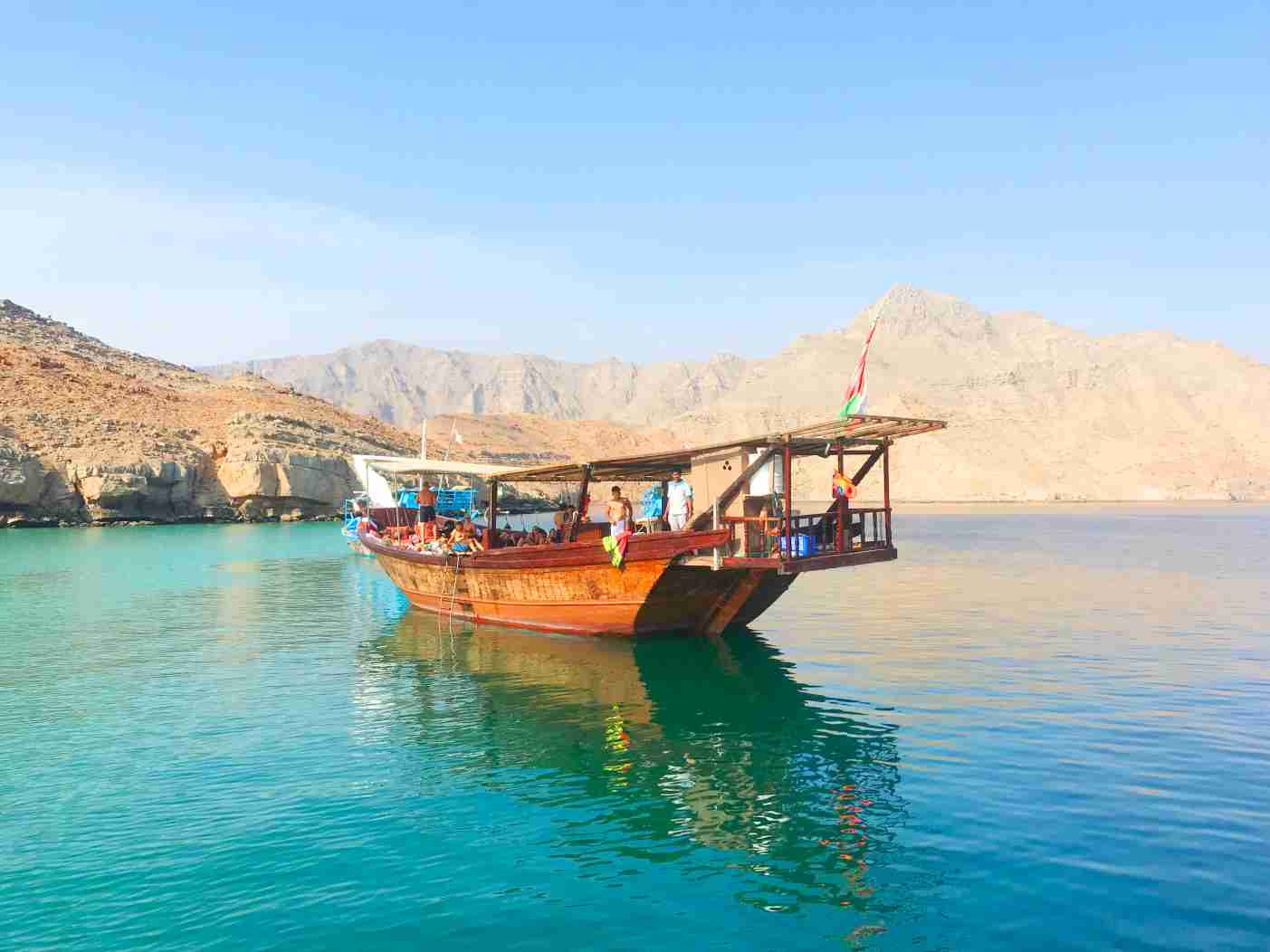
Minorities in the Middle East: The Case of Oman
Politics
Apoorva Jain • Oct 14, 2021

Minorities in the Middle East: The Case of Oman

The diversity and multi-layered identities of the minority groups in the Middle East makes it one of the most interesting yet sensitive one. The diverse nature of political systems, historical experiences, geography, and demography are some...

2,827 views
Increasing Islamic reactionism in Western Africa
Terrorism
Abhijeet Nehra • Sep 15, 2021

Increasing Islamic reactionism in Western Africa

Islamic militants and terror outbreaks have increased in the past decade. For instance, terrorist outbreaks began in north-east Nigeria in 2009, three years later in northern Mali. In addition, central Niger and Burkina Faso have also witne...

2,475 views
Libya and Challenges in holding elections
Politics
Aditya Kumar • Aug 4, 2021

Libya and Challenges in holding elections

Peace, stability, and normalcy are a few of the jargon whose essence lies beyond the Libyan's purlieu. After the fall of Muammar Muhammad Abu Minyar al-Gaddafi, popularly known as Colonel Gaddafi, Libya has been in a state of constant tumul...

2,432 views
China & Iran: Looking into Complementarities
Politics
Aditya Kumar • Jul 20, 2021

China & Iran: Looking into Complementarities

When one looks at China-Iran relations, one can easily conclude that their relations very well fits the famous proverb 'my enemy's enemy is my friend'. China-Iran relation is a classical case of balancing. Despite the lack of commonalities ...

2,585 views
ASEAN approach towards Industrial Revolution 4.0
Technology
Abhijeet Nehra • Jun 26, 2021

ASEAN approach towards Industrial Revolution 4.0

The fourth industrial revolution which marks the evolution of the manufacturing capabilities includes digital transformation through integration of smart technologies such as internet of things, cognitive computing. It involves enhancement ...

2,833 views
Strategic significance of Mozambique channel
Security
Abhijeet Nehra • May 29, 2021

Strategic significance of Mozambique channel

The Mozambique Channel is about 100 nautical miles long and 250 nautical miles wide. To its east, lies the world’s fourth largest island Madagascar, and Mozambique to the west. Before the opening-up of Suez Canal on 17 November 1869, the Mo...

7,615 views
Displaying 1021 - 1032 of 1043 results.

Discover more

Geopolitical Focus Areas