LIVE DISPATCH
• Arctic Geopolitics: From Frozen Frontier to Global Contest • From Physical Borders to Intelligent Borders: The Evolution of India's Border Security Architecture • Bridging the Fifth-Generation Gap: India's Su-57E Dilemma, AMCA, and Strategic Autonomy • AI Driven Cyberwarfare and National Security • Regulation as Power? The EU, US and China in the Geopolitics of Artificial Intelligence • The Continuing U.S. Regime-Change Toolkit: Color Revolutions, Political Influence, and Vietnam • The New Defence Architecture: Deconstructing the India-Belgium Geostrategic Win • Digital Pathways to Extremism: An Investigative Study of ISIS and Al-Qaeda's Use of Digital Platforms in India • Beyond Oil: Saudi Arabia's Civil Nuclear Deal with the United States • Strategic Autonomy in the Age of Weaponised Interdependence: India’s Geopolitical Dilemma • The Myth of Mankind's Inheritance: China, the US, and the Battle for the Clarion-Clipperton Zone • China’s Grey-Zone Strategy in the Indian Ocean: Implications for India’s Maritime Security • China's Surveillance Architecture in the Bay of Bengal and Its Strategic Implications • Europe’s Digital Dependence: Can the EU Achieve Strategic Autonomy? • A Reformer for an Institution in Decline: What does the Next Secretary-General Inherits? • Cuba’s Economic Crisis and Strategic Relevance: A Peripheral State in Renewed Great Power Competition • Silent Depths, Loud Signals: Nuclear Deterrence Infrastructure and the Crisis-Stability Costs of India’s Indo-Pacific Maritime Partnerships • Loss and Damage Finance: From COP28 Pledges to Policy Architecture • Securing India's Digital Frontiers: Cybersecurity Challenges and Strategic Responses in the Age of Hybrid Warfare • Beyond Consultation: BIMSTEC's Emerging Role in Regional Intelligence and Security Cooperation • Prism of Dragon’s Maritime Assertiveness: Regional Implications and India’s Strategic Options • Between the Desert and the Savannah: Conflict and the Political Economy of Instability in the Sahel • The Architecture of Cooperation: Navigating East Asia's Geopolitical Landscape • The Politics of Ali Khamenei's Funeral • From Civil Nuclear Power to Nuclear Hedging: Saudi Arabia, Iran and the Emerging Nuclear Security Dilemma in the Middle East • Operation Sindoor and the Changing Dynamics of India–Pakistan Security • The Invisible Front: China-Pakistan Grey-Zone Operations • Generative AI, Labour Sovereignty, and the Geoeconomics of India's Service Economy • India's Agentic AI Strategy Needs Authority Budgets before Autonomy Scales • India's AI Diplomacy and the Future of Strategic Technologies • Lethal Autonomous Weapons Systems and the Governance Deficit: Challenges to International Humanitarian Law and Accountability • Great Power Rivalry and the Crisis of the United Nations • Ten Years After Brexit: Regret, Reform, or Reversal? • Sports, Strategy and Statecraft of Mega Sporting Events as Geoeconomic Instruments: Qatar 2022 to Saudi Arabia 2034 • Hardening the Quad: From Strategic Dialogue to Operational Cooperation • The Maghreb of States: Identity, Sovereignty, and the Limits of Non-Interference • Beyond the Battlefield: Understanding Unconventional Security Challenges in Contemporary Geopolitics • Trapped in Deterrence: Nuclear Stability and the Persistence of Conflict in South Asia • Extended Deterrence Under Strain: Credibility, Assurance, and the Stability-Instability Paradox in the Indo-Pacific • Maritime India: Security, Trade, and Great Power Competition • Arctic Geopolitics: From Frozen Frontier to Global Contest • From Physical Borders to Intelligent Borders: The Evolution of India's Border Security Architecture • Bridging the Fifth-Generation Gap: India's Su-57E Dilemma, AMCA, and Strategic Autonomy • AI Driven Cyberwarfare and National Security • Regulation as Power? The EU, US and China in the Geopolitics of Artificial Intelligence • The Continuing U.S. Regime-Change Toolkit: Color Revolutions, Political Influence, and Vietnam • The New Defence Architecture: Deconstructing the India-Belgium Geostrategic Win • Digital Pathways to Extremism: An Investigative Study of ISIS and Al-Qaeda's Use of Digital Platforms in India • Beyond Oil: Saudi Arabia's Civil Nuclear Deal with the United States • Strategic Autonomy in the Age of Weaponised Interdependence: India’s Geopolitical Dilemma • The Myth of Mankind's Inheritance: China, the US, and the Battle for the Clarion-Clipperton Zone • China’s Grey-Zone Strategy in the Indian Ocean: Implications for India’s Maritime Security • China's Surveillance Architecture in the Bay of Bengal and Its Strategic Implications • Europe’s Digital Dependence: Can the EU Achieve Strategic Autonomy? • A Reformer for an Institution in Decline: What does the Next Secretary-General Inherits? • Cuba’s Economic Crisis and Strategic Relevance: A Peripheral State in Renewed Great Power Competition • Silent Depths, Loud Signals: Nuclear Deterrence Infrastructure and the Crisis-Stability Costs of India’s Indo-Pacific Maritime Partnerships • Loss and Damage Finance: From COP28 Pledges to Policy Architecture • Securing India's Digital Frontiers: Cybersecurity Challenges and Strategic Responses in the Age of Hybrid Warfare • Beyond Consultation: BIMSTEC's Emerging Role in Regional Intelligence and Security Cooperation • Prism of Dragon’s Maritime Assertiveness: Regional Implications and India’s Strategic Options • Between the Desert and the Savannah: Conflict and the Political Economy of Instability in the Sahel • The Architecture of Cooperation: Navigating East Asia's Geopolitical Landscape • The Politics of Ali Khamenei's Funeral • From Civil Nuclear Power to Nuclear Hedging: Saudi Arabia, Iran and the Emerging Nuclear Security Dilemma in the Middle East • Operation Sindoor and the Changing Dynamics of India–Pakistan Security • The Invisible Front: China-Pakistan Grey-Zone Operations • Generative AI, Labour Sovereignty, and the Geoeconomics of India's Service Economy • India's Agentic AI Strategy Needs Authority Budgets before Autonomy Scales • India's AI Diplomacy and the Future of Strategic Technologies • Lethal Autonomous Weapons Systems and the Governance Deficit: Challenges to International Humanitarian Law and Accountability • Great Power Rivalry and the Crisis of the United Nations • Ten Years After Brexit: Regret, Reform, or Reversal? • Sports, Strategy and Statecraft of Mega Sporting Events as Geoeconomic Instruments: Qatar 2022 to Saudi Arabia 2034 • Hardening the Quad: From Strategic Dialogue to Operational Cooperation • The Maghreb of States: Identity, Sovereignty, and the Limits of Non-Interference • Beyond the Battlefield: Understanding Unconventional Security Challenges in Contemporary Geopolitics • Trapped in Deterrence: Nuclear Stability and the Persistence of Conflict in South Asia • Extended Deterrence Under Strain: Credibility, Assurance, and the Stability-Instability Paradox in the Indo-Pacific • Maritime India: Security, Trade, and Great Power Competition

Search CeSCube Intelligence Archives

Search Results for “American foreign relations”

151 total results found
The 7th Lancang-Mekong Cooperation Meeting in Myanmar
Economics
Ridipt Singh • Jul 28, 2022

The 7th Lancang-Mekong Cooperation Meeting in Myanmar

In 2012, Thailand proposed an initiative for sustainable development of the Lancang-Mekong Sub-region. This initiative was welcomed by China. In 2014, Chinese Premier Li Keqiang at the 17th China-ASEAN Summit proposed the establishment of t...

3833

QUAD and the agenda for the future
Security
Samikshya Das • Jun 19, 2022

QUAD and the agenda for the future

The Prime Ministers of India, Japan, and Australia, as well as the US President, launched the Indo-Pacific Economic Framework (IPEF) on May 24, a day before the Quad leaders' second in-person Summit in Tokyo, with Indonesia, South Korea, Ma...

1374
Pakistan’s Looming Economic Crisis
Economics
Samikshya Das • May 19, 2022

Pakistan’s Looming Economic Crisis

Last month, Shehbaz Sharif became Pakistan's 23rd Prime Minister after two months of intensive politicking and conflict. His appointment came after Pakistani Prime Minister Imran Khan was forced to resign following a no-confidence vote. He ...

2348
Iran Afghan relations after the Taliban takeover
Politics
Mahima Chouhan • Apr 2, 2022

Iran Afghan relations after the Taliban takeover

The reappearance of the Taliban in 2021 has put foreign actors, particularly neighbouring countries, in a difficult geopolitical scenario. The Islamic Republic of Iran which shares a border of around 585 miles frontier and a strong cultural...

2266
Radicalism in Turkey and Emerging groups
Terrorism
Sharath Kumar Kolipaka • Mar 3, 2022

Radicalism in Turkey and Emerging groups

Turkey is the only Muslim majority country that is part of NATO and aspiring to be a member of the European Union for a long time. It is a predominantly Sunni majority country. Turkey once was an Islamic nation that was known for its modera...

2233
Al-Qaeda in the Arabian Peninsula (AQAP): A Profile
Terrorism
Gaurav Sen • Mar 1, 2022

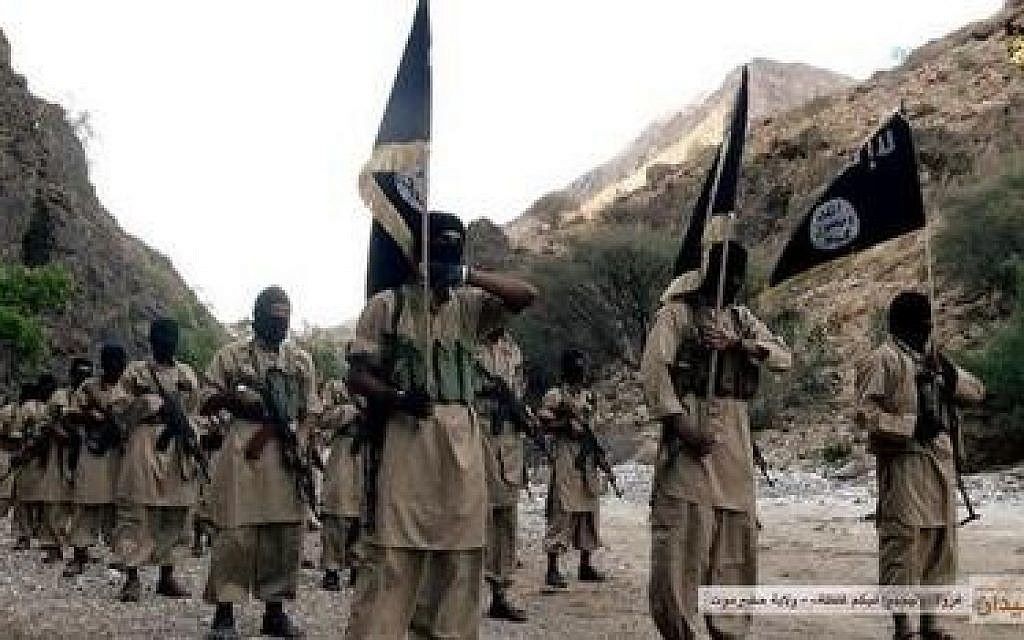
Al-Qaeda in the Arabian Peninsula (AQAP): A Profile

Al-Qaeda in the Arabian Peninsula (AQAP) is the umbrella organisation for al-Qaeda groups in Saudi Arabia and Yemen. In support of al-Qaeda's doctrine, AQAP has conducted deadly jihadist assaults both locally and overseas. it is best known ...

3527
Russia- Pakistan Ties: Should India Be Concerned?
Security
Poonam Jindal • Feb 9, 2022

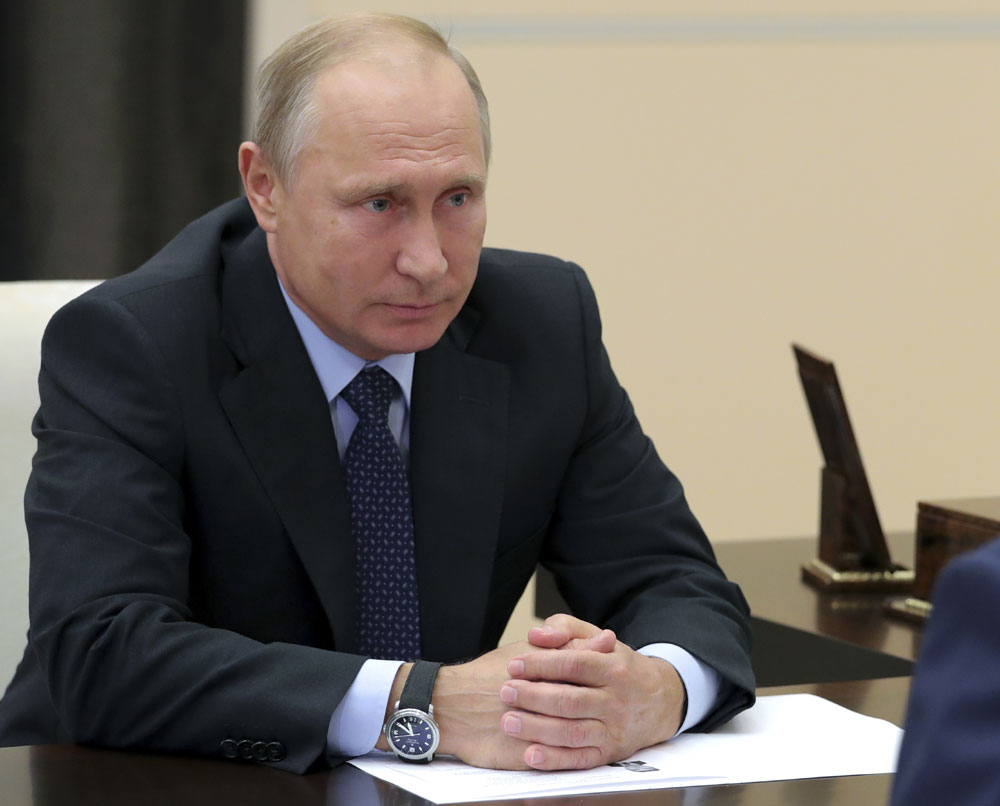
Russia- Pakistan Ties: Should India Be Concerned?

The current year is going to be highly significant for the diplomatic relations between Russia and Pakistan. The top leadership of both the countries were present at the opening ceremony of the Winter Olympics began on the evening of Februa...

2098
Japanese Industries and their China-Exit
Economics
Poonam Jindal • Jan 30, 2022

Japanese Industries and their China-Exit

The outbreak of COVID-19 exposed the over-reliance of Japanese companies upon China's manufacturing capacities. In the midst of a trade war between the US and China, the latter country is facing a huge blowback from its Asian trading partne...

7122
Displaying 85 - 96 of 151 results.

Discover more

Geopolitical Focus Areas