LIVE DISPATCH
• Beyond Trade: Japan’s New Quest for Economic Security • The Invisible Front: China-Pakistan Grey-Zone Operations • The Pacific: Strategic Competition and the Return of Power Politics • India's Agentic AI Strategy Needs Authority Budgets before Autonomy Scales • Arctic Geopolitics: From Frozen Frontier to Global Contest • From Physical Borders to Intelligent Borders: The Evolution of India's Border Security Architecture • Bridging the Fifth-Generation Gap: India's Su-57E Dilemma, AMCA, and Strategic Autonomy • AI Driven Cyberwarfare and National Security • Regulation as Power? The EU, US and China in the Geopolitics of Artificial Intelligence • The Continuing U.S. Regime-Change Toolkit: Color Revolutions, Political Influence, and Vietnam • The New Defence Architecture: Deconstructing the India-Belgium Geostrategic Win • Digital Pathways to Extremism: An Investigative Study of ISIS and Al-Qaeda's Use of Digital Platforms in India • Beyond Oil: Saudi Arabia's Civil Nuclear Deal with the United States • Strategic Autonomy in the Age of Weaponised Interdependence: India’s Geopolitical Dilemma • The Myth of Mankind's Inheritance: China, the US, and the Battle for the Clarion-Clipperton Zone • China’s Grey-Zone Strategy in the Indian Ocean: Implications for India’s Maritime Security • China's Surveillance Architecture in the Bay of Bengal and Its Strategic Implications • Europe’s Digital Dependence: Can the EU Achieve Strategic Autonomy? • A Reformer for an Institution in Decline: What does the Next Secretary-General Inherits? • Cuba’s Economic Crisis and Strategic Relevance: A Peripheral State in Renewed Great Power Competition • Silent Depths, Loud Signals: Nuclear Deterrence Infrastructure and the Crisis-Stability Costs of India’s Indo-Pacific Maritime Partnerships • Loss and Damage Finance: From COP28 Pledges to Policy Architecture • Securing India's Digital Frontiers: Cybersecurity Challenges and Strategic Responses in the Age of Hybrid Warfare • Beyond Consultation: BIMSTEC's Emerging Role in Regional Intelligence and Security Cooperation • Prism of Dragon’s Maritime Assertiveness: Regional Implications and India’s Strategic Options • Between the Desert and the Savannah: Conflict and the Political Economy of Instability in the Sahel • The Architecture of Cooperation: Navigating East Asia's Geopolitical Landscape • The Politics of Ali Khamenei's Funeral • From Civil Nuclear Power to Nuclear Hedging: Saudi Arabia, Iran and the Emerging Nuclear Security Dilemma in the Middle East • Operation Sindoor and the Changing Dynamics of India–Pakistan Security • Generative AI, Labour Sovereignty, and the Geoeconomics of India's Service Economy • India's AI Diplomacy and the Future of Strategic Technologies • Lethal Autonomous Weapons Systems and the Governance Deficit: Challenges to International Humanitarian Law and Accountability • Great Power Rivalry and the Crisis of the United Nations • Ten Years After Brexit: Regret, Reform, or Reversal? • Sports, Strategy and Statecraft of Mega Sporting Events as Geoeconomic Instruments: Qatar 2022 to Saudi Arabia 2034 • Hardening the Quad: From Strategic Dialogue to Operational Cooperation • The Maghreb of States: Identity, Sovereignty, and the Limits of Non-Interference • Beyond the Battlefield: Understanding Unconventional Security Challenges in Contemporary Geopolitics • Trapped in Deterrence: Nuclear Stability and the Persistence of Conflict in South Asia • Beyond Trade: Japan’s New Quest for Economic Security • The Invisible Front: China-Pakistan Grey-Zone Operations • The Pacific: Strategic Competition and the Return of Power Politics • India's Agentic AI Strategy Needs Authority Budgets before Autonomy Scales • Arctic Geopolitics: From Frozen Frontier to Global Contest • From Physical Borders to Intelligent Borders: The Evolution of India's Border Security Architecture • Bridging the Fifth-Generation Gap: India's Su-57E Dilemma, AMCA, and Strategic Autonomy • AI Driven Cyberwarfare and National Security • Regulation as Power? The EU, US and China in the Geopolitics of Artificial Intelligence • The Continuing U.S. Regime-Change Toolkit: Color Revolutions, Political Influence, and Vietnam • The New Defence Architecture: Deconstructing the India-Belgium Geostrategic Win • Digital Pathways to Extremism: An Investigative Study of ISIS and Al-Qaeda's Use of Digital Platforms in India • Beyond Oil: Saudi Arabia's Civil Nuclear Deal with the United States • Strategic Autonomy in the Age of Weaponised Interdependence: India’s Geopolitical Dilemma • The Myth of Mankind's Inheritance: China, the US, and the Battle for the Clarion-Clipperton Zone • China’s Grey-Zone Strategy in the Indian Ocean: Implications for India’s Maritime Security • China's Surveillance Architecture in the Bay of Bengal and Its Strategic Implications • Europe’s Digital Dependence: Can the EU Achieve Strategic Autonomy? • A Reformer for an Institution in Decline: What does the Next Secretary-General Inherits? • Cuba’s Economic Crisis and Strategic Relevance: A Peripheral State in Renewed Great Power Competition • Silent Depths, Loud Signals: Nuclear Deterrence Infrastructure and the Crisis-Stability Costs of India’s Indo-Pacific Maritime Partnerships • Loss and Damage Finance: From COP28 Pledges to Policy Architecture • Securing India's Digital Frontiers: Cybersecurity Challenges and Strategic Responses in the Age of Hybrid Warfare • Beyond Consultation: BIMSTEC's Emerging Role in Regional Intelligence and Security Cooperation • Prism of Dragon’s Maritime Assertiveness: Regional Implications and India’s Strategic Options • Between the Desert and the Savannah: Conflict and the Political Economy of Instability in the Sahel • The Architecture of Cooperation: Navigating East Asia's Geopolitical Landscape • The Politics of Ali Khamenei's Funeral • From Civil Nuclear Power to Nuclear Hedging: Saudi Arabia, Iran and the Emerging Nuclear Security Dilemma in the Middle East • Operation Sindoor and the Changing Dynamics of India–Pakistan Security • Generative AI, Labour Sovereignty, and the Geoeconomics of India's Service Economy • India's AI Diplomacy and the Future of Strategic Technologies • Lethal Autonomous Weapons Systems and the Governance Deficit: Challenges to International Humanitarian Law and Accountability • Great Power Rivalry and the Crisis of the United Nations • Ten Years After Brexit: Regret, Reform, or Reversal? • Sports, Strategy and Statecraft of Mega Sporting Events as Geoeconomic Instruments: Qatar 2022 to Saudi Arabia 2034 • Hardening the Quad: From Strategic Dialogue to Operational Cooperation • The Maghreb of States: Identity, Sovereignty, and the Limits of Non-Interference • Beyond the Battlefield: Understanding Unconventional Security Challenges in Contemporary Geopolitics • Trapped in Deterrence: Nuclear Stability and the Persistence of Conflict in South Asia

Search CeSCube Intelligence Archives

Search Results for “Cam Ranh Bay”

25 total results found
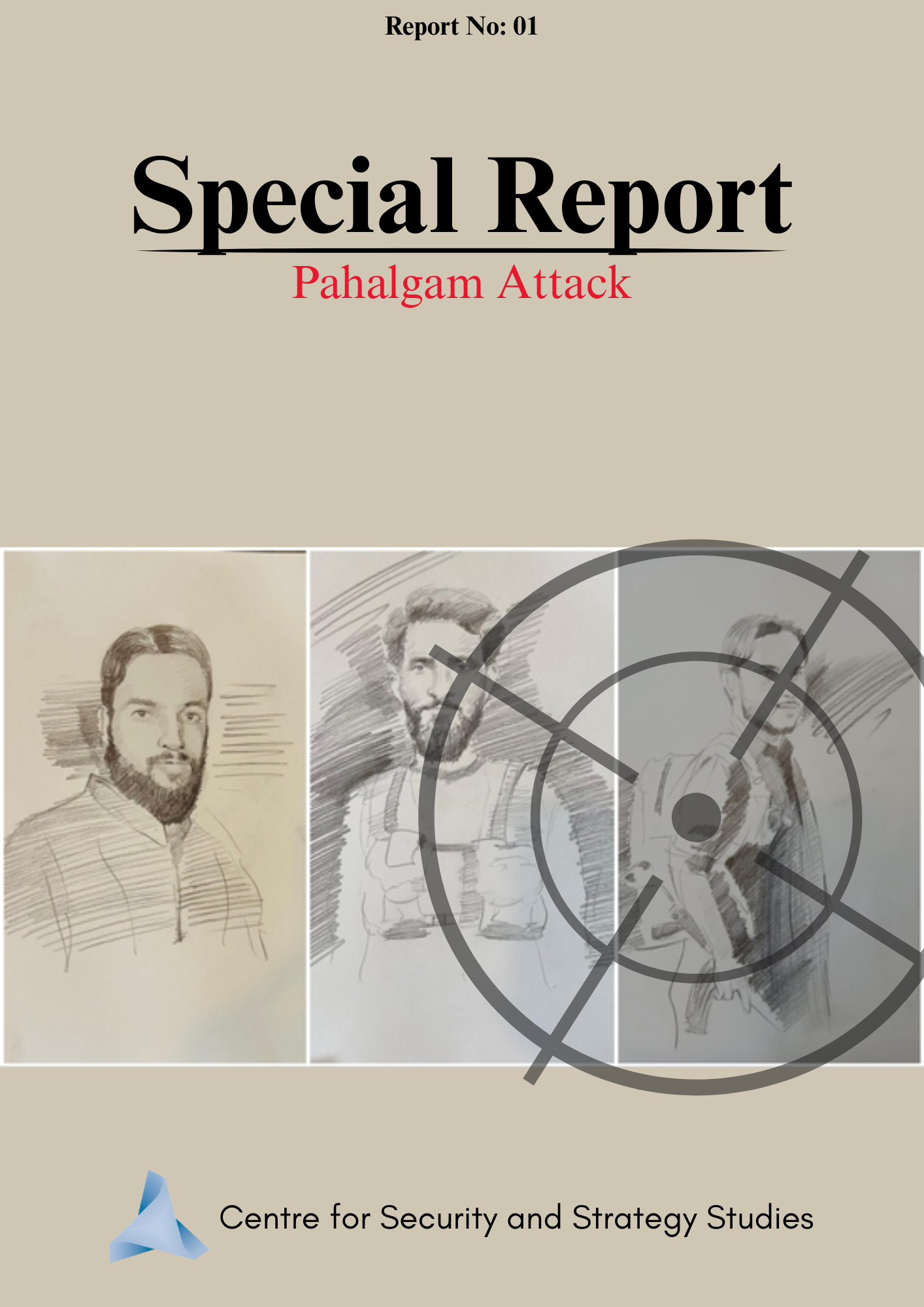
Special Report - Pahalgam Attack
Terrorism Monitor - J&K

Special Report - Pahalgam Attack

On April 22, 2025, terrorists affiliated with Lashkar-e-Taiba (LeT) launched an attack on tourists in Baisaran Valley, located in the Pahalgam area of Anantnag district, Jammu and Kashmir. The assault, which continued for approximately 20 t...

18553
Hydrogen Engineering and New Pathways
Environment
Neha Singh Dayma • Sep 26, 2022

Hydrogen Engineering and New Pathways

India, the world's third-largest emitter of greenhouse gases and third-largest energy producer and consumer, vowed to achieve net zero emissions by 2070 during the COP26 summit in 2021. In a recent webinar on "Energy for Sustainable Growth,...

1836
North Korean Missile Tests and Impact on East Asia
Weapons
Torunika Roy • Mar 21, 2022

North Korean Missile Tests and Impact on East Asia

At the 2021 year-end Plenary Meeting, the North Korean leader Kim Jong Un expressed his desire to improve people's lives by focusing over nukes. The speech came against the backdrop of severe economic crises and food shortages faced by Nort...

3407
The Tale of Two Rivals: NATO expansion and Russia
Security
Khyati Singh • Mar 1, 2022

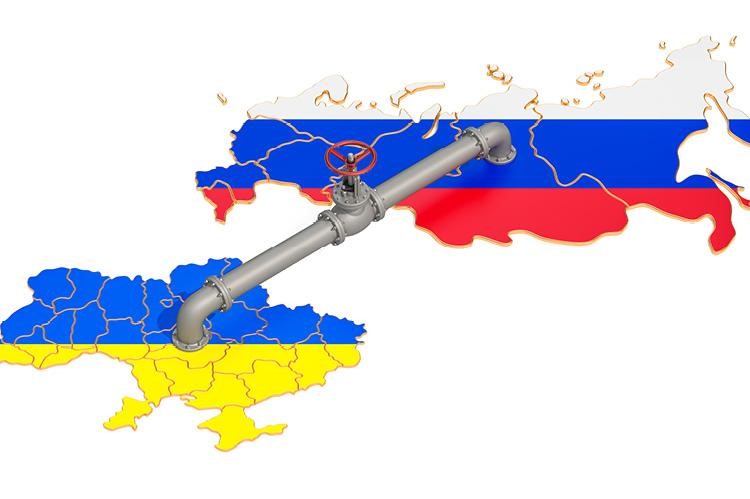
The Tale of Two Rivals: NATO expansion and Russia

The Russian invasion of Ukrainian territory sparked a flurry of heated debates within and among the International Politics intelligentsia, but a large number of scholars agree that Russian belligerence arose in response to the West's unwill...

2840
FDI in India during COVID-19 Pandemic
Economics
Vaibhav Tomar • Feb 3, 2022

FDI in India during COVID-19 Pandemic

A foreign direct investment is a business transaction that involves acquiring a significant stake in a foreign company. It's commonly used to describe a company's plan to expand its operations in a new region. FDI are large investments made...

5799
Strategic significance of Mozambique channel
Security
Abhijeet Nehra • May 29, 2021

Strategic significance of Mozambique channel

The Mozambique Channel is about 100 nautical miles long and 250 nautical miles wide. To its east, lies the world’s fourth largest island Madagascar, and Mozambique to the west. Before the opening-up of Suez Canal on 17 November 1869, the Mo...

7585
Why does India need a third aircraft carrier?
Military
Abhijeet Nehra • Jan 17, 2021

Why does India need a third aircraft carrier?

The Navy Chief Admiral Karambir Singh announced on 3rd December 2020, that the marine forces are planning to procure six more submarines and pitched for the third aircraft carrier. The Indian navy sees a third aircraft carrier as an absolut...

2751
Displaying 13 - 24 of 25 results.

Discover more

Geopolitical Focus Areas