LIVE DISPATCH
• India’s Maritime Ties with Tanzania: Challenges and Opportunities in the Indian Ocean Region • From Civil Nuclear Power to Nuclear Hedging: Saudi Arabia, Iran and the Emerging Nuclear Security Dilemma in the Middle East • Beyond Trade: Japan’s New Quest for Economic Security • The Invisible Front: China-Pakistan Grey-Zone Operations • The Pacific: Strategic Competition and the Return of Power Politics • India's Agentic AI Strategy Needs Authority Budgets before Autonomy Scales • Arctic Geopolitics: From Frozen Frontier to Global Contest • From Physical Borders to Intelligent Borders: The Evolution of India's Border Security Architecture • Bridging the Fifth-Generation Gap: India's Su-57E Dilemma, AMCA, and Strategic Autonomy • AI Driven Cyberwarfare and National Security • Regulation as Power? The EU, US and China in the Geopolitics of Artificial Intelligence • The Continuing U.S. Regime-Change Toolkit: Color Revolutions, Political Influence, and Vietnam • The New Defence Architecture: Deconstructing the India-Belgium Geostrategic Win • Digital Pathways to Extremism: An Investigative Study of ISIS and Al-Qaeda's Use of Digital Platforms in India • Beyond Oil: Saudi Arabia's Civil Nuclear Deal with the United States • Strategic Autonomy in the Age of Weaponised Interdependence: India’s Geopolitical Dilemma • The Myth of Mankind's Inheritance: China, the US, and the Battle for the Clarion-Clipperton Zone • China’s Grey-Zone Strategy in the Indian Ocean: Implications for India’s Maritime Security • China's Surveillance Architecture in the Bay of Bengal and Its Strategic Implications • Europe’s Digital Dependence: Can the EU Achieve Strategic Autonomy? • A Reformer for an Institution in Decline: What does the Next Secretary-General Inherits? • Cuba’s Economic Crisis and Strategic Relevance: A Peripheral State in Renewed Great Power Competition • Silent Depths, Loud Signals: Nuclear Deterrence Infrastructure and the Crisis-Stability Costs of India’s Indo-Pacific Maritime Partnerships • Loss and Damage Finance: From COP28 Pledges to Policy Architecture • Securing India's Digital Frontiers: Cybersecurity Challenges and Strategic Responses in the Age of Hybrid Warfare • Beyond Consultation: BIMSTEC's Emerging Role in Regional Intelligence and Security Cooperation • Prism of Dragon’s Maritime Assertiveness: Regional Implications and India’s Strategic Options • Between the Desert and the Savannah: Conflict and the Political Economy of Instability in the Sahel • The Architecture of Cooperation: Navigating East Asia's Geopolitical Landscape • The Politics of Ali Khamenei's Funeral • Operation Sindoor and the Changing Dynamics of India–Pakistan Security • Generative AI, Labour Sovereignty, and the Geoeconomics of India's Service Economy • India's AI Diplomacy and the Future of Strategic Technologies • Lethal Autonomous Weapons Systems and the Governance Deficit: Challenges to International Humanitarian Law and Accountability • Great Power Rivalry and the Crisis of the United Nations • Ten Years After Brexit: Regret, Reform, or Reversal? • Sports, Strategy and Statecraft of Mega Sporting Events as Geoeconomic Instruments: Qatar 2022 to Saudi Arabia 2034 • Hardening the Quad: From Strategic Dialogue to Operational Cooperation • The Maghreb of States: Identity, Sovereignty, and the Limits of Non-Interference • Beyond the Battlefield: Understanding Unconventional Security Challenges in Contemporary Geopolitics • India’s Maritime Ties with Tanzania: Challenges and Opportunities in the Indian Ocean Region • From Civil Nuclear Power to Nuclear Hedging: Saudi Arabia, Iran and the Emerging Nuclear Security Dilemma in the Middle East • Beyond Trade: Japan’s New Quest for Economic Security • The Invisible Front: China-Pakistan Grey-Zone Operations • The Pacific: Strategic Competition and the Return of Power Politics • India's Agentic AI Strategy Needs Authority Budgets before Autonomy Scales • Arctic Geopolitics: From Frozen Frontier to Global Contest • From Physical Borders to Intelligent Borders: The Evolution of India's Border Security Architecture • Bridging the Fifth-Generation Gap: India's Su-57E Dilemma, AMCA, and Strategic Autonomy • AI Driven Cyberwarfare and National Security • Regulation as Power? The EU, US and China in the Geopolitics of Artificial Intelligence • The Continuing U.S. Regime-Change Toolkit: Color Revolutions, Political Influence, and Vietnam • The New Defence Architecture: Deconstructing the India-Belgium Geostrategic Win • Digital Pathways to Extremism: An Investigative Study of ISIS and Al-Qaeda's Use of Digital Platforms in India • Beyond Oil: Saudi Arabia's Civil Nuclear Deal with the United States • Strategic Autonomy in the Age of Weaponised Interdependence: India’s Geopolitical Dilemma • The Myth of Mankind's Inheritance: China, the US, and the Battle for the Clarion-Clipperton Zone • China’s Grey-Zone Strategy in the Indian Ocean: Implications for India’s Maritime Security • China's Surveillance Architecture in the Bay of Bengal and Its Strategic Implications • Europe’s Digital Dependence: Can the EU Achieve Strategic Autonomy? • A Reformer for an Institution in Decline: What does the Next Secretary-General Inherits? • Cuba’s Economic Crisis and Strategic Relevance: A Peripheral State in Renewed Great Power Competition • Silent Depths, Loud Signals: Nuclear Deterrence Infrastructure and the Crisis-Stability Costs of India’s Indo-Pacific Maritime Partnerships • Loss and Damage Finance: From COP28 Pledges to Policy Architecture • Securing India's Digital Frontiers: Cybersecurity Challenges and Strategic Responses in the Age of Hybrid Warfare • Beyond Consultation: BIMSTEC's Emerging Role in Regional Intelligence and Security Cooperation • Prism of Dragon’s Maritime Assertiveness: Regional Implications and India’s Strategic Options • Between the Desert and the Savannah: Conflict and the Political Economy of Instability in the Sahel • The Architecture of Cooperation: Navigating East Asia's Geopolitical Landscape • The Politics of Ali Khamenei's Funeral • Operation Sindoor and the Changing Dynamics of India–Pakistan Security • Generative AI, Labour Sovereignty, and the Geoeconomics of India's Service Economy • India's AI Diplomacy and the Future of Strategic Technologies • Lethal Autonomous Weapons Systems and the Governance Deficit: Challenges to International Humanitarian Law and Accountability • Great Power Rivalry and the Crisis of the United Nations • Ten Years After Brexit: Regret, Reform, or Reversal? • Sports, Strategy and Statecraft of Mega Sporting Events as Geoeconomic Instruments: Qatar 2022 to Saudi Arabia 2034 • Hardening the Quad: From Strategic Dialogue to Operational Cooperation • The Maghreb of States: Identity, Sovereignty, and the Limits of Non-Interference • Beyond the Battlefield: Understanding Unconventional Security Challenges in Contemporary Geopolitics

Search CeSCube Intelligence Archives

Search Results for “AI Security”

852 total results found
 Promoting Tourism in post Covid-19 Recovery phase
Environment
Tanay Suntwal • Sep 23, 2021

Promoting Tourism in post Covid-19 Recovery phase

The Indian tourism Industry has emerged as a significant engine of growth in India's services sector. Given the country's rich cultural and historical legacy, diversity in ecology, terrains, and natural beauty, tourism in India has tremendo...


Takeaways from Kamala Harris Visit to Southeast Asia
Politics
Gaurav Sen • Sep 19, 2021

Takeaways from Kamala Harris Visit to Southeast Asia

As the world slowly coming with the terms of the Taliban takeover in Afghanistan, many observers said that the unexpected US debacle on Afghan soil gathers semblance of its pack up from Saigon, Vietnam. The scathing rupture in US credibilit...

Implementation of RCEP: Envisioning its future
Economics
Vaibhav Tomar • Sep 19, 2021

Implementation of RCEP: Envisioning its future

Japan has approved the biggest trade deal in the world in June 2021. The agreement, which is called the RCEP, will take effect in January 2022.RCEP is a free trade agreement between the US, China, Japan, and South Korea. It will create a ma...

US- Korea Defence Ties: Looking Beyond the Binaries
Security
Torunika Roy • Sep 18, 2021

US- Korea Defence Ties: Looking Beyond the Binaries

The US-ROK friendship is considered as a relationship forged in blood by many Koreans and Americans. This relationship was strengthened by the Former US president Barack Obama at G20 London Summit, where he mentioned that South Korea has be...

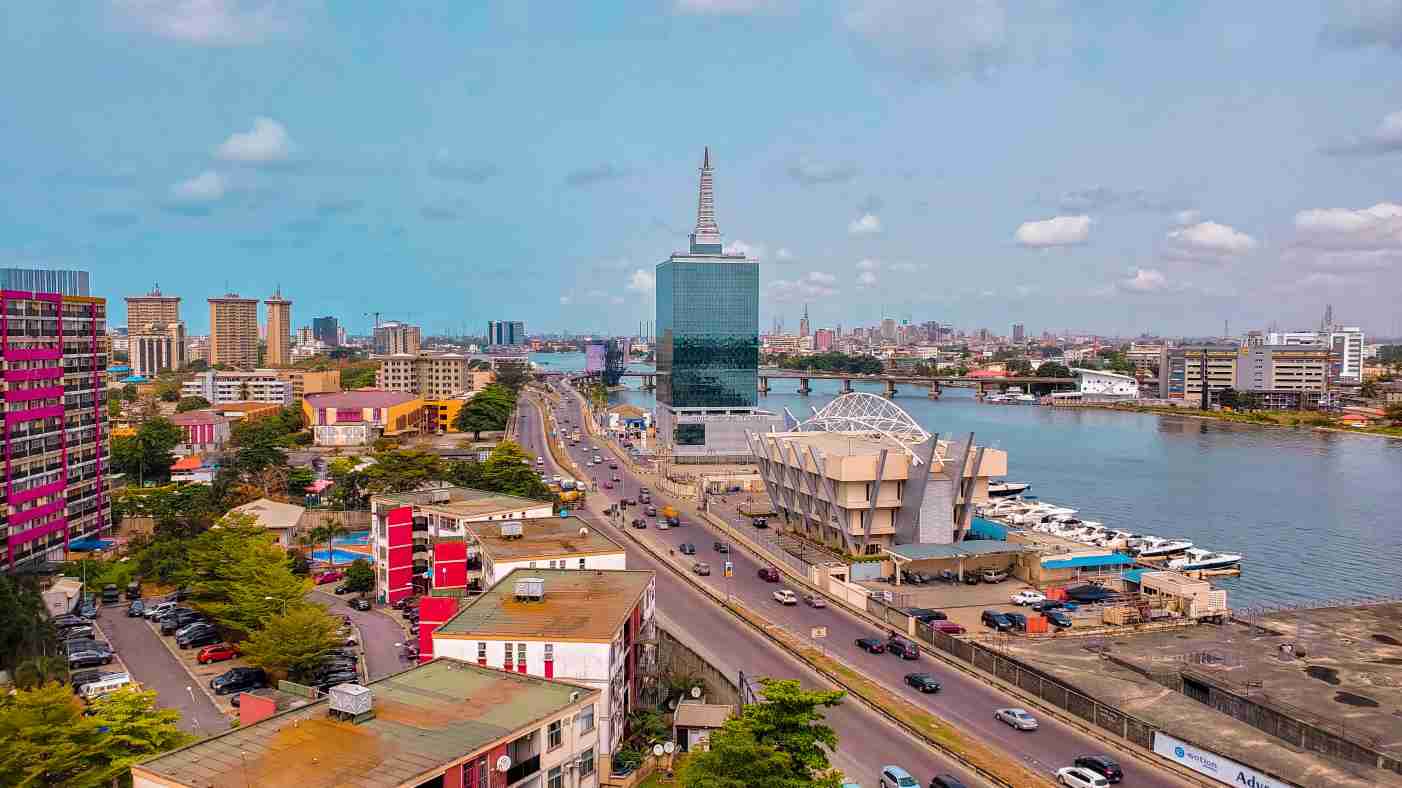
Increasing Islamic reactionism in Western Africa
Terrorism
Abhijeet Nehra • Sep 15, 2021

Increasing Islamic reactionism in Western Africa

Islamic militants and terror outbreaks have increased in the past decade. For instance, terrorist outbreaks began in north-east Nigeria in 2009, three years later in northern Mali. In addition, central Niger and Burkina Faso have also witne...

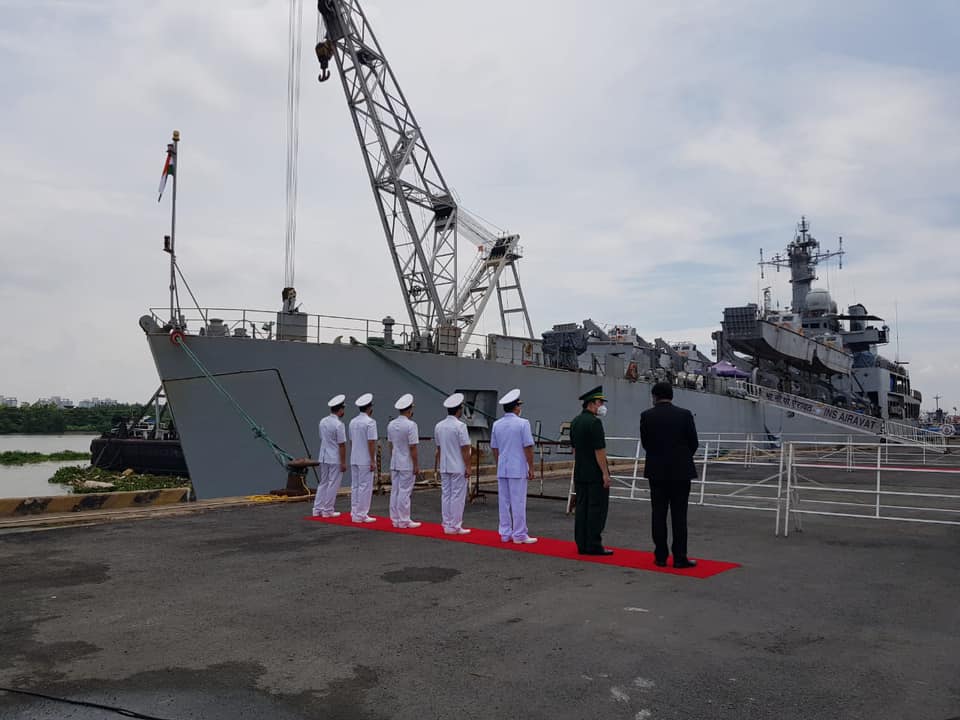
Time to reinvent India-Vietnam defence ties
Military
Gaurav Sen • Sep 12, 2021

Time to reinvent India-Vietnam defence ties

The unabated rise of china and its uncontrolled muscle flexing around its periphery is disliked by many of its neighbors. India and Vietnam are the two countries that shares borders with China also share the frustration created by it at the...

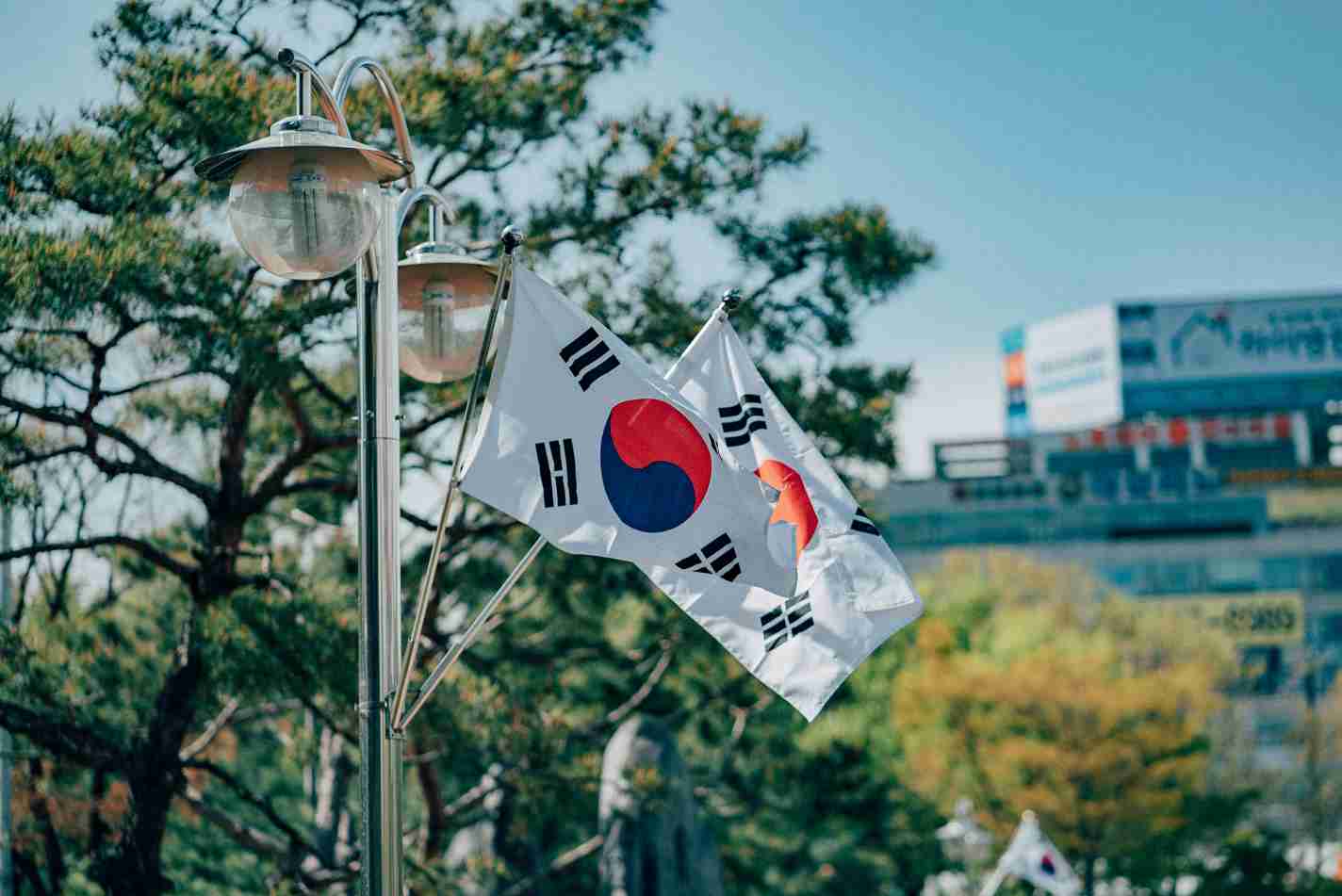
Evaluating Korea's fight against Covid-19
Health
Torunika Roy • Sep 8, 2021

Evaluating Korea's fight against Covid-19

In 2020, when countries around the world were imposing lockdowns to restraint the spread of coronavirus, South Koreans were already back on the streets. The cases were rising in other countries, but South Korea was effectively flattening it...

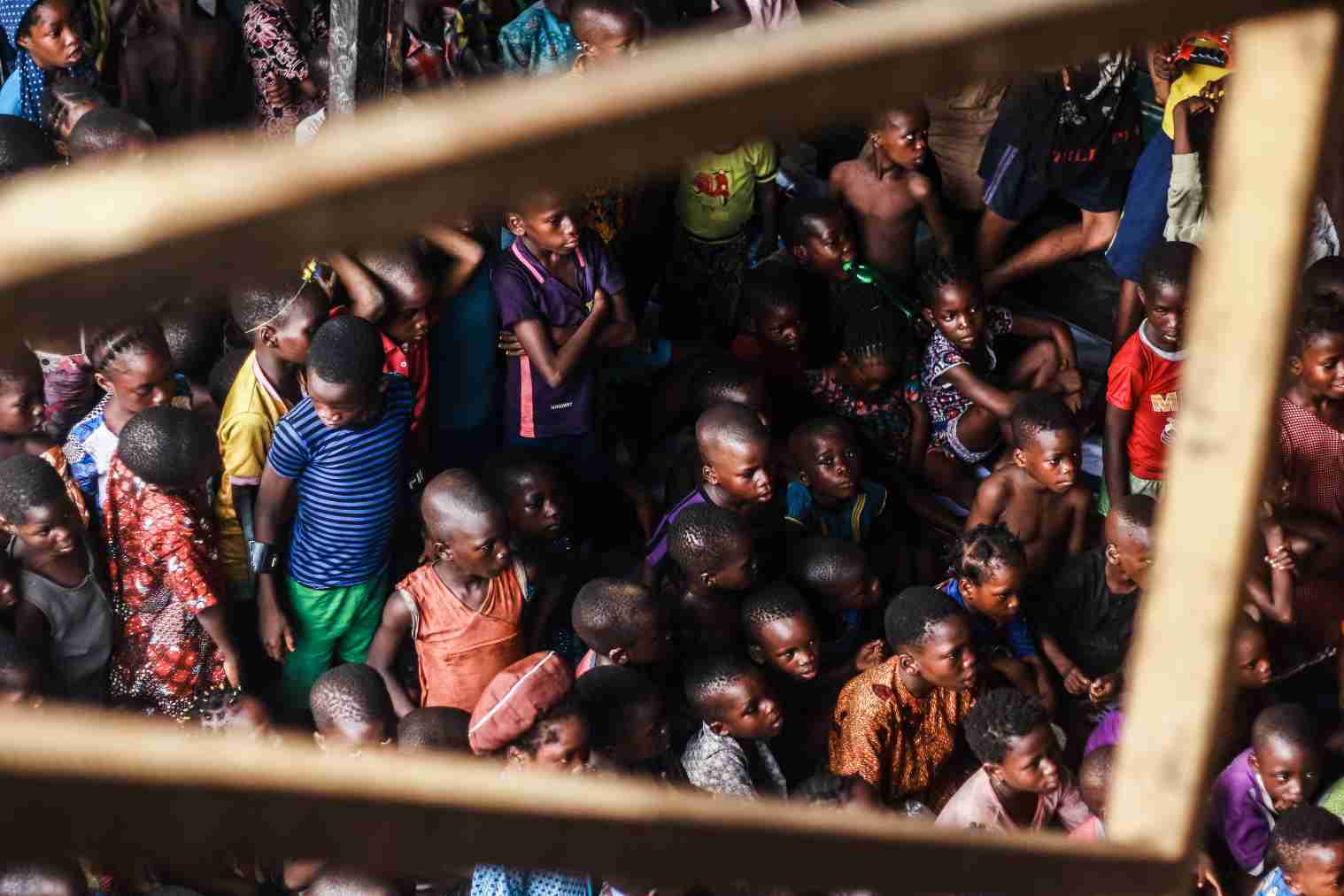
Migration and Refugee crisis in Western Africa
Economics
Abhijeet Nehra • Sep 6, 2021

Migration and Refugee crisis in Western Africa

Western Africa compasses of 17 countries namely Benin, Burkina Faso, Cape Verde, Cote d’ Ivoire, Gambia, Ghana, Guinea, Guinea-Bissau, Liberia, Mali, Mauritania, Niger, Nigeria, Senegal, Sierra Leone and Togo, it covers the area of about 8 ...

Taiwan’s Military Modernization
Military
Torunika Roy • Sep 1, 2021

Taiwan’s Military Modernization

Since June 2021, China has become more aggressive towards Taiwan. China sent twenty-eight warplanes into the Taiwanese airspace in June. Other than sending planes, China conducted assault drills in southwestern and southeastern waters near ...

Displaying 577 - 588 of 852 results.

Discover more

Geopolitical Focus Areas