LIVE DISPATCH
• Structural Parallels in American Coercive Diplomacy: The US-Cuban and US-Iranian Conflicts • Prism of Dragon’s Maritime Assertiveness: Regional Implications and India’s Strategic Options • Cybersecurity and European Strategic Autonomy: Can Europe Reduce Its Dependence on Foreign Digital Infrastructure? • The Architecture of Cooperation: Navigating East Asia's Geopolitical Landscape • India’s Maritime Ties with Tanzania: Challenges and Opportunities in the Indian Ocean Region • From Civil Nuclear Power to Nuclear Hedging: Saudi Arabia, Iran and the Emerging Nuclear Security Dilemma in the Middle East • Beyond Trade: Japan’s New Quest for Economic Security • The Invisible Front: China-Pakistan Grey-Zone Operations • The Pacific: Strategic Competition and the Return of Power Politics • India's Agentic AI Strategy Needs Authority Budgets before Autonomy Scales • Arctic Geopolitics: From Frozen Frontier to Global Contest • From Physical Borders to Intelligent Borders: The Evolution of India's Border Security Architecture • Bridging the Fifth-Generation Gap: India's Su-57E Dilemma, AMCA, and Strategic Autonomy • AI Driven Cyberwarfare and National Security • Regulation as Power? The EU, US and China in the Geopolitics of Artificial Intelligence • The Continuing U.S. Regime-Change Toolkit: Color Revolutions, Political Influence, and Vietnam • The New Defence Architecture: Deconstructing the India-Belgium Geostrategic Win • Digital Pathways to Extremism: An Investigative Study of ISIS and Al-Qaeda's Use of Digital Platforms in India • Beyond Oil: Saudi Arabia's Civil Nuclear Deal with the United States • Strategic Autonomy in the Age of Weaponised Interdependence: India’s Geopolitical Dilemma • The Myth of Mankind's Inheritance: China, the US, and the Battle for the Clarion-Clipperton Zone • China’s Grey-Zone Strategy in the Indian Ocean: Implications for India’s Maritime Security • China's Surveillance Architecture in the Bay of Bengal and Its Strategic Implications • Europe’s Digital Dependence: Can the EU Achieve Strategic Autonomy? • A Reformer for an Institution in Decline: What does the Next Secretary-General Inherits? • Cuba’s Economic Crisis and Strategic Relevance: A Peripheral State in Renewed Great Power Competition • Silent Depths, Loud Signals: Nuclear Deterrence Infrastructure and the Crisis-Stability Costs of India’s Indo-Pacific Maritime Partnerships • Loss and Damage Finance: From COP28 Pledges to Policy Architecture • Securing India's Digital Frontiers: Cybersecurity Challenges and Strategic Responses in the Age of Hybrid Warfare • Beyond Consultation: BIMSTEC's Emerging Role in Regional Intelligence and Security Cooperation • Between the Desert and the Savannah: Conflict and the Political Economy of Instability in the Sahel • The Politics of Ali Khamenei's Funeral • Operation Sindoor and the Changing Dynamics of India–Pakistan Security • Generative AI, Labour Sovereignty, and the Geoeconomics of India's Service Economy • India's AI Diplomacy and the Future of Strategic Technologies • Lethal Autonomous Weapons Systems and the Governance Deficit: Challenges to International Humanitarian Law and Accountability • Great Power Rivalry and the Crisis of the United Nations • Ten Years After Brexit: Regret, Reform, or Reversal? • Sports, Strategy and Statecraft of Mega Sporting Events as Geoeconomic Instruments: Qatar 2022 to Saudi Arabia 2034 • Hardening the Quad: From Strategic Dialogue to Operational Cooperation • Structural Parallels in American Coercive Diplomacy: The US-Cuban and US-Iranian Conflicts • Prism of Dragon’s Maritime Assertiveness: Regional Implications and India’s Strategic Options • Cybersecurity and European Strategic Autonomy: Can Europe Reduce Its Dependence on Foreign Digital Infrastructure? • The Architecture of Cooperation: Navigating East Asia's Geopolitical Landscape • India’s Maritime Ties with Tanzania: Challenges and Opportunities in the Indian Ocean Region • From Civil Nuclear Power to Nuclear Hedging: Saudi Arabia, Iran and the Emerging Nuclear Security Dilemma in the Middle East • Beyond Trade: Japan’s New Quest for Economic Security • The Invisible Front: China-Pakistan Grey-Zone Operations • The Pacific: Strategic Competition and the Return of Power Politics • India's Agentic AI Strategy Needs Authority Budgets before Autonomy Scales • Arctic Geopolitics: From Frozen Frontier to Global Contest • From Physical Borders to Intelligent Borders: The Evolution of India's Border Security Architecture • Bridging the Fifth-Generation Gap: India's Su-57E Dilemma, AMCA, and Strategic Autonomy • AI Driven Cyberwarfare and National Security • Regulation as Power? The EU, US and China in the Geopolitics of Artificial Intelligence • The Continuing U.S. Regime-Change Toolkit: Color Revolutions, Political Influence, and Vietnam • The New Defence Architecture: Deconstructing the India-Belgium Geostrategic Win • Digital Pathways to Extremism: An Investigative Study of ISIS and Al-Qaeda's Use of Digital Platforms in India • Beyond Oil: Saudi Arabia's Civil Nuclear Deal with the United States • Strategic Autonomy in the Age of Weaponised Interdependence: India’s Geopolitical Dilemma • The Myth of Mankind's Inheritance: China, the US, and the Battle for the Clarion-Clipperton Zone • China’s Grey-Zone Strategy in the Indian Ocean: Implications for India’s Maritime Security • China's Surveillance Architecture in the Bay of Bengal and Its Strategic Implications • Europe’s Digital Dependence: Can the EU Achieve Strategic Autonomy? • A Reformer for an Institution in Decline: What does the Next Secretary-General Inherits? • Cuba’s Economic Crisis and Strategic Relevance: A Peripheral State in Renewed Great Power Competition • Silent Depths, Loud Signals: Nuclear Deterrence Infrastructure and the Crisis-Stability Costs of India’s Indo-Pacific Maritime Partnerships • Loss and Damage Finance: From COP28 Pledges to Policy Architecture • Securing India's Digital Frontiers: Cybersecurity Challenges and Strategic Responses in the Age of Hybrid Warfare • Beyond Consultation: BIMSTEC's Emerging Role in Regional Intelligence and Security Cooperation • Between the Desert and the Savannah: Conflict and the Political Economy of Instability in the Sahel • The Politics of Ali Khamenei's Funeral • Operation Sindoor and the Changing Dynamics of India–Pakistan Security • Generative AI, Labour Sovereignty, and the Geoeconomics of India's Service Economy • India's AI Diplomacy and the Future of Strategic Technologies • Lethal Autonomous Weapons Systems and the Governance Deficit: Challenges to International Humanitarian Law and Accountability • Great Power Rivalry and the Crisis of the United Nations • Ten Years After Brexit: Regret, Reform, or Reversal? • Sports, Strategy and Statecraft of Mega Sporting Events as Geoeconomic Instruments: Qatar 2022 to Saudi Arabia 2034 • Hardening the Quad: From Strategic Dialogue to Operational Cooperation

Search CeSCube Intelligence Archives

Search Results for “global politics”

439 total results found
UAE’s Space Programme: An Uncertain Future
Space
Krupa Vasani • Apr 1, 2021

UAE’s Space Programme: An Uncertain Future

UAE has witnessed unparalleled growth in the past decade, and that holds true for its space sector too. It aims to be one of the top countries in the aerospace sector by the end of 2021. In the past 5 years, UAE has launched several space p...

Joe Biden's Foreign Policy priorities
Politics
Abhijeet Nehra • Mar 23, 2021

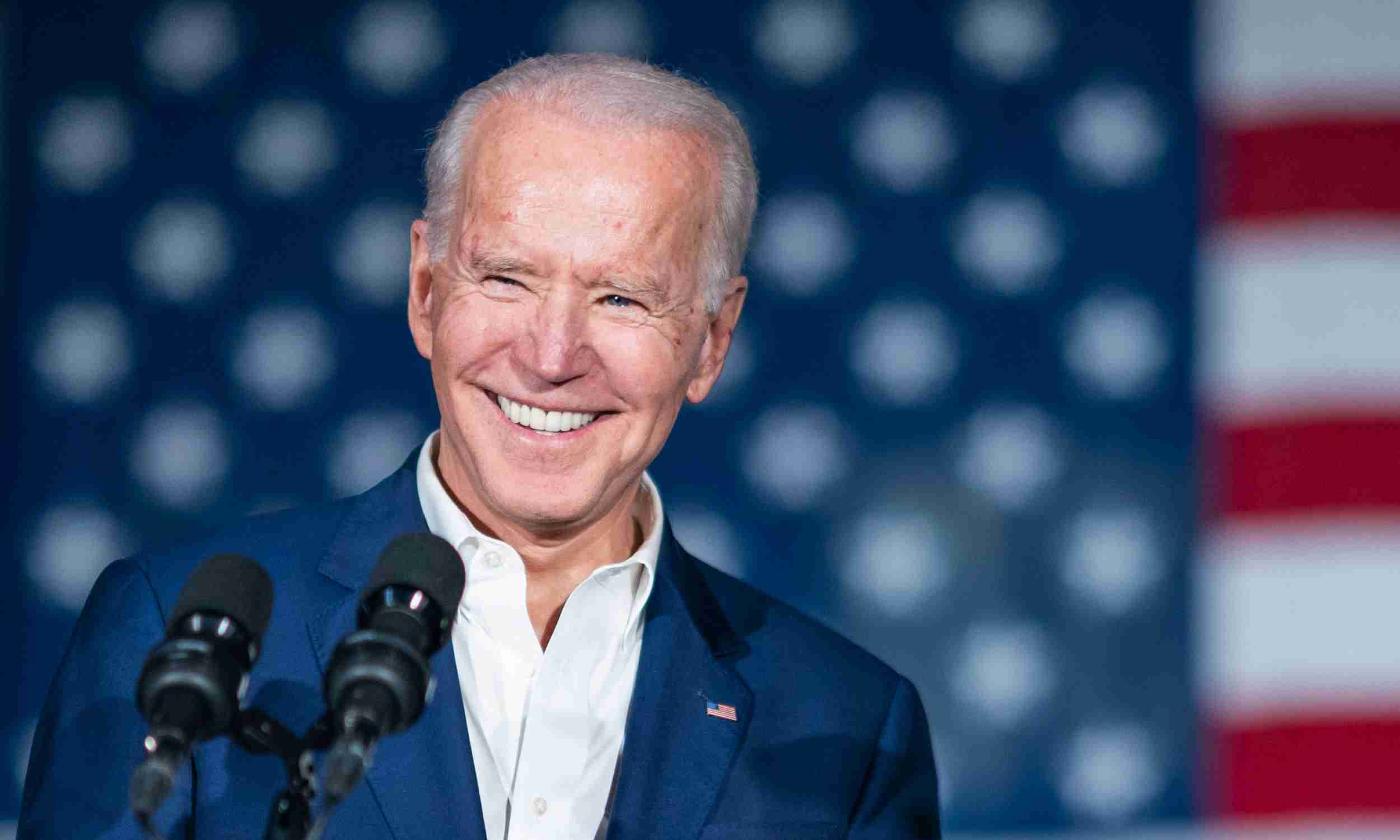
Joe Biden's Foreign Policy priorities

Joseph Robinette Biden Jr. announced in his inaugural address that he would work to make America ‘the leading force for good in the world again’. This conveys his attempt to belittle his predecessor, Donald Trump. The disastrous policy Trum...

Russia's Aerospace Industry – A Bumpy Growth
Space
Krupa Vasani • Mar 18, 2021

Russia's Aerospace Industry – A Bumpy Growth

The Russian development in the aerospace industry has not only showcased their technology know how and prowess, but has also challenged the preconceived notions which the western countries have about the Russian technology and space manufac...

Russia Japan bilateral ties and the changing dynamics
Politics
Krupa Vasani • Mar 5, 2021

Russia Japan bilateral ties and the changing dynamics

Foreign policy scholars and analysts across the world are of the opinion that even though the majority of Japanese policies have not changed since Suga Yoshihide replaced Abe as Japanese Prime Minister, there may be a change in the Japanese...

Why India is interested in Visegrad countries?
Business
Sankalp Sreenath • Feb 26, 2021

Why India is interested in Visegrad countries?

Visegrad countries have become important for Indian foreign policy in recent times. The visit of Indian Minister of External Affairs Dr S. Jaishankar to Hungary and Poland in August 2019 sheds light on India’s engagement with central Europe...

US return to Paris Agreement on Climate Change
Environment
Abhijeet Nehra • Feb 23, 2021

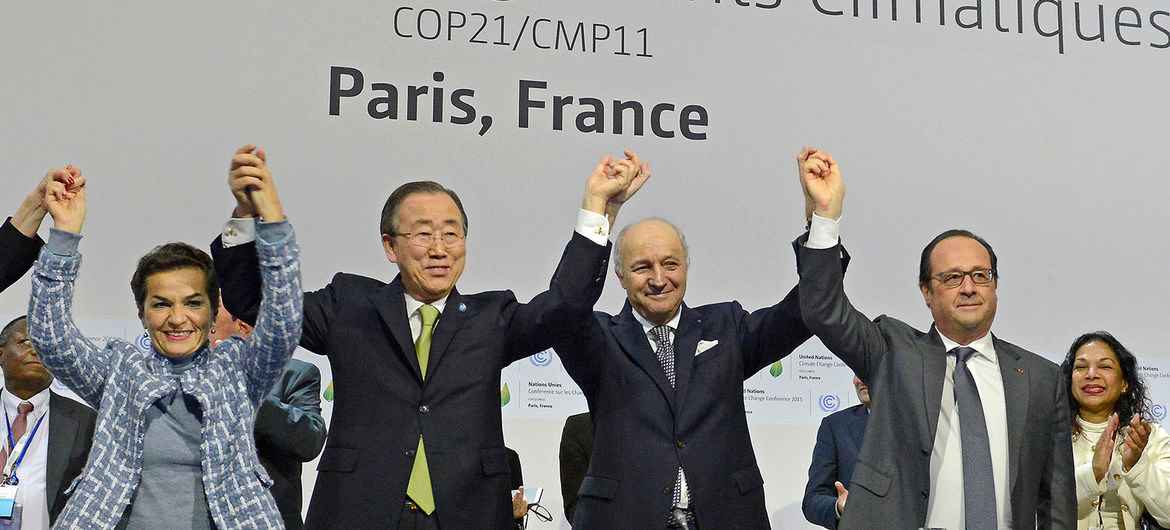
US return to Paris Agreement on Climate Change

US President Joe Biden acknowledged the fact that climate change is real in his inauguration speech on 20th January, he announced that the national and foreign policy would be climate-centric and recognized the need to fight the climate cat...

India's Defence Diplomacy in Africa
Military
Jyot Shikhar Singh • Feb 5, 2021

India's Defence Diplomacy in Africa

India- Africa Defence Ministers’ Conclave (IADMC) on 6th February 2020 marked an essential point of inflection in India- Africa relations. Historic relations between India- Africa were primarily involved in the paradigms of economic, sociol...

A New Normal in India-Taiwan relations
Politics
Ragini Kashyap • Feb 3, 2021

A New Normal in India-Taiwan relations

If one looks at the current status of the India-Taiwan relationship, democracy has been a binding element for the two nations. The relations and dynamics of India Taiwan relations have remained understudied for a long. Taking into account t...

US Bill on Tibet: A Strategic Move or an Eyewash?
Politics
Krupa Vasani • Jan 23, 2021

US Bill on Tibet: A Strategic Move or an Eyewash?

On 22 December, 2020, Tibetan Policy and Support Act of 2020 was passed by the US Senate and has been translated into a law after President Donald Trump signed it. This has been held as a landmark legislation, which reaffirms the rights of ...

Displaying 361 - 372 of 439 results.

Discover more

Geopolitical Focus Areas