
LIVE DISPATCH
• China's Surveillance Architecture in the Bay of Bengal and Its Strategic Implications • Europe’s Digital Dependence: Can the EU Achieve Strategic Autonomy? • A Reformer for an Institution in Decline: What does the Next Secretary-General Inherits? • Cuba’s Economic Crisis and Strategic Relevance: A Peripheral State in Renewed Great Power Competition • Silent Depths, Loud Signals: Nuclear Deterrence Infrastructure and the Crisis-Stability Costs of India’s Indo-Pacific Maritime Partnerships • Loss and Damage Finance: From COP28 Pledges to Policy Architecture • Securing India's Digital Frontiers: Cybersecurity Challenges and Strategic Responses in the Age of Hybrid Warfare • Beyond Consultation: BIMSTEC's Emerging Role in Regional Intelligence and Security Cooperation • Prism of Dragon’s Maritime Assertiveness: Regional Implications and India’s Strategic Options • Between the Desert and the Savannah: Conflict and the Political Economy of Instability in the Sahel • The Architecture of Cooperation: Navigating East Asia's Geopolitical Landscape • The Politics of Ali Khamenei's Funeral • From Civil Nuclear Power to Nuclear Hedging: Saudi Arabia, Iran and the Emerging Nuclear Security Dilemma in the Middle East • Operation Sindoor and the Changing Dynamics of India–Pakistan Security • The Invisible Front: China-Pakistan Grey-Zone Operations • Generative AI, Labour Sovereignty, and the Geoeconomics of India's Service Economy • India's Agentic AI Strategy Needs Authority Budgets before Autonomy Scales • India's AI Diplomacy and the Future of Strategic Technologies • From Physical Borders to Intelligent Borders: The Evolution of India's Border Security Architecture • Lethal Autonomous Weapons Systems and the Governance Deficit: Challenges to International Humanitarian Law and Accountability • AI Driven Cyberwarfare and National Security • Great Power Rivalry and the Crisis of the United Nations • The Continuing U.S. Regime-Change Toolkit: Color Revolutions, Political Influence, and Vietnam • Ten Years After Brexit: Regret, Reform, or Reversal? • Digital Pathways to Extremism: An Investigative Study of ISIS and Al-Qaeda's Use of Digital Platforms in India • Sports, Strategy and Statecraft of Mega Sporting Events as Geoeconomic Instruments: Qatar 2022 to Saudi Arabia 2034 • Strategic Autonomy in the Age of Weaponised Interdependence: India’s Geopolitical Dilemma • Hardening the Quad: From Strategic Dialogue to Operational Cooperation • China’s Grey-Zone Strategy in the Indian Ocean: Implications for India’s Maritime Security • The Maghreb of States: Identity, Sovereignty, and the Limits of Non-Interference • Beyond the Battlefield: Understanding Unconventional Security Challenges in Contemporary Geopolitics • Trapped in Deterrence: Nuclear Stability and the Persistence of Conflict in South Asia • Extended Deterrence Under Strain: Credibility, Assurance, and the Stability-Instability Paradox in the Indo-Pacific • Maritime India: Security, Trade, and Great Power Competition • Beyond Ukraine: Understanding Putin's Vision of Russian Power • Silicon Sovereignty: How Semiconductors Are Redrawing Global Power Hierarchies • The Negative Impact of US–Iran War on the Pacific Region • BRICS Expansion and the Multipolar Moment: Opportunity or Strategic Contradiction? • Foot-Dragging as Feminism: Iran, South Korea, and the Ungovernable Body • Beyond Proximity: Why the UAE Occupies a Growing Place in Iran’s Strategic Calculus • China's Surveillance Architecture in the Bay of Bengal and Its Strategic Implications • Europe’s Digital Dependence: Can the EU Achieve Strategic Autonomy? • A Reformer for an Institution in Decline: What does the Next Secretary-General Inherits? • Cuba’s Economic Crisis and Strategic Relevance: A Peripheral State in Renewed Great Power Competition • Silent Depths, Loud Signals: Nuclear Deterrence Infrastructure and the Crisis-Stability Costs of India’s Indo-Pacific Maritime Partnerships • Loss and Damage Finance: From COP28 Pledges to Policy Architecture • Securing India's Digital Frontiers: Cybersecurity Challenges and Strategic Responses in the Age of Hybrid Warfare • Beyond Consultation: BIMSTEC's Emerging Role in Regional Intelligence and Security Cooperation • Prism of Dragon’s Maritime Assertiveness: Regional Implications and India’s Strategic Options • Between the Desert and the Savannah: Conflict and the Political Economy of Instability in the Sahel • The Architecture of Cooperation: Navigating East Asia's Geopolitical Landscape • The Politics of Ali Khamenei's Funeral • From Civil Nuclear Power to Nuclear Hedging: Saudi Arabia, Iran and the Emerging Nuclear Security Dilemma in the Middle East • Operation Sindoor and the Changing Dynamics of India–Pakistan Security • The Invisible Front: China-Pakistan Grey-Zone Operations • Generative AI, Labour Sovereignty, and the Geoeconomics of India's Service Economy • India's Agentic AI Strategy Needs Authority Budgets before Autonomy Scales • India's AI Diplomacy and the Future of Strategic Technologies • From Physical Borders to Intelligent Borders: The Evolution of India's Border Security Architecture • Lethal Autonomous Weapons Systems and the Governance Deficit: Challenges to International Humanitarian Law and Accountability • AI Driven Cyberwarfare and National Security • Great Power Rivalry and the Crisis of the United Nations • The Continuing U.S. Regime-Change Toolkit: Color Revolutions, Political Influence, and Vietnam • Ten Years After Brexit: Regret, Reform, or Reversal? • Digital Pathways to Extremism: An Investigative Study of ISIS and Al-Qaeda's Use of Digital Platforms in India • Sports, Strategy and Statecraft of Mega Sporting Events as Geoeconomic Instruments: Qatar 2022 to Saudi Arabia 2034 • Strategic Autonomy in the Age of Weaponised Interdependence: India’s Geopolitical Dilemma • Hardening the Quad: From Strategic Dialogue to Operational Cooperation • China’s Grey-Zone Strategy in the Indian Ocean: Implications for India’s Maritime Security • The Maghreb of States: Identity, Sovereignty, and the Limits of Non-Interference • Beyond the Battlefield: Understanding Unconventional Security Challenges in Contemporary Geopolitics • Trapped in Deterrence: Nuclear Stability and the Persistence of Conflict in South Asia • Extended Deterrence Under Strain: Credibility, Assurance, and the Stability-Instability Paradox in the Indo-Pacific • Maritime India: Security, Trade, and Great Power Competition • Beyond Ukraine: Understanding Putin's Vision of Russian Power • Silicon Sovereignty: How Semiconductors Are Redrawing Global Power Hierarchies • The Negative Impact of US–Iran War on the Pacific Region • BRICS Expansion and the Multipolar Moment: Opportunity or Strategic Contradiction? • Foot-Dragging as Feminism: Iran, South Korea, and the Ungovernable Body • Beyond Proximity: Why the UAE Occupies a Growing Place in Iran’s Strategic Calculus

Search CeSCube Intelligence Archives

Search Results for “Chinese Military Infrastructure”

173 total results found
China and Cambodia - Rise of a Surrogate State
Intelligence
Pankaj Jha • Jul 3, 2020

China and Cambodia - Rise of a Surrogate State

China’s construction activity in the Sihanoukville port in Cambodia as part of One Belt One Road Initiative, and the adjoining development of a large air strip at Ream military base has garnered international media attention. In late 2019, ...

4123
The Sino-Japanese competition in the Pacific Region
Politics
Saber Salem • Jun 23, 2020

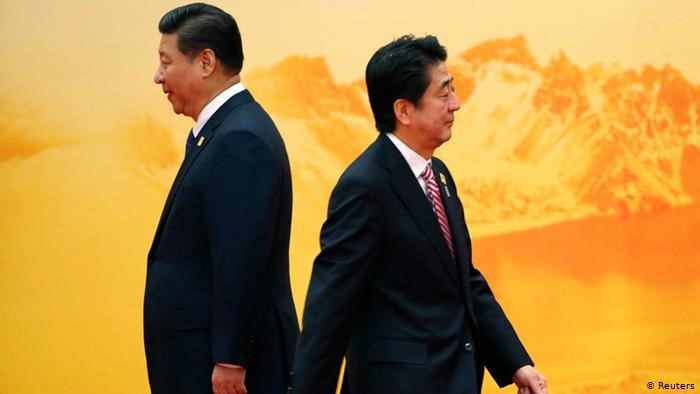
The Sino-Japanese competition in the Pacific Region

In recent years, a new wave of flare up in Sino-Japanese geostrategic competition in the Pacific has galvanised the region by adding traditional and new players into the equation. The once neglected region in the post-Cold War world order, ...

2147
Privatization of the ISRO - Critical Security Concerns
Space
Alok Kumar • Jun 21, 2020

Privatization of the ISRO - Critical Security Concerns

The recent debate started among the Indian policy makers and academicians what would be impact of the government decision regarding the entry of private players in the space sector. Most of them are in favour of the government initiative fo...

3813
Is U.S. regaining the Cam Ranh Bay?
Security
Gitanjali Sinha Roy • Jun 19, 2020

Is U.S. regaining the Cam Ranh Bay?

Cam Ranh Bay means ‘Sweet Stream’ which has always been the strategic point of interest since the 19th century as the French, Russian, Japanese and American navies used the wide, deep and protected natural harbours but also used it as a ref...

9688
China contemplating ADIZ in South China Sea
Security
Pankaj Jha • May 27, 2020

China contemplating ADIZ in South China Sea

China imposed the universal fishing ban in the South China Sea starting from May to mid-August for all fishermen from the Spratly islands claimant countries. Imposing a ban on fishing during catch season impacts the livelihood of fishermen....

5643
India- China border tensions and PLA ambitions
Military
Arjun • May 27, 2020

India- China border tensions and PLA ambitions

In the backdrop of the military scuffles that occurred in the past three weeks between India and China, palpable tensions have emerged in different sectors along the Line of Actual Control (LAC), specifically in the Ladakh theatre. The firs...

3320
China in the Pacific: A Threat?
World
Saber Salem • Apr 28, 2020

China in the Pacific: A Threat?

Over the past two decades, China has widened and deepened its economic and diplomatic footprint in the Pacific Island Countries (PICs). This unprecedented Chinese power posturing in the Blue Pacific region has caused trepidation in the corr...

1558
Submarine Cables, Espionage, and China
Intelligence
Ankit Malhotra • Apr 27, 2020

Submarine Cables, Espionage, and China

Deep in the oceans rest the arteries and veins which pump life into the 21st century as it did in the 19th and even 18th Century. These essentials are also, or, rather officially known as submarine cables. These cables are spread over 750 m...

3263
Displaying 157 - 168 of{' '} 173 results.

Discover more

Geopolitical Focus Areas