LIVE DISPATCH
• China's Surveillance Architecture in the Bay of Bengal and Its Strategic Implications • Europe’s Digital Dependence: Can the EU Achieve Strategic Autonomy? • A Reformer for an Institution in Decline: What does the Next Secretary-General Inherits? • Cuba’s Economic Crisis and Strategic Relevance: A Peripheral State in Renewed Great Power Competition • Silent Depths, Loud Signals: Nuclear Deterrence Infrastructure and the Crisis-Stability Costs of India’s Indo-Pacific Maritime Partnerships • Loss and Damage Finance: From COP28 Pledges to Policy Architecture • Securing India's Digital Frontiers: Cybersecurity Challenges and Strategic Responses in the Age of Hybrid Warfare • Beyond Consultation: BIMSTEC's Emerging Role in Regional Intelligence and Security Cooperation • Prism of Dragon’s Maritime Assertiveness: Regional Implications and India’s Strategic Options • Between the Desert and the Savannah: Conflict and the Political Economy of Instability in the Sahel • The Architecture of Cooperation: Navigating East Asia's Geopolitical Landscape • The Politics of Ali Khamenei's Funeral • From Civil Nuclear Power to Nuclear Hedging: Saudi Arabia, Iran and the Emerging Nuclear Security Dilemma in the Middle East • Operation Sindoor and the Changing Dynamics of India–Pakistan Security • The Invisible Front: China-Pakistan Grey-Zone Operations • Generative AI, Labour Sovereignty, and the Geoeconomics of India's Service Economy • India's Agentic AI Strategy Needs Authority Budgets before Autonomy Scales • India's AI Diplomacy and the Future of Strategic Technologies • From Physical Borders to Intelligent Borders: The Evolution of India's Border Security Architecture • Lethal Autonomous Weapons Systems and the Governance Deficit: Challenges to International Humanitarian Law and Accountability • AI Driven Cyberwarfare and National Security • Great Power Rivalry and the Crisis of the United Nations • The Continuing U.S. Regime-Change Toolkit: Color Revolutions, Political Influence, and Vietnam • Ten Years After Brexit: Regret, Reform, or Reversal? • Digital Pathways to Extremism: An Investigative Study of ISIS and Al-Qaeda's Use of Digital Platforms in India • Sports, Strategy and Statecraft of Mega Sporting Events as Geoeconomic Instruments: Qatar 2022 to Saudi Arabia 2034 • Strategic Autonomy in the Age of Weaponised Interdependence: India’s Geopolitical Dilemma • Hardening the Quad: From Strategic Dialogue to Operational Cooperation • China’s Grey-Zone Strategy in the Indian Ocean: Implications for India’s Maritime Security • The Maghreb of States: Identity, Sovereignty, and the Limits of Non-Interference • Beyond the Battlefield: Understanding Unconventional Security Challenges in Contemporary Geopolitics • Trapped in Deterrence: Nuclear Stability and the Persistence of Conflict in South Asia • Extended Deterrence Under Strain: Credibility, Assurance, and the Stability-Instability Paradox in the Indo-Pacific • Maritime India: Security, Trade, and Great Power Competition • Beyond Ukraine: Understanding Putin's Vision of Russian Power • Silicon Sovereignty: How Semiconductors Are Redrawing Global Power Hierarchies • The Negative Impact of US–Iran War on the Pacific Region • BRICS Expansion and the Multipolar Moment: Opportunity or Strategic Contradiction? • Foot-Dragging as Feminism: Iran, South Korea, and the Ungovernable Body • Beyond Proximity: Why the UAE Occupies a Growing Place in Iran’s Strategic Calculus • China's Surveillance Architecture in the Bay of Bengal and Its Strategic Implications • Europe’s Digital Dependence: Can the EU Achieve Strategic Autonomy? • A Reformer for an Institution in Decline: What does the Next Secretary-General Inherits? • Cuba’s Economic Crisis and Strategic Relevance: A Peripheral State in Renewed Great Power Competition • Silent Depths, Loud Signals: Nuclear Deterrence Infrastructure and the Crisis-Stability Costs of India’s Indo-Pacific Maritime Partnerships • Loss and Damage Finance: From COP28 Pledges to Policy Architecture • Securing India's Digital Frontiers: Cybersecurity Challenges and Strategic Responses in the Age of Hybrid Warfare • Beyond Consultation: BIMSTEC's Emerging Role in Regional Intelligence and Security Cooperation • Prism of Dragon’s Maritime Assertiveness: Regional Implications and India’s Strategic Options • Between the Desert and the Savannah: Conflict and the Political Economy of Instability in the Sahel • The Architecture of Cooperation: Navigating East Asia's Geopolitical Landscape • The Politics of Ali Khamenei's Funeral • From Civil Nuclear Power to Nuclear Hedging: Saudi Arabia, Iran and the Emerging Nuclear Security Dilemma in the Middle East • Operation Sindoor and the Changing Dynamics of India–Pakistan Security • The Invisible Front: China-Pakistan Grey-Zone Operations • Generative AI, Labour Sovereignty, and the Geoeconomics of India's Service Economy • India's Agentic AI Strategy Needs Authority Budgets before Autonomy Scales • India's AI Diplomacy and the Future of Strategic Technologies • From Physical Borders to Intelligent Borders: The Evolution of India's Border Security Architecture • Lethal Autonomous Weapons Systems and the Governance Deficit: Challenges to International Humanitarian Law and Accountability • AI Driven Cyberwarfare and National Security • Great Power Rivalry and the Crisis of the United Nations • The Continuing U.S. Regime-Change Toolkit: Color Revolutions, Political Influence, and Vietnam • Ten Years After Brexit: Regret, Reform, or Reversal? • Digital Pathways to Extremism: An Investigative Study of ISIS and Al-Qaeda's Use of Digital Platforms in India • Sports, Strategy and Statecraft of Mega Sporting Events as Geoeconomic Instruments: Qatar 2022 to Saudi Arabia 2034 • Strategic Autonomy in the Age of Weaponised Interdependence: India’s Geopolitical Dilemma • Hardening the Quad: From Strategic Dialogue to Operational Cooperation • China’s Grey-Zone Strategy in the Indian Ocean: Implications for India’s Maritime Security • The Maghreb of States: Identity, Sovereignty, and the Limits of Non-Interference • Beyond the Battlefield: Understanding Unconventional Security Challenges in Contemporary Geopolitics • Trapped in Deterrence: Nuclear Stability and the Persistence of Conflict in South Asia • Extended Deterrence Under Strain: Credibility, Assurance, and the Stability-Instability Paradox in the Indo-Pacific • Maritime India: Security, Trade, and Great Power Competition • Beyond Ukraine: Understanding Putin's Vision of Russian Power • Silicon Sovereignty: How Semiconductors Are Redrawing Global Power Hierarchies • The Negative Impact of US–Iran War on the Pacific Region • BRICS Expansion and the Multipolar Moment: Opportunity or Strategic Contradiction? • Foot-Dragging as Feminism: Iran, South Korea, and the Ungovernable Body • Beyond Proximity: Why the UAE Occupies a Growing Place in Iran’s Strategic Calculus

Search CeSCube Intelligence Archives

Search Results for “China India Strategic Competition”

135 total results found
China – US: The Battle for Undersea Supremacy
Security
Shashank Semwal • Jul 12, 2025

China – US: The Battle for Undersea Supremacy

Undersea cables are the new frontier of competition between China and the United States and the fight is towards achieving dominance. Superiority, if achieved by either in this realm could lead to military and economic dominance for decades...

4602
Russia and China Arms Trade: New Possibilities
Military
Samikshya Das • May 14, 2024

Russia and China Arms Trade: New Possibilities

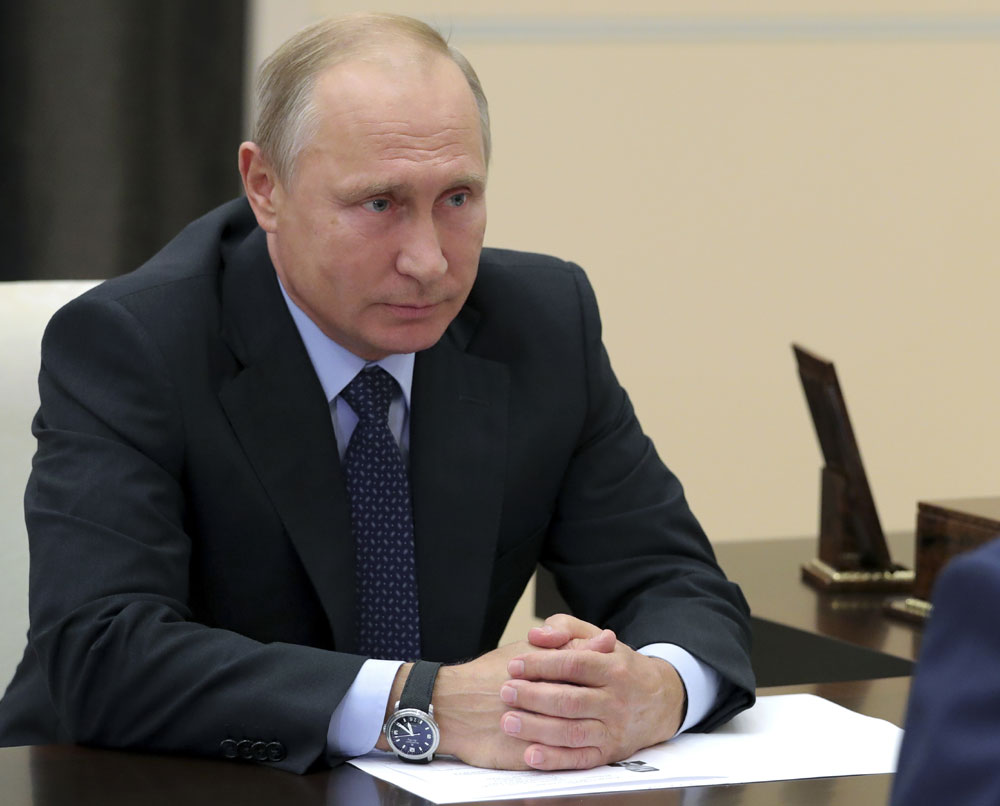
Russian President Vladimir Putin has replaced Sergei Shoigu as defense minister, marking a significant Cabinet shakeup at the start of his fifth term. Shoigu will now serve as secretary of Russia’s Security Council. The move comes as Andrei...

16247
Displaying 49 - 60 of{' '} 135 results.

Discover more

Geopolitical Focus Areas