LIVE DISPATCH
• Prism of Dragon’s Maritime Assertiveness: Regional Implications and India’s Strategic Options • Between the Desert and the Savannah: Conflict and the Political Economy of Instability in the Sahel • The Architecture of Cooperation: Navigating East Asia's Geopolitical Landscape • The Politics of Ali Khamenei's Funeral • From Civil Nuclear Power to Nuclear Hedging: Saudi Arabia, Iran and the Emerging Nuclear Security Dilemma in the Middle East • Operation Sindoor and the Changing Dynamics of India–Pakistan Security • The Invisible Front: China-Pakistan Grey-Zone Operations • Generative AI, Labour Sovereignty, and the Geoeconomics of India's Service Economy • India's Agentic AI Strategy Needs Authority Budgets before Autonomy Scales • India's AI Diplomacy and the Future of Strategic Technologies • From Physical Borders to Intelligent Borders: The Evolution of India's Border Security Architecture • Lethal Autonomous Weapons Systems and the Governance Deficit: Challenges to International Humanitarian Law and Accountability • AI Driven Cyberwarfare and National Security • Great Power Rivalry and the Crisis of the United Nations • The Continuing U.S. Regime-Change Toolkit: Color Revolutions, Political Influence, and Vietnam • Ten Years After Brexit: Regret, Reform, or Reversal? • Digital Pathways to Extremism: An Investigative Study of ISIS and Al-Qaeda's Use of Digital Platforms in India • Sports, Strategy and Statecraft of Mega Sporting Events as Geoeconomic Instruments: Qatar 2022 to Saudi Arabia 2034 • Strategic Autonomy in the Age of Weaponised Interdependence: India’s Geopolitical Dilemma • Hardening the Quad: From Strategic Dialogue to Operational Cooperation • China’s Grey-Zone Strategy in the Indian Ocean: Implications for India’s Maritime Security • The Maghreb of States: Identity, Sovereignty, and the Limits of Non-Interference • Europe’s Digital Dependence: Can the EU Achieve Strategic Autonomy? • Beyond the Battlefield: Understanding Unconventional Security Challenges in Contemporary Geopolitics • Cuba’s Economic Crisis and Strategic Relevance: A Peripheral State in Renewed Great Power Competition • Trapped in Deterrence: Nuclear Stability and the Persistence of Conflict in South Asia • Loss and Damage Finance: From COP28 Pledges to Policy Architecture • Extended Deterrence Under Strain: Credibility, Assurance, and the Stability-Instability Paradox in the Indo-Pacific • Beyond Consultation: BIMSTEC's Emerging Role in Regional Intelligence and Security Cooperation • Maritime India: Security, Trade, and Great Power Competition • Beyond Ukraine: Understanding Putin's Vision of Russian Power • Silicon Sovereignty: How Semiconductors Are Redrawing Global Power Hierarchies • The Negative Impact of US–Iran War on the Pacific Region • BRICS Expansion and the Multipolar Moment: Opportunity or Strategic Contradiction? • Foot-Dragging as Feminism: Iran, South Korea, and the Ungovernable Body • Beyond Proximity: Why the UAE Occupies a Growing Place in Iran’s Strategic Calculus • Why Fiji Matters: The New Geopolitics of the Indo-Pacific Islands • The Long Shadow of 1953: Understanding the Iran–US Conflict • Border Fencing and National security: India’s Strategy along the Bangladesh Border • Lingering Effects of the Bush Doctrine on Contemporary US Foreign Policy • Prism of Dragon’s Maritime Assertiveness: Regional Implications and India’s Strategic Options • Between the Desert and the Savannah: Conflict and the Political Economy of Instability in the Sahel • The Architecture of Cooperation: Navigating East Asia's Geopolitical Landscape • The Politics of Ali Khamenei's Funeral • From Civil Nuclear Power to Nuclear Hedging: Saudi Arabia, Iran and the Emerging Nuclear Security Dilemma in the Middle East • Operation Sindoor and the Changing Dynamics of India–Pakistan Security • The Invisible Front: China-Pakistan Grey-Zone Operations • Generative AI, Labour Sovereignty, and the Geoeconomics of India's Service Economy • India's Agentic AI Strategy Needs Authority Budgets before Autonomy Scales • India's AI Diplomacy and the Future of Strategic Technologies • From Physical Borders to Intelligent Borders: The Evolution of India's Border Security Architecture • Lethal Autonomous Weapons Systems and the Governance Deficit: Challenges to International Humanitarian Law and Accountability • AI Driven Cyberwarfare and National Security • Great Power Rivalry and the Crisis of the United Nations • The Continuing U.S. Regime-Change Toolkit: Color Revolutions, Political Influence, and Vietnam • Ten Years After Brexit: Regret, Reform, or Reversal? • Digital Pathways to Extremism: An Investigative Study of ISIS and Al-Qaeda's Use of Digital Platforms in India • Sports, Strategy and Statecraft of Mega Sporting Events as Geoeconomic Instruments: Qatar 2022 to Saudi Arabia 2034 • Strategic Autonomy in the Age of Weaponised Interdependence: India’s Geopolitical Dilemma • Hardening the Quad: From Strategic Dialogue to Operational Cooperation • China’s Grey-Zone Strategy in the Indian Ocean: Implications for India’s Maritime Security • The Maghreb of States: Identity, Sovereignty, and the Limits of Non-Interference • Europe’s Digital Dependence: Can the EU Achieve Strategic Autonomy? • Beyond the Battlefield: Understanding Unconventional Security Challenges in Contemporary Geopolitics • Cuba’s Economic Crisis and Strategic Relevance: A Peripheral State in Renewed Great Power Competition • Trapped in Deterrence: Nuclear Stability and the Persistence of Conflict in South Asia • Loss and Damage Finance: From COP28 Pledges to Policy Architecture • Extended Deterrence Under Strain: Credibility, Assurance, and the Stability-Instability Paradox in the Indo-Pacific • Beyond Consultation: BIMSTEC's Emerging Role in Regional Intelligence and Security Cooperation • Maritime India: Security, Trade, and Great Power Competition • Beyond Ukraine: Understanding Putin's Vision of Russian Power • Silicon Sovereignty: How Semiconductors Are Redrawing Global Power Hierarchies • The Negative Impact of US–Iran War on the Pacific Region • BRICS Expansion and the Multipolar Moment: Opportunity or Strategic Contradiction? • Foot-Dragging as Feminism: Iran, South Korea, and the Ungovernable Body • Beyond Proximity: Why the UAE Occupies a Growing Place in Iran’s Strategic Calculus • Why Fiji Matters: The New Geopolitics of the Indo-Pacific Islands • The Long Shadow of 1953: Understanding the Iran–US Conflict • Border Fencing and National security: India’s Strategy along the Bangladesh Border • Lingering Effects of the Bush Doctrine on Contemporary US Foreign Policy

Search CeSCube Intelligence Archives

Search Results for “China India Relations”

396 total results found
ADVERTISEMENT
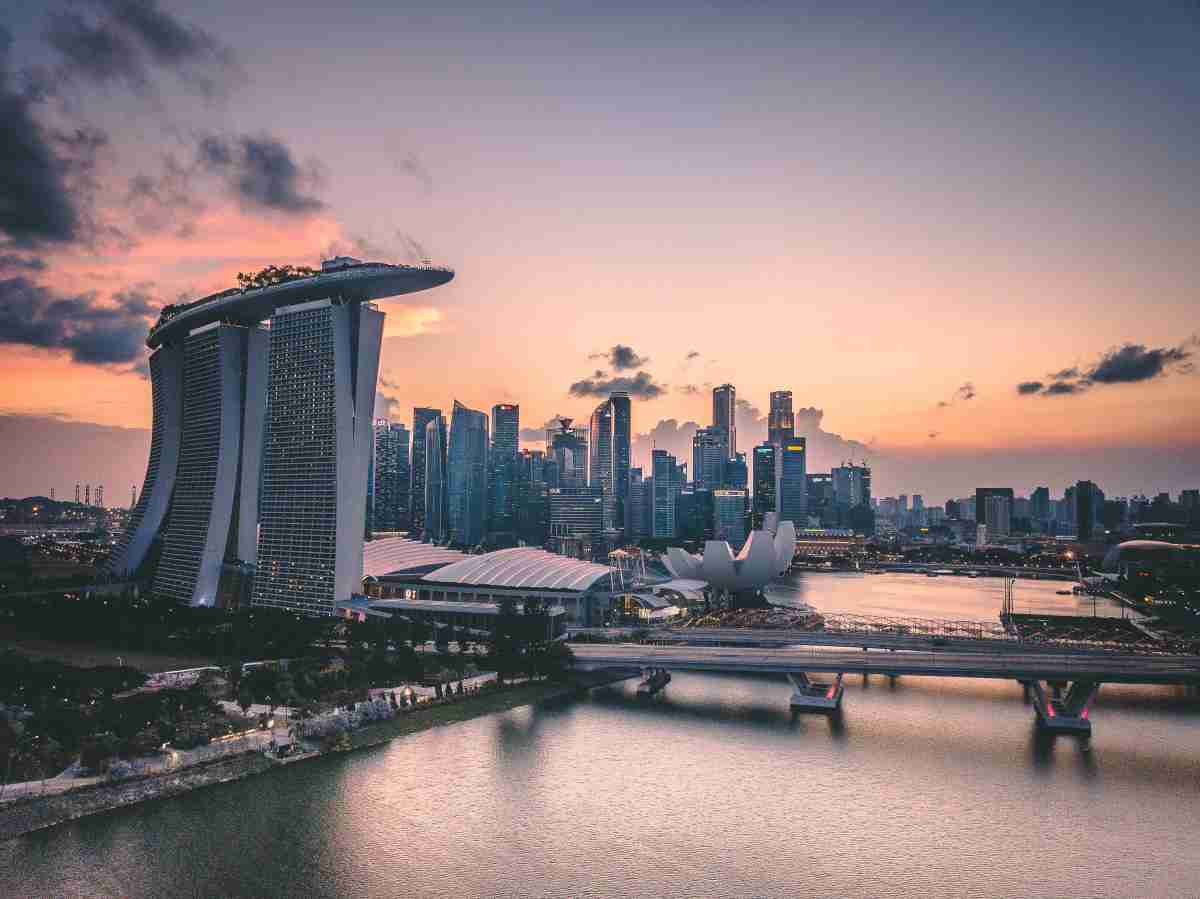
India Singapore Defence Cooperation
Military
Krupa Vasani • Apr 21, 2021

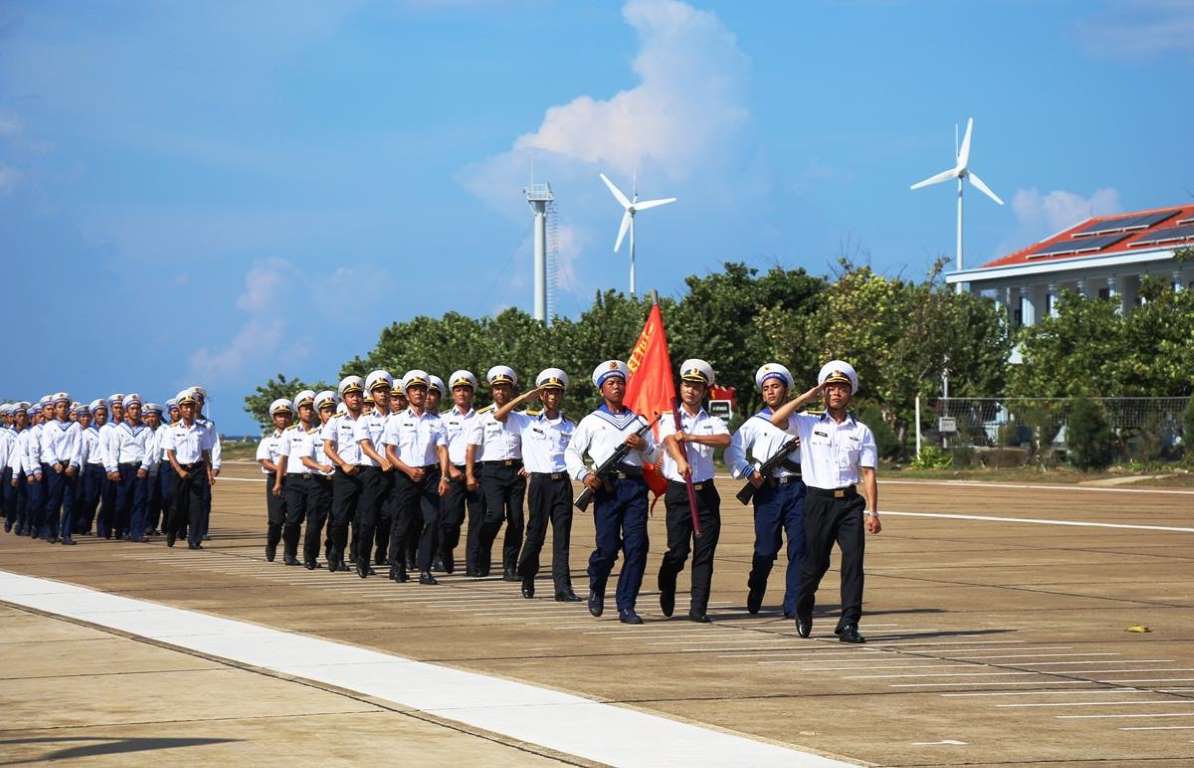
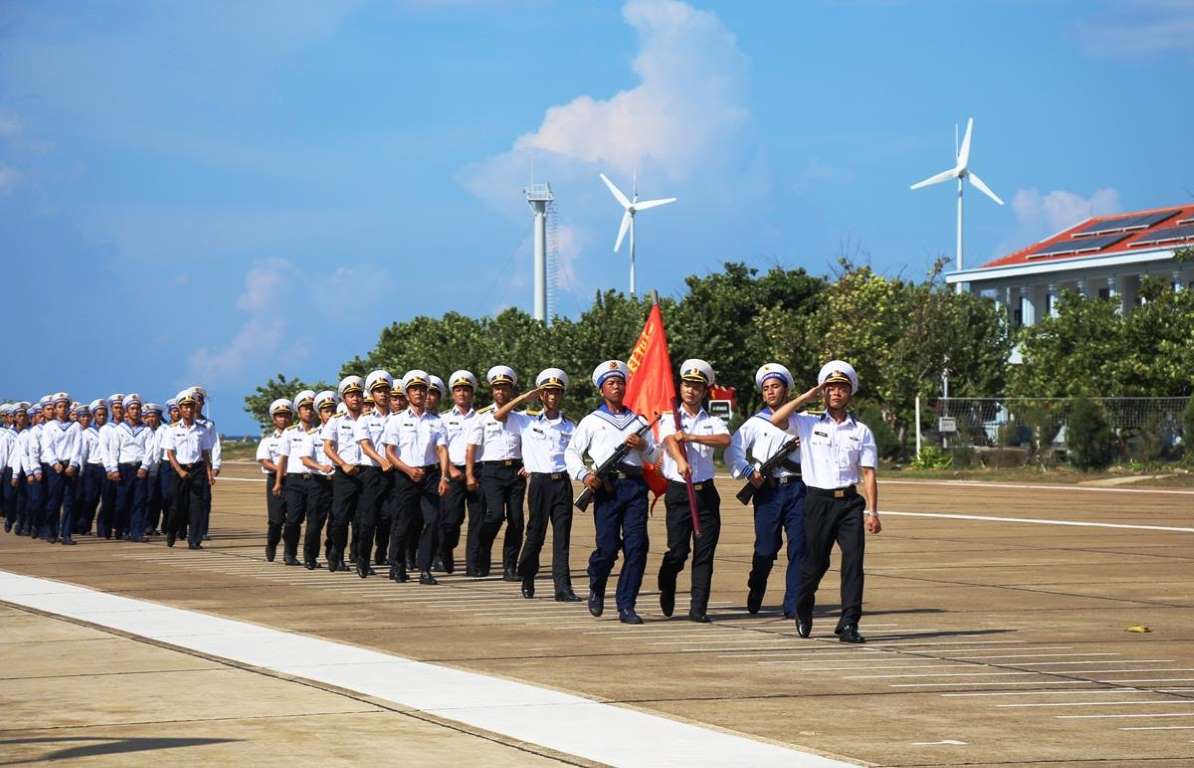
India Singapore Defence Cooperation

India and Singapore have a longstanding partnership in the field of defence cooperation. Covering three major areas - armed forces, defence technology cooperation and maritime security, India-Singapore defence relationship have become stron...

2545

Indonesia -US relations under President Jokowi
Politics
Aastha Saluja • Apr 17, 2021

Indonesia -US relations under President Jokowi

US – Indonesia relations underwent a major twist of change when United States under Obama administration recognized the critical importance of Asia Pacific region and Indonesia under President Joko Widodo strengthened its commitment to the ...

2753
Geo-political significance of Wakhan Corridor
World
Mahima Chouhan • Apr 6, 2021

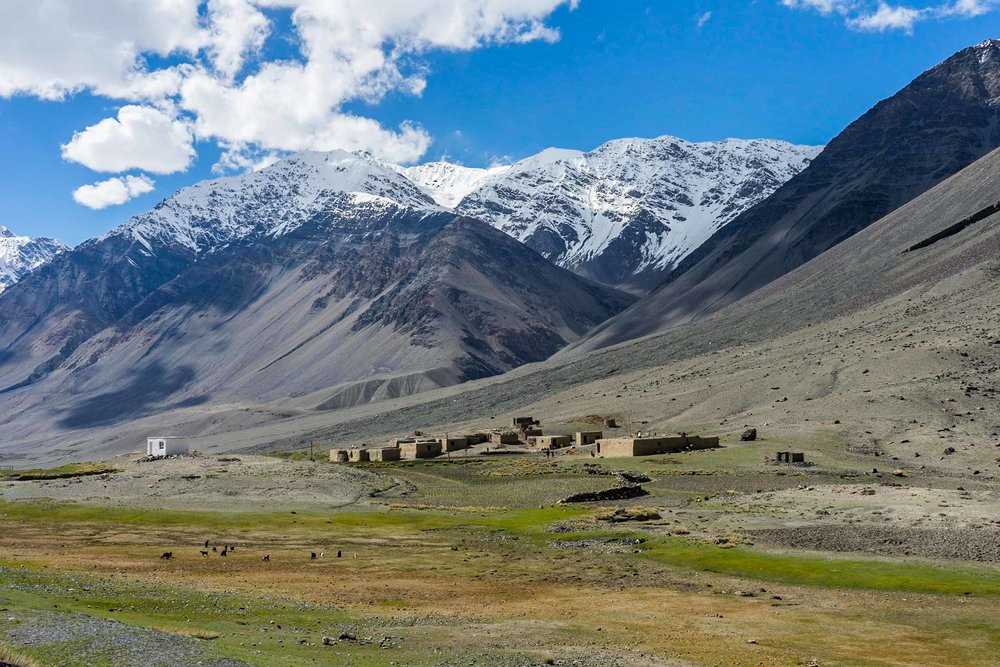
Geo-political significance of Wakhan Corridor

The Wakhan Corridor, that has acted as a confluence point of the Silk Route, is a protruding strip of narrow land of eastern Afghanistan adjoined by Tajikistan in the north and Pakistan Occupied Kashmir(PoK) in the south stretching till Chi...

6421
Indian Projects in Iran-A Status Update
Politics
Ragini Kashyap • Mar 29, 2021

Indian Projects in Iran-A Status Update

The current developments have brought the Sino-Indian rivalry to the theatres of West Asia. The news leak of China's strategic agreement worth $400 billion with Tehran for 25 years was soon followed by the announcement of Tehran to go solo ...

2319
Fallout of Iran nuclear deal and the way forward
Nuclear
Abhijeet Nehra • Mar 1, 2021

Fallout of Iran nuclear deal and the way forward

Iran’s uranium intensification is undoubtedly linked to the covenant with the nuclear group. Not long ago, Tehran decided to enlarge atomic advancement after the Trump administration unilaterally decided to scrap the treaty and re-imposed s...

2493
Why India is interested in Visegrad countries?
Business
Sankalp Sreenath • Feb 26, 2021

Why India is interested in Visegrad countries?

Visegrad countries have become important for Indian foreign policy in recent times. The visit of Indian Minister of External Affairs Dr S. Jaishankar to Hungary and Poland in August 2019 sheds light on India’s engagement with central Europe...

1527
Displaying 289 - 300 of{' '} 396 results.

Discover more

Geopolitical Focus Areas