
LIVE DISPATCH
• Prism of Dragon’s Maritime Assertiveness: Regional Implications and India’s Strategic Options • Between the Desert and the Savannah: Conflict and the Political Economy of Instability in the Sahel • The Architecture of Cooperation: Navigating East Asia's Geopolitical Landscape • The Politics of Ali Khamenei's Funeral • From Civil Nuclear Power to Nuclear Hedging: Saudi Arabia, Iran and the Emerging Nuclear Security Dilemma in the Middle East • Operation Sindoor and the Changing Dynamics of India–Pakistan Security • The Invisible Front: China-Pakistan Grey-Zone Operations • Generative AI, Labour Sovereignty, and the Geoeconomics of India's Service Economy • India's Agentic AI Strategy Needs Authority Budgets before Autonomy Scales • India's AI Diplomacy and the Future of Strategic Technologies • From Physical Borders to Intelligent Borders: The Evolution of India's Border Security Architecture • Lethal Autonomous Weapons Systems and the Governance Deficit: Challenges to International Humanitarian Law and Accountability • AI Driven Cyberwarfare and National Security • Great Power Rivalry and the Crisis of the United Nations • The Continuing U.S. Regime-Change Toolkit: Color Revolutions, Political Influence, and Vietnam • Ten Years After Brexit: Regret, Reform, or Reversal? • Digital Pathways to Extremism: An Investigative Study of ISIS and Al-Qaeda's Use of Digital Platforms in India • Sports, Strategy and Statecraft of Mega Sporting Events as Geoeconomic Instruments: Qatar 2022 to Saudi Arabia 2034 • Strategic Autonomy in the Age of Weaponised Interdependence: India’s Geopolitical Dilemma • Hardening the Quad: From Strategic Dialogue to Operational Cooperation • China’s Grey-Zone Strategy in the Indian Ocean: Implications for India’s Maritime Security • The Maghreb of States: Identity, Sovereignty, and the Limits of Non-Interference • Europe’s Digital Dependence: Can the EU Achieve Strategic Autonomy? • Beyond the Battlefield: Understanding Unconventional Security Challenges in Contemporary Geopolitics • Cuba’s Economic Crisis and Strategic Relevance: A Peripheral State in Renewed Great Power Competition • Trapped in Deterrence: Nuclear Stability and the Persistence of Conflict in South Asia • Loss and Damage Finance: From COP28 Pledges to Policy Architecture • Extended Deterrence Under Strain: Credibility, Assurance, and the Stability-Instability Paradox in the Indo-Pacific • Beyond Consultation: BIMSTEC's Emerging Role in Regional Intelligence and Security Cooperation • Maritime India: Security, Trade, and Great Power Competition • Beyond Ukraine: Understanding Putin's Vision of Russian Power • Silicon Sovereignty: How Semiconductors Are Redrawing Global Power Hierarchies • The Negative Impact of US–Iran War on the Pacific Region • BRICS Expansion and the Multipolar Moment: Opportunity or Strategic Contradiction? • Foot-Dragging as Feminism: Iran, South Korea, and the Ungovernable Body • Beyond Proximity: Why the UAE Occupies a Growing Place in Iran’s Strategic Calculus • Why Fiji Matters: The New Geopolitics of the Indo-Pacific Islands • The Long Shadow of 1953: Understanding the Iran–US Conflict • Border Fencing and National security: India’s Strategy along the Bangladesh Border • Lingering Effects of the Bush Doctrine on Contemporary US Foreign Policy • Prism of Dragon’s Maritime Assertiveness: Regional Implications and India’s Strategic Options • Between the Desert and the Savannah: Conflict and the Political Economy of Instability in the Sahel • The Architecture of Cooperation: Navigating East Asia's Geopolitical Landscape • The Politics of Ali Khamenei's Funeral • From Civil Nuclear Power to Nuclear Hedging: Saudi Arabia, Iran and the Emerging Nuclear Security Dilemma in the Middle East • Operation Sindoor and the Changing Dynamics of India–Pakistan Security • The Invisible Front: China-Pakistan Grey-Zone Operations • Generative AI, Labour Sovereignty, and the Geoeconomics of India's Service Economy • India's Agentic AI Strategy Needs Authority Budgets before Autonomy Scales • India's AI Diplomacy and the Future of Strategic Technologies • From Physical Borders to Intelligent Borders: The Evolution of India's Border Security Architecture • Lethal Autonomous Weapons Systems and the Governance Deficit: Challenges to International Humanitarian Law and Accountability • AI Driven Cyberwarfare and National Security • Great Power Rivalry and the Crisis of the United Nations • The Continuing U.S. Regime-Change Toolkit: Color Revolutions, Political Influence, and Vietnam • Ten Years After Brexit: Regret, Reform, or Reversal? • Digital Pathways to Extremism: An Investigative Study of ISIS and Al-Qaeda's Use of Digital Platforms in India • Sports, Strategy and Statecraft of Mega Sporting Events as Geoeconomic Instruments: Qatar 2022 to Saudi Arabia 2034 • Strategic Autonomy in the Age of Weaponised Interdependence: India’s Geopolitical Dilemma • Hardening the Quad: From Strategic Dialogue to Operational Cooperation • China’s Grey-Zone Strategy in the Indian Ocean: Implications for India’s Maritime Security • The Maghreb of States: Identity, Sovereignty, and the Limits of Non-Interference • Europe’s Digital Dependence: Can the EU Achieve Strategic Autonomy? • Beyond the Battlefield: Understanding Unconventional Security Challenges in Contemporary Geopolitics • Cuba’s Economic Crisis and Strategic Relevance: A Peripheral State in Renewed Great Power Competition • Trapped in Deterrence: Nuclear Stability and the Persistence of Conflict in South Asia • Loss and Damage Finance: From COP28 Pledges to Policy Architecture • Extended Deterrence Under Strain: Credibility, Assurance, and the Stability-Instability Paradox in the Indo-Pacific • Beyond Consultation: BIMSTEC's Emerging Role in Regional Intelligence and Security Cooperation • Maritime India: Security, Trade, and Great Power Competition • Beyond Ukraine: Understanding Putin's Vision of Russian Power • Silicon Sovereignty: How Semiconductors Are Redrawing Global Power Hierarchies • The Negative Impact of US–Iran War on the Pacific Region • BRICS Expansion and the Multipolar Moment: Opportunity or Strategic Contradiction? • Foot-Dragging as Feminism: Iran, South Korea, and the Ungovernable Body • Beyond Proximity: Why the UAE Occupies a Growing Place in Iran’s Strategic Calculus • Why Fiji Matters: The New Geopolitics of the Indo-Pacific Islands • The Long Shadow of 1953: Understanding the Iran–US Conflict • Border Fencing and National security: India’s Strategy along the Bangladesh Border • Lingering Effects of the Bush Doctrine on Contemporary US Foreign Policy

Search CeSCube Intelligence Archives

Search Results for “China India Relations”

396 total results found
ADVERTISEMENT
India’s Taiwan opportunity
Politics
Gaurav Sen • Jul 18, 2021

India’s Taiwan opportunity

Apart from sharing the common threat that China presents in front of these countries, India and Taiwan shares so much in common. India and Taiwan are natural allies both shares the democratic values, uphold rule of law and human rights. Ind...

2293
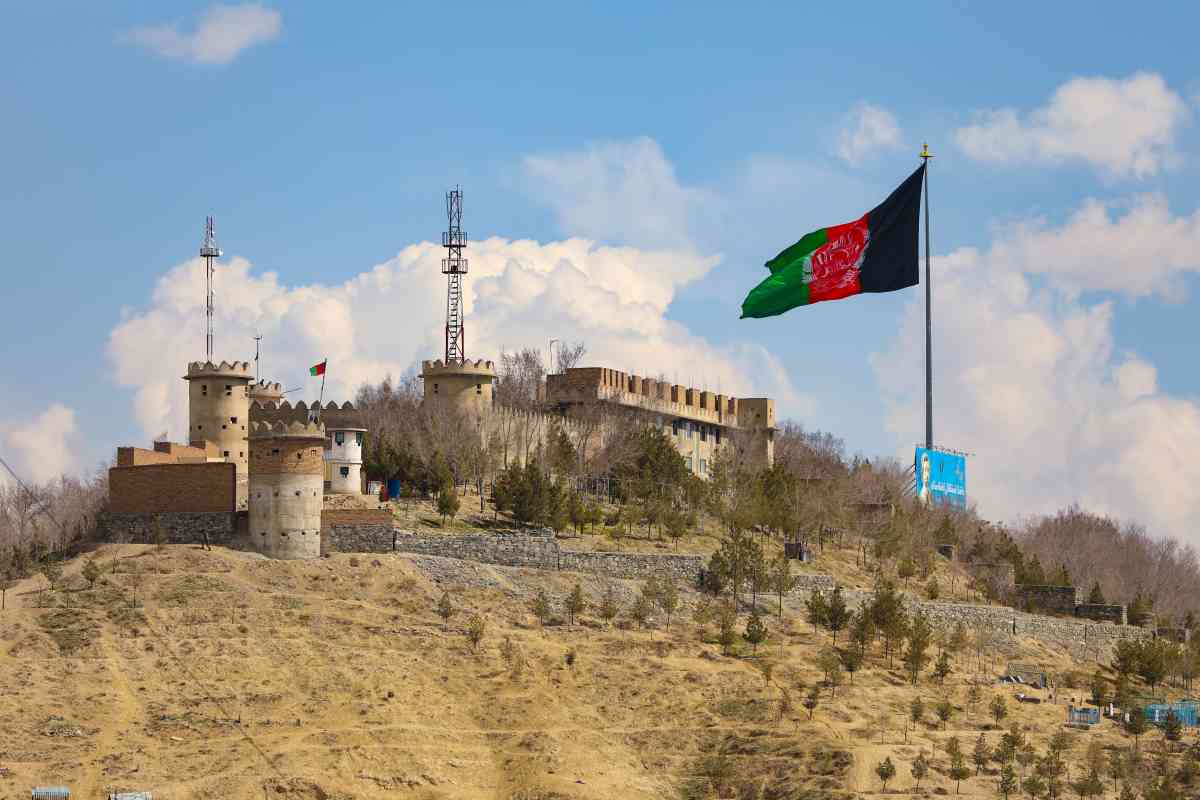
Canada’s approach towards Indo-Pacific Construct
Security
Aastha Saluja • Jun 28, 2021

Canada’s approach towards Indo-Pacific Construct

Indo-Pacific in the recent times has emerged as the engine of economic growth, bordering significant bilateral and multilateral ties such as the Comprehensive and Progressive Transpacific Partnership (CPTPP) and the Regional Comprehensive E...

2040
Japan’s Space Ambitions
Space
Gaurav Sen • Jun 21, 2021

Japan’s Space Ambitions

Historically, space has been the exclusive domain for the government and multinational projects, although this situation has been altered by the increasing ventures of the private sector dubbed as the ‘New Space’. New Space is basically the...

3261
Post Abe phase in India-Japan Relations
Politics
Gaurav Sen • Jun 16, 2021

Post Abe phase in India-Japan Relations

India and Japan are adjusting their policies according to the changes in the greater Indo-Pacific, with the new geopolitical scenario in which China emerges as the primary source of threat for both the nations. India and Japan, both looking...

1563
Reimagining BRICS in a Post-COVID World
Politics
Apoorva Jain • Jun 8, 2021

Reimagining BRICS in a Post-COVID World

India entered the month of June with a virtual meeting between the Foreign Ministers of the BRICS nations. Attended by the Brazilian Foreign Minister Carlos Alberto Franco, Russia’s Foreign Minister Sergey Lavrov, External Affairs Minister ...

1815
India’s Strategy in Deep Seabed Mining
Technology
Nikita Vats • Jun 7, 2021

India’s Strategy in Deep Seabed Mining

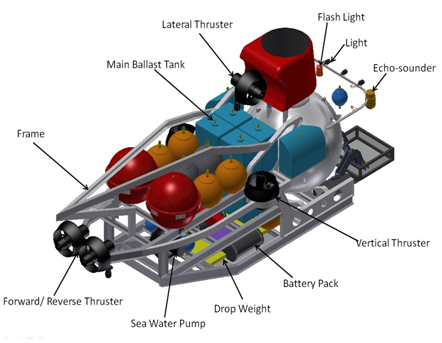
In the depth of the oceans, there is a huge availability of the minerals which are very critical for the usage of modern technological systems. Starting from mobile phones to renewable energy systems like electric cars, deep-sea minerals ar...

3881
Chinese activities in the East Coast of Africa
Business
Abhijeet Nehra • Jun 7, 2021

Chinese activities in the East Coast of Africa

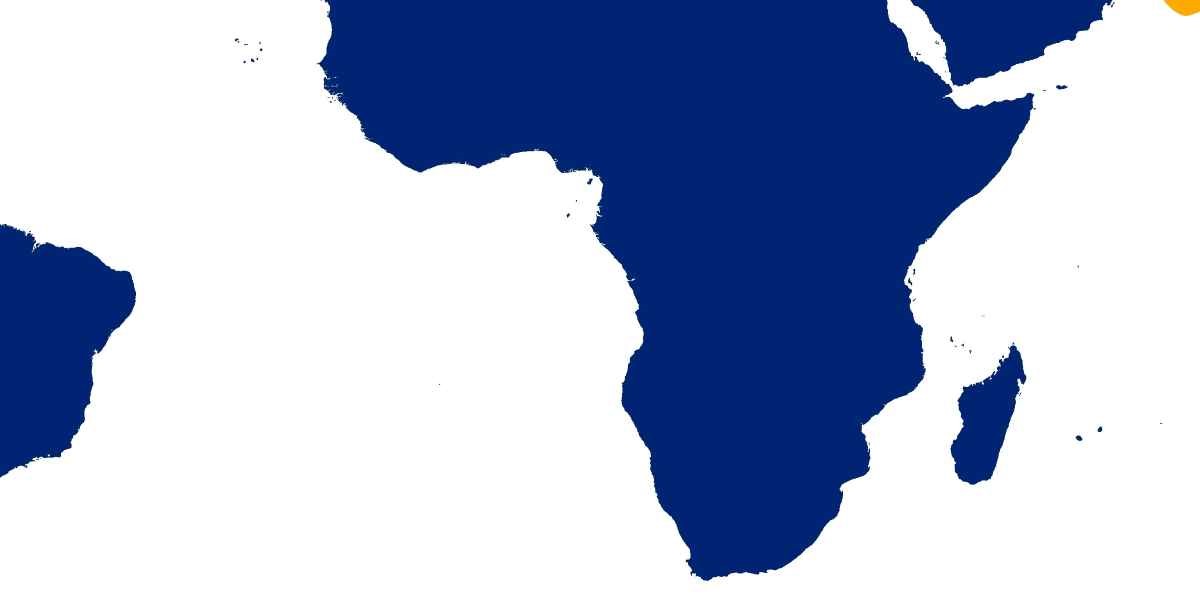
China just like the countless number of powers before it, is taking advantage of the Africa’s underdevelopment. Africa is closer to China today than it is to the United States and the European Union as Beijing’s aid does not come with condi...

1942
India- Malaysia Defence Cooperation
Military
Jyot Shikhar Singh • Jun 3, 2021

India- Malaysia Defence Cooperation

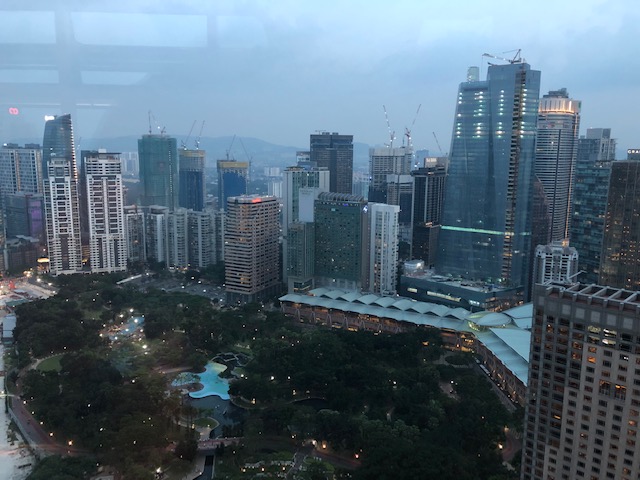
India- Malaysia defence relations are crucial for both the nations’ security and strategic dynamics in East Asia and Southeast Asia. India’s interest in East Asia has been previously elaborated by its Look East Policy which was ratified in ...

2363
Displaying 265 - 276 of{' '} 396 results.

Discover more

Geopolitical Focus Areas