LIVE DISPATCH
• Silent Depths, Loud Signals: Nuclear Deterrence Infrastructure and the Crisis-Stability Costs of India’s Indo-Pacific Maritime Partnerships • Loss and Damage Finance: From COP28 Pledges to Policy Architecture • Securing India's Digital Frontiers: Cybersecurity Challenges and Strategic Responses in the Age of Hybrid Warfare • Beyond Consultation: BIMSTEC's Emerging Role in Regional Intelligence and Security Cooperation • Prism of Dragon’s Maritime Assertiveness: Regional Implications and India’s Strategic Options • Between the Desert and the Savannah: Conflict and the Political Economy of Instability in the Sahel • The Architecture of Cooperation: Navigating East Asia's Geopolitical Landscape • The Politics of Ali Khamenei's Funeral • From Civil Nuclear Power to Nuclear Hedging: Saudi Arabia, Iran and the Emerging Nuclear Security Dilemma in the Middle East • Operation Sindoor and the Changing Dynamics of India–Pakistan Security • The Invisible Front: China-Pakistan Grey-Zone Operations • Generative AI, Labour Sovereignty, and the Geoeconomics of India's Service Economy • India's Agentic AI Strategy Needs Authority Budgets before Autonomy Scales • India's AI Diplomacy and the Future of Strategic Technologies • From Physical Borders to Intelligent Borders: The Evolution of India's Border Security Architecture • Lethal Autonomous Weapons Systems and the Governance Deficit: Challenges to International Humanitarian Law and Accountability • AI Driven Cyberwarfare and National Security • Great Power Rivalry and the Crisis of the United Nations • The Continuing U.S. Regime-Change Toolkit: Color Revolutions, Political Influence, and Vietnam • Ten Years After Brexit: Regret, Reform, or Reversal? • Digital Pathways to Extremism: An Investigative Study of ISIS and Al-Qaeda's Use of Digital Platforms in India • Sports, Strategy and Statecraft of Mega Sporting Events as Geoeconomic Instruments: Qatar 2022 to Saudi Arabia 2034 • Strategic Autonomy in the Age of Weaponised Interdependence: India’s Geopolitical Dilemma • Hardening the Quad: From Strategic Dialogue to Operational Cooperation • China’s Grey-Zone Strategy in the Indian Ocean: Implications for India’s Maritime Security • The Maghreb of States: Identity, Sovereignty, and the Limits of Non-Interference • Europe’s Digital Dependence: Can the EU Achieve Strategic Autonomy? • Beyond the Battlefield: Understanding Unconventional Security Challenges in Contemporary Geopolitics • Cuba’s Economic Crisis and Strategic Relevance: A Peripheral State in Renewed Great Power Competition • Trapped in Deterrence: Nuclear Stability and the Persistence of Conflict in South Asia • Extended Deterrence Under Strain: Credibility, Assurance, and the Stability-Instability Paradox in the Indo-Pacific • Maritime India: Security, Trade, and Great Power Competition • Beyond Ukraine: Understanding Putin's Vision of Russian Power • Silicon Sovereignty: How Semiconductors Are Redrawing Global Power Hierarchies • The Negative Impact of US–Iran War on the Pacific Region • BRICS Expansion and the Multipolar Moment: Opportunity or Strategic Contradiction? • Foot-Dragging as Feminism: Iran, South Korea, and the Ungovernable Body • Beyond Proximity: Why the UAE Occupies a Growing Place in Iran’s Strategic Calculus • Why Fiji Matters: The New Geopolitics of the Indo-Pacific Islands • The Long Shadow of 1953: Understanding the Iran–US Conflict • Silent Depths, Loud Signals: Nuclear Deterrence Infrastructure and the Crisis-Stability Costs of India’s Indo-Pacific Maritime Partnerships • Loss and Damage Finance: From COP28 Pledges to Policy Architecture • Securing India's Digital Frontiers: Cybersecurity Challenges and Strategic Responses in the Age of Hybrid Warfare • Beyond Consultation: BIMSTEC's Emerging Role in Regional Intelligence and Security Cooperation • Prism of Dragon’s Maritime Assertiveness: Regional Implications and India’s Strategic Options • Between the Desert and the Savannah: Conflict and the Political Economy of Instability in the Sahel • The Architecture of Cooperation: Navigating East Asia's Geopolitical Landscape • The Politics of Ali Khamenei's Funeral • From Civil Nuclear Power to Nuclear Hedging: Saudi Arabia, Iran and the Emerging Nuclear Security Dilemma in the Middle East • Operation Sindoor and the Changing Dynamics of India–Pakistan Security • The Invisible Front: China-Pakistan Grey-Zone Operations • Generative AI, Labour Sovereignty, and the Geoeconomics of India's Service Economy • India's Agentic AI Strategy Needs Authority Budgets before Autonomy Scales • India's AI Diplomacy and the Future of Strategic Technologies • From Physical Borders to Intelligent Borders: The Evolution of India's Border Security Architecture • Lethal Autonomous Weapons Systems and the Governance Deficit: Challenges to International Humanitarian Law and Accountability • AI Driven Cyberwarfare and National Security • Great Power Rivalry and the Crisis of the United Nations • The Continuing U.S. Regime-Change Toolkit: Color Revolutions, Political Influence, and Vietnam • Ten Years After Brexit: Regret, Reform, or Reversal? • Digital Pathways to Extremism: An Investigative Study of ISIS and Al-Qaeda's Use of Digital Platforms in India • Sports, Strategy and Statecraft of Mega Sporting Events as Geoeconomic Instruments: Qatar 2022 to Saudi Arabia 2034 • Strategic Autonomy in the Age of Weaponised Interdependence: India’s Geopolitical Dilemma • Hardening the Quad: From Strategic Dialogue to Operational Cooperation • China’s Grey-Zone Strategy in the Indian Ocean: Implications for India’s Maritime Security • The Maghreb of States: Identity, Sovereignty, and the Limits of Non-Interference • Europe’s Digital Dependence: Can the EU Achieve Strategic Autonomy? • Beyond the Battlefield: Understanding Unconventional Security Challenges in Contemporary Geopolitics • Cuba’s Economic Crisis and Strategic Relevance: A Peripheral State in Renewed Great Power Competition • Trapped in Deterrence: Nuclear Stability and the Persistence of Conflict in South Asia • Extended Deterrence Under Strain: Credibility, Assurance, and the Stability-Instability Paradox in the Indo-Pacific • Maritime India: Security, Trade, and Great Power Competition • Beyond Ukraine: Understanding Putin's Vision of Russian Power • Silicon Sovereignty: How Semiconductors Are Redrawing Global Power Hierarchies • The Negative Impact of US–Iran War on the Pacific Region • BRICS Expansion and the Multipolar Moment: Opportunity or Strategic Contradiction? • Foot-Dragging as Feminism: Iran, South Korea, and the Ungovernable Body • Beyond Proximity: Why the UAE Occupies a Growing Place in Iran’s Strategic Calculus • Why Fiji Matters: The New Geopolitics of the Indo-Pacific Islands • The Long Shadow of 1953: Understanding the Iran–US Conflict

Search CeSCube Intelligence Archives

Search Results for “Crisis Stability”

184 total results found
ADVERTISEMENT
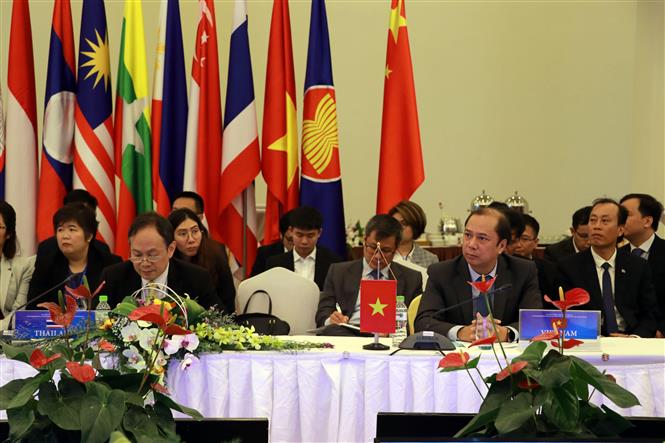
ASEAN Summit Meetings 2021: Major Takeaways
Politics
Apoorva Jain • Nov 4, 2021

ASEAN Summit Meetings 2021: Major Takeaways

The Association of Southeast Asian Nations (ASEAN) recently held its 38th and 39th summit meetings from 26th October to 28th October 2021. Under the theme "We Care, We Prepare, We Prosper", Brunei Darussalam took over the ASEAN Chairmanship...

2407

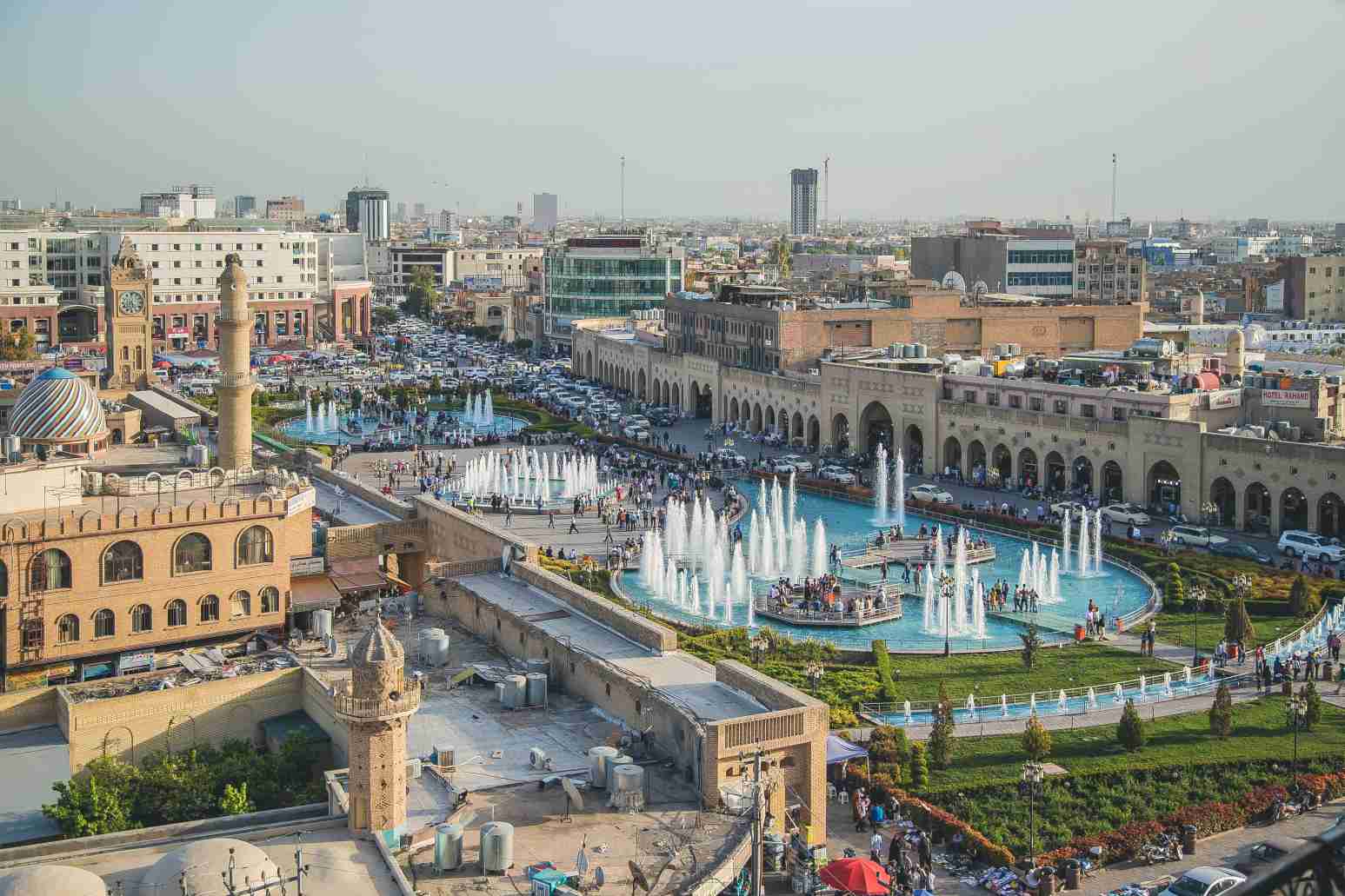
Iraqi Politics and Elections: An Update
Politics
Apoorva Jain • Oct 12, 2021

Iraqi Politics and Elections: An Update

In the wake of Iraq’s fifth parliamentary elections which are scheduled for the coming week on October 10th, the political dynamics of the country have come a long way since the U.S. invasion of 2003. Since the toppling of Saddam Hussein an...

1601
Sri Lanka's Impending Economic Crisis
Environment
Vaibhav Tomar • Oct 11, 2021

Sri Lanka's Impending Economic Crisis

Bad COVID management policies hindering tourism recovery in Sri Lanka: The tourism industry in the country brings in around $3 billion to $5 billion in foreign exchange annually. However, the country’s mismanagement of the Covid-19 outbreak...

1757
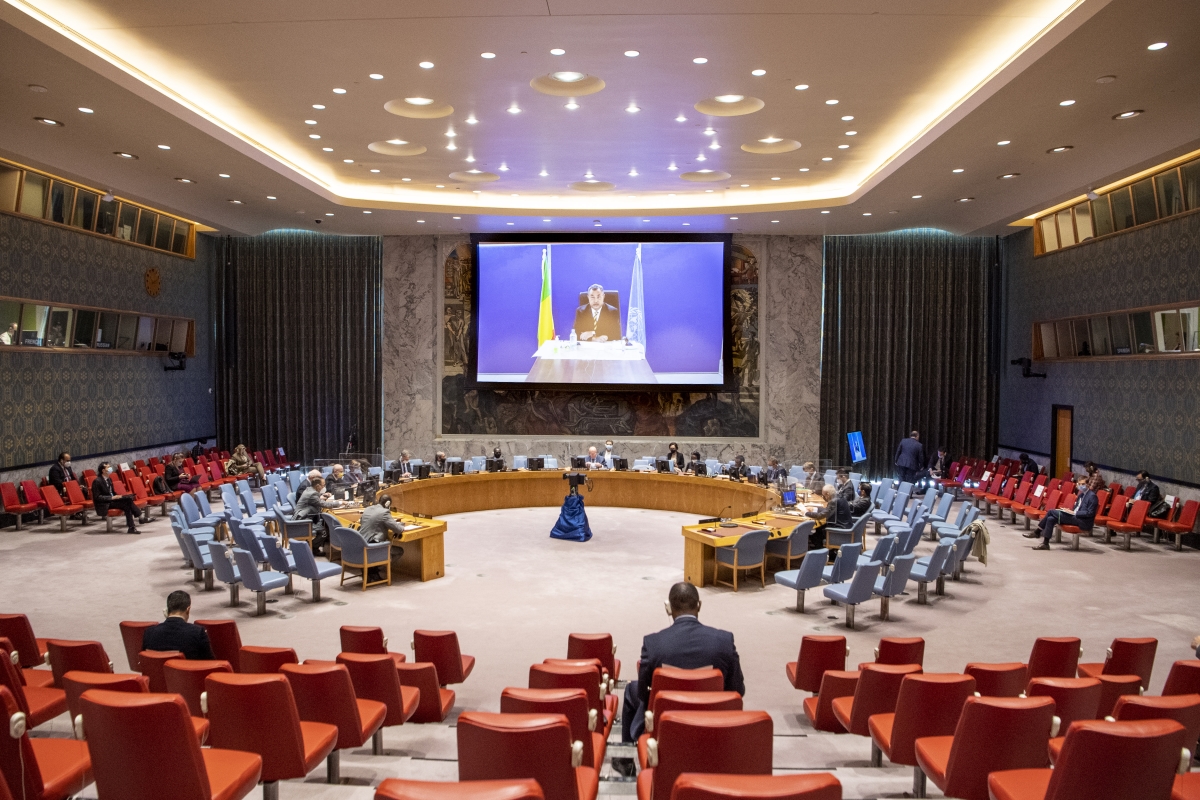
Takeaways from 76th  UN General Assembly meeting
Politics
Torunika Roy • Oct 7, 2021

Takeaways from 76th UN General Assembly meeting

When the United Nations was established in 1945, it committed to maintain international peace and security by encouraging the development of friendly relations among nations. The General Assembly is one of the principal organs of the United...

2622
Decoding APEC’s Putrajaya Vision 2040
Economics
Vaibhav Tomar • Sep 30, 2021

Decoding APEC’s Putrajaya Vision 2040

To ensure the continued growth and development of the Asia-Pacific, there will be a free, open, and fair trade and investment environment, which supports the rules of the World Trade Organization in delivering a well-functioning and predict...

3363
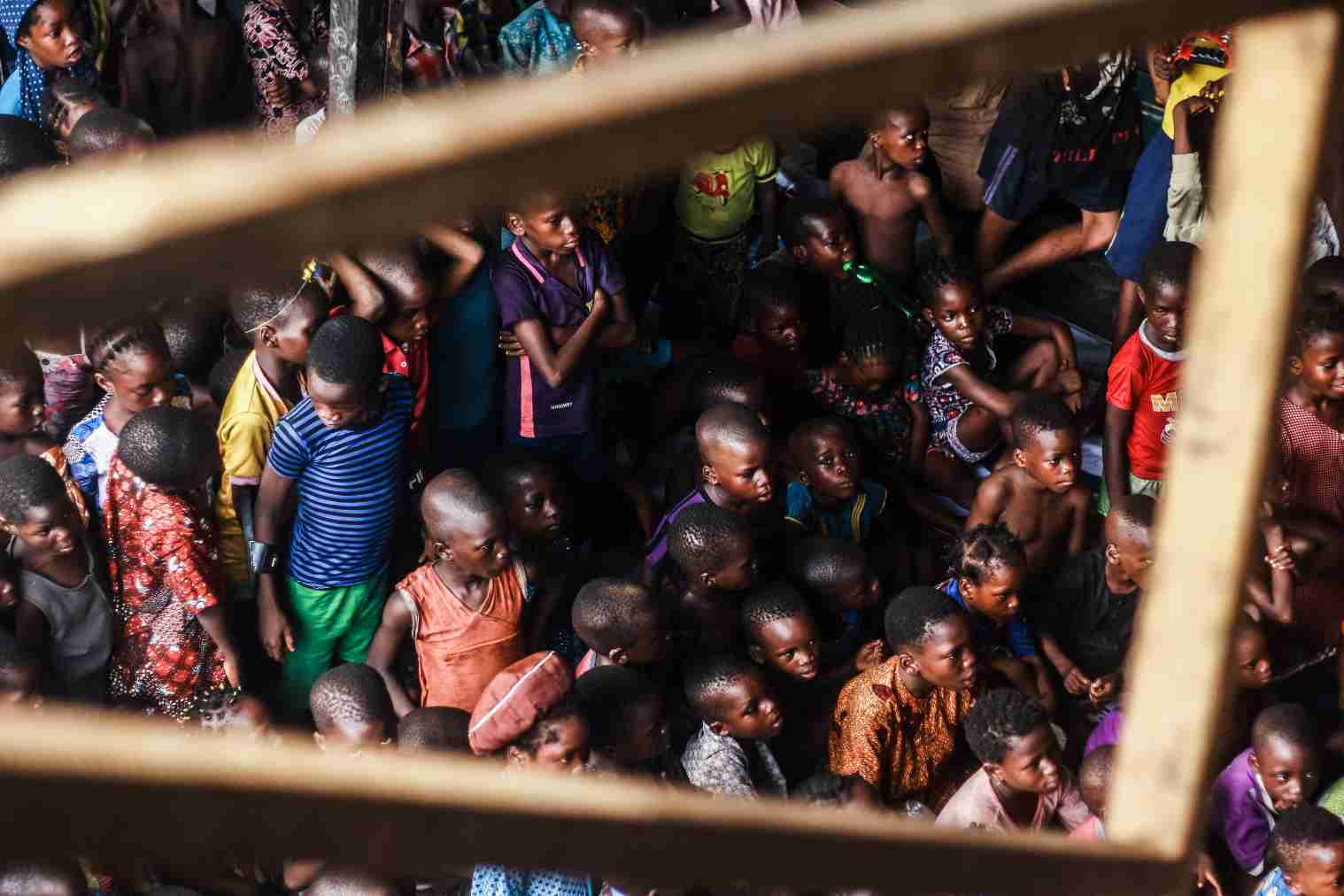
Migration and Refugee crisis in Western Africa
Economics
Abhijeet Nehra • Sep 6, 2021

Migration and Refugee crisis in Western Africa

Western Africa compasses of 17 countries namely Benin, Burkina Faso, Cape Verde, Cote d’ Ivoire, Gambia, Ghana, Guinea, Guinea-Bissau, Liberia, Mali, Mauritania, Niger, Nigeria, Senegal, Sierra Leone and Togo, it covers the area of about 8 ...

2606
Terrorist groups in Central Asia
Terrorism
Aman Kumar • Aug 16, 2021

Terrorist groups in Central Asia

On 31st of July 2018 the media wing of ISIS, Amaq, issued a video. The video featured the killers of four foreign cyclists (two from the United States, one Dutch, and one a Swiss citizen killed in Southern Tajikistan) taking the responsibil...

3278
Displaying 133 - 144 of{' '} 184 results.

Discover more

Geopolitical Focus Areas