The Strait of Hormuz Paradox: India’s Double-Edged Energy Dilemma
The Strait of Hormuz remains central to global energy security, yet India’s position within this framework reflects a structural paradox. Despite a high dependence on imported crude oil, India’s emergence as a major refining hub introduces a dimension of strategic leverage. Disruptions in the Strait generate immediate macroeconomic vulnerabilities through price shocks and supply risks, while simultaneously creating downstream opportunities via higher refining margins and export revenues. This duality produces outcomes that are sectorally differentiated and temporally distributed, shaped by the coexistence of dependence and agency. India’s ability to manage this balance will ultimately determine its resilience within an evolving global energy order.
The spectre of disruption in the Strait of Hormuz has, for decades, occupied a central place in global energy security debates. For most oil-importing economies, instability in this narrow maritime corridor translates directly into supply disruptions, price volatility, and macroeconomic stress. India, as the world’s third-largest consumer and importer of crude oil, would appear to be particularly exposed to such risks. Yet, India’s position in this equation is no longer defined solely by vulnerability, it is increasingly shaped by its ability to influence downstream energy markets.
India’s contemporary energy profile reveals a more layered and, at times, counterintuitive reality. The country is not merely a passive importer of crude oil but has, over the past two decades, evolved into one of the world’s leading refining hubs. This dual identity, a structurally import-dependent economy alongside a major exporter of refined petroleum products creates a paradox. In the event of a disruption in the Strait of Hormuz, India is not only a victim of the crisis but, under certain conditions, also a beneficiary. This duality constitutes what may be termed India’s Hormuz paradox.
Persistent Vulnerability: Import Dependence and Structural Exposure
At its foundation, India’s energy system remains deeply reliant on imported crude oil. According to the International Energy Agency (IEA), domestic production accounts for only about 11–12 percent of total crude supply, leaving nearly 88 percent dependent on imports. In 2023, India’s total oil supply exceeded 11.3 million terajoules, ranking it third globally after the United States and China
Oil continues to play a central role in India’s energy mix, constituting approximately 24–25 percent of total energy supply (IEA). Its importance is even more pronounced in end-use sectors. Petroleum products account for roughly 31 percent of final energy consumption, with the transport sector alone consuming nearly 49 percent of these products. This structural dependence underscores the limited short-term substitutability of oil, particularly in sectors such as aviation, shipping, and heavy transport.
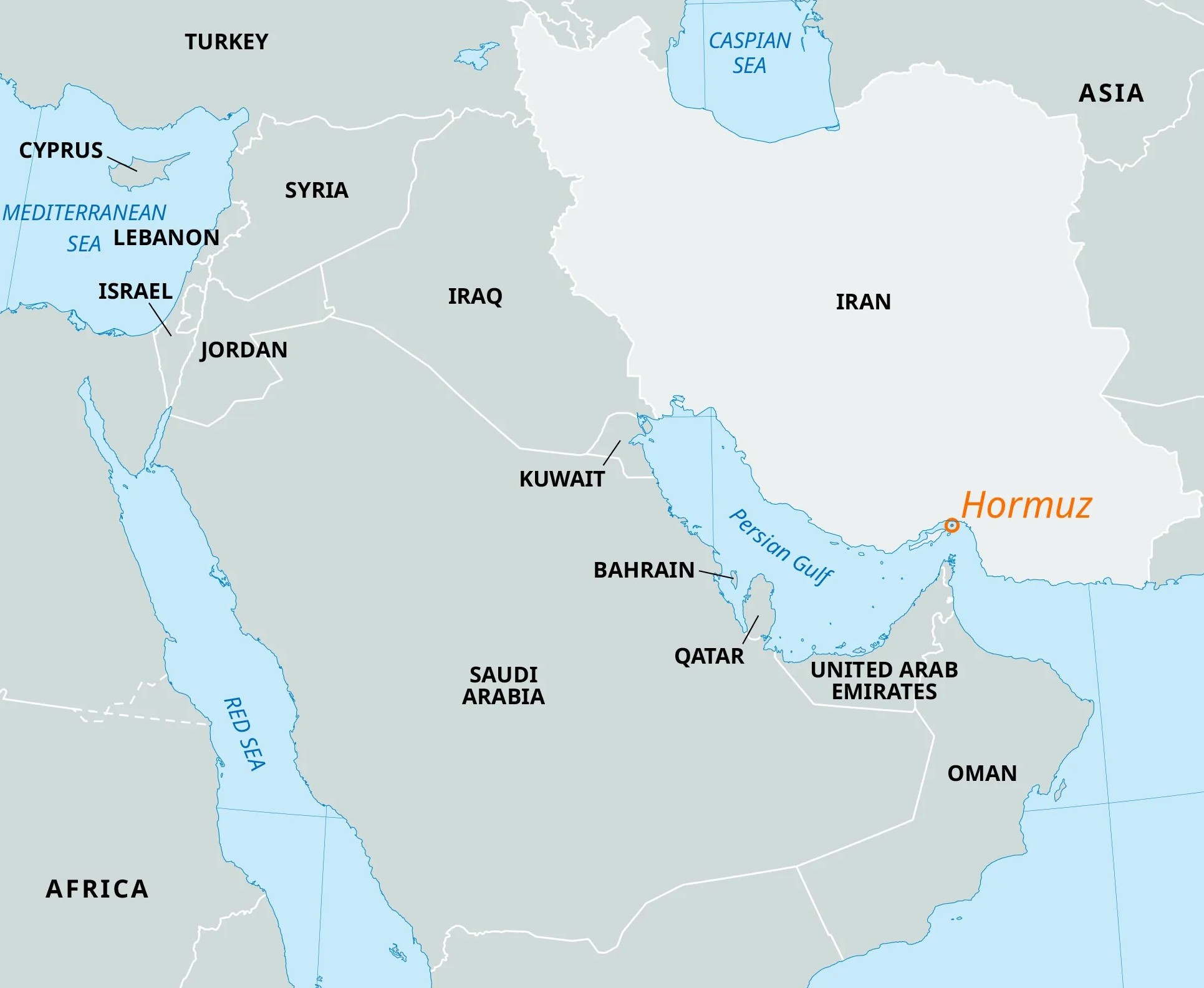
In this context, disruptions in the Strait of Hormuz carry immediate consequences. The chokepoint facilitates nearly 20 percent of global oil trade, making it indispensable to global supply chains. Market responses to geopolitical tensions in the region indicate that even temporary disruptions can trigger sharp price increases. Recent projections suggest that crude oil prices could rise to $120–150 per barrel under sustained conflict scenarios.
For India, such price shocks transmit quickly through the economy. Higher crude prices inflate import bills, exert downward pressure on the rupee, widen the current account deficit, and contribute to inflationary pressures. These macroeconomic vulnerabilities reinforce the perception of India as a highly exposed energy importer.
Emerging Resilience: Diversification and Strategic Policy Measures
However, India’s energy strategy has undergone important shifts aimed at mitigating these vulnerabilities. Over the past decade, the country has actively diversified its crude sourcing patterns, reducing dependence on any single region or supplier.
According to official statements from the Ministry of Petroleum and Natural Gas, India now imports crude from nearly 40 countries, spanning West Asia, Africa, North America, and Latin America. Notably, around 70 percent of India’s crude imports are estimated to originate from outside the Strait of Hormuz, reflecting a deliberate strategy to reduce chokepoint exposure.

The growing role of Russia as a major supplier alongside continued imports from Iraq, Saudi Arabia, the United Arab Emirates, and the United States illustrates this diversification. While the Gulf region remains central, India’s procurement strategy has become more geographically distributed and flexible.
In parallel, India has invested in ‘Strategic Petroleum Reserves’ (SPR) as a buffer against supply disruptions. Current reserves, managed by ‘Indian Strategic Petroleum Reserve Limited’ (ISPRL), stand at approximately 5.33 million metric tonnes, with additional capacity of 6.5 MMT planned. Although limited in duration, these reserves provide critical short-term insulation.
Taken together, diversification and strategic storage represent a framework of managed vulnerability not eliminating risk, but reducing its intensity and improving response capacity.
Strategic Leverage: India’s Rise as a Refining Power
The most transformative development in India’s energy profile lies downstream. India has emerged as one of the world’s largest refining centres, with the fourth-largest refining capacity globally (?258 MMTPA) and ranking among the top producers of refined petroleum products.
This capacity is anchored by large-scale, technologically advanced refineries, particularly those operated by Reliance Industries, including the Jamnagar complex, the largest refining hub in the world.
India’s refining sector processes imported crude into high-value products such as diesel, petrol, and aviation turbine fuel, which are exported to global markets. Petroleum products account for approximately 97 percent of India’s total energy exports, with export volumes increasing by nearly 700 percent between 2000 and 2023. Trade data further indicate that India exports refined products to a diverse set of markets, including the Netherlands, UAE, Singapore, Australia, and the United States. This positions India as a key supplier in both European and Indo-Pacific energy markets, particularly in the aftermath of disruptions such as the Russia–Ukraine conflict.

In effect, India has transitioned into a global refining intermediary importing crude, adding value, and exporting refined products. This structural role is central to understanding the country’s dual exposure to Hormuz-related disruptions.
Crisis Dynamics: The Mechanics of a Double-Edged Outcome
The paradox becomes evident when examining how a disruption in the Strait of Hormuz unfolds economically. A supply shock in the Gulf region constrains global oil availability, pushing crude prices upward. For India, this immediately raises the cost of imports, a clear negative.
However, the same price increase affects downstream markets differently. As crude prices rise, refined product prices particularly diesel and jet fuel often increase due to tight supply conditions. This expands gross refining margins (GRMs), improving profitability for refiners.
For India’s refining sector, this creates a countervailing effect. Higher margins translate into increased export revenues, particularly in markets facing supply shortages. In such scenarios, India can function as a stabilising supplier, redirecting refined products to deficit regions.
This dynamic does not imply net gains. The immediate macroeconomic effects higher inflation, fiscal strain, and import costs are likely to outweigh short-term benefits. However, over the medium term, the refining sector can partially offset these losses.
Thus, the impact of a disruption in the Strait of Hormuz is neither uniformly negative nor entirely positive; rather, it is both sectorally and temporally differentiated. In the short term, such a disruption is likely to trigger immediate price shocks, inflationary pressures, and supply uncertainties. Over the medium term, however, higher refining margins and increased export revenues may partially offset these initial losses. In the long term, the crisis could contribute to a broader strategic repositioning of India within global energy markets. It is this coexistence of vulnerability and strategic leverage that ultimately defines India’s double-edged position.
Maritime Insecurity and Expanding Risk Dimensions
Beyond supply and price dynamics, disruptions in the Strait of Hormuz introduce significant maritime risks. Recent developments in West Asia have led to increased tanker attacks, heightened military presence, and rising war-risk insurance premiums.
For India, these developments have multiple implications. Increased insurance costs raise the overall cost of trade, while disruptions to shipping routes create logistical uncertainties. Additionally, the presence of Indian-flagged vessels and seafarers in the Gulf region introduces direct security concerns, as highlighted by recent government briefings. These risks underscore the interconnected nature of energy security, maritime security, and economic stability.
Conclusion: Managing a Structural Paradox
India’s relationship with the Strait of Hormuz reflects the complexities of contemporary energy geopolitics. It is a relationship defined by simultaneous dependence and agency, vulnerability, and strategic capability.
On one hand, India remains highly dependent on imported crude oil, with significant exposure to global price volatility and geopolitical disruptions. On the other, it has developed strategic tools diversified sourcing, refining capacity, export integration, and strategic reserves that allow it to absorb and, to some extent, leverage these disruptions.
The result is not a binary outcome, but a dynamic equilibrium. India is neither a clear loser nor a definitive winner in the event of a Hormuz crisis. Instead, it occupies a middle ground shaped by competing pressures and opportunities.
For policymakers, the challenge lies in managing this duality. Strengthening strategic reserves, enhancing maritime security, and deepening supply diversification must be complemented by long-term efforts to reduce structural dependence on oil through renewable energy and alternative fuels. Ultimately, the Strait of Hormuz is not merely a vulnerability in India’s energy architecture, it is also a test of its strategic adaptability. The extent to which India can navigate this paradox will determine whether it remains exposed to external shocks or emerges as a resilient and influential actor in the evolving global energy order.
Image Source: Britannica
(The views expressed are those of the author and do not represent the views of CESCUBE)

Nikita Vats is the Managing Editor at the Centre for Security and Strategy Studies (CeSCube). She is the co-founder of the Centre for New Age Warfare Studies (CNAWS). She is a PhD candidate at the Jindal School of International Affairs, O.P. Jindal Global University, India. She previously served as a Research Associate at the National Maritime Foundation, where she contributed to maritime and strategic policy research. She holds a B.Sc. (Hons.) in Chemistry from the University of Delhi and an M.Sc. in Chemistry from Panjab University. She also holds a Master's degree in Political Science and International Relations. Her research interests span traditional and non-traditional security issues and strategic affairs.