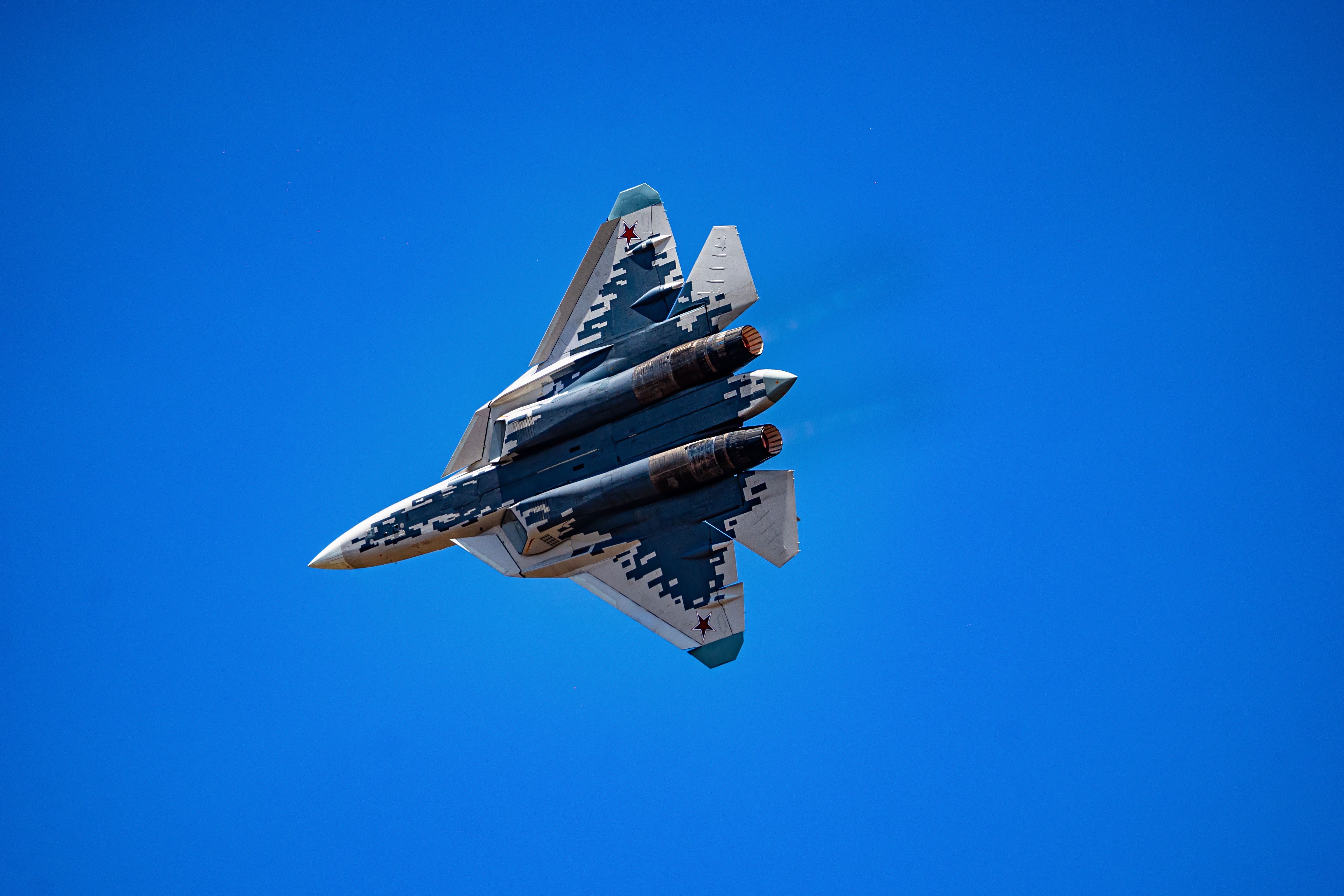
The Geopolitical Architecture of European Defence: Navigating NATO Synergies, Transatlantic Retrenchment, and the Hybrid Threat Landscape
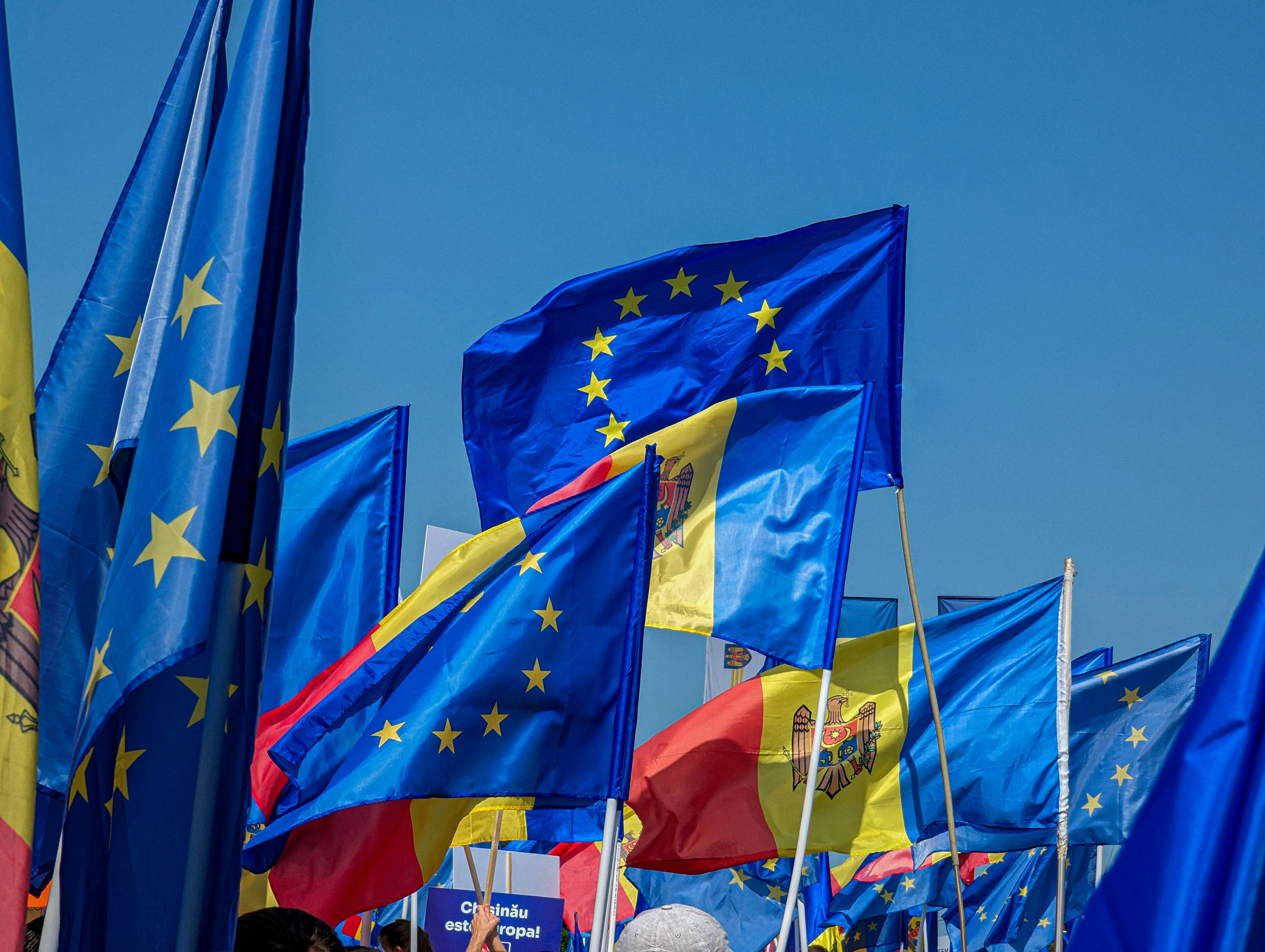
Europe’s security architecture is undergoing a profound transformation amid the convergence of Russian aggression, growing hybrid threats, and the gradual retrenchment of the United States from its traditional security commitments in Europe. As initiatives such as PESCO, the European Defence Fund, and the European Defence Industry Programme gain momentum, the idea of European Strategic Autonomy has evolved from a political aspiration into an operational necessity. This article examines the evolving relationship between the European Union and NATO, focusing on the tensions between strategic autonomy and alliance dependence, capability integration, interoperability, and the growing challenge posed by cyber warfare and disinformation campaigns. It argues that the future of European defence lies not in replacing NATO, but in developing a framework of strategic complementarity capable of responding to an increasingly fragmented and technologically complex security environment.
2026 is a pivotal year in the development of the Euro-Atlantic security system, as three structural developments have come together: the ongoing Russian aggression, the pivot of US foreign policy towards strategic retrenchment and the rapid maturation of European Union defence projects1. These shifts have driven a profound rethink of security in Europe, in its conceptualisation, organisation, and operationalisation. The much-debated idea of European Strategic Autonomy (ESA), once considered a political aspiration and potentially divisive, has now become an operational imperative in response to systemic uncertainty in the transatlantic alliance. This shift is rooted in the institutionalisation of mechanisms like Permanent Structured Cooperation (PESCO) and the European Defence Fund (EDF), now complemented by new financial and industrial mechanisms, such as the European Defence Industry Programme (EDIP) and the Security Action for Europe (SAFE) facility. These instruments collectively herald a transition from national to European defence policies, especially in capability development, procurement, and scale-up of defence industries.
But this path to autonomy occurs within a structurally ingrained relationship with the North Atlantic Treaty Organization (NATO), which remains the bedrock of European defence. The drive for greater European responsibility continues to provoke concerns about capability duplication, command redundancy, and resource allocation efficiency, especially in a climate of constrained budgets (despite growing investment), which persistently challenge European defence. Simultaneously, the strategic landscape has become more challenging as hybrid threats, such as cyber-attacks, disinformation, and sabotage, have emerged, complicating the distinction between war and peace and the concept of deterrence. This means European defence is not just about territorial defence, but also about multi-dimensional resilience, which demands both institutional and strategic integration. This article explores the shifting architecture of European defence in terms of strategic autonomy, institutional integration, alliance management and hybrid threat deterrence, suggesting that the key challenge for Europe is not an either/or choice between autonomy and alliance, but rather a complementary relationship between the two.
The Institutionalisation of European Strategic Autonomy
The institutionalisation of European Strategic Autonomy began with the establishment of Permanent Structured Cooperation (PESCO) in 2017, which broke with the largely voluntary and ad-hoc nature of previous Common Security and Defence Policy (CSDP) initiatives. PESCO invoked Article 42(6) of the Treaty on European Union to create a binding framework that obligates Member States to meet certain commitments in terms of investment, capability and readiness2. This transition from political commitment to binding obligation is a major step towards greater integration, as it establishes mechanisms of accountability and coordination that have been lacking. By 2026, the growth of PESCO to involve 25 Member States and multiple projects is not only a testament to its institutionalisation but also to the recognition that cooperation is vital in tackling modern security threats3. Crucially, PESCO is not just a forum for collaboration but a tool for harmonising national defence plans with European priorities, thus avoiding waste and improving efficiency in the long term.
The success of PESCO, however, depends on its relationship with the European Defence Fund (EDF), which introduces a supranational element to European defence integration. Whereas PESCO is based on an intergovernmental approach led by Member States, the EDF uses the financial and regulatory powers of the European Commission to encourage joint research and development. This two-pronged approach, which combines political and financial incentives, has transformed the European defence industrial ecosystem, promoted interstate collaboration and overcome the market segmentation that has plagued European defence industries in the past4. The introduction of instruments like the "PESCO bonus" - additional funding for projects developed under the PESCO framework - further reinforces this connection, linking political commitment with industrial action. At the same time, programs such as ASAP and EDIRPA, launched in response to the war in Ukraine, have highlighted the shortcomings of Europe's defence industrial sector, in particular, its capacity and supply chain vulnerabilities, driving home the need for more structural and sustainable approaches.
The European Defence Industry Programme (EDIP) and Strategic Industrial Policy
The European Defence Industry Programme (EDIP), approved in 2025, is a significant milestone in the evolution of European defence policy, since it aims to close the gap between research and production in the defence industry5. EDIP seeks to provide a legal and financial framework for scaling up production, so that technological innovation can be turned into military capability, thus enhancing Europe's autonomy in a practical sense. An important feature of this program is the "buy European" policy, which mandates that a significant proportion of parts in EDIP-funded projects be sourced from the European Union and its allies6. This measure seeks to reduce dependency on foreign suppliers, particularly in critical technologies, and enhance the European Defence Technological and Industrial Base (EDTIB). In this sense, EDIP is symptomatic of the growing recognition that economic security is an important dimension of defence policy, because industry and supply chains are as important as military capabilities for achieving strategic autonomy.
EDIP is complemented by the SAFE loan facility, a significant funding mechanism that enables Member States to access loans for defence investments in key technologies such as missile defence, cybersecurity, and advanced surveillance7. The scale and structure of SAFE is emblematic of a recognition that autonomy depends not only on coordination, but also substantial investment, particularly for those states on the frontlines with pressing security needs. However, these efforts have also created tensions with the US and other non-EU NATO allies, who view the "buy European" policy as protectionist, and potentially shut them out of a profitable market. This raises the tension between autonomy and unity, since European initiatives to enhance its capabilities could be interpreted as undermining the transatlantic alliance. Thus, the long-term viability of EDIP and other initiatives will depend not only on their internal coherence but also on their compatibility with existing NATO structures and the avoidance of parallel structures that weaken collective defence.
Capability Duplication and Structural Tensions with NATO
One of the perennial issues in the evolution of European defence is the risk of duplication of capabilities and creation of parallel structures that create additional burdens on scarce resources. With the European Union playing an increasingly important role in European defence, concerns have been expressed about the possible overlap between the EU's projects and NATO's capabilities in the fields of command and control, force planning and deployment8. While some believe that the absence of a permanent EU operational headquarters results in "ad hocery", which is inefficient and lacks legitimacy, others argue that the EU's focus on crisis management and civil-military coordination necessitates the establishment of new structures. This is all part of a larger debate between effectiveness and institutional competition, as NATO and the EU seek to adapt to the changing security environment while preserving their respective roles.
One of the more complex elements of this discussion includes "conflicting lists" in capability development, whereby Member States could be faced with conflicting priorities from NATO and the EU in terms of force structure and equipment. This is not only inefficient but has an impact on national planning, as Member States are faced with competing priorities and resource constraints. To address this issue, there has been greater coordination between NATO and EU agencies, and the harmonisation of EU projects with NATO capability targets. However, the persistence of the European defence market fragmentation, as seen in the diversity of weapons systems and platforms, negatively affects efficiency and interoperability. Thus, for the EU and NATO to work in harmony, it is not sufficient to prioritise institutional coordination; it is also necessary to make structural adjustments to harmonise and consolidate capabilities.
U.S. Retrenchment and the Crisis of Transatlantic Assumptions
The development of European defence must be seen in the context of the United States, which has been steadily withdrawing from global affairs, leaving a strategic vacuum for Europe. With the 2026 U.S. National Defence Strategy, the US has moved away from the post-Cold War era of high engagement, prioritising domestic defence and competition with China, at the detriment of Europe9. This is a result of both strategic and domestic political and economic factors that have limited the United States' capacity and willingness to sustain a wide range of engagements. The resulting doubts about the reliability of the U.S. commitment is one of the factors behind the push for European Strategic Autonomy as European states seek to mitigate their reliance on the U.S.
At the same time, this retreat has opened new points of strategic contention within the transatlantic alliance, as reflected in debates over burden-sharing, defence spending and strategic priorities. The Greenland deal is emblematic of the transactional approach to U.S. foreign policy, which is relevant for the future of the alliance. For Europe, the challenge is not just to deal with a reduced U.S. engagement but to recalibrate the relationship to reflect these realities. This requires a combination of greater autonomy with institutional and operational interconnections that are vital for collective security, particularly in areas where the U.S. remains unrivalled.
Interoperability and the Technological Dimension of Defence Integration
Interoperability continues to be an essential yet overlooked aspect of European defence integration, as the effectiveness of collective security is not just about the size of the pie, but also how it works in practice. NATO defines interoperability as having technical, procedural and human components, all of which pose challenges for European militaries. Technical interoperability remains a challenge as variations in equipment, communication platforms and data formats impede seamless collaboration. Although considerable resources are devoted to joint training and exercises, the absence of standardised data standards constrains the capacity to measure readiness and identify systemic vulnerabilities, undermining the effectiveness of joint defence efforts.
The rise of new technologies adds to this complexity, with developments in fields such as artificial intelligence, unmanned systems, and cloud computing presenting new challenges for integration and coordination. The reliance of Europe on external providers for key digital services, such as cloud computing, underscores the disconnect between aspirations and technological capacity, and questions the possibility of achieving digital sovereignty. To overcome these challenges, it will be necessary not only to invest more but also to adopt a cohesive strategy for standards and innovation, ensuring that technological advances enhance rather than hinder interoperability.
Russian Hybrid Warfare and the Stress Test of Article 5
The shifting security environment with Russia highlights the need to tackle these issues as hybrid warfare strategies exploit weaknesses within the Euro-Atlantic alliance10. Through a combination of activities that fall short of armed conflict, Russia aims to sow discord within the alliance and erode trust in collective defence. The intensification of sabotage, cyber-espionage and disinformation is a concerted effort to sow chaos in European societies while avoiding actions that would provoke a direct military retaliation.
This approach poses a serious challenge to NATO’s Article 5, as the nature of hybrid attacks makes it difficult to assess when collective defence should be triggered. The potential for limited incursions into NATO territory also exposes the shortcomings of current frameworks, as delays in responding to an attack could result in a fait accompli situation. In this regard, deterrence effectiveness relies not just on military preparedness, but also on political unity and resolve. Differences within the alliance, as well as variations in threat assessments among Member States, only compound this, highlighting the need for stronger decision-making and coordination processes.
Toward Strategic Complementarity
In this context, policymakers and commentators have increasingly called for a focus on "strategic complementarity" between the EU and NATO, rather than on competition or overlap11. Initiatives like the European Planning Group seek to establish mechanisms to coordinate European positions within NATO, thus increasing unity and avoiding divisions. At the operational level, initiatives like joint task forces and defence clusters provide pragmatic ways to enhance interoperability and specialisation, especially in areas where EU-wide integration is challenging. Meanwhile, the ongoing debate on nuclear deterrence, such as France's proposal for a more "Europeanised" approach, is part of the quest for new security paradigms in a rapidly evolving strategic landscape. These efforts, in their infancy, demonstrate the potential for new initiatives to complement existing arrangements and meet new challenges. In the end, strategic complementarity will depend not only on coordination but also on a common vision that will ensure alignment of national and collective interests.
Conclusion
The evolution of European defence in the years leading to 2016 demonstrates a broader transformation of the international security environment, marked by greater uncertainty, technological advancement and the weakening of alliances. Progress has been made in building the institutional and industrial framework for European Strategic Autonomy, but there are still major challenges in coordination, interoperability and compatibility with NATO. The challenge for European policymakers is not to seek autonomy for its own sake but to embed it within a transatlantic framework that adds value to collective security. In a world characterised by hybrid threats and strategic competition, the capacity to achieve a balance between autonomy and interdependence will be critical for Europe to maintain its strategic advantage and adapt to a rapidly changing international environment.
Endnotes:
1. Joël De Bruin, “Highlight 1/2026: European Strategic Autonomy and Dependence on NATO: Taking the Middle-road,” MEIG, January 12, 2026, https://www.meig.ch/highlight-1-2026-european-strategic-autonomy-and-dependence-on-nato-taking-the-middle-road/.
2. PESCO Secretariat and European Defence Agency, “PESCO PROJECTS’ PROGRESS REPORT,” European Defence Agency, September 2025, https://eda.europa.eu/docs/default-source/pesco-files/2025-pesco-projects-progress-report_public-release-updated.pdf.
3. Ibid
4. European Commission, “Commission Implenting Decision,” Press release, December 17, 2025, https://defence-industry-space.ec.europa.eu/document/download/3991ef09-1f18-44d1-baf5-dbe60bbb928a_en?filename=EDF+Work+Programme+2026.pdf.
5. Alessandro Marrone and Nicolò Murgia, “The European Defence Industry Programme: The Last Piece of the EU Defence Puzzle?,” Istituto Affari Internazionali, February 2, 2026, https://www.iai.it/en/publications/c41/european-defence-industry-programme-last-piece-eu-defence-puzzle.
6. Jeroen Dobber, “Bye Buy European? A Liberal Take on European Preferences in EU Defence Instruments - Future Europe Journal,” Future Europe Journal, no. Issue 5 (July 24, 2024), https://feu-journal.eu/issues/issue-5/bye-buy-european-a-liberal-take-on-european-preferences-in-eu-defence-instruments/.
7. Marrone and Murgia, “The European Defence Industry Programme: The Last Piece of the EU Defence Puzzle?”
8. De Bruin, “Highlight 1/2026: European Strategic Autonomy and Dependence on NATO: Taking the Middle-Road.”
9. Ibid.
10. Maurizio Geri, “A New Strategic Responsibility for the EU: EU-NATO Cooperation Against Hybrid Warfare From Russia,” Therestjournal, January 30, 2025, https://therestjournal.com/2025/01/30/a-new-strategic-responsibility-for-the-eu-eu-nato-cooperation-against-hybrid-warfare-from-russia/.
11. De Bruin, “Highlight 1/2026: European Strategic Autonomy and Dependence on NATO: Taking the Middle-Road.”
Photo by Sasha Pleshco on Unsplash
(The views expressed are those of the author and do not represent views of CESCUBE)

Rinto Sebastian Charles is currently pursuing a Master’s degree in International Studies at CHRIST (Deemed to be University), Bangalore. He has completed his Bachelor’s in English Language and Literature from Kerala University. His core interests lie in international relations, diplomacy and policy-oriented research. He also aspires to contribute to research-driven institutions, think tanks, and initiatives that engage with global governance and Indo-Pacific perspectives.