India’s Response to the Taliban Regime: Strategic Hedging or Regional Alignment
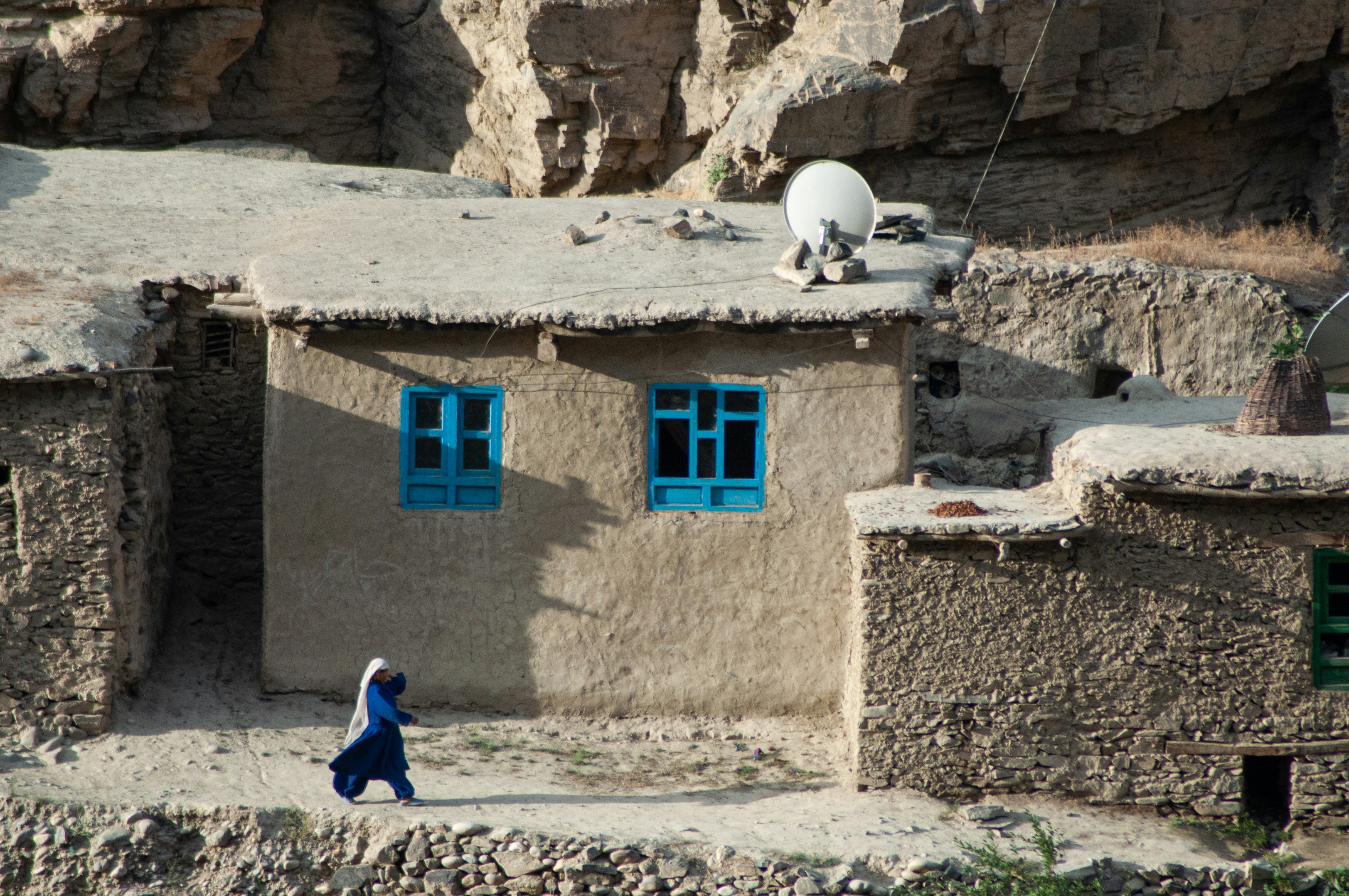
India’s engagement with Afghanistan has long been rooted in civilizational ties, developmental projects, and security concerns. The Taliban’s return to power in 2021, however, compelled New Delhi to adjust its policy, balancing humanitarian assistance, protection of investments, and counter-terrorism priorities without granting formal recognition to the regime. While reopening its embassy and delivering aid, India has pursued only limited diplomatic contact, mindful of Pakistan’s role and the growing presence of China and Russia in the region. This article argues that India’s current approach is best understood as strategic hedging, maintaining influence and flexibility while avoiding full alignment with the Taliban. Such a stance reflects India’s broader strategy of strategic autonomy, where cooperation is issue-based, people-focused, and contingent on future changes in the Taliban’s governance practices.
The roots of India and Afghanistan can be dated back to the 6th century BC, with the inception of the Gandhara civilisation.[1] These civilizational ties have transcended multiple centuries, creating a strong historical bond between the two countries. India’s approach to Afghanistan is primarily based on people-to-people connections. Following India’s independence, the contestation of the Durand Line between Afghanistan and Pakistan led India to leverage its strong ties with Afghanistan to balance its adversarial relationship with Pakistan [2]. Afghanistan also followed India’s Non-Alignment Policy during the Cold War, which eventually endowed it with economic assistance from both superpowers, albeit for a short term, until the Soviet invasion in 1979 [3]. Post Cold War, ties between India and Afghanistan have been quite erratic, with their lowest point during the seven-year Taliban rule, and again having a proactive approach with the fall of the Taliban in 2001 to now, with the resurgence of the Taliban and withdrawal of the USA. Even though India does not recognise the Taliban-led government officially, it is among the 40 nations that maintain an unofficial tie with the regime [4]. This paper aims to understand whether such a stance for India is a result of strategic hedging or regional realignment.
India’s approach to Afghanistan has always been based on extensive humanitarian, financial, and infrastructure projects aimed at contributing to Afghanistan’s economic rebuilding and improving its international presence [5]. Previously, India was against the Taliban regime and supported the Northern Alliance under Hamid Karzai, which played out well post the fall of the Taliban in 2001. India’s support of the Karzai government helped create trust amongst the people and paved the way for multiple developmental projects, including a Strategic Partnership Agreement, which covered political, security and economic cooperation. This was a historically significant deal as India was the first foreign country to ink such a deal with Afghanistan [6]. For over two decades, India assisted in several other projects such as the Salma Dam (India-Afghanistan Friendship Dam), Route 606, a new parliament building and Afghan National Agricultural Sciences and Technology University and multiple other small development and skill-building initiatives. Some of the other initiatives between the two nations since 2015 include restoration of the Stor Palace, rebuilding of Habibia High School, reconstruction of Indira Gandhi Children’s Hospital in Kabul, a major road connectivity project- Zaranj-Delaram Road and a 7,200 km long multi-mode transport project titled- International North-South Corridor[7]. India also heavily contributed to the Afghan Red Crescent Society to provide humanitarian aid.
The abrupt withdrawal of the US and the instant fall of Afghanistan into the hands of the Taliban regime put a force stop on all these projects and efforts. The existing foreign policy approach towards Afghanistan came to an abrupt stop with India closing its Embassy in Kabul in 2021. Within a few months, in a special meeting between Deepak Mittal and Sher Mohammad Abbas Stankezai in the India Embassy in Doha, India raised its longstanding concern that Afghan soil should not permit any form of terrorist activities or anti-India activities [8]. In 2022, as per UN Resolution 2593, India reopened its Embassy in Kabul, but has positioned only a technical team to remain active in humanitarian activities [9]. The reopening of the Embassy is not tantamount to recognising the Taliban regime, but simply accepting the shift in power and the need for new policies. Such a shift was necessary as other greater powers like Russia and China come into play as well as balancing the threat from Pakistan.
As a part of the humanitarian assistance, India supplied several shipments of:
“humanitarian assistance consisting of 50,000 MTs of wheat, 250 tons of medical aid, and 28 tons of earthquake relief aid. Under this partnership, India has, since 2022, supplied 11,000 units of hygiene kits, baby food, blankets, clothing, medical aid, and other miscellaneous items. In the field of education, India has continued its Indian Council for Cultural Relations (ICCR) scholarship scheme for Afghan students. Since August 2021, ICCR has granted admissions to more than 3000 students, including 600 Afghan girls. In order to provide accessible educational opportunities to students residing in Afghanistan, ICCR has also started an online scholarship scheme in the current academic year for 1000 Afghan students in Indian Universities through the e-Vidya Bharti portal. Of the total admissions under this scheme, 30% admissions were granted to female students. India also continued its collaboration with the Afghan National Agricultural Science and Technical University (ANASTU) by providing online scholarships for Afghan students in agro-related fields [10].”
India, nevertheless, has indirectly provided these humanitarian supplies through organisations like the United Nations World Food Programme (UNWFP), the United Nations Office for the Coordination of Humanitarian Affairs (UNOCHA), the Indira Gandhi Institute of Child Health and the Afghan Red Crescent Society (ARCS). As a part of India’s national interest, the Chabahar Port has garnered renewed interest as a path to develop trade relations between India and Afghanistan. This port will help combat the Karachi and Gwadar ports controlled by Pakistan. As of 2023, it is reported that India has around 500 projects spread across 34 provinces, which mainly focus on essential sectors such as energy, water infrastructure, transport, healthcare, education, agriculture, and capacity building [11]. These projects are pivotal to maintaining India’s presence in Afghanistan to counterbalance China’s growing influence and its adversarial relationship with Pakistan. Apart from this, India’s economic and resource interests in Central Asia can be met by maintaining a functional relationship with the Taliban.
But it must be recognised that the Taliban itself is a looming threat to this working bilateral engagement [12]. Since its fall in 2001, the Taliban has hardly changed its methods of working and continues to have a medieval approach to governance, especially concerning women’s rights, education, and normal public life. As per an Indian diplomat, only with further engagement with the international community can external governments pressurise the Taliban to change its methods of governance and bring in more liberal standards [13].
This article traverses the historical to current bilateral relationship between India and Afghanistan. What is quite evident here is the economic aspect of the ties between the two nations. While politically, Afghanistan is no way near the global standards of governance, its geographical position is essential to India’s national interest, prompting it to alter its foreign policy. Terrorism is another big concern for India, especially heightened after the recent Pahalgam attack. In June 2024, the Taliban participated for the first time in the UN’s third round of talks on Afghanistan’s future [14]. While the future remains unpredictable, the Taliban’s engagement with the international actors is increasing. According to this author, India’s renewed foreign policy approach towards Afghanistan leans more towards strategic hedging rather than regional realignment. Strategic hedging is more in tune with India’s current policy of strategic autonomy and issue-based collaboration. India’s policy towards Afghanistan has always been to serve its people, regardless of the regime, as it continues to do so. A direct recognition of the Taliban regime will be possible only when the regime changes its governance style, which gives more space to women’s rights and freedom of speech and expression.
Endnotes
[1] Ghosh, Shreya. INDIA’S “LOOK WEST” – POST TALIBAN INDIA’S ENGAGEMENT WITH AFGHANISTAN. n.d.
[2] Pant, Harsh V. India’s Changing Afghanistan Policy: Regional and Global Implications. With SSI. Strategic Studies Institute. Strategic Studies Institute, 2012.
[3] Ibid
[4] Ahmed, Imran, and Tanujja Dadlani. India’s Evolving Relationship with Afghanistan – NUS Institute of South Asian Studies (ISAS). n.d. Accessed 30 July 2025.
[5] Ibid
[6] Mathur, Pawan, and Sonam Chaudhari. ‘Changing Dynamics In India? S Policy: AFTER THE TALIBAN TAKEOVER OF AFGHANISTAN’. World Affairs: The Journal of International Issues 25, no. 3 (2021): 126–35.
[7] Ibid
[8] Ibid
[9] Ministry of External Affairs, Government of India. ‘QUESTION NO. 183 India’s Relationship with Afghanistan’. Accessed 30 July 2025.
[10] Ibid
[11] Ministry of External Affairs, Government of India. ‘QUESTION NO.506 INDIAN INVESTMENTS IN AFGHANISTAN’. Accessed 27 July 2025.
[12] Biswas, Soutik. ‘Why India Is Reaching out to the Taliban Now’. BBC. Accessed 27 July 2025.
[13] Ibid
[14] Ahmed, Imran, and Tanujja Dadlani. India’s Evolving Relationship with Afghanistan – NUS Institute of South Asian Studies (ISAS). n.d. Accessed 30 July 2025.
Photo by Joel Heard on Unsplash
(The views expressed are those of the author and do not represent the views of CESCUBE.
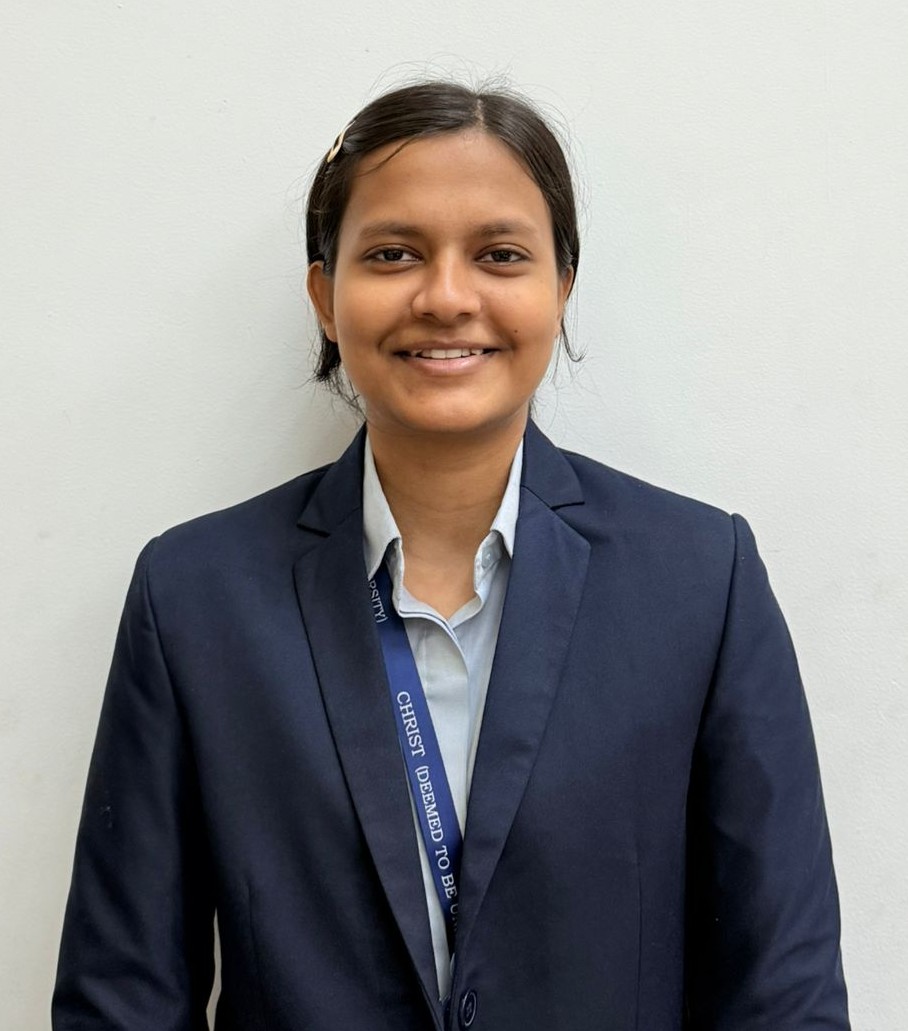
Kinnori Mukherjee is currently pursuing a Master’s degree in International Studies at Christ University, Bangalore. She has completed her Bachelor’s from Fergusson College with a Major in German Language and Minors in Political Science and Economics. Her core interests lie in diplomacy, consulting, and socially impactful research. She also aspires to contribute towards strengthening the Indo-German partnership and, in the long term, advancing Indo-European relations.