Corona virus(COVID-19) impact on SAARC: New Challenges for India – Sri Lanka Trade
The Novel Coronavirus disease (COVID-19) has thrown the eight South Asian countries into turmoil. As many as 5200 confirmed cases of coronavirus have been reported so far across the region with 110 people succumbing to the disease. However, seeing a steady rise of fresh coronavirus cases the eight nations of the South Asia entered into a new stage. The designated authorities of these countries implemented a range of measures in a consistent manner to curb the spread of coronavirus.
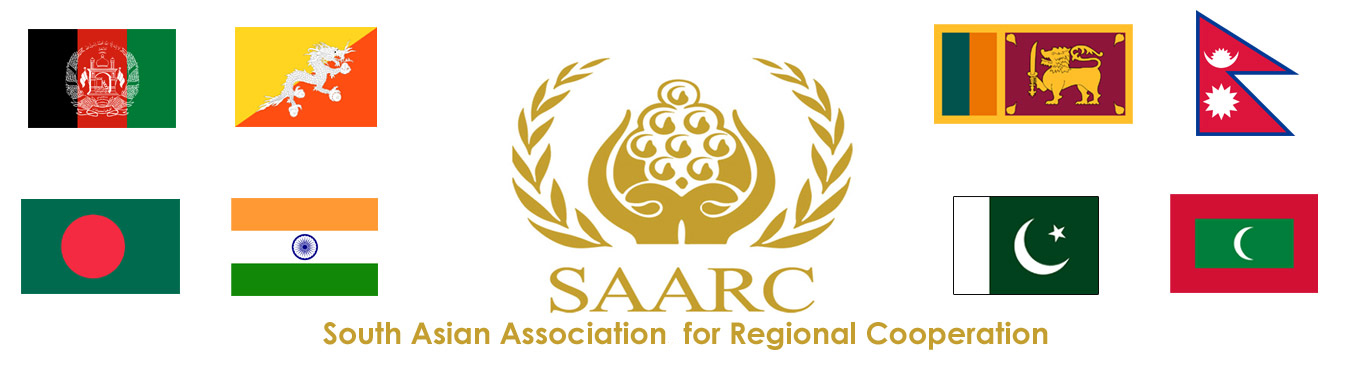
South Asian Association for Regional Cooperation (SAARC) and COVID 19
Addressing the first ever video conference among the heads of governments of the South Asian Association for Regional Cooperation (SAARC) member nations, Indian Prime Minister Narendra Modi emphasized, “We can respond best by coming together not growing apart; Collaboration not Confusion ; Preparation not Panic. In this spirit of collaboration, let me share a few ideas on what India can offer to this joint effort. I propose we create a COVID-19 Emergency Fund".
Clearly, the success of first video conference among the eight-member regional grouping has readjusted not only diplomatic ties, but also has influenced the consciousness of their responsibilities to contribute towards SAARC Emergency Fund to fight Covid-19. As a follow-up to the video conference, India joined hands with other SAARC leaders and pledged $10 million for the SAARC fund to tackle the deadly respiratory illness outbreak. Other SAARC member nations welcomed India’s initial contribution. Notably among the other member countries, India’s southern neighbour Sri Lanka has pledged USD 5 million to SAARC Corona virus Fund. However, these regional hotspots of the corona virus epidemic have found themselves in the forefront of challenges posed by the rising corona virus cases and this makes it vital for the eight-member regional grouping to revive their cooperation in different areas. Faced with this extraordinary situation, India’s cooperation with Pakistan serves as a test bed for new ideas to grow on effective ways of stopping the spread of this deadly respiratory illness to neighbouring countries.
Furthermore, India, home to roughly 1.3 billion people, also took a large steps in establishing corona virus prevention mechanism. In order to prepare effectively, India imposed a complete lockdown for 21 days to slow the spread of corona virus disease. Following in the footsteps of India, other SAARC countries have also imposed drastic measures to curb the Corona virus pandemic.
India - Sri Lanka
Such an escalation pushed Sri Lanka to impose strict border control measures. Moreover, the island nation executed a countrywide curfew. The virus epidemic has become one of the main dangers to Sri Lanka’s economy. As a result, in the current situation, Sri Lanka is experiencing a severe economic impact on its textile and apparel manufacturing units, Small and Medium-sized enterprises (SMEs), inbound tourism market and segments of the hospitality industry. Meanwhile, the corona virus epidemic has the potential to derail intra-regional trade within SAARC that can have a spillover effect on India and Sri Lanka bilateral trade worth USD $ 5.3 billion. In the two way trade area, Sri Lanka continues to be one of the largest trading partners of India in South Asia (Sri Lankan Customs, 2019). Under the current circumstances, the situation has gotten more complicated with the temporary suspension of Sri Lankan air, flights, operating more than 126 flights weekly to 14 cities in India facilitating the flow of people across the two borders. As a result of the unprecedented interruption on air, connectivity is putting tourism markets on both sides at risk. Right now, tourists from Sri Lanka are among the top 10 sources for the Indian tourism market. Likewise, India remains as the leading source country of all tourists coming to Sri Lanka. Furthermore, ports and shipping are other areas which benefit both the nations mutually, and Colombo and Mumbai are some of the busiest handling ports in Asia. Colombo alone handles 43% of the trans-shipment cargo of India. Due to the corona virus outbreak inbound and out bound trans-shipment cargo might get disrupted. Therefore, the question remains, when India and Sri Lanka imposes stricter border control measures to curb the corona virus spread, how will it affect these economies? As described above, recovery of the two-way trade will pose a challenge during post crisis recovery stage.
SAARC Mandate
Hence, resolving the coronavirus crisis in the South Asian countries are on the right path promoting citizens’ well-being. The current availability of infrastructure and human capital is insufficient to address the rising corona virus cases in the region. Therefore, it is vital for the eight-member SAARC to increase spending on health, while having clear cut policies to improve public sector healthcare services. The multilateral forums like the South Asian Association of Regional Cooperation (SAARC)and the Bay of Bengal Initiative for Multi-Sectoral Technical and Economic Cooperation (BIMSTEC) were set up to enhance cooperation in the region as well as to speak with one single voice among the member nations. This agenda of the collective approach of the South Asian states has been further strengthened through the video-conference of the SAARC leaders, which has been a symbol of broad consensus in favor of successful strategy, for keeping the corona virus contained in the South Asian region.
(Pic courtesy-SAARC website)
Srimal Fernando is a Doctoral Fellow at Jindal School of International Affairs (JSIA), India and a Global Editor of Diplomatic Society for South Africa. He is the winner of the 2018/2019 ‘Best Journalist of the Year’ award in South Africa, and has been the recipient of GCA Media Award for 2016.

Srimal Fernando is a Doctoral Fellow at Jindal School of International Affairs (JSIA), India. Fernando was the recipient of the prestigious O.P. Jindal scholarship to pursue a Doctor of Philosophy (PhD) in International Affairs on “Political and Economic Integration in South Asia: A Prerequisite for Regional Community Building”. He is also the Advisor / Global Editor of Diplomatic Society for South Africa and, the winner of the 2018/2019 ‘Best Journalist of the Year’ award in South Africa .He has been the recipient of many other accolades for his journalistic work over the years including the GCA Media Awards for 2016. Having graduated with a Masters of Philosophy (M.Phil.) degree in Sociology from the South Asian University (SAU) in India, he was a South Asian University (SAU) Scholarship holder awarded under the SAARC umbrella spanning 8 regional countries in 2016 His former positions and experience include the handling of media and publications as a Publication Assistant /Press Officer to the Office of the Former President of Sri Lanka H.E Chandrika Bandaranaike Kumaratunga at the Presidential Secretariat as well as a Visiting Lecturer and International Speaker for several reputed academic institutions. A highly skilled analyst, he has undertaken various roles over the years; as Regional Advisor to International Alert UK Peace Building –INGO, he headed the Business for Peace Alliance, a consortium of 25 Regional Bossiness Chambers of Commerce during the Sri Lanka conflict period. He has also, in the past, undertaken the effective coordination of EU, UN and INGO funded projects and has been a key thought leader in the Multi party Political dialogue process in Sri Lanka. Over the years, as an Advisor, he has worked with policy makers for various peace building and conflict resolution initiatives that include working on the Post conflict Human Development Index (HDI) Report after the liberation of the Eastern Province of Sri Lanka. In the field of politics, and Policy affairs, Fernando is a specialist, with over ten years of first hand experience in Sri Lanka and the Maldives. Upon completion of his Doctoral studies , it is his aspiration to pursue a career in politics and to steer his island nation towards the path of a new and robust foreign policy.