COLD WAR 2.0: The Re-emerging Fragility in the Global Order
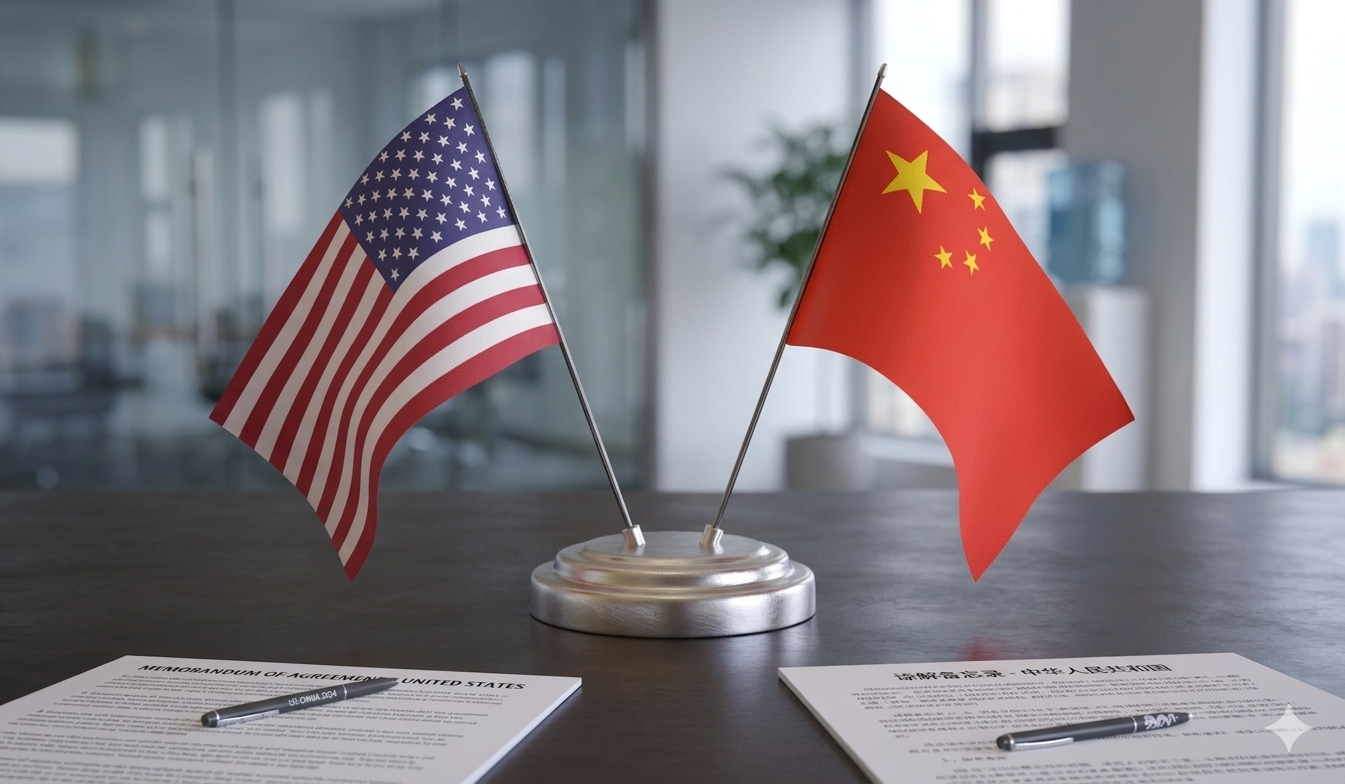
The global order has undergone significant transformation since the end of the Cold War. The ever-evolving dynamics in international relations and the emergence of new superpowers suggest the return of a more competitive and antagonistic geopolitics, often referred to as the "Cold War 2.0." This new era of power conflict, especially between the United States and China, presents unique set of challenges and opportunities for the world at large. This paper will dig deep into the intricacies and dimensions of Cold War 2.0, exploring its historical backdrop, the key players involved, the shifting power structures and their ramifications. By analysing these facets, we can gain a better understanding of the re-emerging fragility in the global order, the challenges that lie ahead and the potential opportunities towards ensuring global stability.
Introduction
The phrase "Cold War" evokes images of a prolonged period of ideological, political, and military conflict between the United States and the Soviet Union that lasted for several years, from 1947 to 1991. As the most powerful capitalist nation of the world, the United States, promoted free markets, individual liberty, and democratic values. On the contrary, the Soviet Union, advocated for communism, a socialist system predicated on a planned economy and collective ownership of resources. These ideological differences exacerbated a deep distrust and suspicion between the two superpowers. Both the countries also invested heavily in military research and development, leading to a proliferation of nuclear weapons and driving them into a savage arms race. They further backed rival factions during conflicts in Korea, Vietnam, Afghanistan, and elsewhere, and this proxy wars resulted in significant destruction coupled with geopolitical instability. The dissolution of the Soviet Union in 1991 marked the end of this intense rivalry, paving way for the United States to emerge as the sole superpower, and ushering an era of unipolarity.
As time elapsed, different nations began to emerge as centres of power, characterizing a multipolar world. However, over the last few years, a new form of geopolitical rivalry has become apparent between the United States and these other global powers, particularly China. This phenomenon reflects the re-emergence of great power competition, albeit in a more complex international environment, and is referred to as "Cold War 2.0". It is thus hypercritical to explore the dynamics of Cold War 2.0, focusing on the role of China, the shifts in global power structures, and the multifarious aspects of this contemporary rivalry which may not yet have reached the nuclear brinkmanship of its predecessor, but nonetheless poses a fierce contest for global supremacy across multiple domains. In addition, it is also significant to understand how the geopolitical order is circling back to bipolarity, from where it all had started.
Historical Context of the Cold War
It is essential to first review the original Cold War so as to grasp the intricacies of Cold War 2.0. The first cold war was a period of fierce ideological and geopolitical rivalry between the United States and the Soviet Union. Following World War II, these two nations engaged in an enduring struggle for supremacy and influence, defined by the clash between U.S led capitalism, and the Soviet Union’s communism. The key American policies of that era, such as the Truman Doctrine and the Marshall Plan, both initiated in 1947, aimed to deter the spread of communism and stimulate economic recovery in the war-torn Western Europe. The Marshall Plan provided substantial financial aid to rebuild European economies and create a bulwark against Soviet influence.[1] This ideological contest led to severe political and military consequences, including scores of proxy wars, such as the Korean War, Vietnam War, and the Soviet invasion of Afghanistan in 1979. These conflicts exhausted resources and caused economic stagnation, particularly in the Soviet Union. The arms race, another hallmark of the Cold War, saw both nations ramping up their nuclear arsenals and military capabilities.[2] This unabated competition extended beyond politics and warfare, influencing technological development, global alliances, and even cultural exchanges.
The collapse of the Soviet Union in 1991 signified the end of the Cold War and was widely regarded as victory for the U.S. and its capitalist-democratic model over communism. The fall of the Soviet bloc resulted in erosion of its influence in Eastern Europe and other regions, leading to the rise of a unipolar world beset by Western liberalism. However, the dissolution of the Soviet Union triggered a difficult period of economic transition for the post-communist states. This transition, often referred to as Shock Therapy,[3] was heavily influenced by institutions like the World Bank and the International Monetary Fund (IMF). Formerly state-controlled economies were rapidly shifted towards free-market capitalism, opening their doors to Foreign Direct Investment (FDI), the expansion of multinational corporations (MNCs), and the widespread privatization of public enterprises. The economic liberalization had numerous unintended consequences, and in many post-communist states, particularly Russia, the sudden rush to privatize assets gave rise to powerful mafias who seized control of key industries. Many nations were hitherto unprepared for the rapid influx of global competition and the challenges of globalization posed by this economic transition.
In the decades after the end of the Cold War, new players have sprung up in defiance to the global dominance of the United States leading to the creation of a multipolar world. The most prominent of these has been China, which has leveraged its technological advances, growing military power and economic advantage to position itself as a daunting rival to the U.S. Under the leadership of Vladimir Putin, Russia too has sought to reaffirm its influence on the world stage, especially around Eastern Europe, Central Asia and the Middle East. Although the U.S. continues to remain a dominant power, it now faces intense competition not just militarily, but also economically and technologically. This renewed rivalry, stated as "Cold War 2.0", is remindful of the original Cold War but is still distinct in many ways. The current rivalries are not just about ideological differences but also about exercising control over emerging technologies as well as global markets and supply chains.
Geopolitical Dimensions of Cold War 2.0
The emergence of a new bipolarity in the current geopolitical landscape echoes the dynamics of the original Cold War, albeit with some critical differences. The intensifying U.S.-China rivalry is at the forefront of the Cold War 2.0, with both nations vying for global leadership across political, economic, and technological fronts. Though the original Cold War was marked by ideological differences between capitalism and communism, the current conflict involves a blend of economic systems.[4] China’s model of state-controlled capitalism, along with authoritarian governance, stands in sharp contrast to the liberal democracy advocated by the U.S. China's rapid ascent has positioned it as the primary challenger to U.S. hegemony.[5] China's ‘Belt and Road Initiative’ (BRI) is a major feature of this competition, extending its influence worldwide. China is making economic investments and supporting infrastructure projects across regions traditionally influenced by the West, particularly in Africa, Latin America, and Southeast Asia. The U.S. has responded by crafting its own strategies to counter China's influence, such as the Indo-Pacific strategy[6] which aims to strengthen alliances with regional powers like Japan, Australia, and India.
In addition to the U.S.-China dynamic, there is also resurgence in the role of Russia, under the leadership of President Vladimir Putin. Russia possesses one of the world’s largest nuclear arsenals. Its annexation of Crimea in 2014 and its involvement in the Syrian Civil War are distinct examples of its efforts to re-establish a sphere of influence primarily through military interventions and strategic disruptions in regions such as Eastern Europe and the Middle East, reminiscent of its past. Russia’s worsening relations with the West, particularly after allegations of interference in the 2016 U.S. Presidential Election and its ongoing cyber campaigns, have further fuelled cold-war like tensions.
Economic Rivalry
The economic rivalry between the U.S. and China is perhaps the most critical aspect of Cold War 2.0, shaping global trade and investments. China's swift rise from a developing nation to the status of the world's second-largest economy and having an upper hand in manufacturing coupled with being the central hub for global supply chains, has led to significant economic tensions with the U.S. However, U.S. views China’s economic policies as unfair and damaging to the free-market principles. The U.S.–China trade war that started in 2018, emphasized the increasing friction, with series of tariffs and supply chain disruptions affecting global markets, particularly in industries heavily dependent on Chinese manufacturing, such as electronics, apparel, and consumer goods.
At the heart of China's economic strategy is the Belt and Road Initiative (BRI) of 2013, which is often referred to as China's economic diplomacy tool. The BRI is an ambitious, multi-trillion-dollar infrastructure and development project that aims to connect Asia, Africa, Europe, and beyond through a network of ports, highways, railroads, and energy projects, and has proven effective in extending China’s reach into strategic regions. China seeks to expand its global influence by offering loans, aid, and investments to developing nations, much like the Marshall Plan did for the U.S. during the original Cold War. For many developing countries, these loans represent a prominent growth opportunity since it helps them build critical infrastructure. However, it has been argued by critics that China’s strategy has led to a form of debt diplomacy, where recipient nations become economically dependent on China. In certain cases, some nations struggled to repay these loans, for example, Sri Lanka was coerced to lease its Hambantota Port to China for 99 years after it failed to service its BRI-related debt. This mirrors the economic aid strategies used by both the U.S. and the Soviet Union during the original Cold War to gain influence in developing countries.
In response to China's growing economic clout, the U.S., successively worked to reduce its reliance on Chinese goods, particularly in critical industries like semiconductors, by encouraging a "decoupling" of supply chains.vi The decoupling is a process whereby the U.S. and its allies seek to shift key parts of their supply chains away from China and go back to their domestic or allied industries. The U.S. is also restoring manufacturing in other significant sectors like electronics, pharmaceuticals, and green energy technologies.
The U.S.-China economic rivalry has profound implications for the rest of the countries due to the fact that their trade policies and economic strategies ripple across global markets. Many countries find themselves caught in the muddle, obligated to navigate the complexities of economic allegiance to one side or the other. States that are heavily reliant on Chinese investments through the BRI may face pressure from the U.S. to limit their engagement with China, while others seek to maintain balanced relationships to avoid being drawn into the contest.
Technological Domination: The New Arms Race
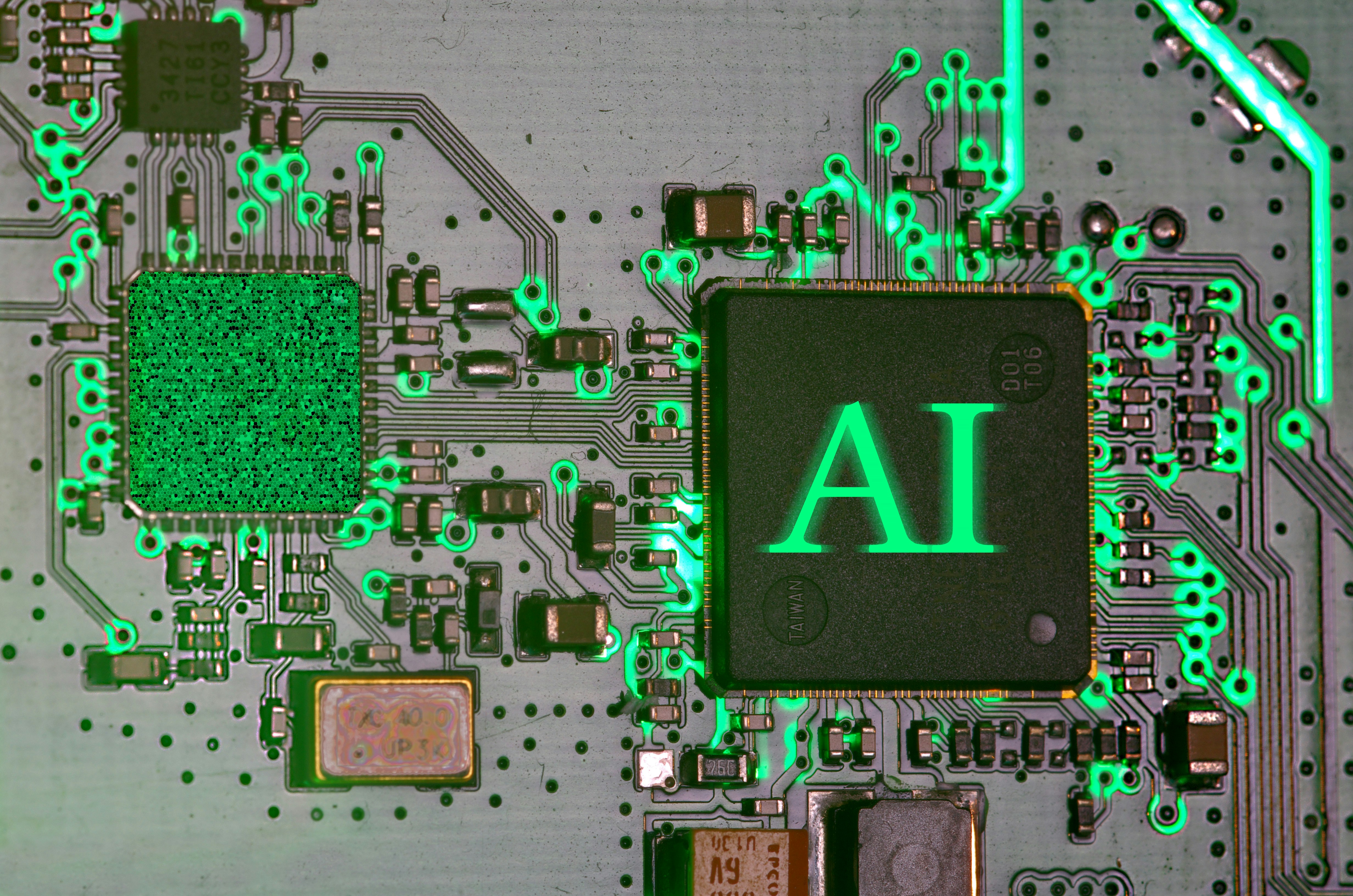
Technological competition is perhaps the most significant aspect of Cold War 2.0. In the original Cold War, technological superiority in nuclear weapons and space exploration symbolized the contest between the U.S. and the Soviet Union, highlighted by events such as the space race and the development of intercontinental ballistic missiles (ICBMs). In the present times, the race is pivoted on advancements in 5G, quantum computing and artificial intelligence (AI). Companies like Huawei which seek to dominate global 5G networks, are a case in point to exemplify China’s technological ambitions. The fifth-generation (5G) mobile network, is poised to revolutionize telecommunications by enabling more reliable internet connections, faster data speeds and lay the foundation for smart cities and the Internet of Things (IoT). The U.S. and its allies have been alarmed by the Huawei’s expeditious expansion and aggressive push to install its technology. The U.S. has responded by implementing sanctions and lobbying its allies, particularly in Europe and Asia, to exclude Huawei from their telecommunications infrastructure. This battle over 5G is not just about who controls faster internet. The technology is seen as a strategic asset that will enable future military communications, autonomous weapons systems and intelligence operations.[7] Thus, it is undoubtable that the winner of 5G-race could gain significant advantages in both civilian and military applications.
Furthermore, China aims for global leadership in advanced technologies, including AI through its Made in China 2025 initiative, involving state-led investments. On the other hand, the U.S. has long held and maintained a dominant position in AI research, majorly due to its robust tech sector dotted with companies like Google, Microsoft, and IBM driving AI innovation. Further, if any of these nations develop fully operational quantum computers first, they are likely to decode encrypted communications or render other nations' defence systems vulnerable. The stakes are exceptionally high, making quantum computing a key element in Cold War 2.0. Cybersecurity is yet another battlefront, with both China and Russia accused of using cyberattacks to steal intellectual property and influence political outcomes in other countries. This type of cyber warfare, which was not prevalent in the original Cold War, unravels a new frontier in the current conflict, without the need for physical confrontation.
Military Tensions and Strategic Alliances
The military dimension of Cold War 2.0 is evident in the growing tensions in the Indo-Pacific region. China’s militarization of the South China Sea, including the construction of artificial islands and military installations, has heightened regional tensions. The U.S. has responded by increasing its naval presence in the area and reinforcing alliances with regional powers through military exercises and defence agreements. Taiwan remains a potential flashpoint for conflict, with China considering it a breakaway province and the U.S. continuing to provide military aid to Taiwan. This situation parallels the proxy conflicts of the original Cold War, where smaller nations became arenas for superpower rivalry.[8] The modernization of nuclear arsenals and advancements in missile technology by the U.S., China, and Russia also suggest the possibility of a new arms race, with China’s recent development of Anti-Ship Ballistic Missiles like the DF-21D and DF-26 which are designed to target naval vessels and aircraft carriers enhancing China’s capabilities in the South China sea. The development of hypersonic missiles by Russia and China has raised concerns about the effectiveness of existing missile defence systems, further escalating tensions.
In Cold War 2.0, alliances and strategic partnerships are less rigid than during the original Cold War. While the U.S. maintains traditional alliances through the North Atlantic Treaty Organization (NATO) and its partnerships in Asia, China has used its economic clout to forge relationships with countries in Africa, Asia, and Latin America through the Belt and Road Initiative (BRI). Russia, despite its isolation from the West, has deepened ties with China, Iran, and other nations in opposition to U.S. influence.[9] Among other centres of power around the world, India plays an increasingly important role as a strategic partner in Cold War 2.0, as it seeks to balance its relationships with both the U.S. and China. The Quadrilateral Security Dialogue (QUAD), which includes the U.S., Japan, Australia, and India, is an example of new regional alliances formed to counter China's growing influence.[10] As mentioned in the fact sheet for 2024 QUAD’s leader summit, “Together, the Quad is leading ambitious projects to help partners address pandemics and disease; respond to natural disasters; strengthen their maritime domain awareness and maritime security; mobilize and build high-standard physical and digital infrastructure; invest in and benefit from critical and emerging technologies; confront the threat of climate change; bolster cyber security; and cultivate the next generation of technology leaders.” [11]
Ideological Dimensions
While Cold War 2.0 is less ideologically defined than the original Cold War, it still involves a profound conflict of values and governance models that significantly influence global dynamics. The U.S. continues to promote democracy and human rights, positioning itself as a defender of liberal values, while China offers an alternative model of authoritarian capitalism. In China, economic growth is prioritized and state control is emphasized. This clash of values plays out in international institutions, global media, and diplomatic relations. For instance, the U.S. leverages organizations like the United Nations and the World Trade Organization to promote democratic norms and human rights, while China seeks to gain influence in these institutions to shape global policies that align with its governance philosophy.[12] China's increasing presence in international organizations, coupled with its efforts to establish alternative frameworks such as the Asian Infrastructure Investment Bank (AIIB), reflects its ambition to reshape global governance based on its values and interests.
China’s control over domestic dissent, such as the suppression of pro-democracy movements in Hong Kong and the treatment of Uyghur Muslims in Xinjiang, illustrates the stark differences between its governance model and that of the West. These actions not only highlight the internal contradictions within China's narrative of development and stability but also serve as a litmus test for other nations grappling with issues of governance and human rights. The influence in this new Cold war isn’t just limited to hard powers, rather a more crucial role is played by the various soft powers, specifically through the modern domains of social media. The U.S. emphasizes narratives around democracy and freedom of expression, while China utilizes social media to showcase its development achievements and project a narrative of stability and progress under authoritarian governance. As nations navigate this complex landscape, the outcomes of these ideological differences will have far-reaching implications for global governance, human rights, and the future of international cooperation.
Conclusion: The Future of Cold War 2.0
Cold War 2.0 is an ongoing and dynamic phenomenon that, while lacking the ideological coherence of its predecessor, has profound ramifications for global stability. The intense interplay of economic, technological, and military competition between the United States, China, and Russia threatens to render the international order fragile. This shifting geopolitical landscape has a multipolar nature, where an array of actors and regions increasingly influence the dynamics and the complexity of this contest.
The chances of an outright military conflict may be diminished compared to the previous Cold War, yet the emergence of new modes of competition is creating a unique set of challenges. It is indubitable that cyber warfare, information campaigns, and technological races are redefining the battleground, raising the concerns for global security. The nations must grapple with the realities of a digital age where conflicts can be waged in virtual spaces, impacting political stability, economies, and public trust, leading to precarious situations.
As global powers navigate this new era, the choices they make will have lasting consequences for international relations. The management of escalating tensions and stressors within this complex geopolitical landscape will be critical in determining the future trajectory of global affairs. The world leaders must exercise caution, compassion, wisdom, and strategic foresight to avoid the catastrophic consequences of a full-scale conflict. The path forward is seemingly binary. It could either lead to a more fragmented world, with deepening divides and degeneration of cooperative frameworks, or foster newer forms of connections and collaborations between nations and regions that transcend traditional rivalries. The latter would require a global commitment to diplomacy, dialogue, and mutual understanding, emphasizing the need for multilateral approaches to address common challenges such as climate change, public health, and economic inequality. Therefore, by strengthening open channels of communication, encouraging peace and cooperation, and emphasizing shared interests in this new era of Cold War 2.0, there lies the potential to mitigate risks and cultivate a more stable international environment.
References:
[1] http://www.trumanlibrary.gov/education/presidential-inquiries/marshall-plan-and-cold-war
[2] Brzezinski, Zbigniew. (2012). Strategic Vision: America and the Crisis of Global Power. Basic Books.
[3] Marangos, John. (2004). “Was shock therapy consistent with democracy?” Review of Social Economy 62.2 221-243.
[4] Allison, Graham. (2017). Destined for War: Can America and China Escape Thucydides’ Trap? Houghton Mifflin Harcourt.
[5] Shambaugh, David. (2020). Where Great Powers Meet: America and China in Southeast Asia. Oxford University Press.
[6] Campbell, Kurt M., & Sullivan, Jake. (2019). Competition Without Catastrophe: How America Can Both Challenge and Coexist with China. Foreign Affairs, 98(5), 96-110.
[7] O’Rourke, Ronald. (2021). Renewed Great Power Competition: Implications for Defence—Issues for Congress. Congressional Research Service.
[8] Friedberg, Aaron L. (2018). Competing with China. Survival, 60(3), 7-64.
[9] Kaplan, Robert D. (2021). The Return of Marco Polo's World: War, Strategy, and American Interests in the Twenty-first Century. Random House.
[10] Jain, B.M. (2022). South Asia Conundrum: The Great Power Competition in the 21st Century. Lexington Books.
[11] Fact Sheet: 2024 quad leaders’ summit. (n.d.)
[12] Mearsheimer, John J. (2019). The Great Delusion: Liberal Dreams and International Realities. Yale University Press.
(The views expressed are those of the author and do not represent the views of CESCUBE)
Image Source: Gemini AI

Devrat Sai Narang is a second-year student of Diplomacy and Foreign Policy at the Jindal School of International Affairs. With experience at the United Nations Institute for Training and Research in Geneva and policy research think tank in India, he has worked on projects that cultivated his expertise in international diplomacy, global governance, negotiation and policy evaluation/research. Passionate about linking global affairs with culture and society, he enjoys exploring how ideas and narratives shape diplomacy. His research interests lie at the intersection of policy, culture, and global affairs, with a particular emphasis on negotiation, soft power and institutional reform. Skilled in research, writing, and analysis, he seeks to bridge policy, diplomacy and culture through meaningful contributions.